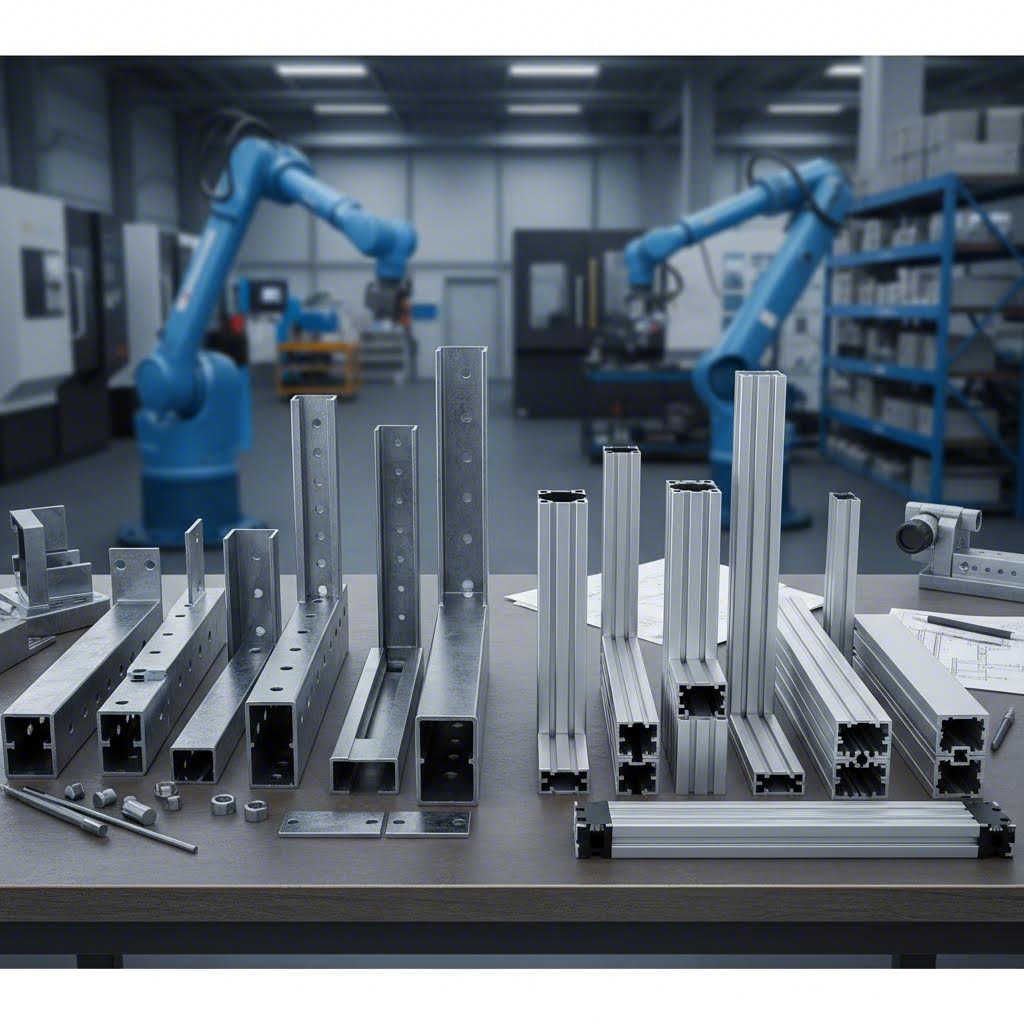
Imagine you're planning a workshop fixture, a van conversion, or a custom machine frame. You've done your research, scrolled through countless forum threads, and now you're more confused than when you started. Sound familiar? The debate between steel channel framing and modular aluminum framing systems has left many builders scratching their heads, unsure which path leads to project success.
Selecting the right structural framing system isn't just a minor detail—it's a decision that affects everything from your build's longevity to your budget and assembly time. Choose wrong, and you might end up with a structure that's too heavy for your application, corrodes in outdoor environments, or costs far more than necessary. When considering factors like the unit wt of aluminium versus steel, the weight difference alone can make or break certain projects, especially in mobile or weight-sensitive applications.
Whether you're an engineer designing industrial equipment, a contractor installing support systems, or a DIY enthusiast tackling your first aluminum unistrut project, understanding these framing options gives you the power to make confident decisions. T slot framing systems and traditional channel struts each bring unique strengths to the table—and knowing when to leverage each one separates successful builds from costly mistakes.
Here's the truth: both systems have legitimate use cases. Steel Unistrut channels have earned their reputation in electrical and mechanical support applications over decades. Meanwhile, modular aluminum framing—often called 80/20 style or T-slot extrusion—has revolutionized precision builds with its infinite adjustability and clean aesthetics. The problem isn't that one system is universally better; it's that scattered online discussions rarely provide the organized, application-specific guidance builders actually need.
This comprehensive resource cuts through the noise. You'll discover exactly when steel Unistrut makes sense, where aluminum options shine, and how to match your specific project requirements to the ideal framing solution. By the end, you'll have clear criteria for evaluating strength, weight, corrosion resistance, and total cost—empowering you to build with confidence rather than guesswork.
When you're comparing steel unistrut to aluminum strut channel options, how do you know which source to trust? Forum opinions often reflect personal bias or limited experience with just one system. That's why we developed a structured evaluation framework—one that treats each framing option fairly while addressing the real-world factors that matter most to your project's success.
According to Construction Specifier, when specifying structural framing systems, multiple variables come into play—and sometimes there's no absolute answer as to which system performs best. Our comparison addresses these critical factors:
Rather than picking a winner based on a single metric, we examined how each framing option performs across all criteria. Think of it like this: a system that excels in load capacity might fall short in weight-sensitive applications. A budget-friendly option could cost more long-term if it requires additional corrosion protection or frequent maintenance.
We also considered functional requirements that structural engineers evaluate—including deflection limits, vibration characteristics, and compatibility with other building systems. This mirrors the collaborative approach professionals use when selecting structural systems for real projects.
What makes this guide different from typical forum debates? We're not here to declare one system superior. Instead, we've organized our analysis so you can quickly identify which factors matter most for your specific build—then see exactly how each option stacks up. This neutral, criteria-based approach ensures you're making decisions based on complete information rather than someone else's project preferences.
With this framework established, let's dive into the specifics of each framing system, starting with the industry workhorse that's been supporting electrical and mechanical installations for decades.
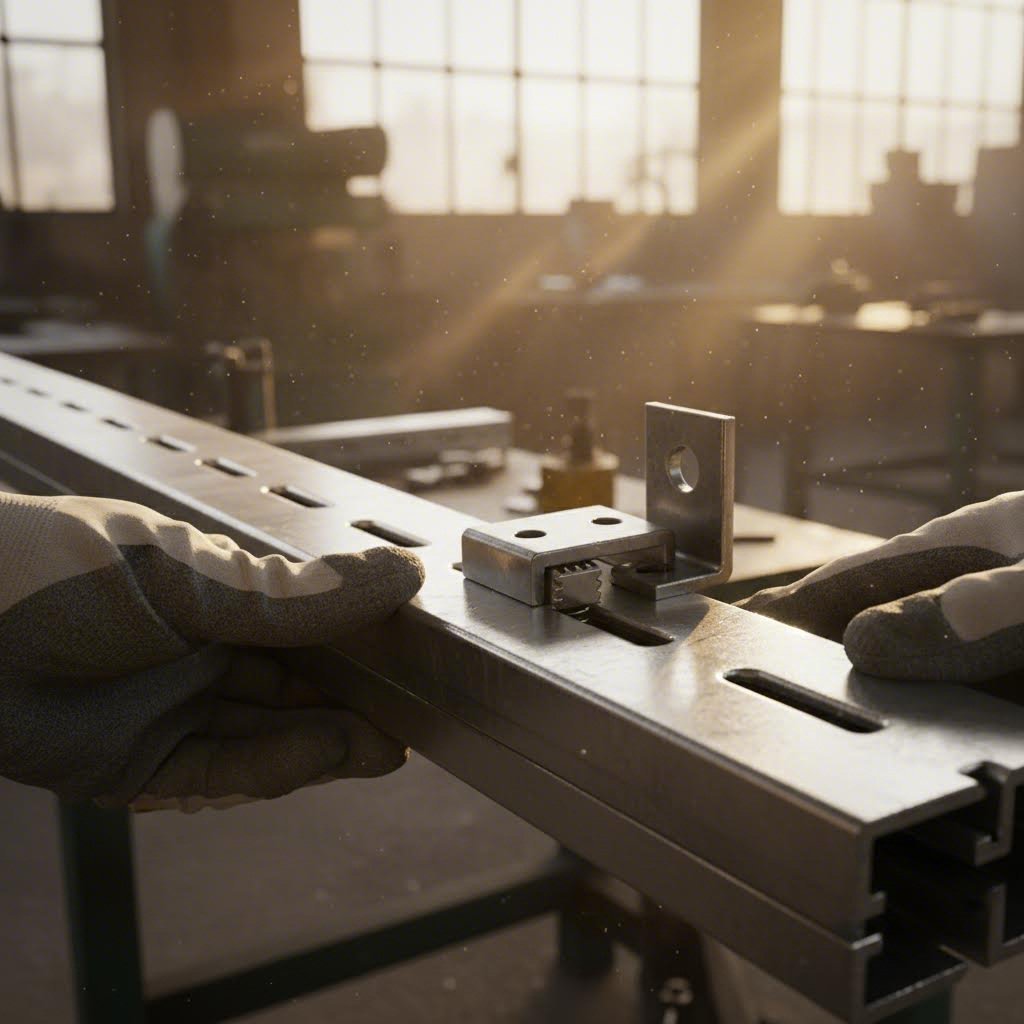
Steel Unistrut channel has been the backbone of electrical and mechanical support systems since its invention in 1924. If you've ever walked through a commercial building, factory, or data center, you've likely seen these distinctive slotted channels running overhead—supporting everything from cable trays to HVAC ductwork. But what exactly makes uni struts such a trusted solution, and when does this traditional workhorse outperform newer aluminum alternatives?
At its core, Unistrut is a metal framing system built around continuous slotted channels that accept spring nuts for mounting hardware, fittings, and supported equipment. The genius lies in its simplicity: you can position attachments anywhere along the channel without drilling, welding, or special tools.
According to RS Components' engineering guide, Unistrut sizes are designated by their width and height dimensions. The most common profile—P1000 channel—measures 41 mm wide by 41 mm tall with 12-gauge steel thickness. Here's how the standard channel options compare:
| Channel Series | Width | Height | Steel Gauge | Common Applications |
|---|---|---|---|---|
| P1000 | 41 mm | 41 mm | 12 ga | Heavy-duty support, primary runs |
| P1100 | 41 mm | 41 mm | 14 ga | Medium loads, cost-effective |
| P3300 | 41 mm | 22 mm | 12 ga | Shallow profile needs |
| P5000 | 41 mm | 83 mm | 12 ga | Maximum load capacity |
Notice how the profile height directly correlates with vertical load capacity—a taller channel like the P5000 handles significantly greater loads than the compact P3300. Steel gauge matters too: thicker material (lower gauge number) translates to stronger channels capable of supporting heavier equipment.
What sets Unistrut apart from welded steel frames? The spring nut connection system. As explained by Unistrut's technical documentation, this weldless connection relies on a remarkably simple process:
This approach saves 30 seconds to a minute per connection point compared to alternatives requiring drilling or welding. For a project with hundreds of attachment points, that labor savings adds up quickly. The spring holds the nut in position while you work, freeing both hands for positioning fittings accurately.
However, nut compatibility isn't universal across all channel sizes. Deeper channels like P1000 require different spring nuts than shallow profiles like P3300 or P4000. When searching for unistrut distributors near me, always verify you're ordering the correct hardware for your specific channel series.
When comparing kindorf vs unistrut or evaluating other strut channel brands, you'll find steel Unistrut dominates in applications where raw load capacity matters more than weight. Consider these ideal use cases:
For projects where weight matters—think van conversions, portable equipment, or ceiling-mounted displays—steel Unistrut's heft becomes a liability. And in marine or coastal environments, even hot-dipped galvanized steel eventually succumbs to salt air corrosion. These limitations have driven many builders toward aluminum alternatives, which we'll explore next.
What if you could keep the familiar spring nut assembly system you already know—but shed nearly two-thirds of the weight? That's exactly what unistrut aluminum channels deliver. This hybrid option bridges the gap between traditional steel strut and modern T-slot extrusion, giving builders the best of both worlds without forcing a complete system overhaul.
Aluminum uni strut maintains the same channel profile geometry as its steel counterpart—meaning all your existing spring nuts, fittings, and brackets remain compatible. According to industry specifications, aluminum strut channels are typically manufactured from 6061 or 6063 aluminum alloys, chosen specifically for their excellent strength-to-weight ratio and natural corrosion resistance.
The standard 1-5/8" x 1-5/8" aluminum channel mirrors steel Unistrut's P1000 dimensions, so you can integrate aluminum sections into existing steel runs or transition between materials as project requirements change. This dimensional compatibility eliminates the learning curve—if you've installed steel strut before, you already understand how aluminum versions work.
Here's where aluminum uni strut truly shines. The weight difference between materials is dramatic:
| Material | Approximate Density | Weight (1m of 1-5/8" Channel) | Handling Requirement |
|---|---|---|---|
| Aluminum | ~2.7 g/cm³ | ~1.4 kg | Easy—one person |
| Steel | ~7.8 g/cm³ | ~4.0 kg | May require two people or mechanical aid |
Imagine you're working overhead on a ladder, positioning channel sections into place. That weight reduction from 4 kg down to 1.4 kg per meter isn't just convenient—it reduces fatigue, speeds installation, and minimizes strain on mounting surfaces. For ceiling-hung systems or weight-sensitive structures, this advantage compounds across every linear foot of channel.
Corrosion resistance adds another compelling benefit. Unlike steel that requires galvanized coatings for protection, aluminum naturally forms a protective oxide layer when exposed to air. This self-healing barrier resists moisture, salt spray, and many chemicals without additional treatment. For coastal installations, humid environments, or outdoor applications, aluminum channels maintain their integrity far longer than untreated steel alternatives.
So when should you reach for aluminum instead of steel? Consider these scenarios where the hybrid approach delivers clear advantages:
That said, you should know about availability challenges before committing to this material. While searching for aluminum unistrut home depot or other big-box retailers, you'll likely find limited stock compared to steel versions. Aluminum strut channels remain more specialized products, often requiring orders through industrial distributors or direct manufacturer purchases.
If your project demands both Unistrut compatibility and aluminum's benefits, this middle-ground option deserves serious consideration. However, builders seeking maximum design flexibility, precision positioning, or custom aesthetics often find that T-slot aluminum extrusion systems offer even greater advantages—which we'll examine in detail next.
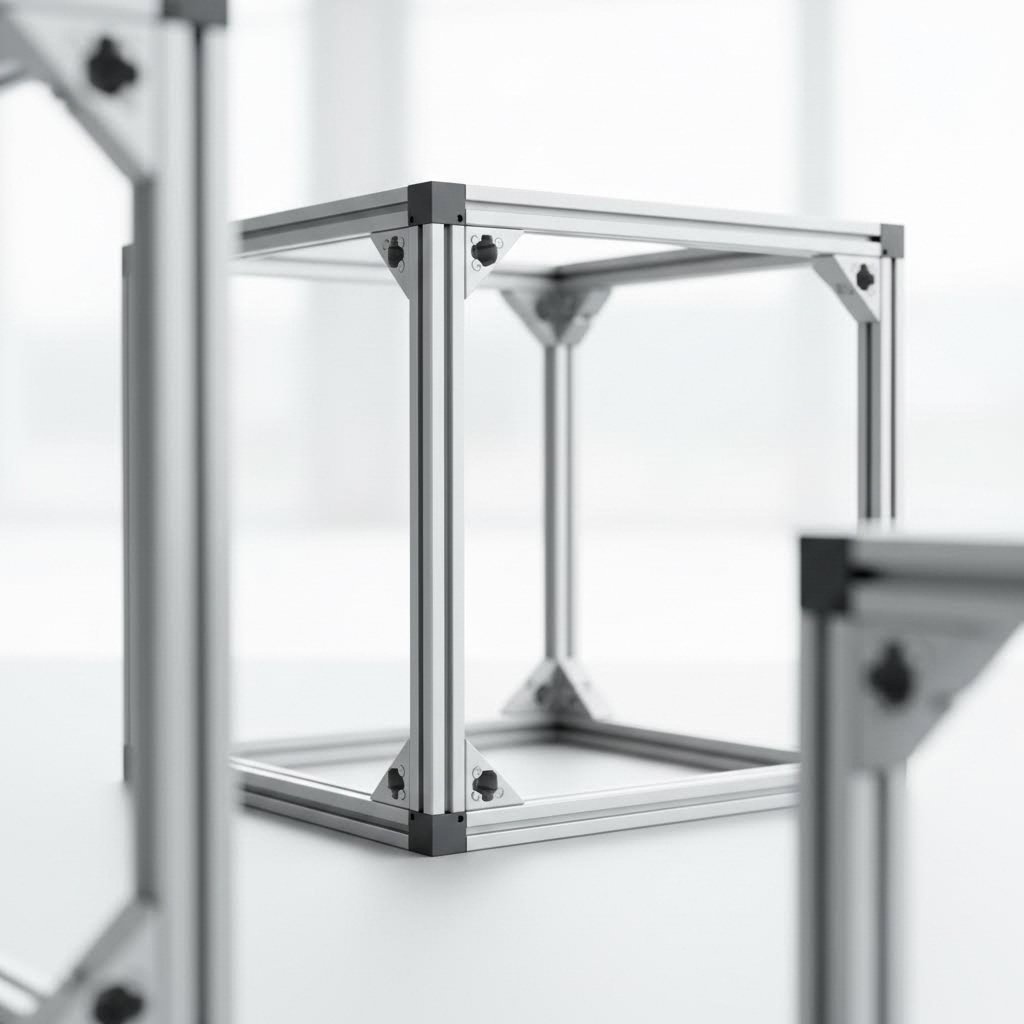
Ever wondered how engineers build complex machine frames, safety enclosures, or custom workstations that snap together like industrial LEGOs—without a single weld? The answer lies in t-slotted framing systems, often called 80/20 strut after one popular manufacturer. These modular aluminum profiles have revolutionized structural assembly across countless industries, offering a level of precision and adaptability that traditional channel systems simply can't match.
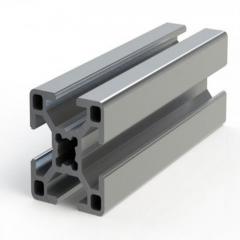
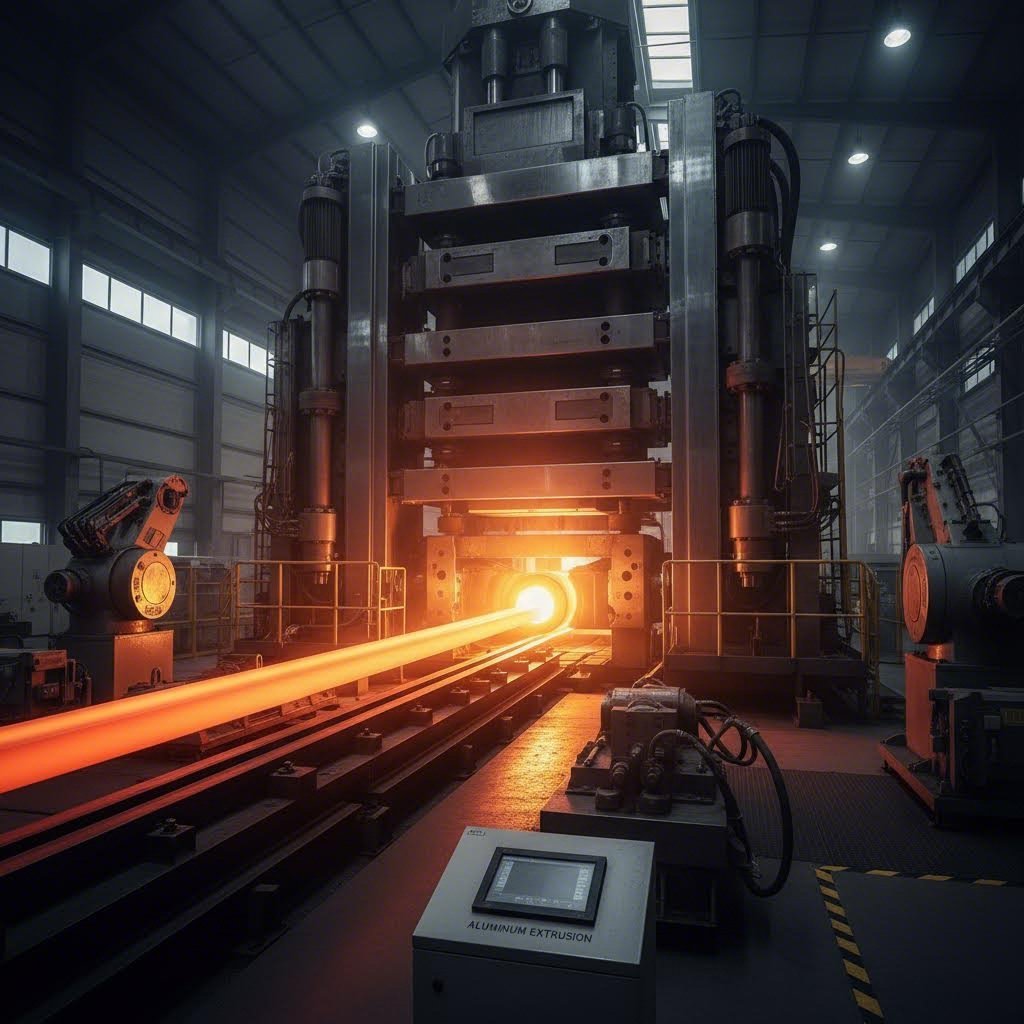
At its core, t slotted framing starts as a billet of aluminum alloy—typically 6063-T6 from the 6000 series—that's heated and forced through a shaped die during the extrusion process. According to engineering guides from PTSMAKE, this process creates long lengths of aluminum with distinctive T-shaped channels running continuously along one or more faces. Think of it like squeezing toothpaste from a tube, but with metal and much higher pressures.
The critical feature is the "T" slot itself. This precisely shaped channel captures the head of a special T-nut or bolt head. Once inserted into the slot, the fastener slides along the entire length until you position it exactly where needed. Tightening the bolt locks everything securely in place. This simple mechanism is the foundation of the system's remarkable modularity—you can attach components anywhere along the profile without drilling a single hole.
Unlike Unistrut's spring nut system that allows some positioning play, alu t track profiles provide precise, repeatable positioning. The slots act as natural guides, ensuring attached components align accurately. This precision proves critical for applications like machine bases, linear motion systems, and measurement fixtures where tolerances matter.
T-slot profiles aren't one-size-fits-all. They come in standardized series typically defined by the primary dimension of the profile's cross-section. You'll encounter metric series (20mm, 30mm, 40mm, 45mm) and fractional inch dimensions, each indicating the basic size of the profile square.
Here's how common profile series compare:
| Profile Series | Typical Dimensions | Weight (approx.) | Best Applications |
|---|---|---|---|
| 20 Series | 20mm x 20mm | ~0.5 kg/m | Light frames, 3D printers, small fixtures |
| 30 Series | 30mm x 30mm | ~0.9 kg/m | Medium workstations, display structures |
| 40 Series | 40mm x 40mm | ~1.5 kg/m | Machine guards, automation frames |
| 45 Series | 45mm x 45mm | ~2.0 kg/m | Heavy-duty bases, industrial equipment |
Beyond square profiles, you'll find rectangular options (like 40x80mm for beam applications), profiles with rounded edges for safety, and specialized shapes for specific functions. Within each size series, variations include:
Most 80/20 strut profiles receive an anodized surface treatment—an electrochemical process creating a hard, corrosion-resistant oxide layer. This finish provides clean aesthetics (typically clear silver or black) without requiring paint or additional protective coatings.
Here's where t-slotted framing truly separates itself from traditional channel systems. According to JH Foster's assembly guides, these systems can be assembled quickly and easily without welding or specialized tools—just basic hand tools like Allen keys and wrenches.
The assembly process relies on several connection methods:
What makes this system revolutionary? Infinite adjustability. Need to move a sensor mount two inches to the left? Loosen the bolts, slide it over, retighten. Need to add a new support beam next month? Cut a profile to length and bolt it on. Need to completely reconfigure your workstation for a new process? Disassemble and rebuild without losing a single component to cutting or welding damage.
This contrasts sharply with welded steel structures. Welding creates permanent joints, requires certified skills and equipment, can introduce heat distortion, and makes modifications expensive and time-consuming. Based on industry experience, assembly using T-slots can be 30-50% faster than comparable welded structures—and future modifications cost a fraction of rebuilding welded frames.
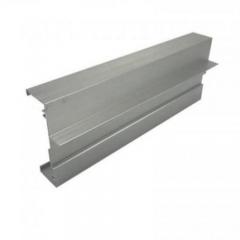
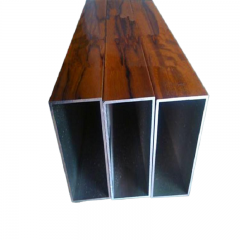
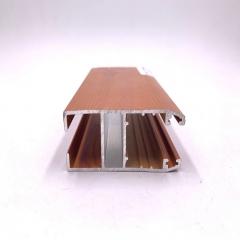
For builders whose projects demand profiles beyond standard catalog options, custom extrusion services can create application-specific shapes. Whether you need integrated wire channels, unique mounting geometries, or specialized cross-sections, manufacturers can develop custom dies tailored to your exact requirements. This capability opens possibilities that off-the-shelf systems simply cannot address—a topic we'll explore in depth next.
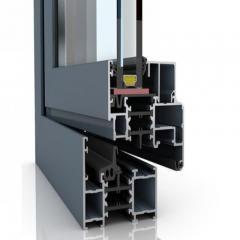
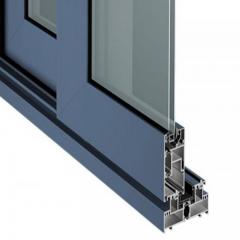
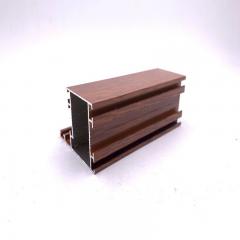
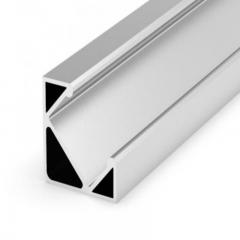
What happens when off-the-shelf t-slot extruded aluminum or standard strut channels simply can't meet your project's demands? Maybe you need a profile that integrates multiple functions into a single piece. Perhaps your application requires unusual load distribution, proprietary mounting features, or aesthetic requirements that catalog products don't address. This is where custom aluminum extrusion becomes the premium solution—transforming your exact specifications into purpose-built profiles that standard systems can never replicate.
Custom extruded aluminum strut profiles begin with a fundamental question: what do you actually need this material to do? Unlike selecting from pre-made options, custom extrusion allows you to engineer profiles specifically for your load requirements, integration points, and visual goals.
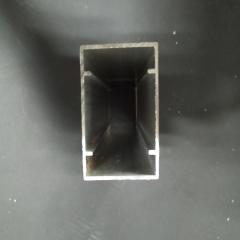
According to industry specialists at Monarch Metal, custom aluminum extrusions are precision-engineered profiles created by forcing heated aluminum billet through a machined die to achieve a specific cross-section. This process allows designers to integrate functional features directly into the part—channels, grooves, mounting surfaces, T-slots, and screw ports—reducing component counts and achieving precise fits impossible with standard shapes.
The design possibilities extend far beyond simple geometric variations:
Most custom extrusions utilize alloys from the 6000-series—particularly 6063 and 6061—because they offer an excellent balance of strength, corrosion resistance, and surface finish quality. However, specialized applications may require alternative alloys optimized for specific mechanical properties or finishing requirements.
How do you know when your project has outgrown standard aluminum t slotted framing or catalog strut channels? Several scenarios consistently push builders toward custom solutions:
Assembly complexity reduction. If your current design requires multiple pieces joined together with brackets and fasteners, a custom profile might consolidate everything into a single extrusion. According to industry analysis, custom profiles that integrate T-slots, screw ports, or specialized shapes into one piece can significantly reduce assembly steps and eliminate potential failure points at joints.
Unique environmental requirements. Laboratory equipment, food processing systems, transportation applications, and architectural installations often demand profiles engineered for specific conditions—corrosion resistance in harsh chemicals, cleanability for hygienic environments, or structural performance under dynamic loads.
Aesthetic and branding needs. Consumer-facing products, retail displays, and architectural elements benefit from custom profiles that deliver both function and visual distinction. When your aluminum t slot channel will be visible to customers, off-the-shelf industrial aesthetics may not align with brand expectations.
Volume economics. While custom extrusions carry higher upfront tooling costs—typically ranging from $500 for simple solid profiles to $5,000 or more for complex multi-hollow dies—these investments become increasingly economical at higher production volumes. The die cost spreads across more pieces, and per-unit savings from optimized material usage compound with each order.
If your project needs a unique design and you expect high production volumes, custom aluminum extrusions can help you save money and improve efficiency compared to assembling structures from standard components.
Developing custom profiles isn't something you tackle alone. The most successful custom extrusion projects result from close collaboration between your design team and experienced manufacturers who understand both the possibilities and constraints of the extrusion process.
A comprehensive custom extrusion partner typically guides you through these stages:
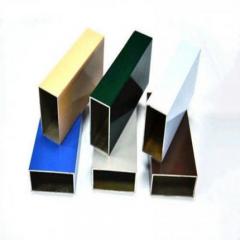
Surface treatment options deserve particular attention. Custom profiles can receive:
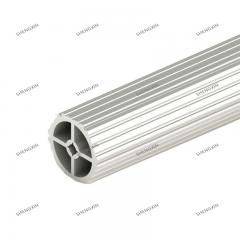
For projects requiring comprehensive custom aluminum extrusion capabilities, Shengxin Aluminium offers end-to-end support backed by over 30 years of industry experience. Their facility houses 35 advanced extrusion presses ranging from 600T to 5500T capacity—enabling production of profiles from delicate precision shapes to heavy structural sections. State-of-the-art CNC machining centers handle precise cutting, drilling, and bending to meet exact specifications, while comprehensive surface treatment options including custom-color anodizing, powder coating, PVDF, and micro-arc oxidation ensure your profiles perform and appear exactly as designed.
Whether you need custom 6063 aluminum tubes, specialized architectural window frames, or complex industrial profiles, working with an experienced manufacturer transforms custom extrusion from a complex challenge into a streamlined process. Factory-direct pricing and technical support from die development through mass production make custom solutions accessible even for mid-volume projects that might not have considered this option previously.
Understanding when custom extrusion makes sense—and what standard options offer—requires direct comparison. Let's examine how all these framing options stack up against each other across the factors that matter most to your project decisions.
You've explored each framing system individually—now it's time to see how they measure up side by side. Whether you're weighing v slot vs t slot options, considering 8020 alternatives, or debating between steel and aluminum entirely, this direct comparison cuts through the complexity. Let's examine the key decision factors that separate these systems and determine which delivers the best value for your specific application.
When evaluating structural framing, raw load capacity tells only part of the story. What matters for many projects is how much strength you get relative to the weight you're adding. This strength-to-weight ratio becomes critical for portable equipment, overhead installations, and weight-sensitive applications like van builds or rooftop solar mounting.
According to industry comparisons from AFS, 80 20 strut aluminum extrusion achieves a yield strength of approximately 35,000 psi—remarkably comparable to A36 carbon steel's 36,000 psi. However, aluminum weighs roughly one-third less than steel. This means you can build structures with similar load-bearing capability while significantly reducing overall weight.
Here's how the numbers break down across common profile options:
According to Shielden's engineering analysis, aluminum channels typically support roughly one-third the load of steel channels with identical dimensions. A typical 1-5/8" solid aluminum channel supports around 700 lb over a 5-foot span, while steel handles significantly more. However, when you factor in the weight savings and design flexibility, aluminum often proves more efficient for applications where maximum load capacity isn't the primary concern.
Your installation environment dramatically influences which framing system performs best long-term. Sounds obvious? Yet many builders underestimate how quickly corrosion degrades unprotected steel in challenging conditions.
Corrosive and marine environments: Aluminum's natural oxide layer provides inherent protection against moisture, salt spray, and many chemicals without requiring additional coatings. According to material specialists, this makes aluminum strut ideal for food processing plants, cleanrooms, coastal installations, and outdoor electrical enclosures. Steel Unistrut requires galvanized coating, painting, or stainless steel specification—adding cost and ongoing maintenance concerns.
High-temperature applications: Here's where steel maintains an advantage. Aluminum loses strength more quickly when exposed to elevated temperatures—above 100°C (212°F), yield strength and stiffness begin degrading. Hot mechanical rooms, rooftop installations with direct sunlight, or proximity to heat-generating equipment may require strength reduction factors for aluminum or favor steel construction entirely.
Indoor controlled environments: When corrosion isn't a concern, the choice becomes more nuanced. Steel's lower cost wins for budget-sensitive projects, while aluminum's clean aesthetics suit visible installations and consumer-facing applications.
Upfront material cost grabs attention, but experienced builders know that total project cost encompasses far more. Consider these factors when comparing framing system economics:
Material costs: Steel Unistrut typically costs least per linear foot. Aluminum Unistrut runs 2-3 times higher. Standard T-slot extrusion falls somewhere between, while custom extrusion carries additional die development investment that amortizes over production volume.
Labor and assembly time: According to case studies from GCG, switching from steel to 80/20 aluminum framing cut assembly time in half for one manufacturer building equipment frames. T-slot systems require no welding, no drilling, and minimal specialized skills—just basic hand tools. Steel Unistrut assembles quickly with spring nuts but may require cutting, drilling, and coating touch-up. Welded steel frames demand certified labor and equipment.
Modification and reusability: T-slot aluminum offers complete reconfigurability—disassemble structures and repurpose every component for new projects. Steel welded frames become scrap when requirements change. Unistrut systems fall between, allowing some modification but with less precision than T-slot designs.
Long-term maintenance: Untreated steel in corrosive environments requires ongoing inspection and recoating. Anodized aluminum essentially maintains itself. Factor coating maintenance into lifecycle cost projections for outdoor or humid installations.
Total cost comparison shows that 80/20 aluminum typically delivers 25% lower overall costs than steel when factoring in reduced labor, faster installation, and material reusability.
The following table consolidates all key factors into a single reference. Use this to quickly identify which system aligns with your project priorities:
| Factor | Custom Aluminum Extrusion | T-Slot Aluminum (80/20 Style) | Aluminum Unistrut | Steel Unistrut |
|---|---|---|---|---|
| Material Weight | Optimized for application | ~1/3 of steel equivalent | ~35% of steel equivalent | Heaviest option |
| Load Capacity | Engineered to specification | ~35,000 psi yield (comparable to A36 steel) | ~1/3 of steel capacity | Highest absolute capacity |
| Corrosion Resistance | Excellent (anodized/coated) | Excellent (naturally resistant) | Excellent (naturally resistant) | Requires galvanizing or coating |
| Assembly Complexity | Application-dependent | Low—basic hand tools only | Low—familiar spring nut system | Low to moderate—may need cutting/drilling |
| Tooling Required | Standard tools after fabrication | Allen keys, wrenches | Standard wrenches | Wrenches, saw, possibly drill |
| Typical Cost Range | Higher upfront; economical at volume | Moderate to high material; low labor | 2-3x steel pricing | Lowest material cost |
| Best Applications | High-volume production, proprietary designs, integrated features | Machine frames, workstations, automation, modular structures | Weight-sensitive Unistrut applications, rooftop solar, marine | Heavy-duty support, electrical/mechanical, seismic bracing |
Notice how no single system dominates across all categories? Steel Unistrut wins on raw load capacity and upfront cost. T-slot aluminum excels in flexibility and total cost of ownership. Aluminum Unistrut bridges both worlds for specific applications. And custom extrusion delivers exactly what you need—when standard options fall short.
Understanding these trade-offs prepares you to make informed decisions. But how do these factors apply to specific project types? Let's translate this comparison into actionable guidance for common applications like van builds, workshop fixtures, and outdoor installations.
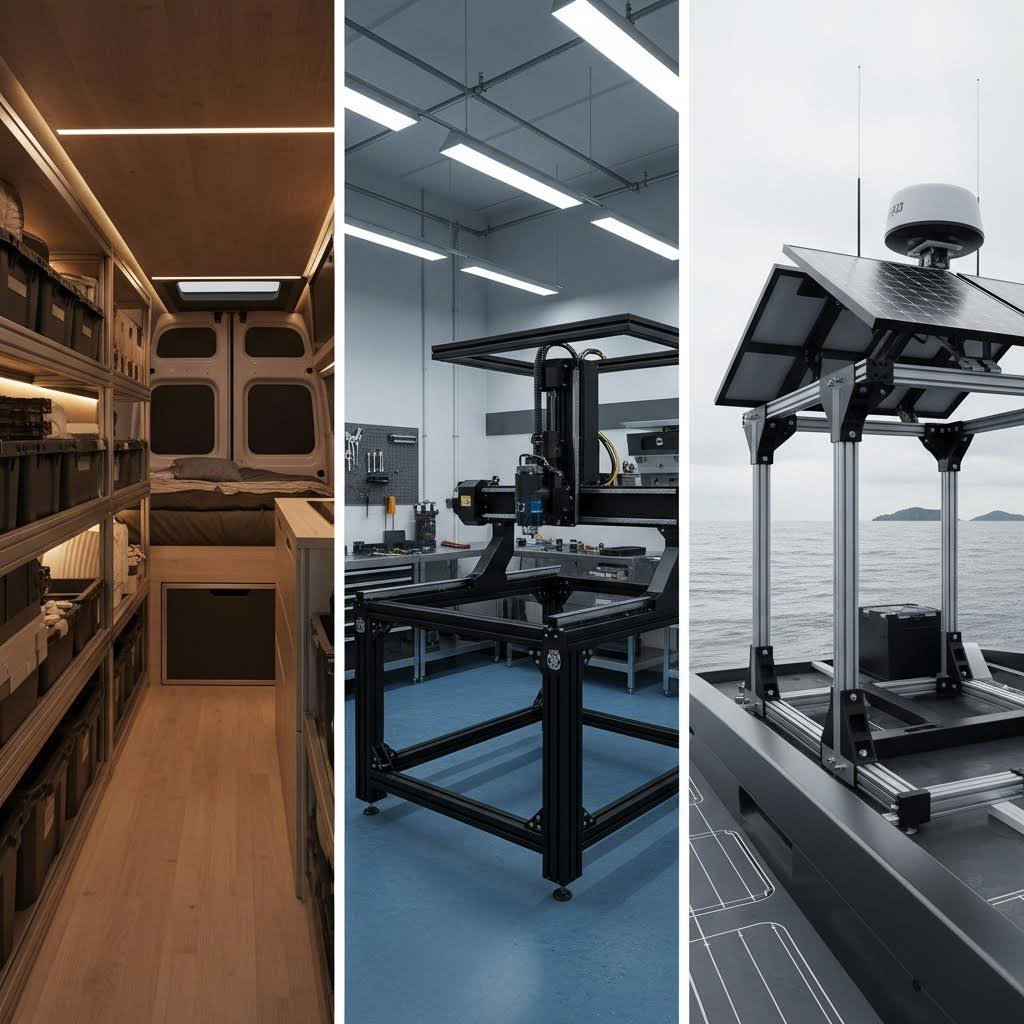
You've seen how each framing system performs across key metrics—but how does that translate to your actual project? Whether you're converting a cargo van into a mobile living space, building precision fixtures for your workshop, or designing equipment that will face harsh outdoor conditions, the right choice depends on your specific application. Let's break down exactly when each system shines and where it falls short for the most common build types.
Van conversions present a unique challenge: you need structural strength for cabinets, beds, and storage systems—but every pound you add affects fuel economy, payload capacity, and driving dynamics. According to AVC's van build specialists, the weight difference between steel and aluminum framing across a typical van installation amounts to roughly 25 pounds—a meaningful consideration when you're already tight on payload.
Here's what experienced van builders recommend:
The practical advice? Most successful van builds mix systems strategically. Use steel where strength matters most, aluminum where weight and adjustability take priority, and don't force a single system to handle every application.
Workshop fixtures and machine frames demand precision, rigidity, and often the ability to modify designs as your needs evolve. Think CNC router tables, assembly jigs, test fixtures, and custom workstations. According to A-Line Automation's manufacturing guide, aluminum framing has become essential across modern manufacturing specifically because of its modular nature and reconfiguration capability.
The key advantage for workshop applications? T-slot systems allow rapid prototyping and on-the-fly adjustments. Build a fixture, test it, modify the design, and iterate—all without scrapping components or requiring new fabrication.
Outdoor installations and marine environments represent the harshest test for any framing system. Salt spray, UV exposure, moisture cycling, and temperature extremes accelerate material degradation that might take decades in controlled indoor environments. Choosing wrong here costs more than inconvenience—it means structural failure and expensive replacement.
According to EZTube's material analysis, aluminum possesses natural corrosion resistance thanks to the oxide layer that forms upon air exposure. This layer protects against moisture and chemicals, making aluminum ideal for outdoor signage, marine environments, and architectural facades where durability over time is essential.
For outdoor applications, the slightly higher upfront cost of aluminum framing typically pays back within 5-7 years through eliminated maintenance, avoided replacement, and reduced inspection requirements.
When your framing will be visible to customers, clients, or the public, aesthetics matter alongside function. Trade show booths, retail fixtures, museum displays, and architectural elements require clean lines and professional finishes that industrial systems don't always deliver.
Sometimes raw load capacity trumps every other consideration. Electrical conduit runs, HVAC equipment support, pipe hangers, and seismic bracing systems demand maximum strength—and often must meet building code requirements that specify particular materials and installation methods.
With these application-specific recommendations established, you're equipped to match framing systems to your project requirements. But what if you're still weighing multiple options? Let's consolidate everything into clear final recommendations based on your primary project priorities.
You've explored the specifications, compared the trade-offs, and examined application-specific guidance. Now comes the decision that matters: which framing system should you actually choose? Rather than leaving you with abstract comparisons, let's translate everything into ranked, actionable recommendations based on what you prioritize most—whether that's maximizing value on a tight budget, achieving precision aesthetics, or engineering a custom solution for specialized demands.
When every dollar counts and you need reliable structural support without premium pricing, your decision becomes straightforward. Steel Unistrut delivers the best value for heavy-duty applications where weight and aesthetics take a back seat to performance and cost.
Consider steel Unistrut your go-to option when:
For budget-conscious projects requiring Unistrut's strength but facing weight or corrosion constraints, aluminium unistrut offers a middle path. Yes, it costs more upfront than steel—but eliminating ongoing coating maintenance and reducing installation labor can offset that premium over the project lifecycle, especially for rooftop solar mounting or coastal applications.
Budget tip: Steel Unistrut typically costs 50-70% less than equivalent aluminum options per linear foot. For large-scale industrial support runs where you're installing hundreds of feet of channel, that savings compounds significantly.
When your project demands clean lines, exact positioning, and the flexibility to modify designs without scrapping components, T-slot aluminum extrusion systems become the clear winner. The aluminum slotted channel design enables infinite adjustability that spring nut systems simply cannot match.
T-slot framing excels in these scenarios:
The aluminum t slide track channel design also delivers superior aesthetics. Anodized finishes in silver, black, or custom colors provide a professional appearance without painting. End caps, panel inserts, and integrated accessories create polished final products that steel channel simply cannot achieve.
Yes, T-slot systems carry higher material costs than steel Unistrut. But remember the total cost equation: faster assembly, no welding requirements, complete reusability, and reduced modification costs often deliver 20-30% savings over project lifecycles compared to welded steel alternatives.
What happens when standard profiles—whether steel channel, aluminum Unistrut, or catalog T-slot extrusions—simply cannot meet your project requirements? This is where custom aluminum extrusion transforms from a premium option into the only viable solution.
Custom extrusion becomes essential when you need:
According to industry specialists, custom extrusions that consolidate multiple standard components into purpose-built profiles can reduce assembly steps dramatically while eliminating potential failure points at joints. The upfront die investment—typically $500-$5,000 depending on complexity—amortizes quickly across production volumes.
For projects demanding custom profiles, specialized surface treatments, or high-volume production runs, partnering with an experienced manufacturer makes the difference between success and frustration. Shengxin Aluminium offers comprehensive support from initial concept through mass production—with 35 extrusion presses ranging from 600T to 5500T capacity handling everything from delicate precision profiles to heavy structural sections. Their technical team guides die development, while state-of-the-art CNC machining centers and extensive surface treatment options (including custom-color anodizing, powder coating, and PVDF) ensure your profiles meet exact specifications. Factory-direct pricing makes custom solutions accessible even for mid-volume projects.
Still weighing your options? Here's our final ranking based on primary project priorities:
Remember: no single system wins across every category. The best choice depends entirely on what your specific project demands. Use the comparison framework from this guide to identify which factors matter most—then select the framing system that delivers the best combination of performance, cost, and practicality for your build.
Unistrut offers several key advantages including high load capacity for heavy-duty applications, widespread availability through electrical distributors, and familiar installation methods using spring nut connections. The system eliminates welding and drilling, allowing attachments anywhere along the channel. Steel Unistrut provides the lowest upfront material cost among framing options, while the 100% adjustable and reusable connection system makes modifications straightforward without permanent alterations.
Extruded aluminum framing carries higher upfront material costs compared to steel alternatives—typically 2-3 times the price per linear foot. The system requires specific T-nuts, brackets, and connectors that aren't interchangeable with standard hardware. Newcomers face a learning curve understanding profile selection and connection methods. Aluminum also loses strength at elevated temperatures above 100°C and offers lower absolute load capacity than equivalent steel profiles pound-for-pound.
Unistrut is available in both steel and aluminum versions. Steel Unistrut remains the most popular option due to superior strength and lower cost, ideal for heavy-duty electrical and mechanical support applications. Aluminum Unistrut maintains the same channel profile and spring nut compatibility while offering approximately 65% weight reduction and natural corrosion resistance. Choose steel for maximum load capacity and budget efficiency, or aluminum for weight-sensitive and corrosive environments.
Steel Unistrut offers the most cost-effective alternative, typically costing 50-70% less than aluminum extrusion per linear foot. For budget-conscious projects where weight and precision positioning aren't critical, galvanized steel channel provides excellent load capacity at reasonable cost. Metallic-colored plastic profiles represent another option for light-duty applications. However, when factoring in total cost of ownership including labor, reusability, and maintenance, T-slot aluminum often delivers better long-term value despite higher material costs.
Choose T-slot aluminum extrusion when your project requires precise component positioning, infinite adjustability, or future reconfiguration capability. T-slot systems excel for machine frames, workstations, automation equipment, and consumer-facing displays where clean aesthetics matter. The modular design allows rapid prototyping and on-the-fly modifications using basic hand tools without welding. While material costs run higher, faster assembly, complete reusability, and reduced modification expenses often deliver 20-30% total project savings compared to welded alternatives.



 บริการออนไลน์
 0086 136 3563 2360
 sales@sxalu.com
 +86 136 3563 2360
 ไทย
ไทย English
 français
 Deutsch
 русский
 español
 português
 العربية
 Việt
Việt Українська