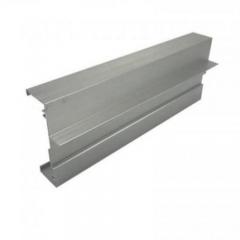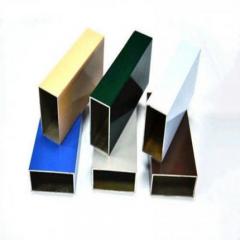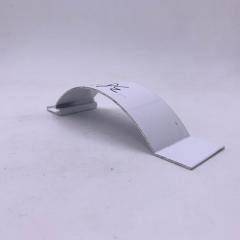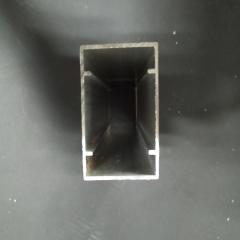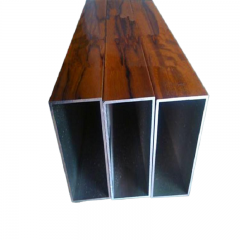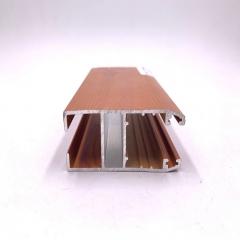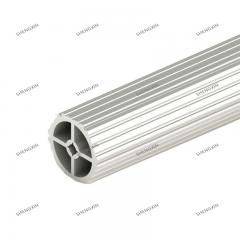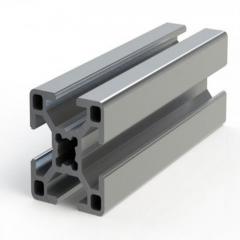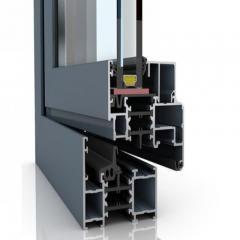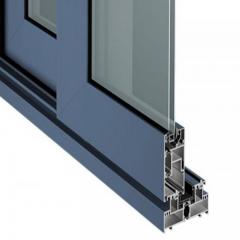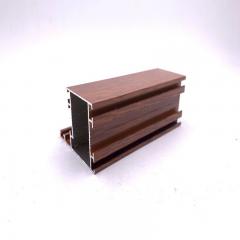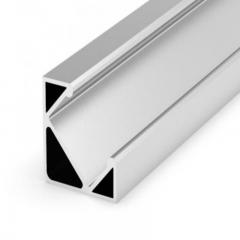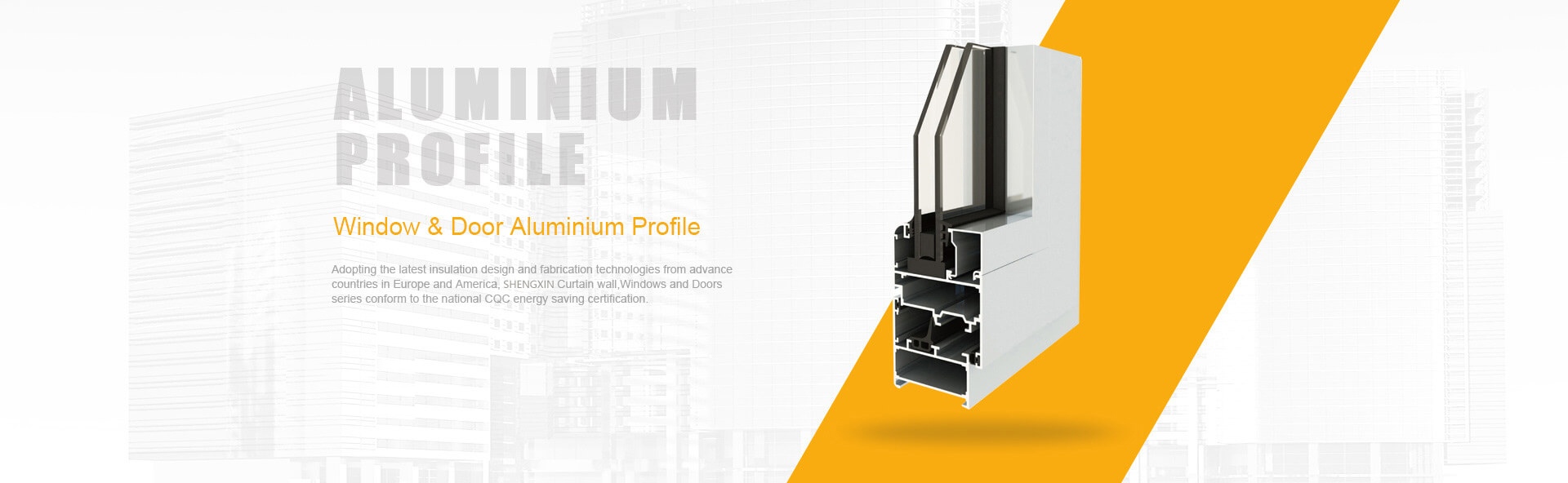
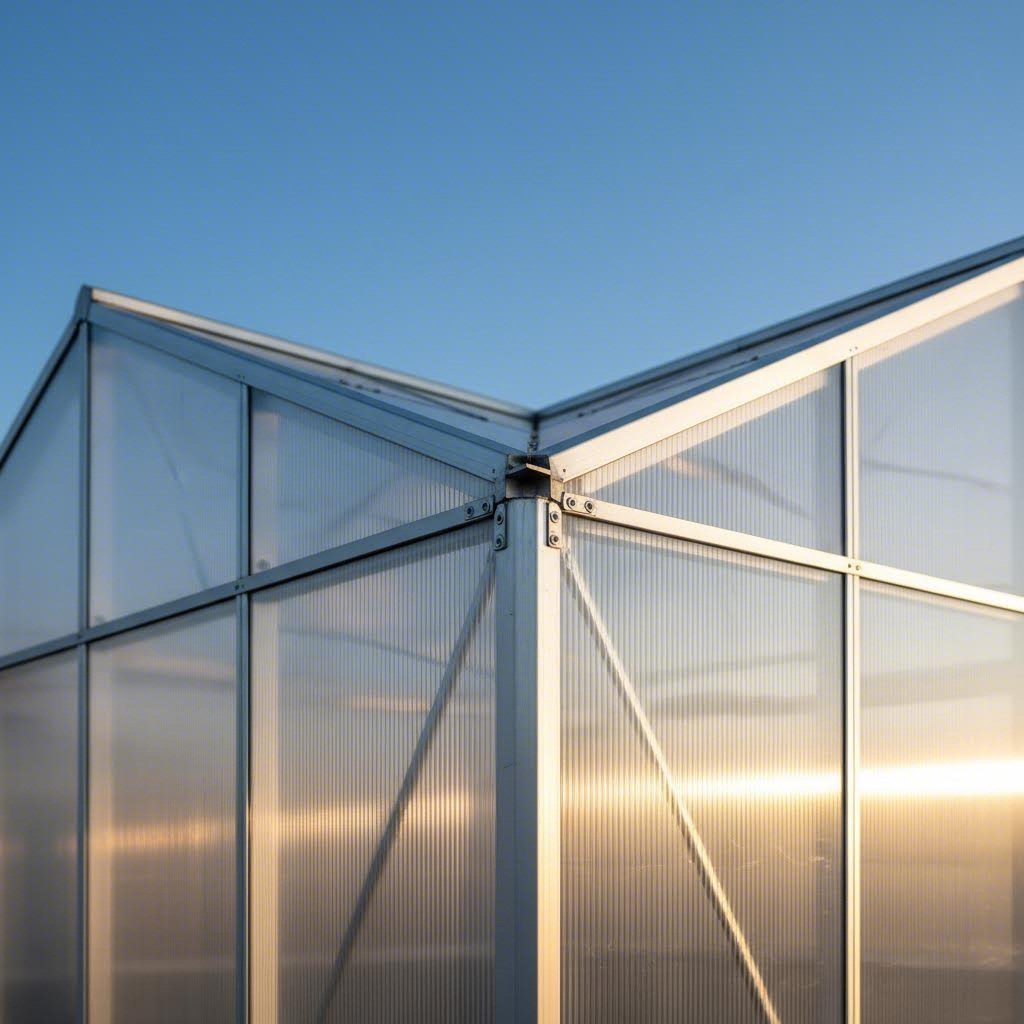
Have you ever noticed cracks forming around the edges of polycarbonate panels on greenhouses, skylights, or patio covers? Those frustrating failures often trace back to one critical oversight: using the wrong mounting system. Aluminum extrusions for polycarbonate sheets solve this problem by providing engineered profiles specifically designed to secure, protect, and support transparent polycarbonate panels in construction and glazing applications.
Think of these specialized aluminum profiles as the framework that holds everything together. They create secure mounting points along panel edges, form weather-tight seals against rain and wind, and deliver the structural support needed to withstand snow loads and impacts. Whether you're building a greenhouse, installing a skylight, or constructing a carport roof, these extruded aluminum components serve as the critical interface between your polycarbonate panels and the underlying structure.
An aluminum extrusion channel does more than simply hold a panel in place. According to technical installation guides from industry manufacturers, the sheet must be supported on all four edges with a minimum of 1/2 inch bearing on the base or frame. This proper edge support prevents stress concentration that leads to cracking.
Here's what happens when you use purpose-built aluminum h channel systems:
Why does aluminum pair so well with polycarbonate? The answer lies in complementary material properties that make this combination remarkably effective.
Aluminum brings natural corrosion resistance to outdoor applications. Unlike steel, it won't rust when exposed to rain, humidity, or condensation - a critical advantage since polycarbonate installations often involve moisture exposure. The metal's excellent strength-to-weight ratio means h channel aluminum profiles can span between purlins while remaining lightweight enough for easy handling during installation.
Fabrication flexibility matters too. Aluminum extrusion processes allow manufacturers to create complex cross-sectional shapes - including the precise channels, grooves, and flanges needed to grip polycarbonate edges securely. As noted by industry experts, aluminum extrusion is one of the easiest and most versatile materials to build with, requiring only simple hand tools for assembly.
The aluminium h channel design specifically addresses how polycarbonate behaves under real-world conditions. These profiles grip panel edges firmly while leaving calculated clearance for thermal movement - typically 1/16 inch between the panel edge and channel wall. This engineered tolerance prevents the buckling, cracking, and panel pop-out that plague improperly mounted installations.
Understanding these fundamentals prepares you to select the right profile types and installation methods for your specific project, which we'll explore in detail throughout this guide.
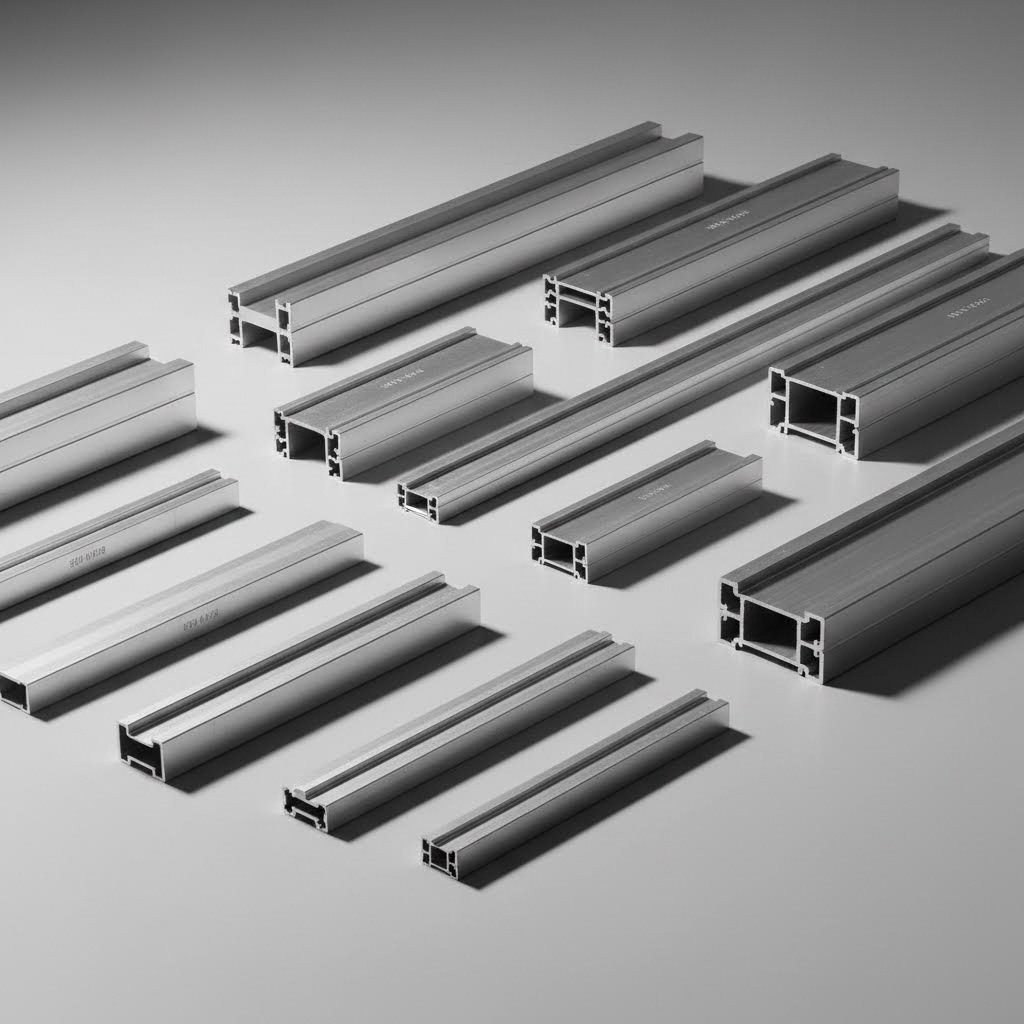
Choosing the right profile shape can mean the difference between a watertight, long-lasting installation and one that leaks, rattles, or cracks within the first year. Each extruded aluminum h channel type serves a distinct purpose in polycarbonate glazing systems. Let's break down exactly when and where to use each profile so you can match the right extrusion channel to your specific project needs.
Imagine you need to connect two polycarbonate sheets side by side on a greenhouse roof. That's precisely where h channel aluminum extrusion profiles shine. The H-profile features a center web with channels on both sides, allowing you to slide one panel into the left channel and an adjacent panel into the right channel.
This extruded channel design creates a clean, continuous joint between panels while maintaining weather resistance. According to industry glazing specialists, these connecting profiles come in several configurations including one-part polycarbonate H-connectors, polycarbonate base-and-cap systems, and aluminum base-and-cap options. The aluminum versions offer superior durability and load-bearing capacity compared to plastic alternatives.
When selecting an H-channel, you'll need to match the channel width to your polycarbonate thickness. A channel designed for 8mm sheets won't properly grip 16mm triplewall panels - the fit will be too loose, allowing movement and potential water infiltration. Conversely, forcing thick panels into undersized channels creates stress that leads to edge cracking.
Beyond H-profiles, you'll encounter several other extrusion channel types, each solving specific installation challenges:
U-Channels close off exposed panel ends. These profiles slide over the top and bottom edges of polycarbonate sheets to seal the internal flutes from dust, insects, and moisture. As installation guidelines note, you should put foil tape underneath the U-channels at sheet tops and vent tape under bottom U-channels, with 1/8-inch drain holes drilled in the bottom profile to allow condensation escape.
F-Channels work as transition profiles where polycarbonate meets walls or other structural elements. The F-shape provides a mounting flange that attaches to the structure while the channel portion grips the panel edge.
Base-and-Cap Systems offer the most robust solution for demanding applications. The base profile screws into rafters or purlins first, panels drop into the base channels, then a snap-on or screw-down cap locks everything in place. Glazing system manufacturers note that placing polycarbonate in a recessed groove base fitting provides secure fitting against weather conditions.
| Profile Type | Primary Function | Best Applications | Compatible Sheet Thicknesses |
|---|---|---|---|
| H-Channel | Joins adjacent panels edge-to-edge | Greenhouse walls, partition dividers, multi-panel roofs | 4mm, 6mm, 8mm, 10mm, 16mm (size-specific) |
| U-Channel | Seals exposed panel ends and flutes | Top and bottom terminations on all vertical installations | 4mm, 6mm, 8mm, 10mm, 16mm (size-specific) |
| F-Channel | Creates wall-to-panel transitions | Where panels meet walls, eaves, or structural members | 6mm, 8mm, 10mm, 16mm |
| Base-and-Cap | Provides maximum weather sealing and structural support | Skylights, carports, conservatory roofing, commercial glazing | 10mm, 16mm, 25mm multiwall |
Getting the right fit between your aluminum profiles and polycarbonate panels requires understanding standard thickness options. Multiwall polycarbonate sheets commonly come in 4mm, 6mm, 8mm, 10mm, and 16mm thicknesses, with specialty panels reaching 25mm or more.
Here's a practical matching guide:
According to glazing system specialists, rafter-supported bars can accommodate 10mm twinwall, 16mm triplewall, and 25mm multiwall polycarbonate sheeting when properly specified for the panel thickness.
One critical detail often overlooked: polycarbonate sheets should never be spliced horizontally. As installation experts emphasize, you should always run sheets vertically and use one sheet the entire length needed. This means your H-channel joints should only appear as vertical seams, not horizontal breaks that invite water infiltration.
With the right profile types identified for your project, the next critical factor to address is how these aluminum and polycarbonate materials behave differently as temperatures change throughout the seasons.
Here's a scenario you might recognize: a polycarbonate patio roof that looked perfect after installation suddenly develops ripples, cracks, or pops loose from its aluminum framing during the first hot summer. What went wrong? The answer lies in a fundamental physics principle that many installers underestimate - thermal expansion.
Polycarbonate expands approximately six times more than steel and eight times more than glass when temperatures rise. According to industry technical specifications, the linear thermal expansion coefficient of polycarbonate sheets is 7.0 x 10⁻⁵ cm/cm/°C. While that number seems small, its impact over a large panel and wide temperature swing becomes substantial. Fail to account for this movement, and you'll face buckling, stress cracking, or complete panel failure.
Imagine a 20-foot polycarbonate panel installed on a cool morning when temperatures hover around 50°F. By afternoon on a hot summer day, that panel's surface temperature can easily reach 158°F or higher in direct sunlight - a temperature swing of over 100°F. According to engineering guides for polycarbonate canopies, a single 65-foot sheet experiencing a 108°F temperature delta wants to expand by nearly 3 inches.
When panel edges are rigidly clamped in an h channel for polycarbonate without room to move, immense compressive stress builds up. The polycarbonate, with nowhere to go, will buckle, warp, or transfer that force to fasteners and the supporting aluminum framework. This creates a cascading failure pattern that damages both the panels and the extrusion system.
Watch for these warning signs of thermal stress problems:
Proper installation requires calculating how much your panels will actually move. The multiwall polycarbonate installation guide from AC Plastics provides a practical rule: allow for thermal expansion at a rate of 1/8 inch per 3 feet at 100-degree temperature differentials in both width and length of the sheet. Bronze-tinted panels require an additional 30% allowance because darker colors absorb more heat.
The thermal expansion coefficient for these calculations is 0.00000372 in/in/°F. Here's how to apply this in practice:
For example, a 6-foot wide panel experiencing a 100°F temperature swing needs approximately 1/4 inch of expansion room at each side edge. This clearance must be built into your aluminum channel selection - the channel depth should accommodate the panel plus this calculated movement space.
Well-designed extrusion systems address thermal movement through several mechanisms. Channel depth provides room for panels to slide in and out without binding. Gasket systems using EPDM or neoprene rubber compress and expand along with panel movement while maintaining weather seals. Slotted fastener holes allow screws to remain centered even as panels shift position.
Prevention strategies for thermal stress include:
Understanding thermal behavior prepares you to select the right applications for your specific climate conditions - from controlled greenhouse environments to exposed patio installations.
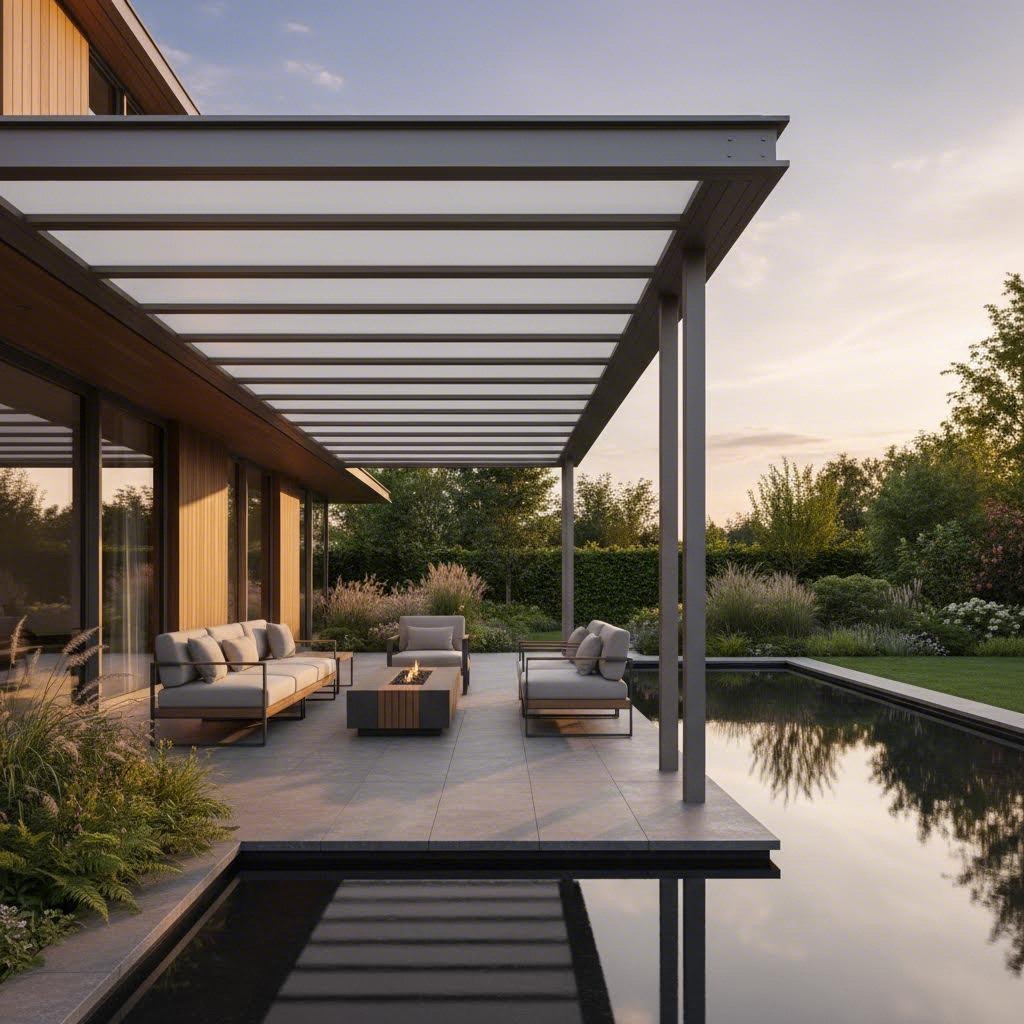
Now that you understand profile types and thermal behavior, let's explore how these aluminum systems perform in real-world settings. Each application presents unique challenges - from condensation control in humid greenhouse environments to snow load management on carport roofs. Matching the right aluminum h channel for polycarbonate to your specific project type ensures both performance and longevity.
Greenhouses demand more from their glazing systems than perhaps any other application. You're not just keeping weather out - you're actively managing an interior climate where temperature swings, humidity levels, and light transmission all affect plant health. Aluminium profiles greenhouse construction must address these complex requirements simultaneously.
Condensation presents the primary challenge. When warm, moist interior air meets cooler polycarbonate surfaces, water droplets form inside the multiwall flutes and along panel surfaces. According to greenhouse glazing specialists, specialized roof profiles with drainage features help channel this moisture away before it can drip onto plants or promote fungal growth.
Here's what proper greenhouse aluminum systems deliver:
For greenhouse walls, vertical mullion profiles provide structural support between panels while allowing easy panel replacement if damage occurs. Wall-specific profiles differ from roof applications, optimized for vertical glazing where water runs down rather than pooling.
Polycarbonate extrusion manufacturers design greenhouse-specific systems with these climate control features built in. The relationship between profile design and panel performance becomes especially critical in commercial growing operations where crop losses from improper moisture management quickly exceed the cost of quality aluminum framing.
Outdoor living spaces and vehicle protection structures face different challenges than climate-controlled greenhouses. Here, the priorities shift toward weather sealing, structural load capacity, and integration with existing buildings.
Patio Cover Considerations
When you're extending living space outdoors, your aluminum profile system becomes the first line of defense against weather. A proper patio roof installation requires:
Skylight Structural Integration
Skylights present unique waterproofing challenges because they penetrate the building envelope. As structural engineering experts note, proper flashing and high-quality sealants create an impenetrable shield against unpredictable weather, while achieving the right slope ensures efficient drainage.
Key skylight installation factors include:
According to skylight installation guidelines, incorporating gutters or channels further directs water away from the skylight, preventing potential leaks and ensuring a dry interior. Your aluminum framing system should facilitate this drainage rather than impeding it.
Carport Load-Bearing Requirements
Carports and vehicle shelters must handle significant loads that patio covers might avoid. Snow accumulation, in particular, demands careful attention to both polycarbonate panel specifications and supporting aluminum framework:
Weather sealing remains critical across all these applications. The AmeriLux installation guide emphasizes using only 100% silicone sealants for points where sheets meet the building exterior, as other caulking types may attack polycarbonate and cause premature failure.
Whether you're building a greenhouse, extending your patio, or protecting vehicles from the elements, success depends on matching application-specific requirements to the right aluminum profile systems - and then installing them correctly. The next section walks through that installation process step by step.
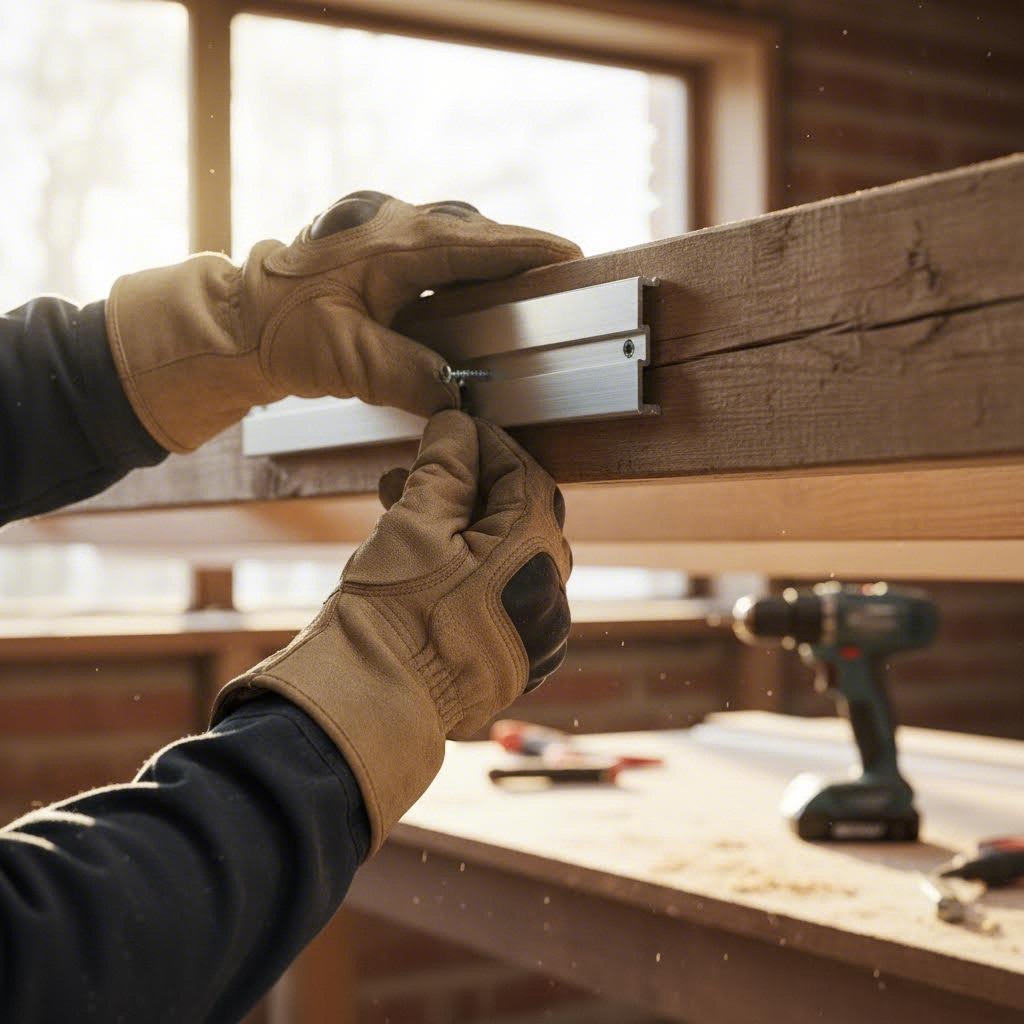
Ready to turn your aluminum extrusions and polycarbonate sheets into a finished project? The difference between a leak-free installation that lasts decades and one that fails within months often comes down to following the right sequence of steps. Whether you're a weekend DIYer tackling your first greenhouse or a professional installer working on commercial skylights, this guide walks you through the complete process from framework preparation to final weatherproofing.
Before you unpack a single aluminum profile, your supporting structure needs attention. Purlins - those horizontal beams that support your roofing panels - serve as the foundation for everything that follows. According to industry installation guides, purlins are crucial in polycarbonate roofing installation as they provide the structure that the panels are attached to.
Start with these framework preparation steps:
When measuring your aluminum extrusions for cutting, remember this critical detail: the channels need to accommodate thermal movement. Cut your profiles to span the full length of your installation, but leave calculated gaps at termination points based on the expansion allowances discussed earlier.
Here's a pro tip that saves headaches later: before cutting any aluminum, lay out your polycarbonate sheets in their final positions without fastening. This dry-fit reveals any measurement errors before you've committed to cuts that can't be undone.
With your framework ready, installation begins with the base profiles. For base-and-cap systems and most aluminum end cap configurations, this foundational step determines whether your finished project sheds water or collects it.
A common mistake at this stage involves forgetting condensation management. As installation guidelines note, the ends of polycarbonate panels should be protected to keep out dust and insects. Apply breathable tape to the bottom edge of panels before inserting them into end caps, and drill 1/8-inch drain holes in bottom profiles to allow moisture escape.
Now comes the moment you've been preparing for - installing your polycarbonate sheets into the waiting aluminum framework. This phase requires attention to both mechanical fastening and weatherproof sealing.
Fastener placement through polycarbonate requires specific techniques to prevent stress cracking. Here's what you need to know:
The final step creates your defense against water infiltration. But here's a critical warning: not all sealants work with polycarbonate. Some products contain solvents that attack the plastic, causing crazing, cracking, or complete failure.
According to Palram's comprehensive compatibility guide, verified silicone sealants compatible with polycarbonate include products from Dow Corning (795, 791-P, 794 series), GE (Silglase II, Silglase N), and Tremco (Tremasil 100). Always verify manufacturer compatibility before applying any sealant to your installation.
Apply sealant strategically:
Once your sealant has cured according to manufacturer specifications - typically 24 to 48 hours - remove the remaining protective film from your polycarbonate surfaces. Your installation is now complete and ready for service.
Even the most careful installation can encounter issues over time. Understanding how different surface finishes affect durability helps you choose aluminum profiles that will maintain their appearance and performance for years to come.
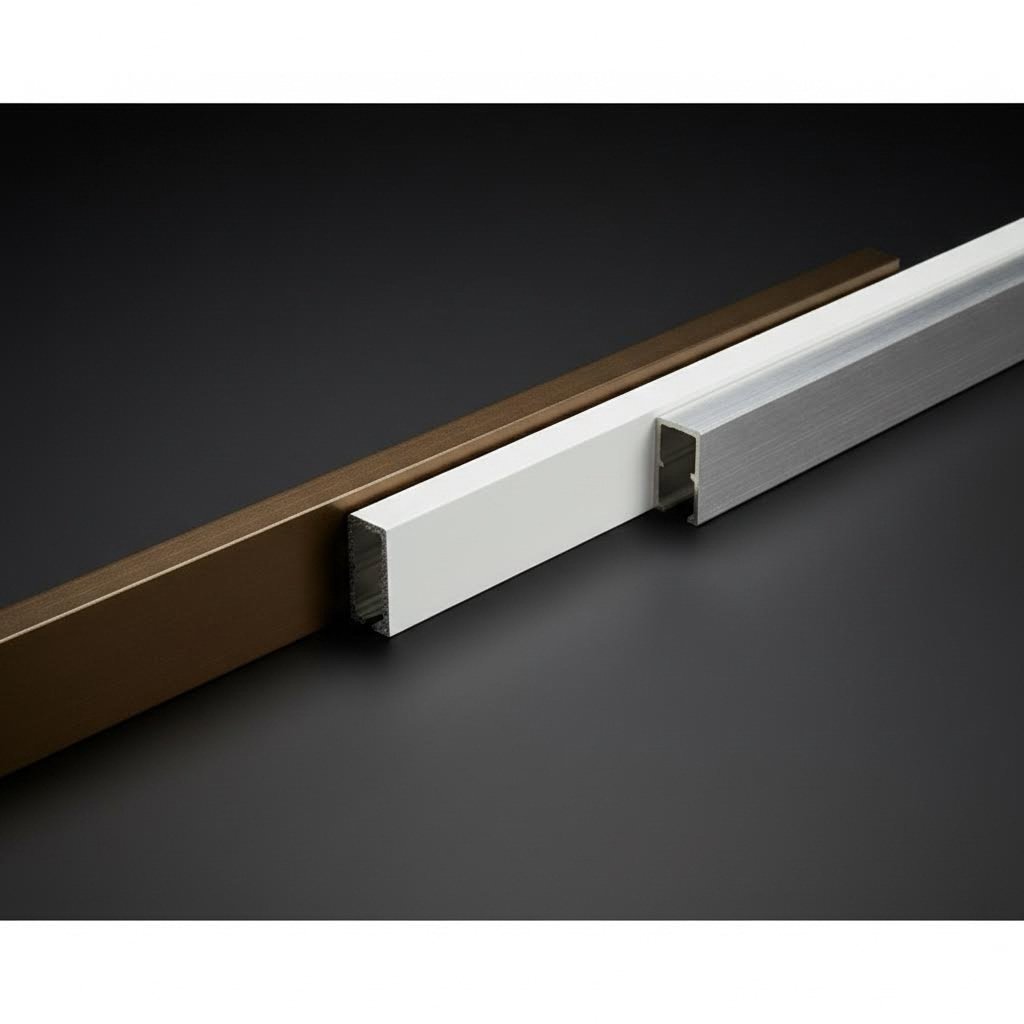
You've selected the right profile types, calculated thermal expansion allowances, and prepared for proper installation. But here's a question that often gets overlooked until it's too late: what finish should your aluminum extrusions have? The surface treatment you choose directly affects how long your polycarbonate glazing system maintains both its structural integrity and visual appeal - especially in demanding environments like coastal zones or high-UV regions.
Think of surface finishes as your aluminum's armor. A raw profile straight from the extrusion press will oxidize and discolor. The right finish prevents this degradation while adding aesthetic value that complements your project design. Let's explore your options and match them to real-world performance requirements.
Mill Finish (Raw Aluminum)
Mill finish refers to aluminum in its natural state after extrusion - no additional surface treatment applied. You'll recognize it by its slightly dull, silvery appearance with visible tool marks and minor surface variations. While economical, mill finish aluminum h bar and h extrusion profiles have limitations. The exposed aluminum will develop a thin oxide layer naturally, providing some corrosion resistance, but this inconsistent patina may not suit architectural applications where appearance matters.
Mill finish works best for:
Anodized Finishes
Anodizing transforms aluminum through an electrochemical process that thickens its natural oxide layer. Unlike paint or coating that sits on top of the metal, the anodized layer becomes part of the aluminum itself - it can't chip, peel, or flake off. According to industry finishing specialists, anodizing creates a highly durable finish that can last 10 to 15 years or more in extreme conditions like aerospace or marine environments.
The process involves submerging aluminum in an electrolyte bath while electrical current flows through the solution. This creates a protective oxide layer that's remarkably hard - rivaling diamond on the Mohs hardness scale at 9 out of 10. The porous nature of anodized aluminum allows it to absorb dyes for color finishing, though the palette remains more limited than powder coating, typically offering 10 to 20 metallic shades including bronze, silver, gold, and black.
Different anodizing types serve specific purposes:
Powder Coating
Powder coating applies dry powder electrostatically to aluminum surfaces, then cures the material in an oven where it melts into a smooth, durable layer. This process offers what anodizing cannot: virtually unlimited color options. Technical references note that powder coating provides over 100 colors and finishes, including matte, gloss, and textured choices.
The coating thickness - typically 2 to 8 mils - creates excellent impact and chip resistance. For aluminum h extrusion profiles on patio covers or carports where falling branches might strike the framework, this durability matters. Powder-coated finishes typically last 5 to 10 years in outdoor conditions, making them suitable for residential glazing projects where periodic refinishing is acceptable.
| Finish Type | Durability | Color Options | Cost Range | Best Applications |
|---|---|---|---|---|
| Mill Finish | 3-5 years outdoors | Natural silver only | Lowest | Concealed, temporary, indoor |
| Anodized (Type II) | 10-15+ years | 10-20 metallic shades | $5-$15/sq.ft. | Architectural, marine, industrial |
| Powder Coating | 5-10 years | 100+ colors and textures | $2-$8/sq.ft. | Residential, decorative, furniture |
| PVDF Coating | 20+ years | Wide range, metallic options | Higher than powder | Commercial facades, curtain walls |
Coastal Environments: Enhanced Corrosion Protection Required
Salt air accelerates aluminum corrosion dramatically. If your polycarbonate glazing project sits within miles of the ocean, finish selection becomes critical. According to architectural coating specialists, the most reliable options for coastal applications include high-performance 70 percent fluoropolymer coatings (PVDF) or AAMA 611-20 anodized finishes.
PVDF coatings use carbon-fluorine bonds - among the strongest chemical bonds known - to resist UV radiation, salt spray, and atmospheric pollutants. Technical specifications indicate PVDF coating service life exceeds 20 years, far outpacing standard powder coating in aggressive environments. The coating thickness of 35-60 micrometers provides a formidable barrier against corrosive elements while maintaining color stability.
For coastal installations, proper pretreatment matters as much as the finish itself. Industry standards note that chrome phosphate conversion coatings remain the most effective, robust pretreatments for aluminum in marine environments. Without proper pretreatment, even premium finishes may experience premature failure.
Architectural Applications: Color and Aesthetics
When your aluminum h bar profiles will be visible as design elements - perhaps framing a glass-enclosed sunroom or a modern patio cover - color matching becomes essential. Powder coating's extensive palette makes it the default choice for projects requiring specific Pantone matches or custom hues.
For architectural projects demanding both durability and distinctive appearance, specialized manufacturers offer advanced surface treatment options. Custom anodizing can achieve unique colors like Champagne and Rose Gold, while powder coating, PVDF, and micro-arc oxidation provide additional paths to both enhanced durability and specific aesthetic requirements. Shengxin Aluminium's surface treatment capabilities exemplify the comprehensive finishing options available from manufacturers equipped to handle diverse project specifications - from standard architectural anodizing to specialized coatings for demanding environments.
Industrial Settings: Function Over Form
Industrial applications - warehouse skylights, agricultural greenhouse systems, manufacturing facility covers - prioritize performance over appearance. Here, Type III hardcoat anodizing often makes sense despite its higher cost. The extreme abrasion resistance handles equipment contact, chemical exposure, and years of minimal maintenance.
For 3030 aluminum extrusion black 8 feet profiles and similar industrial-scale components, black anodizing or dark powder coating also serves practical purposes beyond aesthetics. Dark finishes reduce glare, hide accumulated grime between cleanings, and absorb heat - which can benefit greenhouse applications in cooler climates.
Both anodizing and powder coating offer environmental advantages over traditional wet painting. According to finishing industry analysis, neither process emits harmful volatile organic compounds (VOCs), and powder coating overspray can be collected and reused. However, powder coating's high-temperature curing process requires more energy than anodizing.
Budget considerations often favor powder coating for large-scale residential projects - at $2 to $8 per square foot compared to $5 to $15 for anodizing. But lifecycle cost analysis may shift this calculation. Anodized finishes lasting 10-15+ years versus powder coating's 5-10 year lifespan means fewer refinishing cycles over a structure's lifetime.
When selecting finishes for polycarbonate glazing systems, match your aluminum's surface treatment to your environment's demands. Coastal projects need PVDF or Class I anodizing. Architectural applications benefit from powder coating's color range. Industrial settings warrant hardcoat anodizing's durability.
Whatever finish you select, proper maintenance extends its service life. Regular cleaning with mild detergent removes salt deposits and atmospheric pollutants before they can damage the protective layer. This simple practice helps your aluminum profiles - and the polycarbonate panels they support - maintain their intended appearance and performance for years to come.
Even with optimal finish selection and careful installation, problems can occasionally develop. Understanding common issues and their solutions helps you diagnose and address concerns before they escalate into costly failures.
Even the most carefully planned polycarbonate glazing project can develop issues over time - or immediately after installation if critical details were overlooked. The good news? Most problems stem from a handful of preventable mistakes. Whether you're diagnosing an existing issue or trying to avoid future headaches, understanding these common failures and their solutions will save you time, money, and frustration.
Let's start with the errors that cause the majority of polycarbonate glazing failures. Recognizing these pitfalls before you begin - or while there's still time to correct course - prevents problems that otherwise become permanent.
When issues appear in an existing installation, accurate diagnosis guides you toward the right solution. Here's what to look for and how to address each problem:
Water Infiltration
Water leaking through your polycarbonate roof or wall system typically traces to one of several causes. According to roofing repair specialists, timely repairs play a pivotal role in extending the lifespan of your polycarbonate roof - neglecting small issues can lead to more significant problems affecting the structural integrity of the entire roofing system.
Panel Rattling
Loose panels that vibrate in wind indicate insufficient clamping pressure or worn gasket materials.
Visible Gaps
Gaps appearing between panels and aluminum profiles often signal thermal movement issues or installation errors.
Cracking at Fastener Points
Cracks radiating from screw locations represent stress failures that compromise both appearance and weather resistance. As polycarbonate troubleshooting guides note, polycarbonate is highly durable but can crack under certain conditions, especially if exposed to extreme temperatures or physical stress.
Premature Seal Failure
Sealants cracking, peeling, or losing adhesion before their expected lifespan indicates compatibility or application problems.
For those searching aluminum extrusions for sale to replace damaged components, matching the exact profile dimensions and finish ensures seamless integration with existing framework. Keep a sample of your original profiles when sourcing replacements to verify compatibility before ordering.
Prevention always costs less than repair. Taking time to verify proper installation techniques, compatible materials, and adequate expansion allowances protects your investment for years to come.
Understanding these common problems prepares you to make informed decisions when selecting and sourcing aluminum profiles for your next polycarbonate project - ensuring you choose components that meet your specific requirements from the start.
You've mastered profile types, thermal expansion calculations, installation techniques, and troubleshooting strategies. Now comes the practical question: where do you actually buy aluminum extrusions that meet your project specifications? Whether you need a few standard H-channels for a backyard greenhouse or thousands of custom profiles for a commercial glazing contract, your sourcing decisions directly impact project success, timeline, and budget.
Finding the right supplier involves more than comparing prices. You're evaluating manufacturing capabilities, quality systems, and long-term partnership potential. Let's walk through a decision framework that matches your specific requirements to the best sourcing options available.
Before you start contacting suppliers or browsing online catalogs, clarify exactly what your project demands. This self-assessment prevents costly mismatches between what you order and what you actually need.
Project Type Considerations
Load and Structural Requirements
Aesthetic Preferences
Budget Considerations
Quantity Needs
Where to buy extruded aluminum depends largely on your quantity requirements, customization needs, and timeline constraints. Each sourcing channel offers distinct advantages.
Local Hardware and Building Supply Stores
For immediate availability and small quantities, local retailers stock basic aluminum profiles suitable for simple projects. You can inspect products before purchase and avoid shipping delays. However, selection is limited to common sizes, finishes are typically mill or basic anodized, and pricing tends higher than wholesale sources.
Online Metal Distributors
E-commerce platforms specializing in metals offer broader selection than local stores with convenient ordering. Many provide cut-to-length services and ship directly to your site. When searching where to buy aluminum extrusion online, verify the supplier's reputation, return policies, and shipping costs before ordering - freight on heavy aluminum can surprise budget-conscious buyers.
Regional Metal Service Centers
Metal service centers bridge the gap between retail and wholesale. They stock inventory from multiple manufacturers, offer cutting and basic fabrication, and can source special items from their supplier networks. For medium-scale projects, these distributors often provide the best combination of selection, service, and pricing.
Direct Manufacturer Relationships
For large-scale projects or those requiring custom profiles, working directly with custom aluminum extrusion suppliers delivers significant advantages. According to industry sourcing guides, a qualified aluminum extrusion supplier offers much more than extruded profiles - they provide engineering collaboration, quality assurance, and integrated production capabilities that align with your business goals.
When evaluating manufacturers, assess these critical capabilities:
| Capability | Why It Matters | Questions to Ask |
|---|---|---|
| Custom Die Development | Enables profiles matched exactly to your application requirements | What is die lead time and cost? Do you assist with design optimization? |
| Press Capacity Range | Determines profile size limits and production volume capability | What tonnage presses do you operate? What's the maximum circle size? |
| CNC Machining Services | Delivers precise cutting, drilling, and secondary operations | Can you provide cut-to-length, drilled, and ready-to-install profiles? |
| Surface Treatment Options | Ensures finish durability and aesthetic requirements are met | What anodizing, powder coating, or specialty finishes do you offer? |
| Quality Certifications | Validates consistent processes and material traceability | Are you ISO 9001 certified? What testing do you perform? |
| Technical Support | Helps optimize designs for manufacturability and performance | Do engineers review designs before production? What support is available? |
Evaluating Manufacturer Capabilities
Production scale matters when sourcing custom profiles. As supplier evaluation guides note, you should review the supplier's extrusion press tonnage, die library, and machining centers to confirm they can produce large profiles, tight-tolerance micro-profiles, or high-volume runs without delays.
For polycarbonate glazing applications specifically, look for manufacturers experienced in architectural and construction profiles. They understand the tolerance requirements, surface finish expectations, and structural demands these applications require. Shengxin Aluminium exemplifies the manufacturing depth to evaluate - with over 30 years of industry experience and 35 extrusion presses ranging from 600T to 5500T capacity, such manufacturers can handle everything from standard H-channels to complex custom profiles requiring precise CNC machining and specialized surface treatments.
Beyond production equipment, comprehensive technical support distinguishes quality suppliers. The best manufacturers provide end-to-end assistance from die development through mass production, helping you optimize designs for manufacturability while meeting performance specifications. This collaborative approach often identifies cost savings or performance improvements you might not discover working with less engaged suppliers.
Quality Verification Before Committing
According to sourcing best practices, before committing to a full contract, request physical samples to validate extrusion precision, surface finish, and material consistency. Ask for quality certificates, audit reports, or production videos to verify claims. This verification step prevents costly surprises when your full order arrives.
Key quality indicators to verify include:
The right aluminum extrusion supplier becomes a long-term partner in your projects, not just a vendor filling orders. Invest time in evaluation upfront to build relationships that deliver consistent quality and responsive support for years to come.
Whether you source standard profiles from local distributors or partner with specialized manufacturers for custom extrusions, the framework above helps you match your specific requirements - project type, loads, aesthetics, budget, and quantity - to the sourcing channel that delivers the best value. Armed with this knowledge and the installation expertise covered throughout this guide, you're prepared to execute polycarbonate glazing projects that perform flawlessly for decades.
The best aluminum H channel depends on your polycarbonate sheet thickness and application. For standard 8mm greenhouse glazing, use 8mm-specific H-channels that grip both panels while allowing thermal expansion clearance of approximately 1/16 inch. For heavier 16mm triplewall panels used in skylights or carports, opt for base-and-cap systems that provide superior weather sealing and structural support. Always match channel width precisely to panel thickness - undersized channels cause stress cracking, while oversized ones allow unwanted movement and water infiltration.
Aluminum extrusion pricing varies based on profile type, finish, and quantity. Standard H-channels typically range from $20-$45 per 6-8 foot section, while premium base-and-cap systems may cost $275 or more for specialized profiles. Anodized finishes add $5-$15 per square foot, and powder coating runs $2-$8 per square foot. For large projects, working with manufacturers like Shengxin Aluminium offering factory-direct pricing and custom extrusion capabilities can reduce costs significantly compared to retail purchases.
Prevent cracking by accounting for thermal expansion - polycarbonate expands approximately eight times more than glass. Leave 1/8 inch expansion gap per 3 feet of panel length at 100-degree temperature differentials. Pre-drill fastener holes 50% larger than screw shanks, use EPDM washers to distribute load, and never overtighten screws. Position fasteners at least 1.5 inches from panel edges and avoid placing them through raised ribs on corrugated panels where stress concentrates.
Yes, aluminum extrusions excel in outdoor polycarbonate roofing applications due to their natural corrosion resistance and strength-to-weight ratio. For coastal environments, choose PVDF-coated or Class I anodized profiles rated for 20+ years of salt air exposure. Standard powder-coated finishes work well for residential patio covers and carports, lasting 5-10 years. Ensure your system includes proper drainage channels, compatible sealants, and adequate slope (minimum 3:12 pitch) for effective water management.
For small quantities, local hardware stores and online metal distributors stock standard profiles. Medium-scale projects benefit from regional metal service centers offering cut-to-length services. For custom profiles or large orders, work directly with specialized manufacturers who provide die development, CNC machining, and comprehensive surface treatments. Shengxin Aluminium, with 35 extrusion presses and over 30 years of experience, offers factory-direct pricing on custom aluminum profiles with anodizing, powder coating, and PVDF finish options.



 บริการออนไลน์
 0086 136 3563 2360
 sales@sxalu.com
 +86 136 3563 2360
 ไทย
ไทย English
 français
 Deutsch
 русский
 español
 português
 العربية
 Việt
Việt Українська