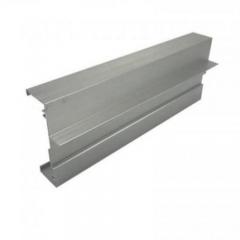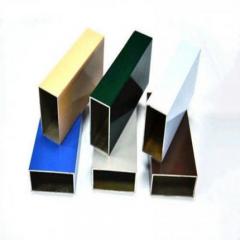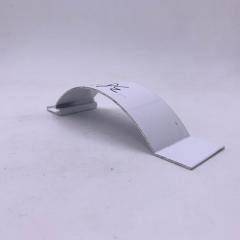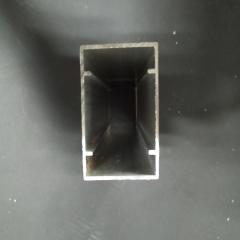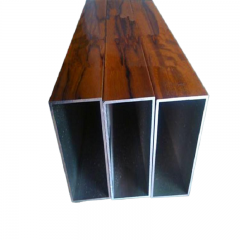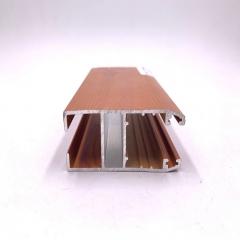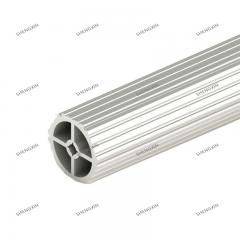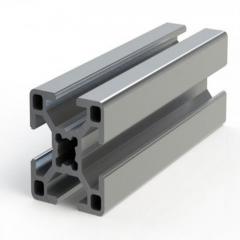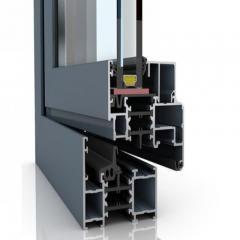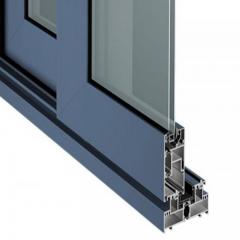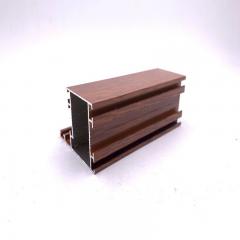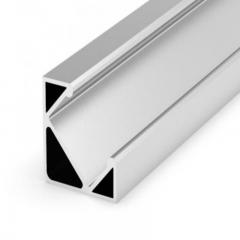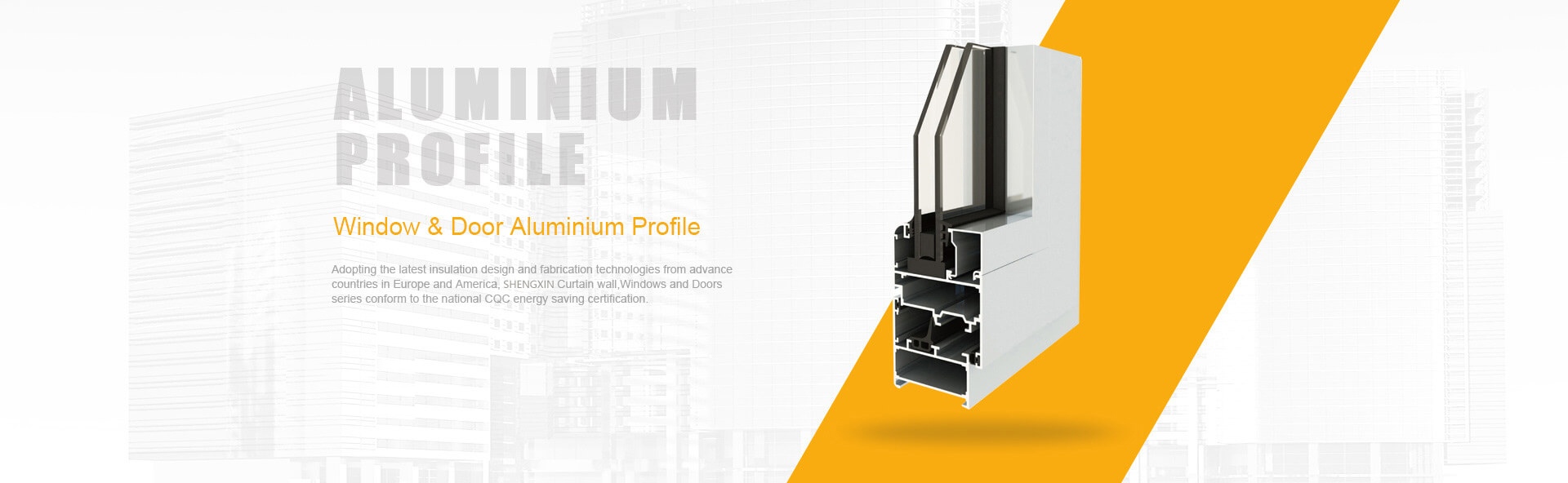
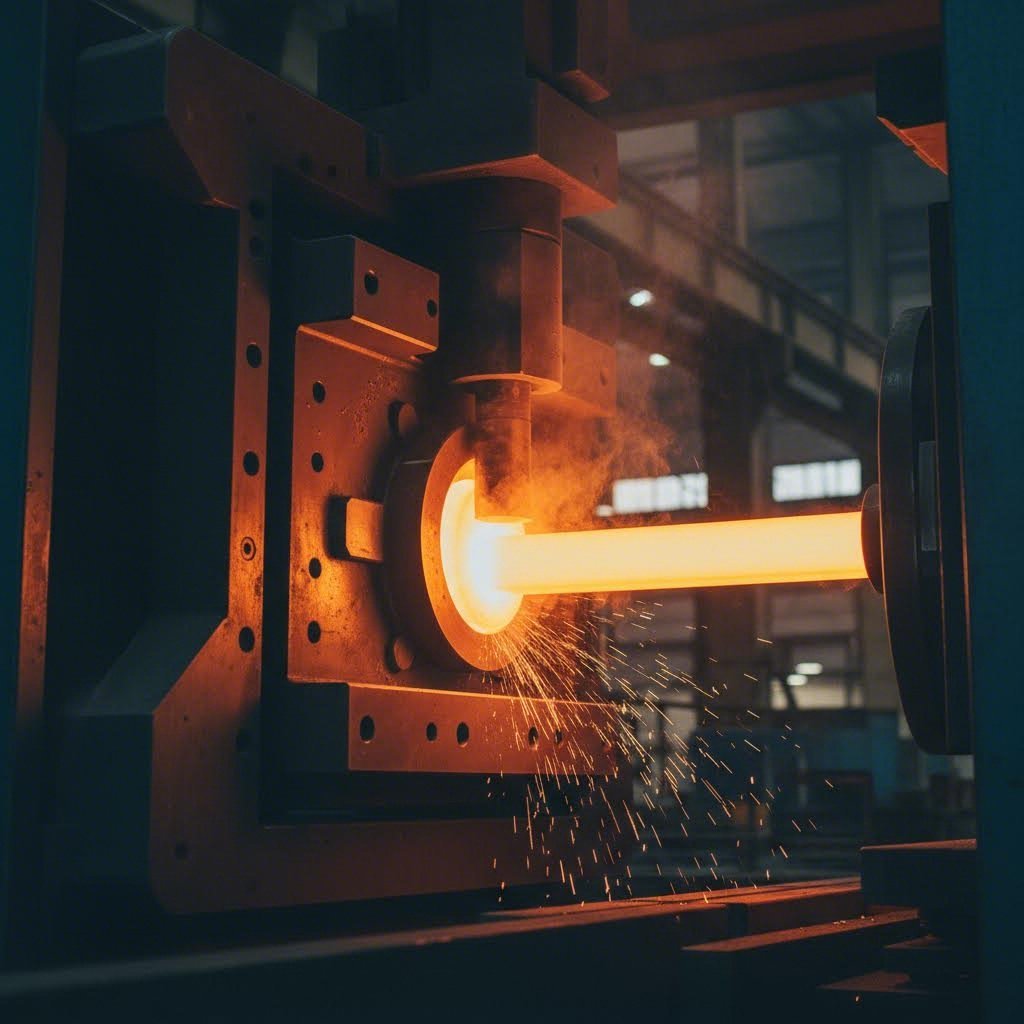
Ever squeezed toothpaste from a tube and watched it emerge in that perfect, consistent shape? That simple action holds the key to understanding one of manufacturing's most versatile processes. So, what is aluminum extrusion exactly? It's a fabrication process that forces heated aluminum alloy through a custom-shaped steel die to produce continuous profiles with consistent cross-sections. Think of it as industrial-scale toothpaste squeezing—except instead of minty gel, you're shaping solid metal into everything from window frames to automotive components.
Aluminum extrusion definition: A manufacturing process where a heated aluminum billet is pushed through a shaped die opening using hydraulic pressure, creating profiles with precise, uniform cross-sections that can be solid, hollow, or semi-hollow.
Imagine you could design the opening of a toothpaste tube in any shape you wanted—a star, a complex channel, or even a hollow tube with internal chambers. Now picture pushing material through that opening with enough force to maintain perfect consistency along its entire length. That's precisely how aluminum extrusion works, just with considerably more pressure and heat involved.
When you define extruded aluminum, you're describing metal that has been transformed through this elegant principle. A cylindrical aluminum log, called a billet, gets heated until it becomes soft and malleable—though not quite molten. Then, a powerful hydraulic ram pushes this pliable metal through a hardened steel die. The aluminum emerges on the other side, perfectly shaped to match the die's cross-section.
What makes this process remarkable is its ability to create complex geometries that would be impossible or prohibitively expensive with other manufacturing methods. Internal channels, integrated mounting features, and intricate architectural details all become achievable in a single extrusion pass.
Understanding what is an aluminum extrusion requires looking beyond just the shaping moment. The process begins with carefully selected aluminum alloys—typically from the 6000 series—cast into cylindrical billets. These billets are preheated to temperatures between 800 and 925°F, making the metal soft enough to flow while maintaining its structural integrity.
Why does this matter for modern manufacturing? Consider these advantages that extruded aluminum delivers:
The resulting profiles can be solid bars and angles, hollow tubes and channels, or intricate semi-hollow shapes with both open and enclosed sections. This versatility explains why aluminum extrusion has become foundational across industries—from the smartphone in your pocket to the building you're sitting in.
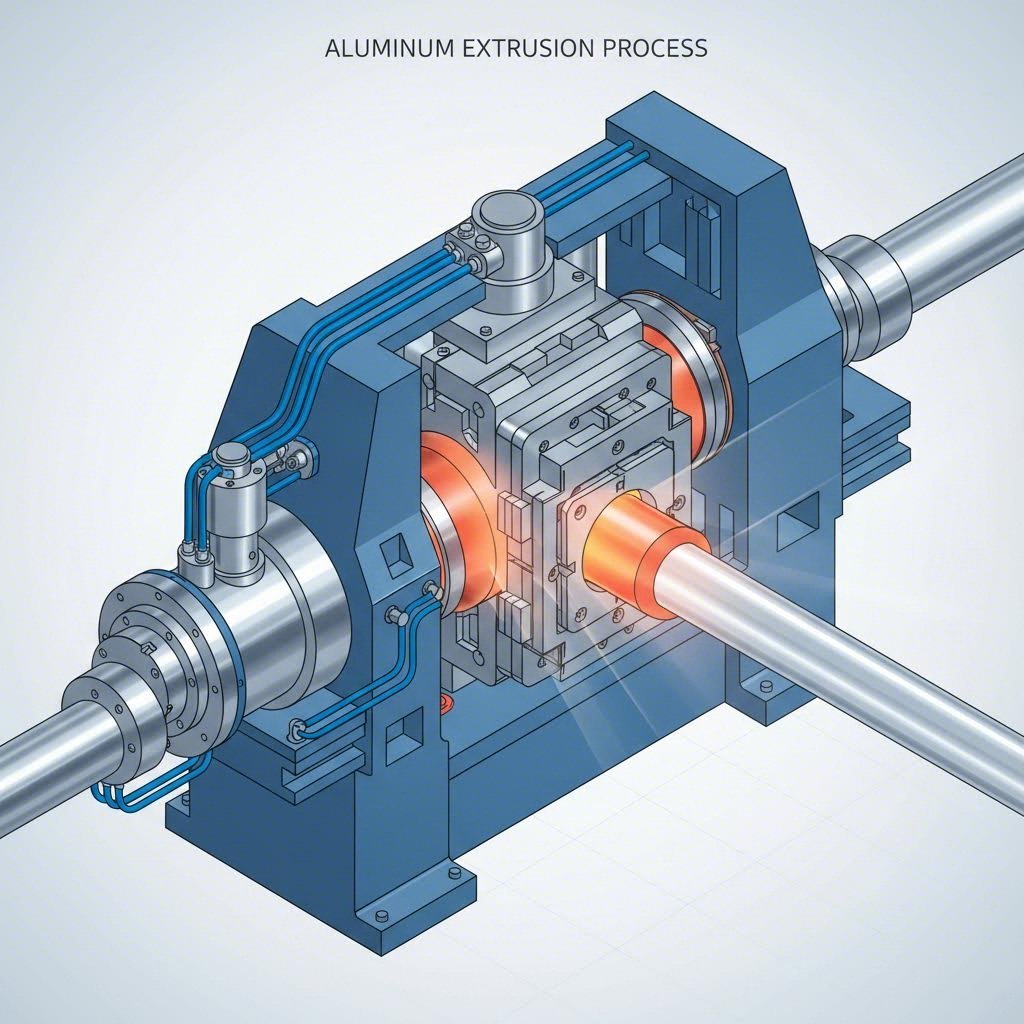
Now that you understand the basic concept, let's explore exactly how aluminum extrusion is made—from the moment raw material enters the facility to when finished profiles roll off the production line. The aluminum extrusion process follows a precise sequence where each stage directly impacts the quality, strength, and dimensional accuracy of the final product.
Every extrusion begins with the billet—a solid cylindrical log of aluminum alloy cut from a longer cast log. Before any shaping can occur, this billet must be heated to the optimal temperature range of approximately 800-925°F (400-500°C). Why this specific range? At these temperatures, aluminum becomes malleable enough to flow through complex die shapes while remaining solid enough to maintain structural integrity.
Meanwhile, the extrusion die itself gets preheated to around 450-500°C. This step isn't optional—it ensures even metal flow and significantly extends the die's working life. Think of it like warming a butter dish before spreading; the material moves more smoothly when everything reaches the right temperature.
Here's where the magic happens. The heated billet transfers into a thick-walled container within the aluminum extrusion press. A powerful hydraulic ram then applies tremendous pressure—up to 15,000 tons in some cases—pushing the softened aluminum forward.
How does aluminum extrusion work at this critical moment? As pressure builds, the aluminum has nowhere to go except through the die opening. It expands to fill the container walls, then squeezes through the precisely machined die aperture. The metal emerges on the other side as a continuous profile matching the die's exact shape.
Extrusion press capacity matters significantly here. Presses are rated by tonnage, typically ranging from small 600-ton units to massive 5,500-ton machines. Larger presses can produce bigger profiles, more complex hollow sections, and shapes with thinner wall thicknesses. The press capacity essentially determines what's possible for any given project.
As the newly formed profile exits the die, it's grabbed by a puller mechanism that guides it along a runout table. Immediate cooling begins through either air fans or water quenching—a process called "quenching" that locks in the material's metallurgical properties. The cooling method selected depends on the alloy and desired temper characteristics.
Once the profile reaches full table length, a hot saw cuts it free from the still-extruding material. But the extrusion process isn't finished yet. After reaching room temperature, most profiles require stretching to correct any twisting or bowing that occurred during cooling.
Understanding how to cut aluminum extrusion properly matters for final product quality. The initial hot saw cut occurs while the metal is warm and still somewhat soft. Final precision cuts happen after stretching, when the profile has stabilized dimensionally. This two-stage approach ensures clean ends without deforming the carefully formed profile shape.
With profiles now cut, straightened, and heat-treated, they're ready for the finishing processes that transform raw extrusions into polished, corrosion-resistant components. But first, you'll need to understand which aluminum alloys best suit your specific application requirements.
Choosing the right aluminum extrusion material isn't just a technical detail—it fundamentally determines how your finished product will perform, look, and last. While the extrusion of aluminium alloys follows the same basic process regardless of alloy type, the specific alloy you select influences everything from surface finish quality to structural strength and weldability.
Not all aluminum alloys are suitable for the aluminium extrusion process. Generally, three series dominate extrusion applications: the 1000, 6000, and 7000 series. However, the 6000 series stands out for its excellent extrudability, heat treatability, and corrosion resistance—making it the go-to choice for most aluminum extrusion profiles across industries.
If you've ever admired a sleek aluminum window frame or a polished storefront entrance, you've likely encountered 6063 aluminum. This alloy holds the title as the most popular extruded aluminum alloy worldwide, and for good reason.
What makes 6063 special? Its unique composition—using magnesium and silicon as primary alloying elements—allows it to form into complex shapes with exceptionally smooth surfaces. This characteristic makes 6063 ideal for anodizing, powder coating, and other decorative finishes where appearance matters.
You'll find 6063 aluminum alloy extrusion in applications where aesthetics take priority over maximum strength:
The trade-off? 6063 doesn't match the strength levels of its 6061 cousin. For projects where structural demands are moderate and visual appeal is paramount, this rarely presents a problem.
Need more muscle from your extrusion? That's where 6061 aluminum enters the picture. As the second most popular extrusion alloy, 6061 offers significantly higher strength while maintaining good workability—a combination that's made it indispensable since its development in 1935 for the aircraft industry.
Like 6063, this extruded aluminum alloy uses magnesium and silicon as its major alloying elements. The difference lies in the proportions and heat treatment response, resulting in notably higher tensile strength. With tensile strength ranging from 124-290 MPa compared to 6063's 145-186 MPa range, 6061 handles heavier loads and greater stress.
Where does 6061 shine? Consider these common applications:
6061 also accepts applied coatings well and offers excellent machinability—important factors when your aluminum extrusion profiles require secondary operations like drilling, milling, or welding.
So how do you decide between these options? The answer depends on balancing your priorities across several key characteristics. The table below compares the three most common extrusion alloys to help you match properties to your specific needs:
| Property | 6063 | 6061 | 6005 |
|---|---|---|---|
| Tensile Strength | 145-186 MPa | 124-290 MPa | 190-270 MPa |
| Extrudability Rating | Excellent | Good | Very Good |
| Surface Finish Quality | Excellent (best for anodizing) | Good | Very Good |
| Weldability | Very Good | Good | Good |
| Corrosion Resistance | Excellent | Good to Excellent | Very Good |
| Typical Applications | Architectural, window frames, decorative trim, furniture | Structural, aerospace, automotive, marine, machine frames | Transportation, ladders, structural where moderate strength meets good finish |
6005 alloy deserves mention as the balanced middle ground. It delivers strength closer to 6061 while offering surface finish quality approaching 6063. Transportation applications—particularly rail cars and truck trailers—frequently specify 6005 for this reason.
Remember that alloy selection affects more than just mechanical properties. The extrusion of aluminium alloys with different compositions influences die wear rates, extrusion speeds, and even the range of wall thicknesses achievable. Experienced suppliers can guide you toward the optimal alloy based on your complete requirements—from initial extrusion through surface finishing and final fabrication.
With the right alloy selected for your project, the next consideration becomes profile geometry. The shapes and configurations possible through extrusion open design possibilities that other manufacturing methods simply cannot match.
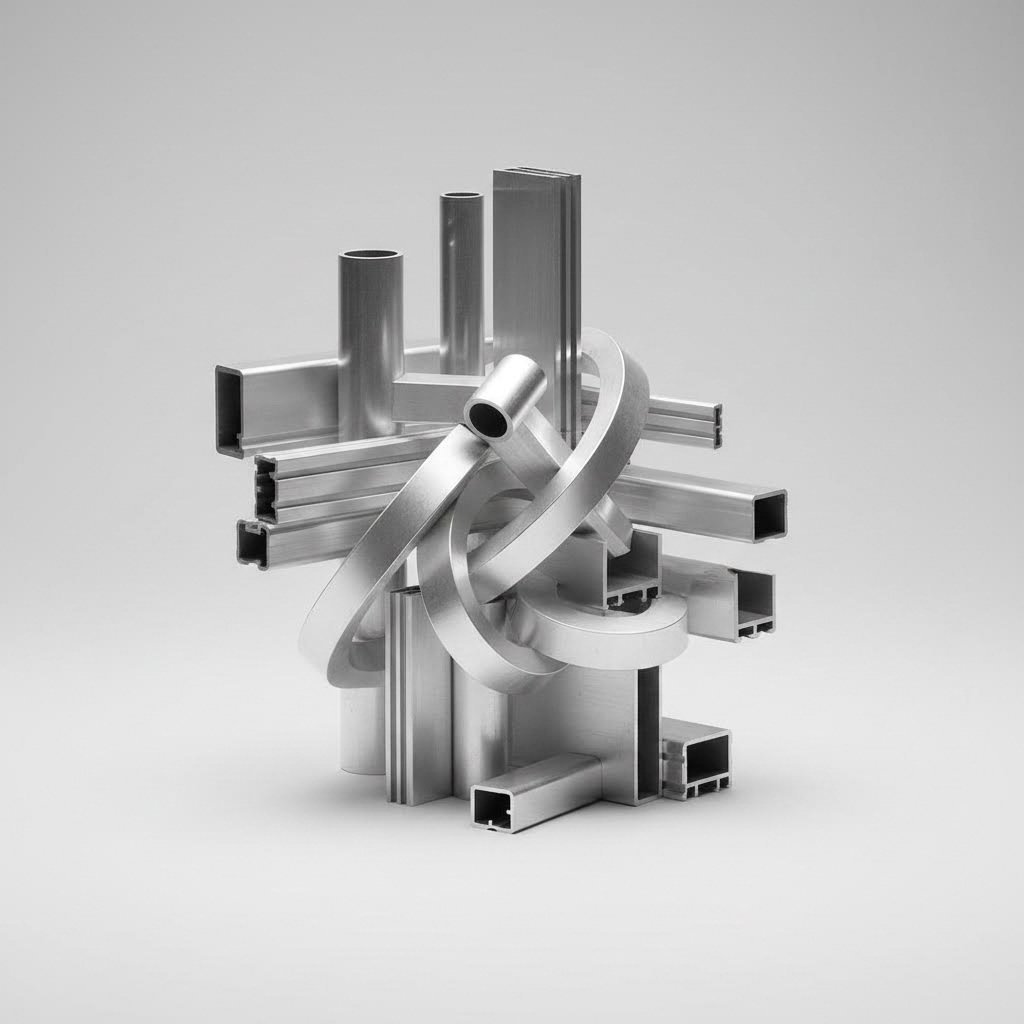
Here's where aluminum extrusion truly sets itself apart from other manufacturing methods. Unlike processes limited to standard catalog shapes, extrusion allows designers to create virtually any cross-sectional geometry imaginable. Whether you need a simple angle bracket or a complex multi-chamber thermal break profile, the aluminum extrusion profile possibilities extend far beyond what stamping, casting, or machining can economically achieve.
Understanding the range of aluminum extrusion shapes available helps you make smarter design decisions—and potentially consolidate multiple components into a single extruded profile that reduces assembly time and costs.
When exploring extruded aluminum shapes, you'll encounter two broad categories: standard (or stock) shapes and custom-designed profiles.
Standard shapes include the familiar geometries you'd find in any metals catalog—angles, channels, I-beams, T-bars, square and rectangular tubes, round tubes, and flat bars. These off-the-shelf extrusion profiles work well for straightforward structural applications where common dimensions suffice. Since no custom tooling is required, lead times are short and minimum order quantities stay low.
Custom profiles, however, unlock extrusion's true potential. Imagine designing a shape that integrates mounting channels, heat sink fins, decorative surfaces, and structural ribs—all in one piece. That's exactly what custom extrusion shapes deliver. The die cost (typically ranging from a few hundred to several thousand dollars depending on complexity) pays for itself quickly through reduced assembly labor and eliminated secondary components.
Consider a window frame manufacturer. Rather than assembling separate pieces for the frame, glazing channel, weather seal groove, and mounting flange, they extrude one aluminium extrusion profile that incorporates all these features. The result? Faster production, fewer parts to inventory, and a stronger finished product.
Some of the most impressive extruded profiles feature hollow sections—enclosed voids within the cross-section that reduce weight while maintaining strength. But how do you create a hole inside a continuous aluminum shape?
The answer lies in specialized die designs called porthole or bridge dies. These dies split the aluminum flow around internal mandrels that form the hollow sections, then weld the metal back together before it exits the die opening. The result is a seamless hollow profile with excellent structural properties.
Multi-void dies take this concept further, creating profiles with multiple internal chambers. You'll see these in applications like:
The complexity of hollow sections does affect extrusion costs and press requirements. Larger presses with higher tonnage capacity handle hollow profiles more effectively, particularly those with thin walls or multiple voids.
What makes extrusion shapes so versatile? The process enables integrated features that would require secondary operations—or prove impossible—with other manufacturing methods.
Screw channels and bosses can be built directly into the profile, eliminating the need for welded or bolted brackets. Snap-fit connections allow components to click together without fasteners. Decorative grooves and textures emerge directly from the die, requiring no additional finishing. Even complex thermal management features like internal heat sink fins become practical.
According to the Aluminum Extruders Council, aluminum extrusion offers designers "freedom from 'standard' shape restrictions that is unrivaled among structural materials." You can put metal only where you need it and let the production process accommodate your design.
That said, practical limits exist. The circumscribing circle diameter (CCD)—the smallest circle that fully encloses the profile's cross-section—affects both cost and press availability. Most economical profiles fit within an 8-inch CCD, though specialized extruders can produce shapes up to 32 inches across.
Wall thickness also requires attention. While extrusion accommodates varying thicknesses across a profile, extreme transitions between thick and thin sections create die stress and potential surface defects. Keeping somewhat balanced wall thicknesses and using generous radii at transitions produces better results.
Here's a quick reference for the four main extruded profiles categories:
With this understanding of shape possibilities, you're ready to explore what happens after the aluminum exits the die. Surface finishing and secondary processing transform raw profiles into polished, corrosion-resistant components ready for installation.
A freshly extruded aluminum profile emerging from the die is just the beginning. Raw extrusions—while dimensionally accurate—lack the surface protection, mechanical properties, and precise features that most applications demand. Aluminum extrusion processing transforms these basic shapes into finished components through heat treatment, surface finishing, and precision fabrication. Understanding these post-extrusion stages helps you specify exactly what your project needs.
Before any decorative finish goes on, most aluminum extrusions undergo heat treatment to achieve their final mechanical properties. You'll commonly see two temper designations: T5 and T6.
What's the difference? According to Engineering Express, T5 material is quenched directly from the extrusion press while still hot, then artificially aged. T6 material undergoes a separate solution heat treatment—raised to about 980°F for approximately an hour— by water quenching and then aging at 325-400°F. The result? T6 tempers deliver higher strength, though T5 often proves sufficient for architectural and decorative applications.
Once heat treatment establishes the desired mechanical properties, surface finishing protects the aluminum and enhances its appearance. Three technologies dominate the industry:
Anodizing stands apart from paints and coatings because it's an electrochemical process that creates a protective aluminum oxide layer integrated with the metal itself. This super-hard surface resists scratches, won't peel or flake, and accepts dyes for colors like champagne, bronze, and rose gold. Anodized aluminium extrusion trim delivers the premium look you see on high-end electronics, architectural facades, and precision mechanical parts.
Powder coating uses electrostatically charged dry powder sprayed onto the grounded aluminum, then oven-cured into a smooth, durable finish. This method offers virtually unlimited color options, excellent cost-effectiveness, and good durability for window frames, furniture, and industrial components. It's the practical choice when specific colors matter more than maximum weather resistance.
PVDF coating (often known by the trade name Kynar 500) represents the gold standard for exterior architectural applications. This high-performance liquid paint system delivers exceptional UV resistance and color retention—maintaining its appearance for decades on building facades, curtain walls, and metal roofing in harsh environments.
For extreme durability requirements, specialized treatments like micro-arc oxidation create ceramic-like surfaces with superior hardness and wear resistance. This technology finds use in demanding industrial and aerospace applications where standard finishes fall short.
Surface finishing addresses protection and appearance, but most projects also require precise dimensional work. This is where aluminium extrusion machining enters the picture—transforming profiles into ready-to-install components.
Cutting aluminum extrusion to exact lengths is the most basic operation. While initial saw cuts happen during the extrusion process, final precision cuts use dedicated saws with carbide or diamond-tipped blades that produce clean, burr-free ends. Automated cut-to-length systems can handle high-volume orders with tight tolerances.
Beyond cutting, extruded aluminum CNC operations open extensive fabrication possibilities:
Modern CNC machining centers can perform multiple operations in a single setup, maintaining dimensional accuracy while minimizing handling. For machined aluminum extrusion components requiring tight tolerances—think aerospace fittings or precision instrument housings—this integrated approach delivers consistent quality.
Consider the journey of an aluminum window frame. The extrusion manufacturing process produces the basic profile shape. Heat treatment establishes T5 or T6 properties. Anodizing or powder coating adds corrosion protection and color. Then CNC machining cuts the frame members to length, drills drainage holes, and mills corner joinery features. What started as a simple aluminum billet becomes a complete, ready-to-install component.
This full-service approach—from die development through finishing and fabrication—streamlines the supply chain considerably. Rather than coordinating between separate extrusion, finishing, and machining vendors, working with a supplier offering comprehensive aluminum extrusion processing capabilities reduces lead times, minimizes handling damage, and simplifies quality control.
For projects requiring this level of integration, Shengxin Aluminium's deep processing services demonstrate what's possible. Their facility combines 35 extrusion presses (600T to 5500T capacity) with advanced CNC machining centers and a full range of surface treatments—including anodizing in custom colors, powder coating, PVDF, and micro-arc oxidation. This end-to-end capability means your aluminum extrusion trim, structural components, or custom profiles arrive ready for final assembly.
With profiles now heat-treated, finished, and fabricated to specification, you're ready to explore the remarkable range of industries and applications where extruded aluminum excels.
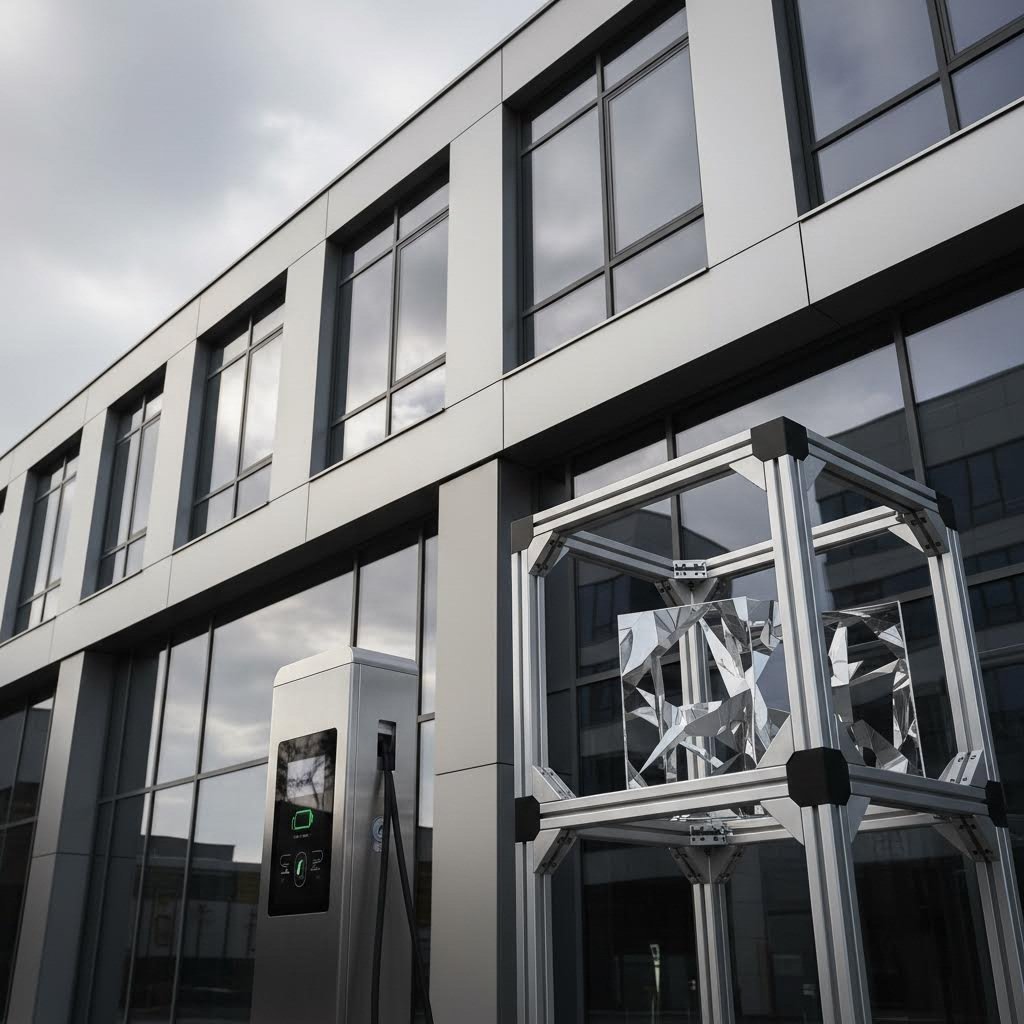
What are aluminum extrusions used for? The answer spans nearly every industry you can imagine. From the window frames in your home to the battery enclosure in the latest electric vehicle, extruded aluminum profiles have become essential components across diverse sectors. Their unique combination of lightweight strength, corrosion resistance, and design flexibility makes them the material of choice when performance matters.
Let's explore the major application sectors where aluminum extrusions deliver exceptional value.
Walk through any modern city and you're surrounded by aluminum extrusion products. The construction industry has embraced extruded aluminum profiles for decades—and for good reason. These profiles deliver the perfect balance of aesthetics, durability, and design freedom that architects demand.
Common architectural applications include:
Why does architecture favor aluminum extrusions? Corrosion resistance means profiles maintain their appearance for decades without painting or maintenance. The aluminum profile extrusion process enables complex thermal break designs that meet stringent energy codes. And the ability to anodize or powder coat in virtually any color gives designers complete creative freedom.
The automotive industry's push for fuel efficiency and electric vehicle range has made aluminum extrusions indispensable. According to Zetwerk's industry analysis, aluminum alloy profiles contribute to improved performance, reduced emissions, and enhanced safety standards across the transportation sector.
Transportation applications span multiple vehicle types:
The strength-to-weight ratio makes all the difference here. Replacing steel with extruded aluminum products can reduce component weight by up to 50%—translating directly into better fuel economy, extended EV range, and lower emissions.
Beyond construction and transportation, aluminum extrusions power the machinery and infrastructure of modern manufacturing. Their modular nature and excellent machinability make them ideal for industrial applications requiring flexibility and precision.
Industrial and consumer applications include:
Thermal conductivity deserves special mention for electronics applications. Aluminum conducts heat efficiently, making extruded aluminum profiles natural choices for heat sinks in LED lighting, high-performance computing, and power electronics. The extrusion process easily creates intricate fin geometries that maximize surface area for heat dissipation.
This remarkable versatility across industries raises an important question: when does aluminum extrusion make more sense than alternative manufacturing methods? Understanding these trade-offs helps you choose the optimal approach for your specific project requirements.
You've seen what aluminum extrusion can do—but is it always the right choice? Not necessarily. Understanding when to use extrusion versus alternative manufacturing methods can save you significant time and money. The extrusion manufacturing process excels in specific scenarios, while other techniques prove more economical or practical under different circumstances.
Let's break down how metal extrusion compares against the most common alternatives, so you can make informed decisions for your next project.
Die casting and extrusion both shape aluminum, but they solve fundamentally different design challenges. When do you choose one over the other?
Die casting pours molten aluminum into a mold, allowing three-dimensional complexity that extrusion simply cannot achieve. Think automotive engine blocks, power tool housings, or decorative hardware with intricate surface details. If your part needs varying thickness in multiple directions or complex internal geometries that don't follow a linear path, die casting is likely your answer.
However, extruded aluminum shapes offer distinct advantages over castings in many applications:
The trade-off? Extrusions are limited by billet size and press capacity, while castings face no such constraints. Large items like boat propellers or engine components often require casting because extrusion metal simply cannot accommodate the size.
CNC machining carves parts from solid aluminum blocks—no dies, no molds, just precision cutting. This approach shines when you need a handful of complex parts quickly.
Imagine you need 50 custom brackets with intricate pockets, holes, and threaded features. Setting up an extrusion die, running the press, then machining secondary features would cost more than simply machining each bracket from bar stock. The math changes dramatically at higher volumes, but for prototypes and low-quantity production, machining often wins.
Consider machining when your project involves:
The limitation? Machining costs scale linearly with quantity. Produce 10,000 parts and you're paying machining rates 10,000 times. Extrusion aluminum offers dramatically lower per-piece costs once you've amortized the die investment across sufficient volume.
So where's the break-even point? While exact numbers depend on profile complexity and size, general guidelines help frame the decision.
An aluminum extrusion machine running a custom die produces profiles at remarkably low per-foot costs—often under $1 for simple shapes. The catch? You're paying $500 to $5,000+ for that die upfront. At 100 feet of profile, a $2,000 die adds $20 per foot to your cost. At 10,000 feet, that same die adds just $0.20 per foot.
Roll forming offers another alternative for high-volume simple shapes—think gutters, basic channels, or repetitive bent profiles. Tooling costs fall between extrusion and stamping, but geometric complexity is severely limited. You won't achieve hollow sections, integrated screw channels, or the intricate features that make extrusion valuable.
Sheet metal fabrication—cutting, bending, and welding flat aluminum—handles low volumes economically but struggles with the complex cross-sections extrusion produces effortlessly. Assembling multiple sheet components also introduces joints, fasteners, and labor that a single extrusion eliminates.
| Manufacturing Method | Tooling Cost | Per-Unit Cost at Volume | Geometric Complexity | Typical Applications |
|---|---|---|---|---|
| Aluminum Extrusion | Low to Moderate ($500-$5,000+) | Very Low | 2D cross-sections with high complexity; hollow and semi-hollow possible | Window frames, heat sinks, structural profiles, trim |
| Die Casting | High ($10,000-$100,000+) | Low to Moderate | Full 3D complexity; non-uniform thickness | Engine blocks, housings, decorative hardware |
| CNC Machining | None (programming only) | High (scales linearly) | Full 3D; limited only by tool access | Prototypes, low-volume precision parts, aerospace fittings |
| Roll Forming | Moderate ($3,000-$15,000) | Very Low | Simple bent shapes only; no hollow sections | Gutters, simple channels, repetitive bent profiles |
| Sheet Metal Fabrication | Low (basic tooling) | Moderate to High | Limited to bent and welded assemblies | Enclosures, brackets, low-volume housings |
What about extruded steel? While steel extrusion exists, it's far less common than extrusion aluminum due to steel's higher melting point and greater force requirements. Aluminum's excellent extrudability—combined with its corrosion resistance and strength-to-weight ratio—makes it the preferred choice for most extrusion metal applications.
The bottom line? Choose aluminum extrusion when you need complex cross-sectional shapes at moderate to high volumes, where tooling costs amortize quickly and per-piece economics favor continuous profiles. Reserve die casting for true 3D complexity, machining for low volumes and prototypes, and simpler methods for basic geometries.
Now that you understand when extrusion makes sense, you're ready to explore the practical side: how to specify and order custom aluminum extrusions that meet your exact requirements.
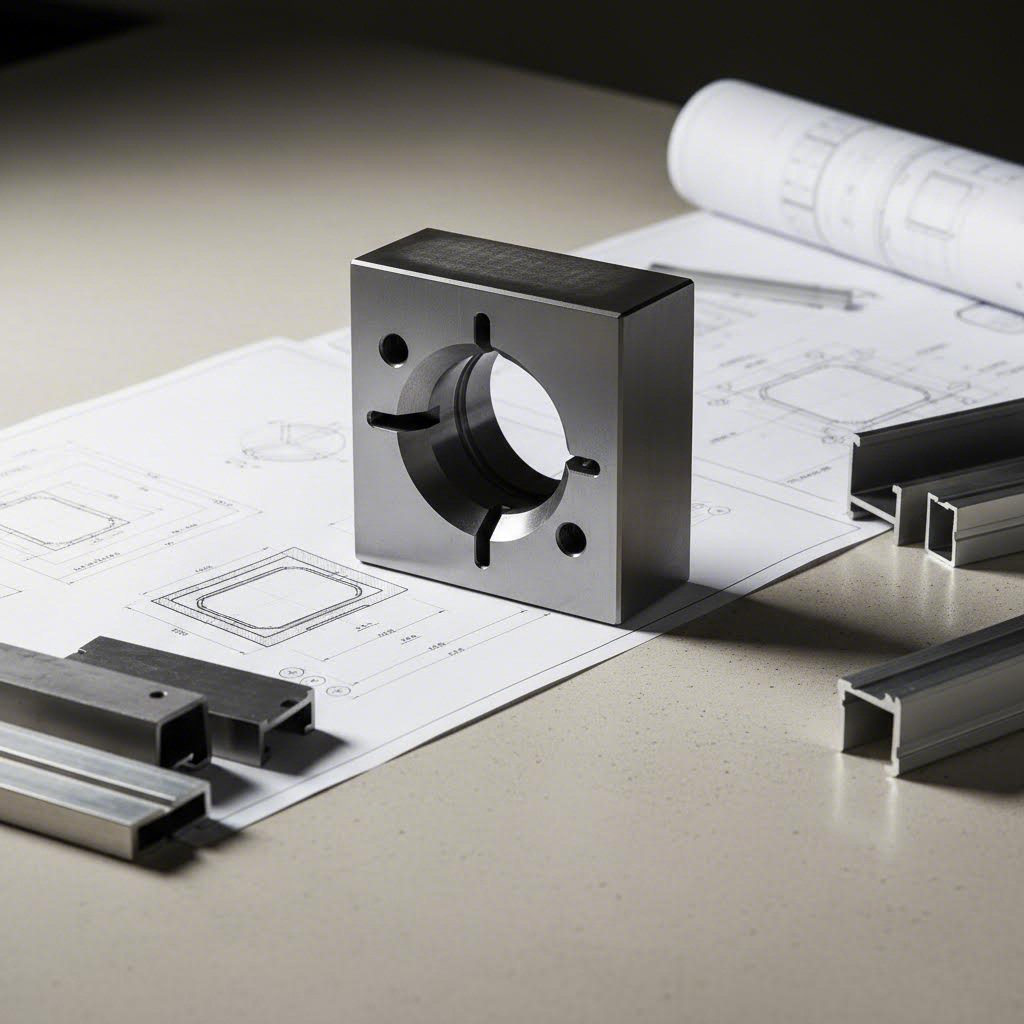
Ready to move from concept to reality with custom extrusion aluminum? The journey from initial design idea to finished profiles requires careful planning and clear communication with your extrusion partner. Whether you're developing a new architectural system or engineering a specialized industrial component, understanding the specification process helps you avoid costly revisions and delays.
Let's walk through the essential steps for successfully specifying and ordering custom aluminium extrusions that meet your exact requirements.
The die for aluminium extrusion is where your design becomes reality—a hardened steel tool that shapes every profile you'll produce. Finding the right supplier to develop this critical component makes all the difference in your project's success.
What should you look for in custom aluminum extruders? Start with these considerations:
The initial design consultation is your opportunity to refine your concept. Bring your CAD files, sketches, or even competitor samples—experienced suppliers have seen thousands of profiles and can quickly identify potential issues. They'll evaluate your design for extrudability, recommend appropriate alloys, and suggest modifications that improve manufacturability without compromising function.
Aluminum extrusion tooling costs vary significantly based on profile complexity. Simple solid shapes might require dies costing $500-$1,500, while complex hollow sections with thin walls and tight tolerances can run $3,000-$10,000 or more. Multi-void thermal break profiles with intricate geometries represent the high end of the aluminum extrusion die investment. Remember—this is a one-time cost that amortizes across your entire production volume.
Sounds complex? It doesn't have to be. Breaking down your requirements into clear categories ensures nothing gets overlooked and prevents miscommunication that leads to rejected parts.
Here's what you'll need to specify for any custom aluminum extrusion manufacturing project:
| Specification Category | What to Define | Why It Matters |
|---|---|---|
| Alloy Selection | 6063, 6061, 6005, or other alloy | Determines strength, surface finish quality, and extrudability |
| Temper Requirements | T5, T6, or other heat treatment | Establishes final mechanical properties |
| Dimensional Tolerances | Standard vs. precision tolerances per ANSI/AEC standards | Affects die design complexity and production costs |
| Length Requirements | Cut lengths, tolerance on length, end finish | Determines cutting operations and packaging |
| Surface Finish | Mill finish, anodized, powder coated, PVDF, or specialized treatment | Impacts appearance, corrosion protection, and lead time |
| Secondary Processing | Drilling, machining, bending, welding, assembly | Determines whether profiles arrive ready-to-install |
| Quantity | Initial order and estimated annual volume | Affects pricing tiers and inventory planning |
Don't overlook the importance of clear drawing documentation. Your technical drawings should specify critical dimensions with appropriate tolerances, indicate datum surfaces for measurement, note any features requiring tighter-than-standard tolerances, and clearly identify which surfaces are cosmetically critical.
For standard aluminum extrusions from existing dies, specifications focus primarily on alloy, temper, length, and finish. Custom profiles require the full specification treatment—but the result is a component designed precisely for your application rather than a compromise with catalog shapes.
When you're planning a project, realistic timelines prevent frustration. What should you expect from concept to delivery?
Die development typically requires 2-4 weeks for standard complexity profiles. This phase includes final design review, die engineering, steel machining, and heat treatment. Complex hollow sections or profiles requiring multiple die corrections may extend to 6-8 weeks. Some suppliers offer expedited die services for urgent projects—at premium pricing.
First article production follows die completion. Initial trial runs verify that the die produces profiles meeting your specifications. Expect 1-2 weeks for this phase, including dimensional inspection and any necessary die corrections. Most suppliers provide samples for your approval before proceeding to production quantities.
Production runs move considerably faster once the die is proven. Lead times vary based on order size, press availability, and finishing requirements, but 2-4 weeks represents a typical range for standard orders. Large volumes or complex finishing sequences may require longer.
Here's a realistic timeline breakdown for a typical custom project:
Total timeline from initial contact to delivered parts? Plan for 8-16 weeks for a complete custom aluminum extrusion project, depending on complexity and finishing requirements.
Pro tip: Experienced suppliers with comprehensive capabilities—from die development through finishing and fabrication—can compress timelines by eliminating handoffs between vendors. Look for partners who control the entire process under one roof.
For projects requiring this integrated approach, suppliers like Shengxin Aluminium demonstrate what's possible when die development, extrusion, surface treatment, and CNC machining operate as a unified system. Their 35 extrusion presses ranging from 600T to 5500T handle everything from delicate architectural trim to heavy structural sections, while comprehensive finishing capabilities—including custom-color anodizing, powder coating, PVDF, and micro-arc oxidation—mean your profiles arrive ready for installation.
Whether you're launching a new product line or sourcing components for an established application, the key to successful custom aluminum extrusion lies in clear specifications, realistic timelines, and partnership with suppliers who combine technical expertise with manufacturing depth. Take time upfront to define your requirements thoroughly, and you'll be rewarded with profiles that perform exactly as designed—project after project.
Extruded aluminum is created by forcing heated aluminum alloy through a shaped die under high pressure, resulting in profiles with consistent cross-sections. This process creates a denser, stronger material structure compared to rolled aluminum. Extruded aluminum offers superior strength-to-weight ratios, precise dimensional accuracy, and the ability to form complex hollow or semi-hollow shapes that rolled aluminum cannot achieve. While rolled aluminum is more malleable for simple bending applications, extruded aluminum excels in structural and architectural uses requiring durability and design complexity.
Aluminum extrusion has some limitations to consider. Tooling costs for custom dies range from $500 to $5,000 or more, making it less economical for very low-volume projects. The process is limited to two-dimensional cross-sections—complex three-dimensional shapes require die casting instead. Surface quality can vary between the profile's edges, center, and ends. Additionally, dies experience significant heat and pressure stress, affecting their lifespan. For quantities under 100-500 pieces, CNC machining from bar stock may prove more cost-effective than investing in custom extrusion tooling.
Aluminum extrusions serve countless applications across major industries. In construction, they form window frames, door systems, curtain walls, and architectural trim. The automotive and transportation sector uses them for vehicle chassis, EV battery enclosures, heat exchangers, and aircraft structural components. Industrial applications include machine frames, conveyor systems, T-slot framing, and heat sinks for electronics. Consumer products like furniture, display fixtures, and electronics housings also rely on extruded aluminum for its lightweight strength, corrosion resistance, and design flexibility.
A complete custom aluminum extrusion project typically requires 8-16 weeks from initial contact to delivered parts. Die development takes 2-4 weeks for standard profiles or up to 8 weeks for complex hollow sections. First article production and approval adds 1-2 weeks, by 2-4 weeks for the production run. Surface finishing like anodizing or powder coating requires an additional 1-2 weeks, and secondary fabrication adds 1-3 weeks if needed. Working with suppliers offering comprehensive in-house capabilities—from die development through finishing—can compress these timelines by eliminating vendor handoffs.
The best alloy depends on your specific requirements. 6063 aluminum is the most popular choice for architectural applications, offering excellent surface finish quality ideal for anodizing and decorative finishes. 6061 aluminum provides higher tensile strength (124-290 MPa) for structural, aerospace, and marine applications requiring greater load-bearing capacity. 6005 aluminum offers a balanced middle ground with strength approaching 6061 and surface quality nearing 6063, making it popular for transportation applications. Experienced suppliers like Shengxin Aluminium can guide you toward the optimal alloy based on your complete project requirements.



 บริการออนไลน์
 0086 136 3563 2360
 sales@sxalu.com
 +86 136 3563 2360
 ไทย
ไทย English
 français
 Deutsch
 русский
 español
 português
 العربية
 Việt
Việt Українська