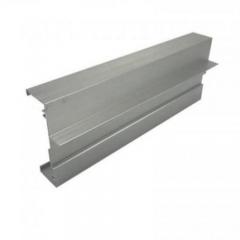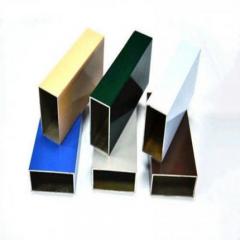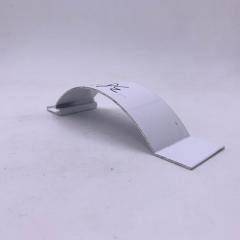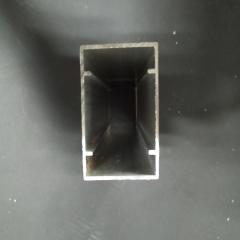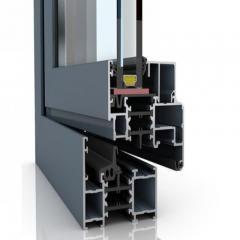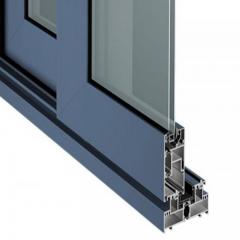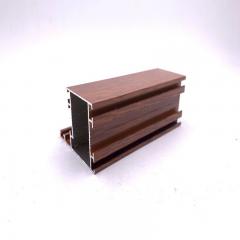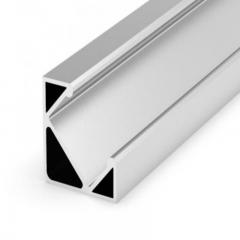
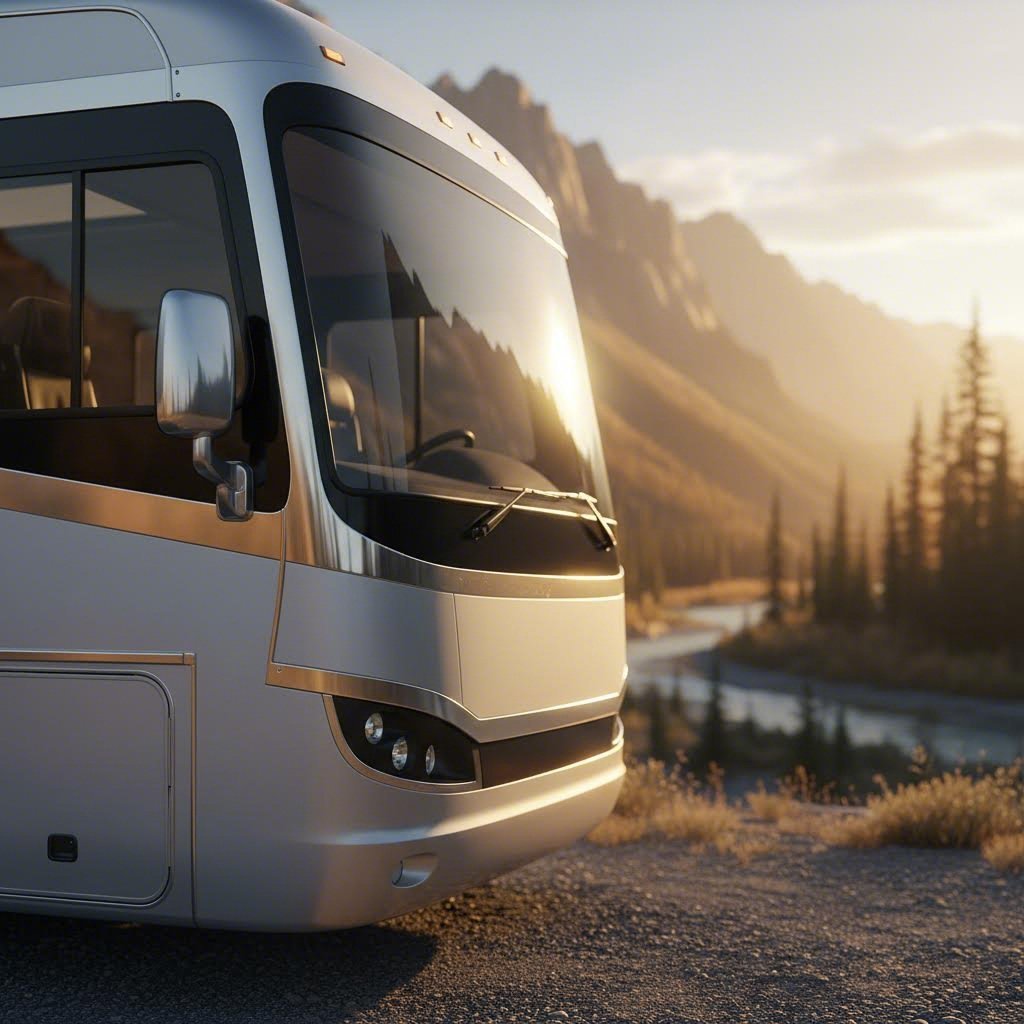
Ever wonder what gives modern RVs their impressive combination of strength and lightweight mobility? The answer lies in a manufacturing marvel called aluminum extrusion. RV aluminum extrusions are precisely shaped aluminum profiles created by forcing heated metal through custom-designed dies to produce specific cross-sectional shapes. From the structural framework holding your camper together to the decorative rv trim that gives it a polished appearance, these versatile components have become the backbone of recreational vehicle construction.
You'll find these extrusions everywhere in today's aluminum recreational vehicles—in tow-along campers, motorhomes, and luxury land yachts on wheels. Their widespread adoption reflects a simple truth: no other material delivers the same balance of performance, durability, and design freedom that modern RV builders demand.
Why have manufacturers embraced these profiles so enthusiastically? The benefits speak for themselves. Aluminum extrusion trim and structural components offer advantages that alternative materials simply cannot match:
These characteristics make trim for rv campers and structural extrusions indispensable for builders prioritizing both performance and longevity.
Imagine squeezing toothpaste through a tube—the paste emerges in the tube's circular shape. Aluminum extrusion works on the same principle, just with considerably more force and precision.
The process begins with a cylindrical aluminum billet, which is preheated in an oven to 400-500°C. This temperature makes the metal malleable without melting it completely. Meanwhile, the custom-designed die gets preheated to 450-500°C to ensure even metal flow and maximize tool longevity.
Once prepared, the softened billet enters an extrusion press where hydraulic rams apply up to 15,000 tons of pressure. This immense force pushes the aluminum through the die opening, and the material emerges fully formed in the desired profile shape. The freshly extruded aluminum then undergoes controlled cooling through water baths or fans before being stretched to eliminate any twists and cut to specified lengths.
The result? Precision-engineered profiles ready for applications ranging from structural framing and window frames to awning rails, slide-out mechanisms, and interior finishing. Understanding this process helps you appreciate why quality extrusions deliver consistent performance across every RV component they support.
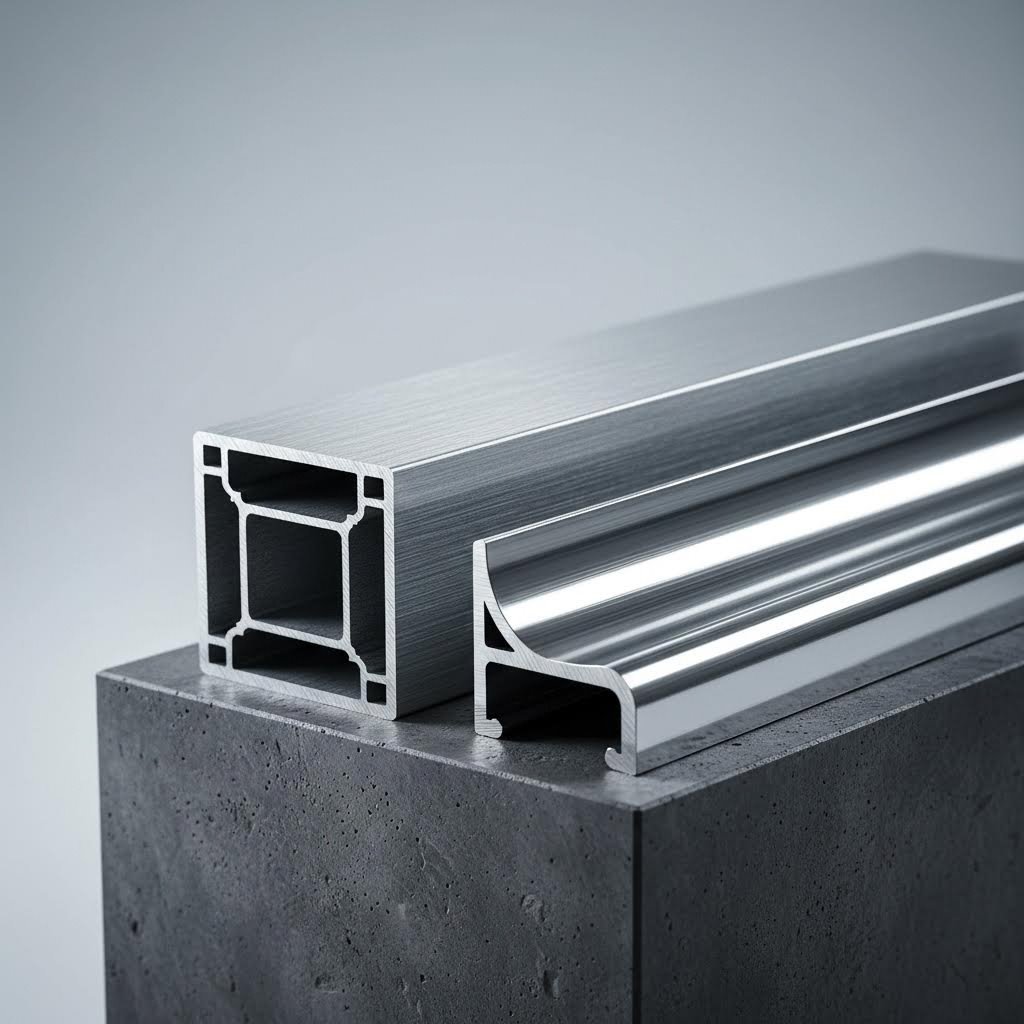
Now that you understand how aluminum extrusions are made, the next question becomes: which aluminum should you choose? Not all camper aluminum is created equal. The alloy composition directly impacts whether your extruded aluminum shapes will hold up under structural stress or deliver that smooth, polished finish you're after. Getting this decision right means the difference between components that last decades and ones that fail prematurely.
Two alloys dominate the RV industry: 6061 and 6063. Both belong to the 6000 series aluminum family, sharing silicon and magnesium as their primary alloying elements. Yet their performance characteristics differ significantly—and understanding these differences helps you select the right material for each application.
Think of 6061 as the workhorse and 6063 as the showpiece. When your project demands structural integrity above all else, 6061 aluminum delivers. This precipitation-hardened alloy offers superior tensile strength, making it ideal for load-bearing frames, structural angles, and components subjected to stress or impact.
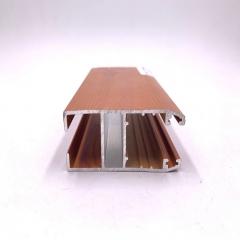
Conversely, 6063 aluminum shines where appearance matters. Its smoother surface finish and excellent formability make it the preferred choice for aluminum trim molding, window frames, door frames, and visible architectural elements. This alloy accepts anodizing beautifully, allowing for consistent color matching across your RV's exterior and interior trim pieces.
Here's a practical way to decide: if the component will be hidden or bears structural loads, lean toward 6061. If it's visible and aesthetics matter, 6063 typically makes more sense. Many RV builders use both alloys strategically throughout a single build.
You'll notice letters and numbers following alloy designations—like 6061-T6 or 6063-T5. These temper codes reveal crucial information about how the aluminum was processed and what performance characteristics you can expect.
The "T" indicates thermal treatment, and the number following describes the specific process. According to engineering specifications, T5 material is aged directly after being quenched from the extrusion press while still hot. T6 material undergoes a more controlled process: solution treatment at approximately 980°F, water quenching, then artificial aging at temperatures between 325-400°F.
What does this mean practically? T6 tempered aluminum generally achieves higher strength than T5 versions of the same alloy. However, T5 processing costs less and works perfectly well for applications where maximum strength isn't critical—like decorative extruded aluminum trim.
The following table breaks down the key differences between these two common RV aluminum alloys, helping you match material properties to your specific project requirements:
| Property | 6061-T6 | 6063-T5 |
|---|---|---|
| Ultimate Tensile Strength | 310 MPa (42,000+ psi) | 180 MPa (28,000+ psi) |
| Yield Strength | 270 MPa (35,000+ psi) | 140 MPa (23,000+ psi) |
| Corrosion Resistance | Excellent | Excellent |
| Weldability | Good | Excellent |
| Formability | Good | Excellent |
| Surface Finish Quality | Good | Superior (smoother) |
| Anodizing Response | Good | Excellent |
| Typical RV Applications | Structural framing, floor supports, slide-out mechanisms, chassis components | Window frames, door trim, decorative molding, architectural profiles, visible trim |
Data sourced from MakeItFrom.com material comparison database.
When sourcing extruded aluminum shapes for your RV project, understanding tolerance expectations prevents costly surprises during assembly. Standard extrusion tolerances typically fall within ±0.012 inches per inch for cross-sectional dimensions, though tighter tolerances are achievable with precision dies and controlled processing.
For structural components where parts must fit together precisely, specify your tolerance requirements upfront. Quality suppliers provide documentation confirming dimensional consistency across production runs. When ordering extruded aluminum trim for visible applications, also confirm straightness tolerances—warped or twisted profiles create headaches during installation and compromise the finished appearance.
With a solid understanding of alloy properties and specifications, you're ready to explore the specific profile types available for different RV applications.
Knowing your alloy is only half the equation. The shape of your aluminum extrusion determines exactly how it performs in your specific RV application. From structural angles reinforcing corners to channels securing wall panels, each profile geometry serves a dedicated purpose. Understanding these relationships transforms you from someone browsing catalogs into a builder who selects exactly the right component for every job.
Standard extrusion shapes fall into several categories: angles, channels, tubes, bars, and tees. Beyond these basics, manufacturers create specialized profiles designed specifically for rv trim and molding applications, slide-out mechanisms, and integrated mounting systems. Let's break down what each type offers and where it belongs in your build.
Think about the different demands placed on various RV components. A corner joint bears stress from road vibration and structural loads. A window frame needs to hold glass securely while allowing for thermal expansion. Gutter trim must channel water away without creating leak points. Each application calls for a specific profile geometry optimized for that exact function.
Angles form the backbone of corner reinforcement throughout RV construction. These L-shaped profiles distribute stress across two planes simultaneously, making them ideal where panels meet at perpendicular joints. You'll find aluminum angles reinforcing cabinet corners, securing wall-to-ceiling transitions, and strengthening frame intersections. For curved surfaces requiring corner protection, flexible rv corner molding provides the same structural benefit while conforming to radiused edges.
Channels excel at panel retention and edge protection. Their U-shaped cross-section captures panel edges securely, preventing movement while concealing raw edges. RV builders rely on channels for securing wall panels, guiding sliding components, and creating clean transitions between different materials. The channel depth and flange width vary based on panel thickness and required holding strength.
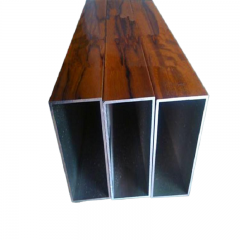
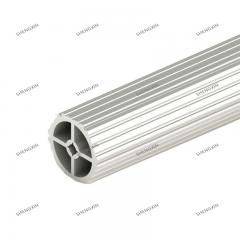
Tubes provide structural framing with exceptional strength-to-weight ratios. Square and rectangular tubing forms the skeleton of many RV frames, while round tubes often appear in roof rack systems and grab handles. According to industry suppliers, square and rectangular tubing ranks among the most commonly requested extrusion profiles for RV applications.
Tee profiles join perpendicular components while maintaining a flush surface. Their T-shaped cross-section allows one element to continue uninterrupted while another attaches at 90 degrees—perfect for rv moulding applications where trim pieces meet at intersections.
Specialized shapes handle unique RV demands that standard profiles cannot address. Slide-out mechanisms require precisely engineered tracks with integrated bearing surfaces. Awning rails need channels that grip fabric edges while shedding water. These application-specific profiles often incorporate multiple features into a single extrusion, reducing part counts and simplifying installation.
Selecting the right profile becomes straightforward when you match geometry to function. The following breakdown organizes common extrusion applications by RV component, helping you identify exactly what each system requires:
Profile geometry affects more than just structural performance—it directly impacts installation ease. Extrusions designed with integrated screw slots eliminate drilling and tapping. Snap-fit rv moldings speed assembly while creating invisible fastening. Profiles incorporating weatherseal channels allow gaskets to be installed after the frame is assembled, simplifying the construction sequence.
Standard aluminum extrusion shapes like angled, T-shape, flat, square, rectangular, and round profiles remain readily available from most manufacturers, providing cost-effective solutions for common applications. When standard shapes won't work, custom profiles can incorporate multiple features into single extrusions—but that decision involves weighing tooling costs against production volume.
Understanding which profiles serve which functions positions you to make informed sourcing decisions. Next, we'll examine how these extrusions translate into specific trim and molding applications that protect and beautify both RV exteriors and interiors.

Picture this: a tiny twig catches the wiper seal along your RV's slideout. Seems harmless, right? According to RV Enthusiast Magazine, one such incident cost owners more than $40,000 in repairs after water intrusion damaged the wall, subfloor, and adjacent bathroom. That's the difference proper trim and molding makes—these components aren't just decorative accents. They're your RV's first line of defense against the elements.
From rv roof molding channeling rainwater away from vulnerable seams to rv door trim sealing gaps around entryways, aluminum extrusions serve both protective and aesthetic functions throughout your recreational vehicle. Understanding which trim profiles belong where helps you maintain weathertight integrity while achieving that polished, professional appearance.
Your RV's exterior faces relentless assault from moisture, UV exposure, road debris, and temperature extremes. Every seam, joint, and penetration represents a potential entry point for water—and once moisture gets inside walls or floors, damage spreads silently until costly repairs become unavoidable.
RV service experts recommend inspecting all seals and seams at least twice yearly. As one technician with nearly 30 years of experience notes, "If you can catch bad seals early, or tiny holes in seam and molding sealants, you're going to save a lot of money by preventing water damage." Aluminum trim and molding components play a critical role in this protective system.
Roof Trim Applications:
Sidewall Trim Applications:
Entry Door Considerations:
Camper door trim takes particular abuse from daily use. Threshold extrusions must withstand foot traffic while maintaining weatherseal compression. Jamb profiles around rv door trim accommodate repeated opening and closing cycles without loosening. Quality aluminum extrusions maintain dimensional stability across temperature extremes that would cause lesser materials to warp or gap.
Inside your RV, trim and molding serve different priorities. While weather protection remains relevant around windows and exterior doors, interior applications focus primarily on concealing joints, protecting edges, and creating polished transitions between surfaces.
According to Keystone RV's installation guide, replacing interior trim involves removing old pieces carefully to avoid damaging wall panels, then securing new trim with pin nails spaced every 8 to 10 inches. The process is straightforward enough for DIY maintenance, but selecting appropriate profiles matters for achieving professional results.
Floor Transitions:
Cabinet Edging:
Wall and Ceiling Transitions:
Modern RV designs increasingly feature curved surfaces, rounded corners, and aerodynamic profiles. These shapes challenge traditional rigid aluminum extrusions, which cannot bend to follow compound curves without kinking or cracking.
For curved applications, rubber trim molding for rv exteriors and interiors provides the flexibility needed while maintaining weather protection. According to curved molding specialists, flexible options include rubber strips that are "highly flexible and resilient, ideal for curved applications exposed to movement or moisture."
When to Choose Rigid Aluminum:
When to Choose Flexible Materials:
Some applications benefit from combining both approaches. Rigid aluminum provides primary structure while rubber trim molding for rv applications seals gaps and accommodates movement at connection points. This hybrid strategy delivers both the durability of metal extrusions and the conformability of flexible materials.
Whether protecting exterior seams from water intrusion or creating refined interior finishes, proper trim selection directly impacts both RV longevity and daily enjoyment. The next consideration for many builders involves specialized trailer applications, where unique demands call for purpose-designed extrusion solutions.
While RVs and trailers share aluminum extrusion DNA, towable trailers face punishment that stationary campers never experience. Think about it: enclosed cargo trailers absorb forklift impacts during loading. Horse trailers endure thousand-pound animals shifting weight mid-turn. Utility trailers bounce over construction sites with equipment strapped down. Each trailer type demands aluminum trim molding trailers can rely on under conditions that would destroy lesser materials.
The unique stresses of trailer environments—constant road vibration, repeated loading and unloading impacts, and year-round exposure to weather extremes—require purpose-designed extrusion solutions. Understanding which profiles address which challenges helps you select trailer trim molding that performs reliably across thousands of miles and countless cargo cycles.
Enclosed trailers present specific vulnerabilities that aluminum extrusions address directly. Every trailer corner represents a stress concentration point where panels meet at perpendicular angles. Every seam creates a potential moisture entry path. Every door frame absorbs repeated opening and closing forces.
Trailer corners take the worst abuse during normal use. Backing into tight spaces, maneuvering around obstacles, and even careless parking lot encounters threaten these exposed edges. According to Legend Manufacturing's exterior trim specifications, enclosed trailers benefit from multiple corner protection options including standard radius corners, S-Lock top radius designs, and front nose corners that can be color-matched or finished in black.
Critical Corner Protection Components:
Door Frame Considerations:
Rear ramp doors, side entry doors, and cargo access panels all require robust aluminum trailer door trim that withstands daily abuse. Frame extrusions must maintain weatherseal compression through temperature extremes while resisting the racking forces that occur when trailers twist over uneven terrain. Threshold profiles take particular punishment from loading equipment and foot traffic—diamond plate aluminum options provide both durability and traction in these high-wear locations.
Seam and Edge Protection:
Where sidewall panels meet, divider strips create finished transitions while preventing moisture penetration. Industry options include standard J-trim configurations and upgraded 3-inch aluminum trim profiles that provide enhanced coverage and visual appeal. Stone guards—available in heights from 14 inches to 48 inches—protect lower sidewalls from road debris kicked up by tow vehicle tires.
Livestock trailers and heavy cargo haulers operate in environments that push aluminum extrusions to their limits. Horse trailers must contain animals weighing 1,000+ pounds that shift unpredictably during transport. Cargo trailers endure forklift loading, pallet impacts, and equipment that slides during sudden stops.
As Tri-State Aluminum notes, aluminum extrusions for trailers offer exceptional strength-to-weight ratios that "superbly handle the stresses of towing and carrying cargo." The reduced weight compared to steel equivalents improves fuel efficiency and allows increased payload capacity within legal weight limits—critical factors for commercial haulers and livestock transporters alike.
Livestock Trailer Requirements:
Heavy Cargo Applications:
Different trailer types demand different extrusion solutions. The following comparison helps match trailer corner protection and trim profiles to specific applications:
| Trailer Type | Recommended Profiles | Typical Dimensions | Key Features |
|---|---|---|---|
| Enclosed Cargo | Radius corners, J-trim, stone guards, door frames | 1" to 3" corner posts; 16" to 48" stone guards | Impact deflection, weatherseal integration, color-matching options |
| Horse/Livestock | Heavy-gauge kick panels, ventilation frames, partition tracks | 0.080"+ wall thickness; reinforced mounting flanges | Impact absorption, corrosion resistance to animal waste, smooth interior surfaces |
| Utility/Equipment | Diamond plate trim, stake pocket extrusions, floor edge transitions | Variable based on deck configuration | Traction surfaces, modular stake systems, replaceable wear components |
| Vehicle Haulers | Wheel stop channels, tie-down tracks, ramp edge trim | Heavy-gauge for vehicle weight loads | Precise positioning features, high load capacity, anti-slip surfaces |
| Lawn Equipment | Ramp hinges, side rail extrusions, mesh panel frames | Lightweight options acceptable | Easy maintenance, drainage provisions, UV stability |
According to aluminum extrusion specialists, the 6000 series aluminum used in trailer applications is "durable and highly resistant to corrosion," reducing maintenance requirements and extending service life compared to steel alternatives. This durability proves especially valuable for trailers stored outdoors year-round or exposed to road salt, animal waste, and other corrosive substances.
Whether you're outfitting an enclosed trailer with corner protection, upgrading a horse trailer with impact-resistant trim, or sourcing aluminum trailer trim molding for a cargo hauler, matching extrusion specifications to application demands ensures components that perform reliably throughout the trailer's service life. The next consideration involves surface treatments that further enhance durability and appearance across all these demanding environments.
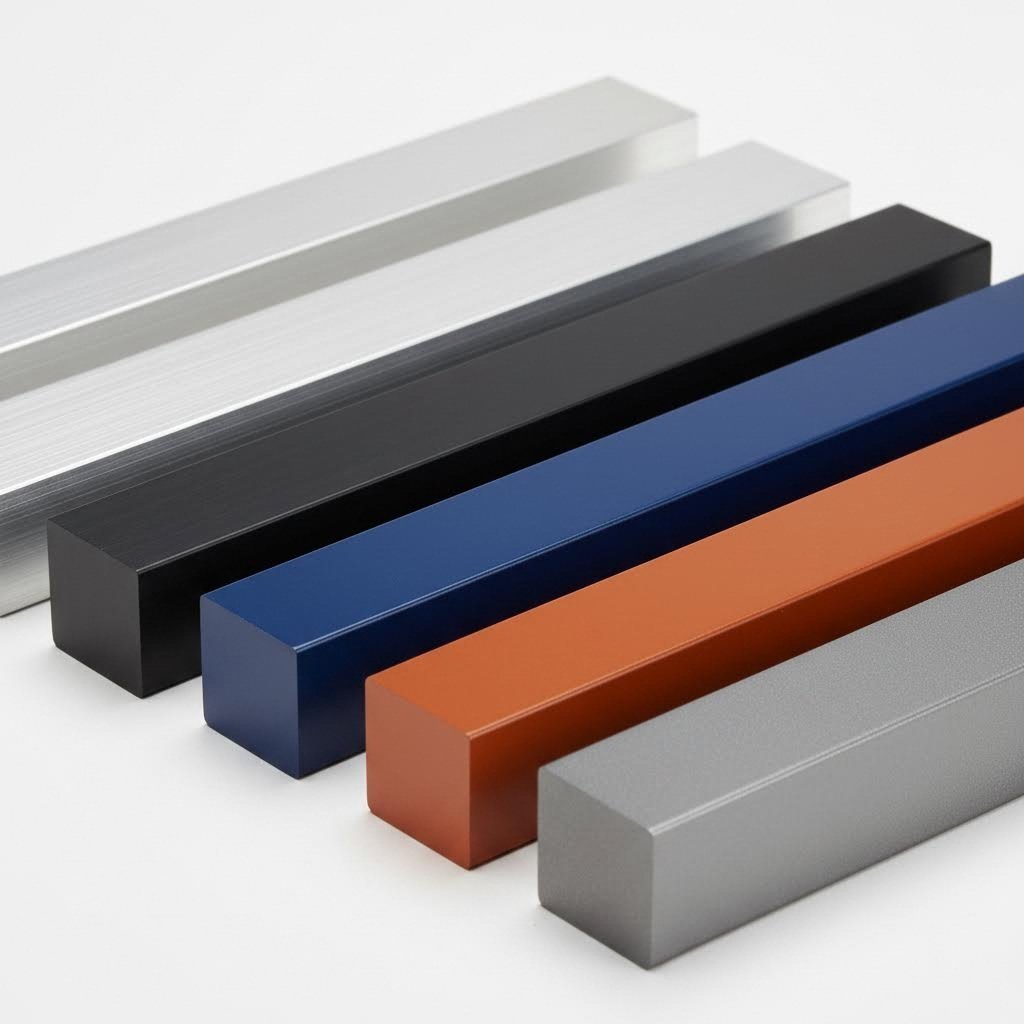
You've selected the right alloy. You've chosen the perfect profile geometry. But here's a question many builders overlook: how will that aluminum camper trim look after five years parked in Arizona sun or ten winters of road salt exposure? The answer depends entirely on surface treatment—the protective finish that determines whether your extrusions maintain their appearance or deteriorate into chalky, corroded shadows of their original selves.
Raw aluminum naturally forms a thin oxide layer that provides basic corrosion resistance. For aluminium rv siding and exterior trim facing relentless UV exposure, temperature swings, and environmental contaminants, this natural protection isn't enough. Surface treatments amplify durability while enabling custom colors and textures that match your RV's aesthetic. Understanding your options helps you specify finishes that perform for decades, not just seasons.
Imagine taking aluminum's natural oxide layer and making it dramatically thicker, harder, and more protective. That's essentially what anodizing accomplishes. According to Keystone Koating, anodizing is "an electrochemical process and a type of passivation that enhances the natural oxide layer on aluminum surfaces," creating a coating that's "hard, durable and weather-resistant."
The process works by immersing aluminum extrusions in an acid electrolyte bath while passing electric current through them. This controlled oxidation builds an integral layer directly into the metal surface—not a coating sitting on top, but an actual transformation of the aluminum itself. The result resists scratching, won't peel or flake, and maintains protection even if minor surface damage occurs.
Clear anodizing preserves aluminum's natural metallic appearance while adding protection. Colored anodizing introduces dyes into the porous oxide layer before sealing, creating permanent hues ranging from bronze and black to blues, reds, and golds. These colors become part of the aluminum structure rather than sitting on the surface like paint.
Need your aluminum molding trim to match a vintage RV's original color scheme? Or perhaps you're building a custom camper moulding package that coordinates with specific exterior graphics? Powder coating delivers virtually unlimited color options with excellent durability.
The powder coating process applies positively charged powder particles to grounded aluminum extrusions using electrostatic attraction. Heat then melts and flows the powder into a smooth, continuous film. As coating specialists explain, this creates "a smooth, tough layer" that's "durable, corrosion-resistant, and resistant to ultraviolet (UV) light."
For RV restoration projects, powder coating's color-matching capability proves invaluable. Custom formulations can replicate original equipment colors with remarkable accuracy, helping vintage campers maintain period-correct appearances while benefiting from modern coating technology.
When standard finishes aren't enough, PVDF (polyvinylidene fluoride) coatings deliver premium performance for the most demanding RV applications. According to coating manufacturers, PVDF provides "exceptional durability, chemical resistance, and weatherability" with coatings that "can last over 20 years with minimal color fade or chalking."
PVDF coatings meet or exceed AAMA 2605 specifications—the industry's most stringent standard for architectural coatings. Key features include superior UV resistance that maintains color and gloss for decades, excellent flexibility that reduces cracking risks, and low maintenance requirements. While PVDF comes at a premium price, the extended lifespan often justifies the investment for high-visibility aluminium rv siding and trim applications.
Not every application requires protective finishing. Mill finish aluminum—the natural state after extrusion without additional surface treatment—offers advantages for certain uses:
However, mill finish aluminum will oxidize over time, developing a dull, chalky appearance. For visible exterior applications or components exposed to harsh environments, protective finishing remains essential for maintaining both appearance and longevity.
The optimal surface treatment depends on where your extrusions will live and what demands they'll face. High-visibility exterior aluminum camper trim benefits from powder coating's color-matching flexibility or anodizing's metallic elegance. Structural components hidden from view may need only mill finish or basic clear anodizing. Premium applications exposed to extreme conditions justify PVDF's superior performance and longevity.
Whatever finish you select, proper application determines real-world performance. Corrosion protection experts recommend working with established finishers who follow thorough preparation protocols—because even the best coating fails when applied over contaminated or improperly prepared surfaces.
With surface treatment fundamentals covered, the next decision involves choosing between standard catalog extrusions and custom-designed profiles for your specific project requirements.
Here's a question that stops many RV builders in their tracks: should you work with off-the-shelf aluminum extrusions or invest in custom-designed profiles? The answer isn't always obvious. Standard catalog shapes offer immediate availability and lower upfront costs. Custom extrusions deliver exactly what your design requires—but at what price and timeline? Understanding the tradeoffs between these approaches helps you make decisions that balance budget, schedule, and performance for your specific project.
Whether you're fabricating trailer trim for a single restoration or sourcing aluminum trailer trim for production runs, the standard-versus-custom decision shapes your entire project trajectory. Let's break down when each approach makes sense and how to evaluate the factors that matter most.
Standard catalog extrusions exist because certain shapes solve common problems effectively. Angles, channels, tubes, and tees cover the majority of structural and trim applications across industries—including RV and trailer construction. When your design can accommodate these proven geometries, standard profiles deliver significant advantages.
Think about it this way: manufacturers stock standard shapes precisely because demand exists. This means no tooling investment, no die development delays, and no minimum order quantities measured in thousands of pounds. You order what you need, when you need it, often with delivery measured in days rather than weeks.
Standard profiles work particularly well for:
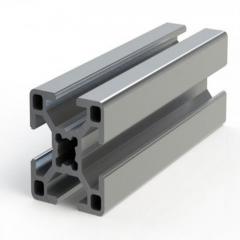
The 80/20 modular aluminum system exemplifies how standard extrusions can address complex requirements. This T-slotted framing system—named after the Pareto principle suggesting 80% of needs can be met with 20% of solutions—uses standardized profiles with integrated channels that accept hardware anywhere along their length. Campervan builders increasingly adopt 80/20 and similar modular systems for interior frameworks, bed platforms, cabinet structures, and accessory mounting. The standardized approach eliminates custom fabrication while enabling infinite configuration flexibility.
Sometimes standard shapes simply won't work. Perhaps your design requires integrated mounting features that eliminate secondary fabrication. Maybe you need a specific trailer trim profile that matches existing components exactly. Or your production volumes justify tooling investments that reduce per-piece costs over time.
Custom extrusion opens possibilities that catalog shapes cannot match. According to the Aluminum Extruders Council, "custom extrusions can create a signature design solution, with differentiation, personalization, enhanced function, and greater value." The extrusion process provides unique capability to "create a shape with metal placed EXACTLY where required for aesthetic, structural or functional purposes."
What does custom development involve? The process typically follows this sequence:
The Aluminum Extruders Council notes that extrusion tooling costs and lead times "are generally far less than for competitive materials." For presses with 7 to 10-inch circle size, tooling often costs between $1,000 and $2,000 for solid shapes and $1,200 to $4,000 for hollows, with typical lead times of 2 to 3 weeks. Compare this to steel roll forming tooling that "can easily exceed $30,000, with lead times of 3 months."
Four primary factors guide the standard-versus-custom decision. Evaluating each against your specific project requirements points toward the optimal approach.
Volume Requirements: Custom extrusion makes economic sense when quantities justify tooling amortization. Most extruders maintain minimum order quantities—often 1,000 to 2,000 pounds per shape—because setup overhead, die preparation, and quality verification add fixed costs regardless of order size. If your total project needs fall well below these minimums, standard profiles typically prove more economical.
Budget Constraints: Die tooling represents an upfront investment that only pays off across sufficient production volume. A $2,000 die adds $2 per foot to costs if you order 1,000 feet, but only $0.20 per foot across 10,000 feet. Factor in your realistic lifetime volume when evaluating whether custom tooling pencils out.
Timeline Pressures: According to industry sources, tooling lead time averages 2 to 4 weeks depending on complexity, by extrusion production time and any required fabrication. Standard profiles ship immediately from stock. When project schedules can't accommodate development timelines, catalog shapes may be your only realistic option.
Design Complexity: If your application truly requires features that standard shapes cannot provide—integrated snap-fit connections, complex weatherseal channels, or specific aesthetic geometries—custom extrusion becomes necessary regardless of other factors. The key is honestly evaluating whether custom features add genuine value or simply reflect designer preference.
The following comparison summarizes key differences to guide your sourcing decisions:
| Factor | Standard Catalog Profiles | Custom Extrusions |
|---|---|---|
| Minimum Order Quantity | Often none—order single pieces or small quantities | Typically 1,000-2,000 lbs per shape minimum |
| Lead Time | Days to 1-2 weeks from stock | 4-8 weeks including die development and production |
| Tooling Costs | None—dies already exist | $1,000-$4,000+ depending on complexity and size |
| Design Flexibility | Limited to available catalog geometries | Virtually unlimited—metal placed exactly where needed |
| Per-Piece Cost | Higher unit cost, but no tooling amortization | Lower unit cost at volume after tooling recovery |
| Best Applications | Prototypes, small projects, standard framing needs | Production runs, unique requirements, integrated features |
A practical decision framework simplifies the evaluation. Ask yourself these questions:
If you answer "no" to the first question and "yes" to the others, custom extrusion likely makes sense. If standard profiles can work with reasonable accommodation, they usually represent the more practical choice—especially for first-time builders still learning what works in real-world RV applications.
Remember that hybrid approaches often prove optimal. Use standard profiles for structural framing where proven geometries work perfectly, then invest in custom extrusions only for visible trim or specialized components where unique features genuinely matter. This strategy minimizes tooling investment while delivering custom capability where it adds real value.
Once you've determined whether standard or custom extrusions fit your project, the next consideration involves fabrication capabilities that transform raw profiles into ready-to-install components.
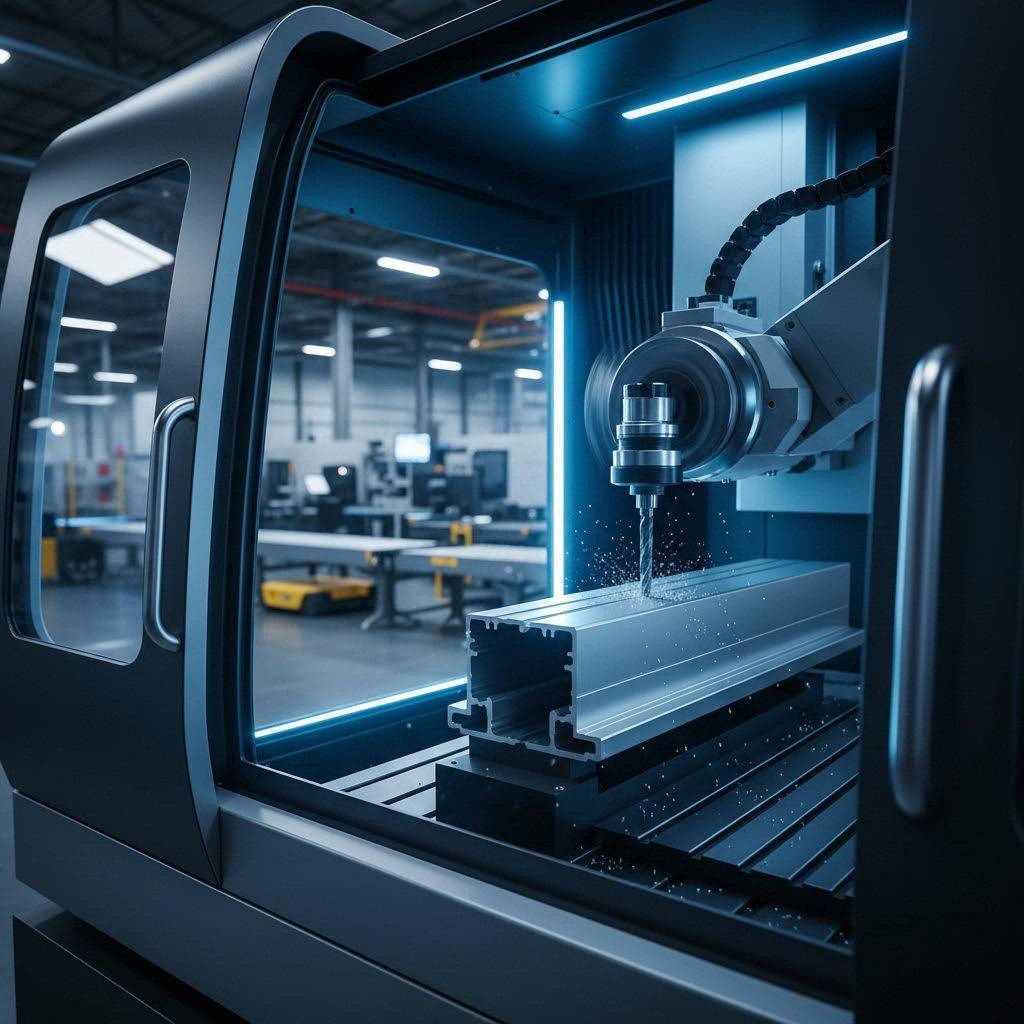
So you've sourced the perfect aluminum extrusion profile for your project. Now what? Raw extrusions rarely bolt directly onto RVs without additional work. Cutting to length, drilling mounting holes, adding bends for curved applications, welding multiple pieces into assemblies—these fabrication steps transform stock profiles into components that actually fit your build. The question becomes: do you handle this work yourself, or partner with suppliers who deliver ready-to-install pieces?
For many RV builders, fabrication capability determines whether a project flows smoothly or bogs down in shop time. Understanding what's possible—and what separates basic cutting from precision CNC machining—helps you evaluate suppliers and make sourcing decisions that save hours of on-site labor while ensuring components fit perfectly the first time.
Imagine ordering aluminum trim for rv applications and receiving pieces cut exactly to your specifications, with mounting holes positioned precisely where your design requires. No measuring, no drilling, no metal shavings to clean up. That's the value precision fabrication delivers.
Modern CNC machining centers take aluminum extrusion fabrication far beyond basic sawing. According to Bonnell Aluminum's machining specifications, state-of-the-art 3, 4, and 5-axis CNC machines deliver "exceptional precision and versatility, creating products with tight tolerances and superior finishes." These capabilities include automatic part positioning, custom clamping systems, and in-process error proofing that ensure consistency across production runs.
What does this mean practically for rv molding and trim projects?
The sophistication of modern fabrication equipment addresses challenges that once required extensive hand work. D&N Bending's fabrication experience demonstrates industry capability for "producing millions of automotive and non-automotive components" including "complex and visually critical" pieces requiring expertise across multiple manufacturing disciplines.
Not every RV component follows straight lines. Curved grab handles, radiused roof rails, and contoured travel trailer interior trim all require bending operations that shape aluminum extrusions into flowing forms. And when multiple pieces must join into unified assemblies, welding creates permanent connections stronger than the base material.
Bending Capabilities:
Aluminum extrusion bending requires specialized equipment and expertise. Industry fabricators employ multiple techniques depending on profile geometry and bend requirements:
According to aluminum fabrication specialists, production capabilities include "stretch, roller, form, and reverse benders" for handling diverse bending requirements. This range of equipment allows fabricators to match technique to application, whether you need a gentle curve for trailer aluminum trim or a tight radius for structural components.
Welding for Permanent Joints:
When mechanical fasteners won't work—or when you need the strength and appearance of seamless joints—welding joins aluminum extrusions permanently. Modern fabrication facilities offer both manual and robotic welding capabilities.
Robotic welding systems deliver particular advantages for production work. Advanced robotic welding guarantees "consistent, high-strength welds across a broad range of applications" with speed, precision, and efficiency that manual processes cannot match. This consistency matters when producing multiple identical assemblies—each weld matches specifications exactly, eliminating quality variations.
MIG and TIG welding cells handle different aluminum joining requirements:
Beyond cutting, drilling, bending, and welding, comprehensive fabrication services include secondary operations that deliver truly finished components:
This range of capabilities means RV builders can receive components ready for direct installation rather than raw materials requiring shop time.
Here's where supplier selection becomes strategically important. Working with manufacturers who offer both extrusion and fabrication under one roof delivers advantages beyond convenience.
When the same organization controls die development, extrusion production, and secondary processing, coordination happens naturally. Profile tolerances match machining specifications. Surface treatments apply correctly to both extruded and fabricated surfaces. Quality standards carry through from raw material to finished component.
Manufacturers with comprehensive deep processing capabilities—like those offering end-to-end support from die development through mass production with advanced CNC machining centers—can deliver ready-to-install components that fit perfectly and perform reliably. Shengxin Aluminium's processing services exemplify this integrated approach, combining 35 extrusion presses ranging from 600T to 5500T with state-of-the-art CNC machining centers capable of precise cutting, drilling, and bending to exact specifications.
This integration proves especially valuable for custom extrusion projects. The same engineering team that optimizes your profile design for manufacturability also understands how subsequent fabrication operations will interact with that geometry. Potential issues get identified and resolved during development rather than discovered during production.
Consider the practical impact on your RV build. Every hour spent measuring, cutting, drilling, and fitting aluminum components in your shop is an hour not spent on assembly, finish work, or the next project. Supplier fabrication shifts this work upstream, where specialized equipment and experienced operators handle it more efficiently.
The math often favors outsourced fabrication even when your shop has capable equipment. CNC machining centers designed for aluminum work faster and more accurately than general-purpose tools. Production environments maintain tighter process controls. Volume efficiencies reduce per-piece costs on larger orders.
For trailer aluminum trim and rv molding and trim applications requiring multiple pieces cut to identical specifications, fabrication services eliminate the tedium and potential errors of repetitive shop work. You receive consistent components ready for installation rather than extrusions requiring individual attention.
The seamless integration of robotic welding and CNC machining ensures parts are crafted and joined with unparalleled accuracy, reducing cycle times and elevating product quality.
Whether you need simple length cuts on standard profiles or complex multi-operation fabrication on custom extrusions, understanding available capabilities helps you specify requirements clearly and evaluate suppliers effectively. The next step involves selecting the right aluminum extrusion partner for your specific RV project needs.
You've learned about alloys, profiles, surface treatments, and fabrication capabilities. Now comes perhaps the most consequential decision of all: who supplies your rv aluminum extrusions? The wrong supplier means missed deadlines, inconsistent quality, and frustrating communication breakdowns. The right partner delivers components that fit perfectly, arrive on schedule, and perform reliably for years. But how do you tell the difference before placing that first order?
Selecting an aluminum extrusion supplier for rv with aluminum frames and trim components requires evaluating factors that go far beyond quoted prices. Manufacturing capability, technical expertise, quality systems, and service responsiveness all determine whether a supplier relationship succeeds or struggles. Let's break down what matters most and how to assess potential partners effectively.
A supplier's production capabilities directly constrain what they can deliver. According to industry guidance on supplier selection, your supplier's production capacity must align with your project scope and technical demands. This means looking beyond surface-level claims to understand actual equipment, processes, and limitations.
Start with the extrusion presses themselves. Press tonnage determines what profile sizes and complexities a manufacturer can produce. Smaller presses—in the 500T to 1000T range—excel at lighter profiles like decorative aluminum rv trim and window frames. Larger presses—2000T and above—handle heavier structural components, rv aluminum trim molding with complex geometries, and profiles requiring higher extrusion ratios.
Why does having multiple presses matter? Extrusion equipment specialists note that common press capacities range from 500 tons to over 15,000 tons, with specific capacities suited to different profile types and production volumes. A manufacturer operating presses across this range can match appropriate equipment to each job, optimizing quality and efficiency rather than forcing profiles onto unsuitable machines.
Production flexibility matters for RV builders working on diverse projects. A supplier with 35 extrusion presses ranging from 600T to 5500T, for example, can handle everything from delicate trim for rv applications to robust structural framing—all under one roof. This breadth eliminates the need to split orders across multiple suppliers or compromise designs to fit limited capabilities.
Beyond basic production capability, several factors distinguish reliable long-term partners from vendors who'll leave you scrambling:
The best supplier relationships extend beyond transactional ordering. You want a partner who contributes to your success—not just someone who ships metal when you send purchase orders. Industry guidance emphasizes that an experienced supplier brings lessons learned from years of solving complex extrusion challenges, offering practical knowledge that helps optimize your projects.
Consider these partnership indicators:
Before committing to any aluminum extrusion supplier, gather specific information that reveals actual capabilities versus marketing claims:
| Question | What to Listen For |
|---|---|
| What aluminum alloys and tempers do you stock? | Confirmation of 6061-T6 and 6063-T5 availability; willingness to source specialty alloys if needed |
| What are your minimum order quantities? | Flexibility for prototype quantities; clear explanation of volume breaks |
| Can you provide samples or references from similar projects? | Willingness to share case studies; references you can actually contact |
| What tolerances can you hold consistently? | Specific numbers rather than vague assurances; documentation of quality control processes |
| What surface treatment options do you offer in-house? | Anodizing, powder coating, PVDF capabilities; custom color matching availability |
| What is your typical lead time for custom dies and production? | Realistic timelines with contingency planning; communication protocols for delays |
| What quality control measures do you employ? | Inspection equipment and protocols; certifications; defect rate data |
| How do you handle quality issues or defects? | Clear warranty terms; responsive resolution processes; accountability |
According to supplier selection guidance, reputable suppliers should readily provide proof of past work including samples, testimonials, and references that help validate their track record and customer satisfaction.
Some warning signs indicate suppliers likely to cause problems:
Finding the right supplier for your rv aluminum trim molding and structural components is just the beginning. Building a productive long-term partnership requires ongoing attention:
For RV builders seeking reliable partnerships with comprehensive capabilities, Shengxin Aluminium's custom extrusion services exemplify what to look for: over 30 years of industry experience, 35 extrusion presses spanning 600T to 5500T, state-of-the-art CNC machining centers, extensive surface treatment options including anodizing and powder coating in custom colors, and end-to-end support from die development through finished components. Factory-direct pricing eliminates distributor markups, while technical teams provide design optimization guidance that helps refine profiles for manufacturability and performance.
Whether you're sourcing standard trim for rv applications or developing custom profiles for production RV builds, the supplier you choose shapes project outcomes far beyond simple material delivery. Invest time in evaluation upfront, and you'll build relationships that support successful projects for years to come.
For RV construction, 6061-T6 aluminum is ideal for structural components requiring high strength, such as frames and floor supports, with tensile strength around 42,000 psi. For decorative trim, window frames, and visible molding, 6063-T5 offers superior surface finish and excellent anodizing response. Many builders use both alloys strategically—6061 for hidden structural elements and 6063 for aesthetic applications where appearance matters.
Choose standard catalog profiles for prototypes, small-volume projects, or when existing shapes meet your functional needs—they offer immediate availability with no tooling costs. Custom extrusions make economic sense when your total volume exceeds 1,000-2,000 pounds, you need integrated features standard shapes cannot provide, and your timeline accommodates 4-8 weeks for die development. Custom tooling typically costs $1,000-$4,000 but reduces per-piece costs at higher volumes.
For RV exteriors, powder coating offers unlimited color matching and excellent chemical resistance at lower cost, making it ideal for restoration projects. Anodizing provides exceptional hardness and UV resistance with an integral finish that cannot peel. For premium applications requiring 20+ years of fade resistance, PVDF coatings meet the industry's most stringent architectural standards. Your choice depends on budget, color requirements, and longevity expectations.
Evaluate suppliers based on press tonnage range (600T-5500T covers most RV applications), in-house surface treatment options, ISO quality certifications, technical support for design optimization, and minimum order flexibility. Manufacturers offering end-to-end services from die development through CNC fabrication deliver ready-to-install components. Request references, confirm lead time reliability, and look for 30+ years of industry experience indicating stability and expertise.
Aluminum trim and molding create critical weathertight seals at vulnerable RV joints. Drip rails and gutter trim direct water away from sidewalls, seam covers protect panel junctions, and door frames maintain weatherseal compression. Proper RV seal inspection twice yearly catches deterioration early—one small seal failure can cause $40,000+ in water damage to walls and subfloors. Quality aluminum extrusions maintain dimensional stability across temperature extremes, preventing gaps that allow moisture intrusion.



 บริการออนไลน์
 0086 136 3563 2360
 sales@sxalu.com
 +86 136 3563 2360
 ไทย
ไทย English
 français
 Deutsch
 русский
 español
 português
 العربية
 Việt
Việt Українська