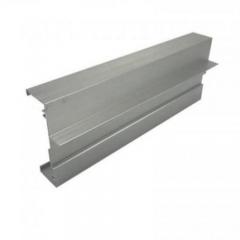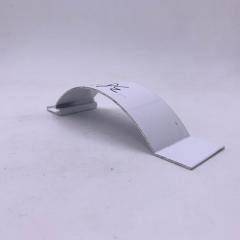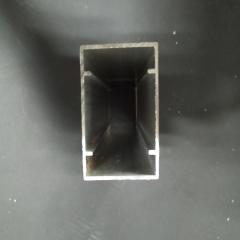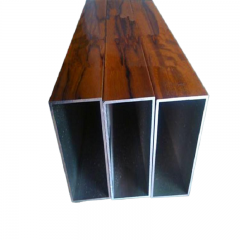
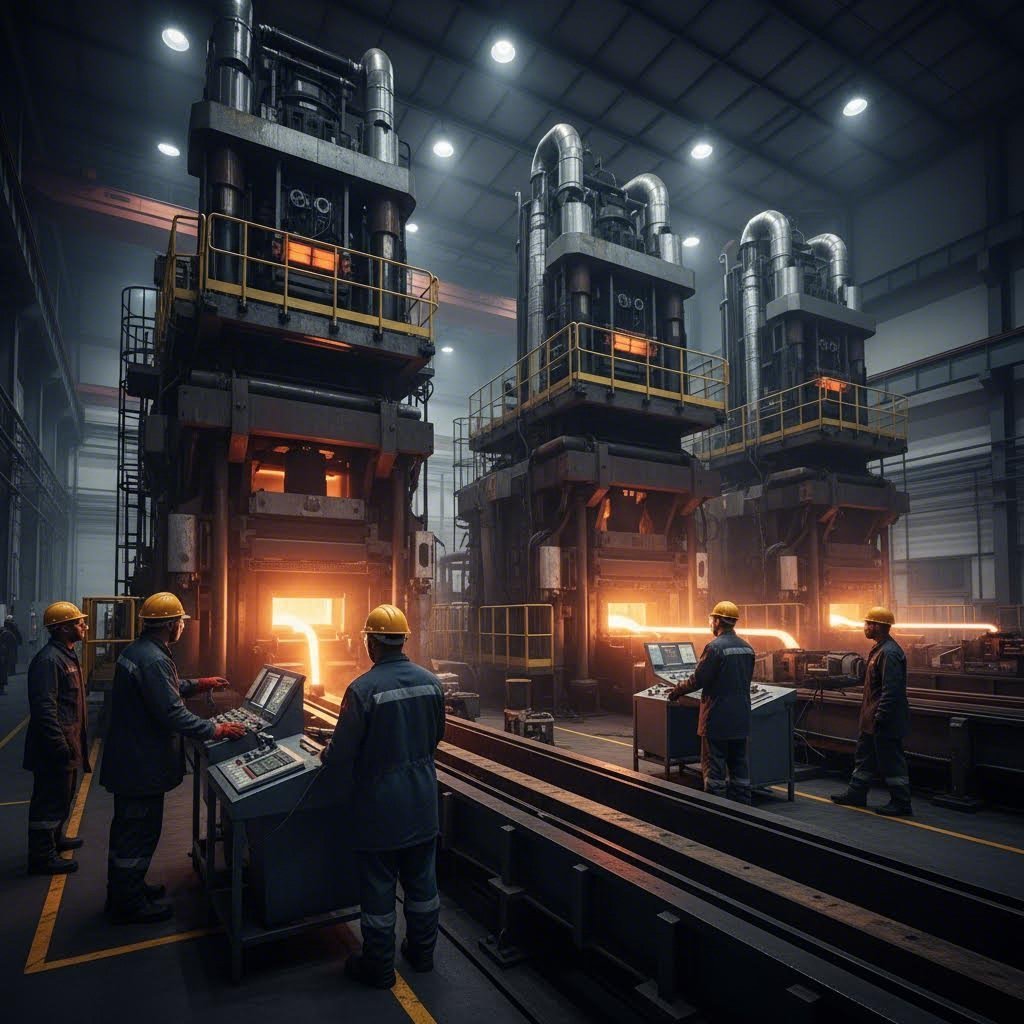
Imagine this scenario: your production line grinds to a halt because a critical custom aluminum profile is stuck on a container ship halfway across the Pacific. Sound familiar? If you've been sourcing in Mexico or considering nearshoring to Mexico, you're already ahead of the curve. But what does it actually mean to nearshore your aluminum extrusion supply chain?
Nearshoring aluminum extrusion is a strategic manufacturing approach that relocates production of custom aluminum profiles from distant overseas suppliers—typically in Asia—to geographically closer regions like Mexico. It combines the cost benefits of outsourcing with the agility and control of regional manufacturing. While plenty of content discusses general nearshoring strategies or aluminum extrusion processes in isolation, few resources address the unique intersection of these two concepts. That's a problem, because buyers of custom aluminum components face distinct challenges that generic advice simply doesn't solve.
For aluminum extrusion buyers, nearshoring isn't just about moving production closer to home. It's about fundamentally rethinking how you source custom profiles in an era of supply chain volatility. Unlike commodity products that can be stockpiled, aluminum extrusions are often project-specific. They require custom dies, precise tolerances, and frequent design iterations. When your supplier is 12 time zones away, even a simple specification change can add weeks to your timeline.
The Mexico automotive industry has driven much of this strategic shift. As industry experts note, Mexico has emerged as a favored hub for nearshoring—close enough to the US to keep costs low and mitigate risk, yet competitive enough to offer significant labor and trade advantages. This same logic applies directly to aluminum extrusion sourcing.
Here's where aluminum extrusion differs from other manufactured goods. Custom profiles demand close collaboration between buyer and supplier—from initial die design through production validation. Geographic proximity enables real-time communication, feasible quality control visits, and rapid problem-solving that offshore relationships simply cannot match.
The shift from Asian sourcing to regional manufacturing represents more than a logistics decision—it's a strategic repositioning that prioritizes supply chain resilience, quality control, and speed-to-market over the illusion of lowest unit cost.
Consider the current landscape: expanded Section 301 tariffs continue creating cost volatility for Asian aluminum imports. Meanwhile, global supply chain disruptions have exposed the fragility of extended overseas sourcing. For automotive buyers specifically, the growing demand for lightweight aluminum components in electric vehicles makes reliable, responsive supply chains more critical than ever.
The bottom line? Nearshoring aluminum extrusion to Mexico offers a practical path forward—one that balances cost efficiency with the operational control your projects demand. In the sections ahead, we'll explore exactly how to evaluate this opportunity for your specific applications.
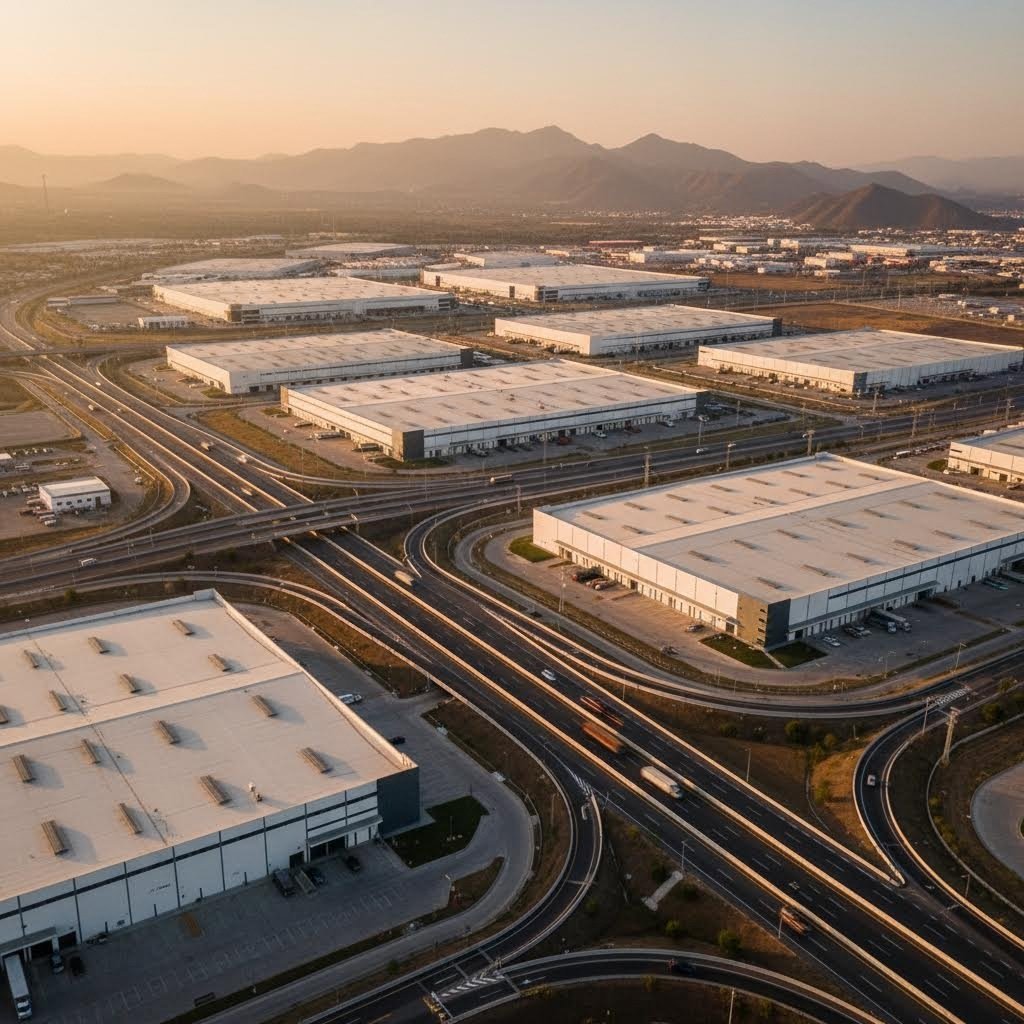
So why Mexico specifically? When you're evaluating nearshoring destinations for aluminum extrusion, infrastructure matters just as much as geography. Mexico isn't simply closer to the US—it's home to a mature manufacturing ecosystem that has been serving global automotive companies for decades. This existing foundation creates the perfect environment for aluminum extrusion suppliers to thrive.
Mexico ranks as the fifth-largest vehicle exporter in the world, producing over 4 million vehicles in 2024 alone. More than a dozen major OEMs—including Ford, General Motors, Toyota, Honda, Nissan, Volkswagen, BMW, and Kia—operate advanced assembly plants across the country. This concentration of automotive manufacturing creates natural, sustained demand for aluminum extrusion suppliers who can deliver custom profiles for everything from structural components to heat sinks.
Mexico's automotive production isn't scattered randomly across the country. Instead, it's organized into strategic manufacturing clusters that concentrate expertise, infrastructure, and supplier networks in specific regions. For aluminum extrusion buyers, understanding these clusters helps you identify where the most capable suppliers are likely to operate.
Key manufacturing regions and their aluminum processing strengths include:
This clustering effect means aluminum extrusion suppliers in these regions benefit from established logistics corridors, cross-border transportation infrastructure, and proximity to customers who already understand the value of regional sourcing.
You might wonder: can Mexican manufacturers actually deliver the quality your applications demand? The short answer is yes—and the data backs it up.
Contrary to outdated assumptions, Mexico's automotive manufacturing quality is world-class. The workforce is trained in lean manufacturing, Six Sigma, and ISO-certified processes, with support from vocational programs and engineering universities tailored to industry demands. This results in consistent production quality, low defect rates, and efficient factory operations.
Mexico's aluminum die casting market alone is projected to grow at a 7.5% CAGR through 2030, reflecting sustained investment in aluminum processing capabilities. Major players like Nemak, Bocar Group, and Dynacast have established state-of-the-art facilities equipped with advanced automation and quality control systems. While die casting and extrusion are different processes, they share similar workforce skill requirements—precision measurement, metallurgical knowledge, and surface finishing expertise.
The practical implication? When you nearshore aluminum extrusion to Mexico, you're tapping into a labor pool that already understands automotive-grade quality standards. Entry-level manufacturing workers earn approximately $4.90 per hour—significantly lower than US rates—while delivering productivity levels that match or exceed expectations. This combination of cost efficiency and capability makes Mexico automotive manufacturing a compelling proposition for aluminum extrusion buyers seeking reliable regional suppliers.
With this manufacturing foundation in place, the next critical question becomes: how do the actual lead times and total costs compare to your current Asian sourcing arrangements?
Let's get straight to the numbers that matter most. When you're sourcing custom aluminum profiles, the sticker price on a quote sheet rarely tells the whole story. The real comparison between Asian sourcing and Mexico nearshoring requires looking at total landed cost—including shipping, inventory carrying expenses, quality risks, and the operational headaches that come with extended supply chains.
For aluminum extrusion buyers specifically, this comparison becomes even more critical. Unlike off-the-shelf commodities, custom profiles involve die development, design iterations, and project-specific tolerances. Every week of delay costs money. Every quality issue requires communication across time zones. And when things go wrong, geographic distance determines whether you can fix problems in days or months.
Here's where the math gets interesting. When companies opt for nearshore manufacturing in Mexico, transit time is measured in days or weeks rather than months. A US company shifting production to Mexico can reduce delivery timelines by more than half compared to sourcing from Asia.
For custom aluminum extrusions, lead time isn't just about shipping. It encompasses the entire product development cycle:
Consider the practical scenario: your engineering team identifies a tolerance issue during initial sample inspection. With a Mexican supplier, you can fly to the facility, meet with engineers face-to-face, observe the extrusion process, and approve corrections—all within a week. With an Asian supplier, that same resolution might require multiple rounds of emails, overnight calls scheduled around 12-hour time differences, and another month of ocean shipping for revised samples.
The table below illustrates how these differences compound across key operational factors:
| Factor | Asian Sourcing | Mexico Nearshoring | Impact on Custom Extrusions |
|---|---|---|---|
| Shipping Time | 4-8 weeks (ocean freight) | 2-5 days (ground/rail) | Faster design iteration; reduced project timelines |
| Minimum Order Quantities | Higher MOQs to justify freight costs | Lower MOQs feasible with reduced shipping expense | Less capital tied up in inventory; easier pilot runs |
| Timezone Overlap | 0-3 hours with US business hours | Same or 1-2 hour difference | Real-time problem solving; faster approvals |
| Quality Control Visits | 24+ hour travel; significant expense | 2-4 hour flight; day trips possible | More frequent oversight; early issue detection |
| Inventory Carrying Costs | Higher safety stock required | Leaner inventory possible | Improved cash flow; reduced warehousing needs |
| Expedited Shipping Option | Air freight adds $3-8 per kg | Express ground adds minimal cost | Emergency orders don't break the budget |
This comparison shows why Mexico's automotive industry has attracted so much manufacturing investment. The proximity advantage compounds across every stage of the supply chain relationship.
When calculating total landed cost, it's essential to include inventory carrying expenses, quality risks, and the cost of extended delivery cycles. Nearshoring, although slightly higher in unit cost, reduces these hidden risks and allows more frequent, smaller-batch shipments.
The hidden costs of overseas sourcing that erode apparent savings include:
Automotive production in Mexico benefits from USMCA trade provisions that Asian suppliers simply cannot access. When factoring in logistics, lead times, and compliance benefits, Mexico emerges as the more competitive option for US-bound manufacturing—particularly for custom aluminum components that require ongoing collaboration.
Think about it this way: a 15% lower unit price from an Asian supplier sounds attractive on paper. But add 25% tariffs, $2,500 per container shipping costs, 8 weeks of inventory carrying expense, and even one quality rejection requiring air-freighted replacements—and that savings evaporates entirely. Meanwhile, you've absorbed stress, management time, and customer relationship risk that never shows up on a purchase order.
Mexico's automotive industry continues expanding precisely because manufacturers have done this math. The strategic value of supply chain resilience, quality control access, and operational agility increasingly outweighs marginal unit cost differences. For aluminum extrusion buyers evaluating their sourcing options, the question isn't just "where can I get the lowest quote?" but rather "where can I build a reliable, responsive supply chain that supports my business goals?"
Of course, cost and lead time advantages only matter if the trade framework supports them. Understanding how USMCA rules apply specifically to aluminum components becomes essential for capturing the full benefit of regional sourcing.
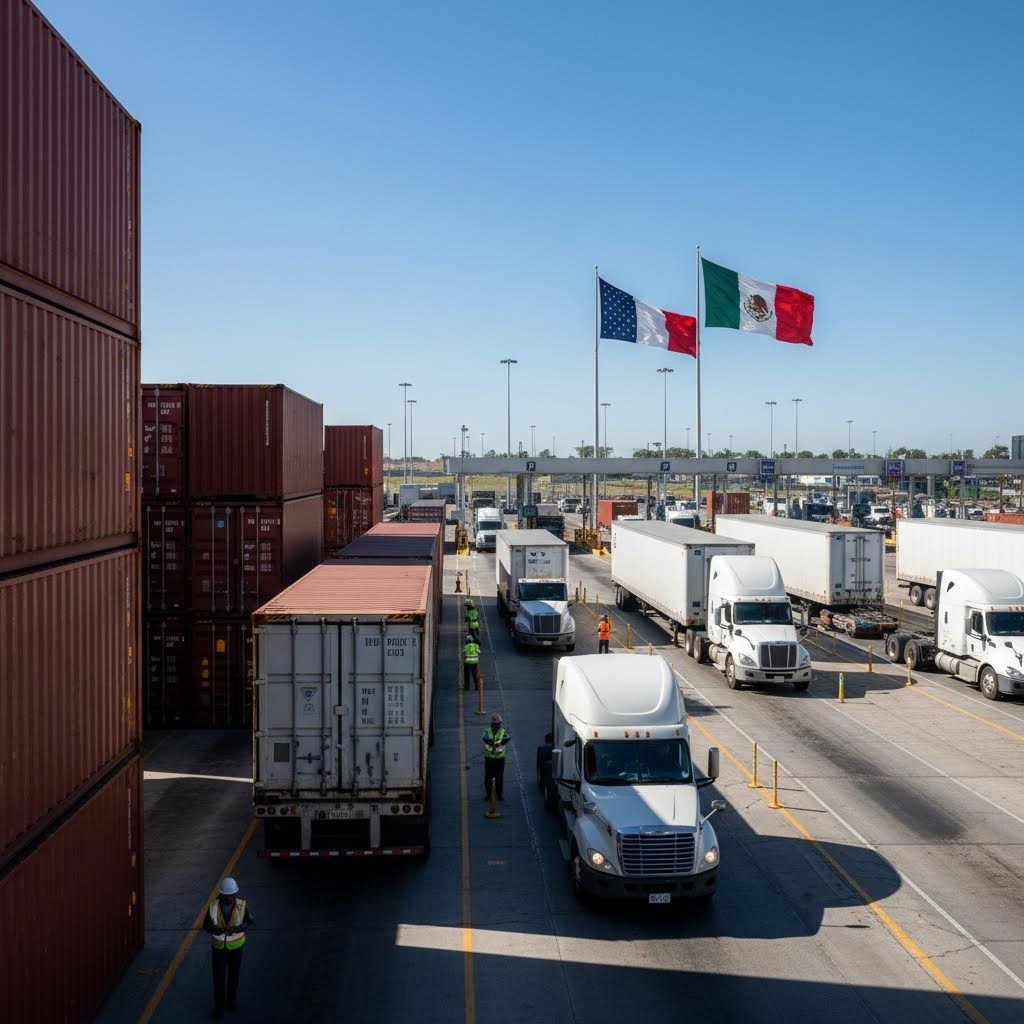
You've seen the lead time and logistics advantages. But here's where regional sourcing delivers perhaps its most powerful financial benefit: trade policy. The United States-Mexico-Canada Agreement (USMCA) creates a framework that can dramatically reduce—or eliminate—tariffs on aluminum extrusion products manufactured in Mexico. Understanding these rules isn't optional; it's essential for capturing the full value of your nearshoring strategy.
For aluminum extrusion buyers, USMCA compliance determines whether your components enter the US duty-free or face significant tariffs. The difference can swing your total landed cost by 10-25%, making trade compliance as important as any technical specification in your supplier evaluation.
Under USMCA, a product qualifies for preferential tariff treatment when it meets specific origin criteria. According to the Congressional Research Service, goods must satisfy regional value content (RVC) requirements—meaning a certain percentage of the product's value must originate within North America.
For automotive aluminum components specifically, USMCA tightened these requirements significantly compared to the previous NAFTA framework. The agreement now mandates that 70% of a vehicle manufacturer's steel and aluminum purchases by value must originate in North America. This creates strong incentives for OEMs to source aluminum extrusions from Mexico rather than overseas suppliers.
But here's where it gets more complex. Recent policy changes have added "melt and pour" requirements that directly affect aluminum sourcing decisions. According to Fastmarkets, aluminum imports from Mexico must not contain primary aluminum that was smelted or cast in China, Russia, Belarus, or Iran to avoid facing a 10% tariff under Section 232.
What does this mean practically? Your Mexican aluminum extrusion supplier needs clear documentation of their billet sourcing. If the raw aluminum was originally smelted in a restricted country—even if it was subsequently processed in Mexico—your components may not qualify for preferential treatment.
The tariff landscape for aluminum extrusions creates a stark contrast between regional and overseas sourcing. As outlined in the April 2025 executive order analysis, the current framework establishes a binary structure:
For aluminum extrusion buyers, this means properly documented Mexican-sourced components can enter the US completely duty-free. Meanwhile, identical profiles from Asian suppliers face compounding tariffs that eliminate any apparent unit cost advantage.
The automotive sector faces additional scrutiny. Proclamations issued in early 2025 impose a 25% tariff on critical auto parts that don't meet USMCA origin criteria. For aluminum structural components, battery enclosures, and thermal management systems destined for automotive OEMs, USMCA compliance isn't just advantageous—it's often required to remain competitive.
Key compliance considerations for aluminum extrusion buyers include:
Looking ahead, the 2026 USMCA joint review represents both an opportunity and a risk. Numerous stakeholders have raised automotive trade rules as a potential topic during this review. Establishing Mexico-based supply chains now positions your organization to benefit from current preferential treatment while building relationships that can adapt to future policy adjustments.
The strategic implication is clear: companies that establish compliant regional supply chains today gain tariff advantages that compound over time. As trade policy continues evolving, those with documented, USMCA-qualifying aluminum sources will maintain cost competitiveness while competitors scramble to restructure overseas relationships.
With the trade framework understood, the next step is knowing exactly what to look for when evaluating potential aluminum extrusion suppliers in Mexico.
So you've identified the lead time advantages, calculated the total cost benefits, and understand how USMCA trade rules work in your favor. Now comes the critical question: how do you actually evaluate potential suppliers to ensure your nearshoring strategy delivers results? Choosing the wrong partner can transform a smart strategic move into an expensive headache.
Aluminum extrusion supplier evaluation requires looking beyond basic quotes and sales presentations. You need a structured framework that assesses technical capabilities, quality systems, and operational readiness. Think of this as your nearshoring supplier checklist—the systematic approach that separates capable automotive grade aluminum suppliers from those who simply claim to be.
Before committing to any supplier relationship, you'll want to verify that their manufacturing capabilities actually match your project requirements. A well-equipped aluminum manufacturing company should operate extrusion presses from 600 to 2,500 tons and offer anodizing, powder coating, and CNC machining in-house.
Here's a structured evaluation framework to guide your assessment:
During your evaluation, request documentation that demonstrates actual capability rather than just promises. Ask for SOP documents from production lines, sample inspection reports, and traceability records for raw materials. A supplier confident in their processes will share this information readily.
Why do certifications matter so much for nearshored aluminum extrusion operations? Because they provide third-party validation that a supplier's quality management systems meet recognized international standards. Without this verification, you're essentially taking the supplier's word for their capabilities.
According to Xometry's certification guide, IATF 16949 is a quality management system specifically designed for automotive manufacturers. It builds on ISO 9001 requirements while adding automotive-specific guidelines that emphasize defect prevention, waste reduction, and continuous improvement. Certification is binary—a company either meets the standard or doesn't. There are no partial certifications or variations.
For aluminum extrusion buyers supplying automotive OEMs, working with IATF 16949-certified suppliers isn't just recommended—it's often required. Major automakers typically mandate that tier-one and tier-two suppliers maintain this certification. Even if your immediate customer doesn't require it, having certified suppliers in your chain strengthens your competitive position.
The IATF 16949 audit process evaluates suppliers across seven key sections:
Beyond IATF 16949, verify these additional quality certification requirements:
How do you verify these certifications aren't just paper exercises? Request audit results, not just certificates. Ask about recent non-conformances and how they were resolved. A mature quality system will have documented corrective actions that demonstrate continuous improvement in practice.
Consider conducting virtual or physical facility audits before finalizing supplier relationships. As noted in supplier audit guidelines, check for PPE usage, fire safety, machine guarding, and general cleanliness during visits. A clean, organized factory typically indicates disciplined processes throughout the operation.
Finally, evaluate the supplier's communication infrastructure. Ensure they assign a fluent English-speaking contact who responds within 24 hours. Ask how they handle quality disputes, order tracking, and design change requests. The best suppliers provide proactive service and detailed updates without you needing to chase information.
With your supplier evaluation framework in place, you're ready to assess how specific industry applications—particularly the growing electric vehicle market—are driving demand for nearshored aluminum extrusion capabilities.

Here's the reality reshaping aluminum extrusion demand: the global automotive aluminum market is projected to grow from USD 19.2 billion in 2025 to USD 32.1 billion by 2035. That's a 5.3% CAGR driven almost entirely by electric vehicles and lightweighting requirements. For buyers considering nearshoring their aluminum extrusion supply chain, this trend creates both urgency and opportunity.
Why does this matter for your Mexico sourcing strategy? Because EV aluminum components aren't commodities you can stockpile months in advance. They're complex, custom-engineered profiles that require close collaboration between designers and manufacturers. When Tesla, GM, or Ford needs a modified battery enclosure extrusion for their next platform iteration, they can't wait 8 weeks for ocean freight from Asia. They need suppliers who can respond in days, not months.
Electric vehicles have fundamentally changed how automakers think about aluminum. In traditional internal combustion vehicles, aluminum was a nice-to-have for weight reduction. In EVs, it's structurally essential. The battery pack alone can weigh 500 kg—and according to e-mobility engineering research, roughly 100 kg of that weight is wrapped up in enclosure materials.
Around 80% of battery pack enclosures today are constructed from aluminum, and for good reason. Aluminum extrusions deliver a unique combination of properties that EV platforms demand:
The Mexico automotive service market has responded to this demand. According to IMARC Group research, Mexico's aluminum extrusion market reached USD 1.2 billion in 2024 and is projected to hit USD 2.4 billion by 2033—a 7.5% CAGR that outpaces global averages. Manufacturers in states like Nuevo León, Puebla, and Guanajuato are adding new production lines specifically to serve EV platforms requiring tailored shapes and thermal management solutions.
Key automotive aluminum extrusion applications driving this growth include:
Lightweighting isn't just a regulatory checkbox—it's now a range strategy. Every 100 kg removed from an EV can extend range by 6-10%. And when automakers invest billions in battery technology, they don't want those gains erased by excess vehicle weight.
Consider the numbers: Ford's F-150 Lightning uses extensive aluminum in body panels and structural elements. GM's Silverado EV increased aluminum content in the body-in-white to remove over 400 kg while maintaining structural rigidity. Tesla's platforms leverage aluminum-intensive architectures to balance crash performance with range and acceleration. These aren't isolated decisions—they represent a fundamental industry shift toward aluminum as the structural backbone of modern vehicle engineering.
This shift creates a specific challenge that nearshoring directly addresses: rapid iteration. EV development programs move faster than traditional automotive cycles. Battery technology evolves monthly. Crash testing reveals needed modifications. Customer feedback drives design changes. When your aluminum extrusion supplier is 12 time zones away, each iteration adds weeks to your development timeline.
Proximity to automotive OEMs in Mexico becomes critical for several reasons:
The automotive production volume concentrated in Mexico creates natural pull for aluminum extrusion capacity. With over 4 million vehicles produced annually and major OEMs including Tesla, BMW, and Volkswagen expanding Mexican operations, suppliers investing in EV-specific capabilities find ready customers. Strong supplier linkages with US-based auto companies drive consistency in cross-border extrusion demand.
What does this mean for your sourcing decisions? If you're supplying EV components—or your customers are—nearshoring aluminum extrusion to Mexico positions you to meet the speed, flexibility, and collaboration requirements that electric vehicle development demands. The question isn't whether EV aluminum demand will grow; it's whether your supply chain can keep pace with the industry's evolution.
Of course, meeting this demand requires more than just proximity. Understanding the raw material supply chain—particularly aluminum billet sourcing and alloy availability in the USMCA region—becomes essential for reliable production.
You've evaluated suppliers, understood trade requirements, and identified your application needs. But here's a question that often gets overlooked: where does the aluminum itself come from? For nearshored aluminum extrusion projects, raw material sourcing directly impacts quality consistency, USMCA compliance, and ultimately your product performance.
Unlike finished components that can be inspected upon arrival, aluminum billet quality determines outcomes before extrusion even begins. Inconsistent alloy chemistry leads to unpredictable mechanical properties. Contaminated billets cause surface defects that show up after anodizing. Understanding the regional aluminum supply chain isn't just technical detail—it's risk management.
Established extrusion facilities in Mexico typically source billets through multiple channels to ensure supply continuity. Primary aluminum smelters in the US and Canada provide USMCA-compliant material that satisfies origin requirements discussed earlier. Secondary sources include domestic Mexican suppliers and qualified international sources that meet melted-and-poured documentation standards.
What should you ask your supplier about their billet procurement? Focus on these practical considerations:
Quality-focused suppliers invest in relationships that ensure consistent alloy chemistry and mechanical properties across production runs. When your application requires tight tolerances or demanding surface finishes, billet consistency becomes the foundation everything else builds upon.
Sounds complex? It doesn't have to be. Most nearshored aluminum extrusion projects use alloys from the 6000 series—specifically 6063 and 6061. These two grades account for the vast majority of extruded aluminum applications, and both are readily available through regional supply networks.
According to PSI Extrusions, both 6000-series alloys contain elevated magnesium and silicon levels compared to other aluminum grades, and both can be heat-treated to enhance mechanical properties. However, their composition differences make each better suited for specific applications.
The table below compares these common alloys and their typical uses in nearshored extrusion projects:
| Characteristic | Aluminum 6063 | Aluminum 6061 |
|---|---|---|
| Aluminum Content | 98.9% | 97.9% |
| Key Alloying Elements | 0.7% Mg, 0.4% Si | 1.0% Mg, 0.6% Si, 0.28% Cu, 0.2% Cr |
| Brinell Hardness | 73 | 95 |
| Corrosion Resistance | Superior | Good (slightly less than 6063) |
| Weldability | Excellent—easier to weld and form | Good with proper filler material |
| Surface Finish Quality | Excellent—ideal for anodizing | Good but less aesthetic appeal |
| Complex Shape Capability | Preferred for intricate designs | Better for simpler, stronger profiles |
| Typical Applications | Window frames, architectural trim, furniture, signage, electrical conduits | Structural braces, aerospace parts, truck beds, machinery components, scuba tanks |
| Regional Availability | Widely available—most common extrusion alloy | Readily available through established suppliers |
Here's a useful shorthand: when your project prioritizes aesthetics, corrosion resistance, or complex geometries, 6063 is typically your first choice. When structural strength and durability take precedence, 6061 delivers higher performance. Many suppliers refer to 6063 as "architectural aluminum" precisely because its superior surface quality after anodizing makes it the standard for visible applications.
For automotive applications discussed earlier, both alloys find extensive use. Battery enclosure components requiring crash energy absorption often specify 6061 for its higher strength. Trim pieces and interior components leverage 6063's finishing characteristics. Understanding which alloy your application requires—and confirming your supplier maintains consistent stock—prevents delays when production begins.
The bottom line? Regional aluminum supply chains in Mexico have matured alongside the manufacturing ecosystem. Established extrusion facilities maintain supplier relationships that ensure 6063 alloy availability and 6061 sourcing for structural applications. When evaluating potential partners, verify their material procurement practices as carefully as their pressing and finishing capabilities. Consistent raw materials are the foundation of consistent finished products.
With raw material considerations addressed, the final step is identifying a nearshore partner whose end-to-end capabilities match your project requirements—from die development through mass production and deep processing services.
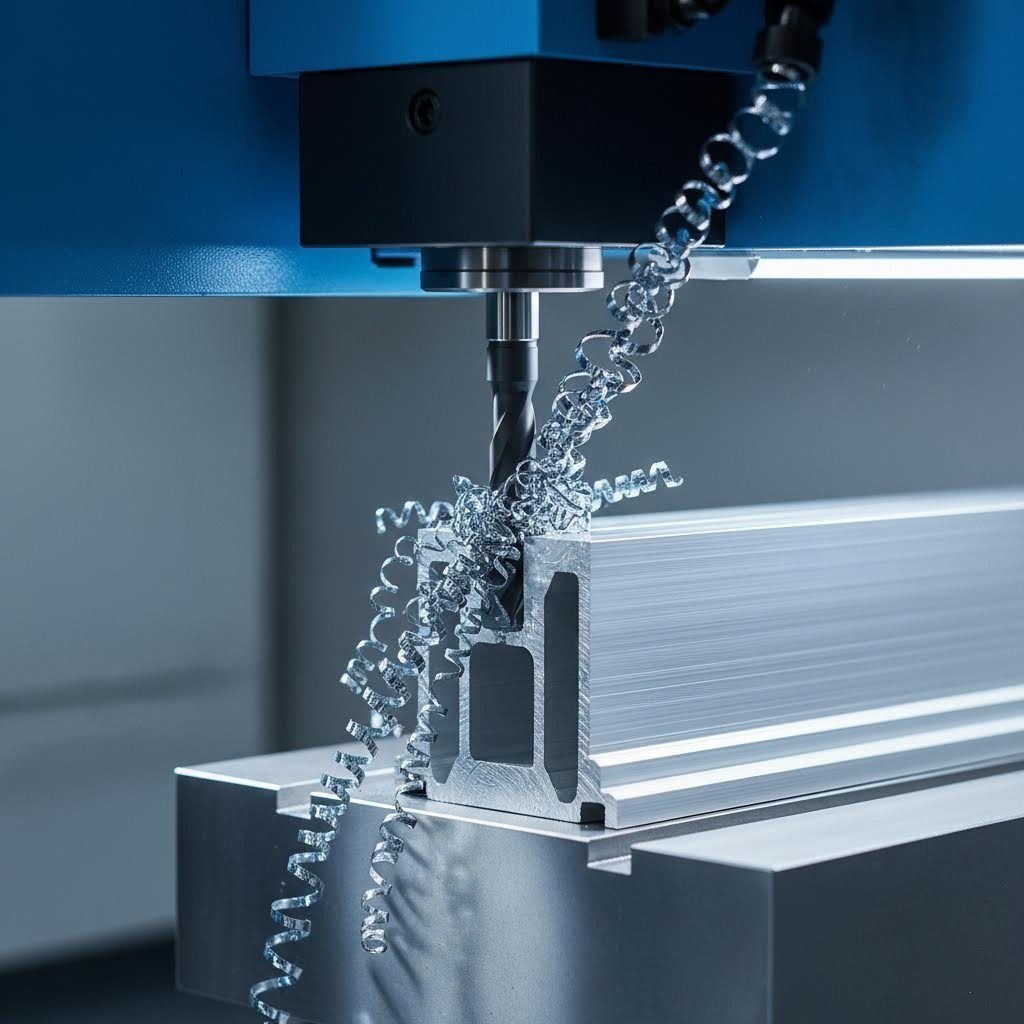
You've done the research. You understand the lead time advantages, calculated total landed costs, verified USMCA compliance requirements, and identified the technical specifications your projects demand. Now comes the decision that determines whether your nearshoring strategy succeeds or stumbles: choosing the right aluminum extrusion partner.
Think of this selection as the difference between buying ingredients and hiring a chef. Many suppliers can extrude aluminum profiles. Far fewer offer the comprehensive capabilities—from initial die development through finished, ready-to-install components—that eliminate coordination headaches and compress your supply chain into a single relationship. Finding a nearshore manufacturing partner with genuine end-to-end capabilities transforms your sourcing strategy from a theoretical advantage into operational reality.
What separates a capable aluminum extrusion partner from one that will create more problems than they solve? The answer lies in manufacturing depth. According to Star Extruded Shapes, turnkey capabilities enable suppliers to become your one-stop source for any aluminum extrusion requirement—combining extrusion, fabrication, finishing, and complete assembly under one roof.
When evaluating potential partners for your nearshoring strategy, prioritize these essential capabilities:
Why does this manufacturing breadth matter so much? Consider a practical scenario: your engineering team designs a new extruded aluminum housing that requires anodizing, precision CNC drilling for mounting holes, and assembly with rubber gaskets before shipping to your production facility. With a single-capability supplier, you're coordinating three or four vendors, managing multiple shipments, and absorbing quality risk at each handoff. With a comprehensive partner, one purchase order covers everything—and one team takes accountability for the finished result.
The aluminum extrusion partner selection process shouldn't focus solely on current capabilities. You need a partner who can support your projects from initial concept through volume production and beyond. This lifecycle approach distinguishes transactional suppliers from strategic partners.
Here's what that end-to-end support looks like in practice:
Design and engineering collaboration – Experienced partners review your profile designs before die production begins. They identify potential extrusion challenges, suggest modifications that improve manufacturability, and help optimize wall thicknesses for cost efficiency without sacrificing performance.
Prototype and sample production – Before committing to production tooling, you need samples for fit checks, customer approval, or testing. Partners with flexible scheduling can produce prototype quantities without the minimum order requirements that commodity suppliers demand.
Production scaling – Your initial order might be 500 pieces. Six months later, you need 50,000. A capable partner has the press capacity, material sourcing relationships, and operational systems to scale without quality degradation or extended lead times.
Ongoing technical support – Questions arise during production. Specifications need clarification. Design changes emerge from field feedback. Partners who assign dedicated account contacts and technical specialists ensure issues get resolved quickly rather than languishing in email queues.
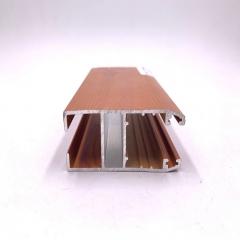
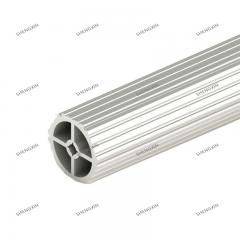
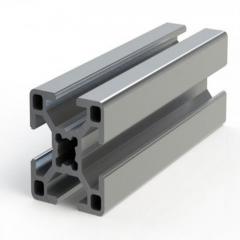
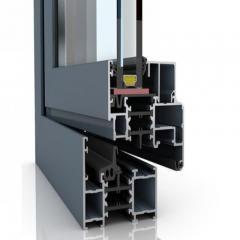
As an example of comprehensive service offerings in this space, Shengxin Aluminium's deep processing and custom extrusion services demonstrate what end-to-end capabilities look like at scale. With 35 advanced extrusion presses ranging from 600T to 5500T and state-of-the-art CNC machining centers, they handle profile sizes from precision architectural trim to heavy industrial components. Their surface treatment options span anodizing in custom colors, powder coating, PVDF, and micro-arc oxidation—all performed in-house rather than outsourced. Over 30 years of industry experience translates into engineering support from initial die development through mass production ramp-up.
This type of integrated capability matters because it directly addresses the coordination complexity that undermines many nearshoring initiatives. When your custom extrusion services provider handles everything from raw billet to finished, packaged components, you eliminate the vendor management overhead that can consume the time savings nearshoring is supposed to deliver.
Cost remains a primary driver for nearshoring decisions—but not just unit cost. The total value equation includes responsiveness, quality consistency, and the hidden expenses of managing fragmented supply chains.
Factory-direct pricing from established manufacturers eliminates trading company markups that inflate quotes without adding value. When you work directly with a facility like Shengxin Aluminium that operates its own presses, finishing lines, and machining centers, you're paying for capability rather than intermediary margins. Combined with regional logistics advantages, this direct relationship model delivers cost competitiveness while maintaining quality control accountability.
Before finalizing any partnership, consider these practical verification steps:
The right aluminum extrusion partner doesn't just manufacture profiles—they become an extension of your supply chain operations. They anticipate problems before they affect your production schedule. They suggest design improvements that reduce your costs. They maintain capacity flexibility that lets you respond to demand fluctuations without the inventory risk of overseas sourcing.
Nearshoring aluminum extrusion to Mexico offers genuine strategic advantages: compressed lead times, reduced logistics costs, USMCA trade benefits, and proximity that enables real collaboration. But those advantages only materialize when you select a partner whose aluminum deep processing capabilities match your project requirements. Take the time to evaluate thoroughly, verify claims with evidence, and build relationships with suppliers who understand that your success drives their success.
Nearshoring aluminum extrusion involves relocating custom aluminum profile production from distant overseas suppliers to geographically closer regions like Mexico. Mexico is preferred because it offers proximity to US markets, established automotive manufacturing infrastructure, USMCA trade benefits, same-timezone communication, and a skilled workforce trained in precision manufacturing. Companies like Shengxin Aluminium provide comprehensive extrusion services with 35 presses and full deep processing capabilities that support nearshoring strategies.
Nearshoring to Mexico offers significant advantages over Asian sourcing. Shipping times drop from 4-8 weeks to 2-5 days, enabling faster design iterations and just-in-time delivery. Timezone overlap allows real-time communication, while quality control visits become day trips instead of expensive international travel. Total landed costs often favor Mexico when factoring in tariffs, inventory carrying costs, and hidden expenses like expedited shipping for urgent orders.
USMCA requires that aluminum products meet regional value content thresholds and melt-and-pour origin requirements. Automotive aluminum purchases must have 70% of value originating in North America. Additionally, aluminum must not contain primary material smelted in restricted countries like China or Russia to avoid 10% Section 232 tariffs. Proper documentation of billet origin and certificates of origin are essential for duty-free treatment.
Essential certifications include ISO 9001:2015 for quality management and ISO 14001 for environmental compliance. For automotive applications, IATF 16949 certification is critical as it demonstrates automotive-specific quality standards including defect prevention and continuous improvement. Also verify material certifications for alloy traceability, and confirm suppliers can provide USMCA origin documentation.
The 6000-series alloys dominate nearshored aluminum extrusion projects. Aluminum 6063 is preferred for architectural applications requiring excellent surface finish and anodizing quality, while 6061 offers higher strength for structural components like automotive crash management systems. Both alloys are readily available through regional supply networks in Mexico, with established suppliers maintaining consistent stock for production continuity.



 บริการออนไลน์
 0086 136 3563 2360
 sales@sxalu.com
 +86 136 3563 2360
 ไทย
ไทย English
 français
 Deutsch
 русский
 español
 português
 العربية
 Việt
Việt Українська