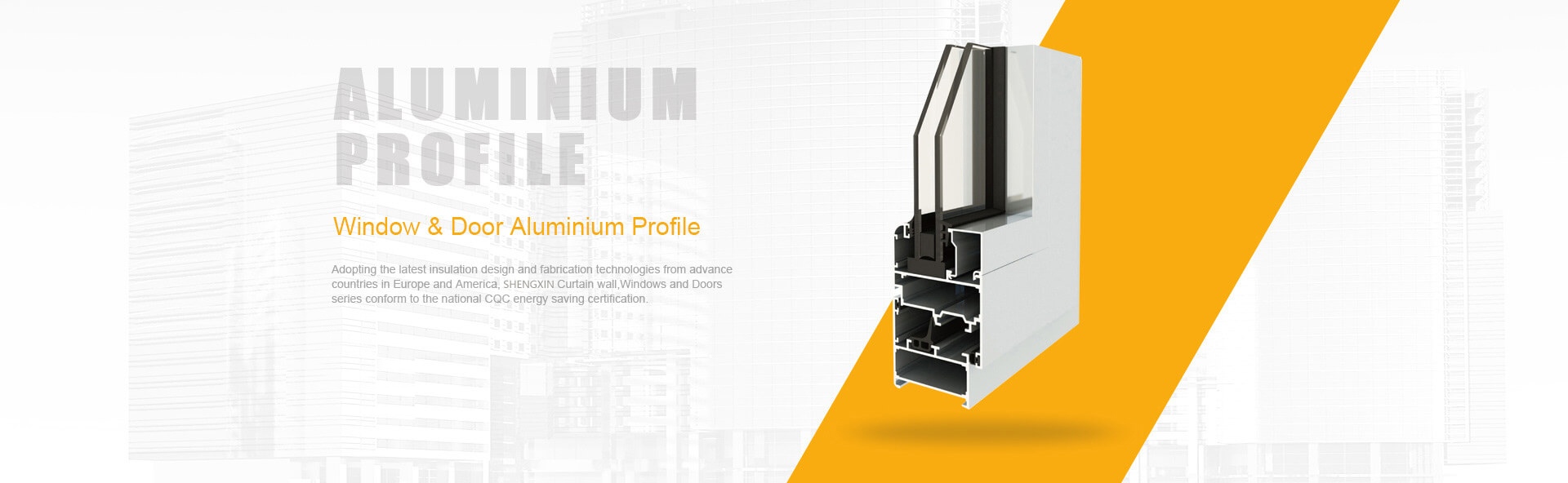
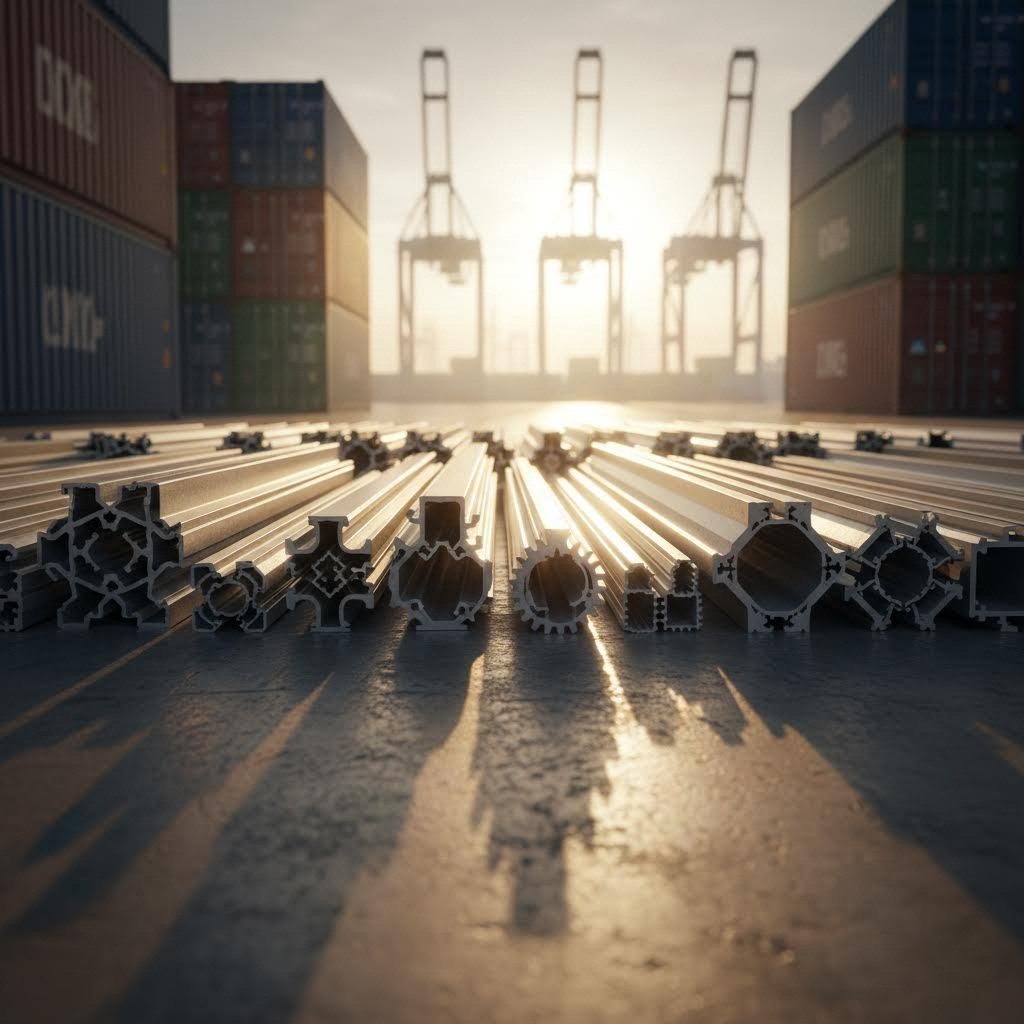
If you're sourcing materials for construction, electronics, automotive components, or industrial equipment, you've likely encountered aluminum extrusions. But what exactly are they, and why do so many businesses turn to China for their supply? Understanding these fundamentals is your first step toward making smarter import decisions.
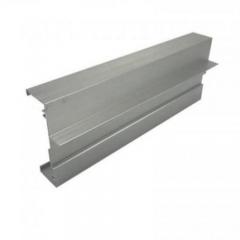
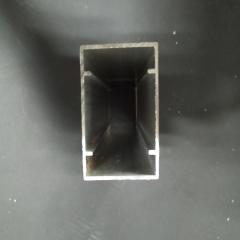
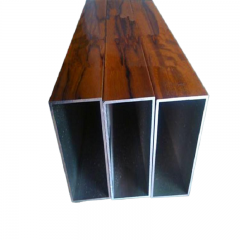
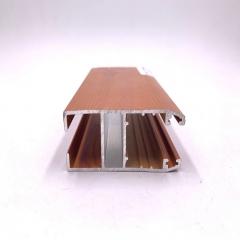
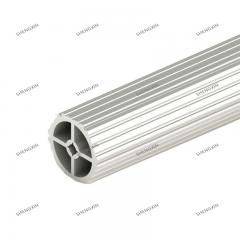
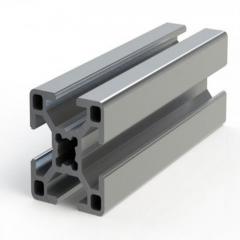
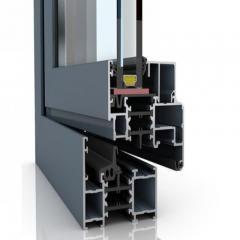
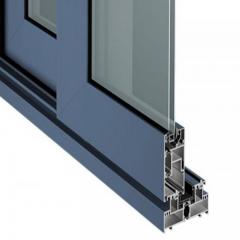
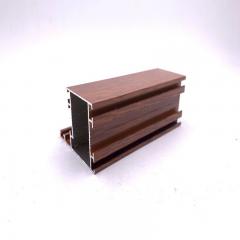
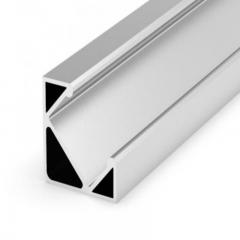
Imagine pushing heated aluminum alloy through a shaped opening - much like squeezing toothpaste through a tube. That's the aluminum extrusions definition in its simplest form. The process creates long profiles with specific cross-sectional shapes that can be solid, hollow, or semi-hollow. These profiles typically come in lengths of 8 to 24 feet and can then be heat treated, finished, and fabricated to meet your exact specifications.
Why do businesses import these products? The answer comes down to versatility and cost. Extruded aluminum profiles appear in window frames, solar panel mounts, heat sinks for electronics, structural components, and thousands of other applications. They offer an unbeatable combination of strength, light weight, and corrosion resistance. For small-to-medium importers, sourcing internationally often means accessing better pricing, specialized capabilities, and production scales that domestic suppliers simply cannot match.
Here's a number that puts everything into perspective: China accounted for approximately 65 percent of global aluminum extrusion usage in 2024. That's not a typo - nearly two-thirds of the world's aluminum extrusion consumption flows through Chinese manufacturers. In 2024, China's consumption reached 22.32 million tonnes, climbing to roughly 22.87 million tonnes by 2025.
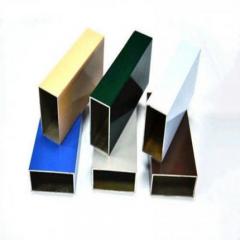
What does this dominance mean for you as an importer? Chinese manufacturers have built massive infrastructure, developed extensive technical expertise, and achieved economies of scale that keep prices competitive. They offer diverse surface treatments - anodizing, powder coating, PVDF finishes - along with CNC machining and custom die development. This explains why China aluminium imports remain attractive despite complex duty structures.
However, importing aluminum extrusions from China isn't as simple as placing an order. You're navigating anti-dumping duties, countervailing duties, Section 301 tariffs, documentation requirements, and customs procedures that can overwhelm even experienced importers. Information is scattered across legal databases, trade publications, and government websites, leaving many businesses uncertain about how to proceed.
That's exactly why this guide exists. In the following sections, you'll find everything consolidated in one resource - from understanding the AD/CVD landscape and identifying potential exemptions to selecting reliable suppliers and clearing customs smoothly. Whether you're exploring your first import or looking to optimize an existing supply chain, this practical walkthrough will give you the clarity you need to move forward confidently.

So you've found a Chinese supplier offering competitive pricing on aluminum extrusions. Before you place that order, there's a critical question you need to answer: how much will duties actually add to your costs? The answer isn't straightforward because multiple duty layers can stack on top of each other, sometimes turning an attractive quote into an unexpectedly expensive purchase.
Back in 2011, the U.S. Department of Commerce issued what's known as the A-570-967 and C-570-968 orders - the original aluminum extrusion anti dumping and countervailing duty cases targeting Chinese imports. But what triggered these orders in the first place?
Simply put, U.S. manufacturers argued that Chinese producers were selling aluminum extrusions at unfairly low prices - below what it cost to produce them - while also receiving government subsidies that gave them an unfair advantage. After investigating these claims, Commerce agreed and imposed two types of duties:
These original 2011 orders remain active today. According to current Commerce data, duty rates under these orders range from 32.79% to 33.28% for anti-dumping and 8.02% to a staggering 374.15% for countervailing duties, depending on the specific Chinese exporter.
Here's where things get complicated for importers. Chinese aluminum extrusions don't just face AD/CVD duties - they're also subject to Section 301 tariffs. These tariffs, originally imposed in 2018, target Chinese goods as part of broader trade actions related to technology transfer and intellectual property concerns.
The Office of the U.S. Trade Representative concluded in its May 2024 statutory review that Section 301 tariffs should remain in place, with steel and aluminum products specifically increasing to 25%. USTR stated that this increase will reduce "opportunities for circumvention and help ensure the long-term viability of U.S. production."
What does this stacking look like in practice? Consider this breakdown:
When you add these layers together, your landed cost can increase dramatically beyond the quoted product price.
Earlier in 2024, Commerce issued preliminary affirmative determinations on aluminum extrusions antidumping and CVD duties from 14 countries: China, Colombia, Ecuador, India, Indonesia, Italy, Malaysia, Mexico, South Korea, Taiwan, Thailand, Turkey, the United Arab Emirates, and Vietnam. This significantly broadened the scope beyond the original 2011 China orders.
The preliminary AD rates varied dramatically:
| Country | Preliminary AD Rate Range |
|---|---|
| China | 4.91% to 376.85% |
| Turkey | 45.41% to 594.55% |
| Mexico | 9.18% to 82.03% |
| Indonesia | 5.65% to 112.21% |
| Taiwan | 0.73% to 67.86% |
| Thailand | 2.02% to 4.04% |
However, in a surprising turn, the U.S. International Trade Commission made a final adverse determination on October 30, 2024. The ITC concluded that the U.S. aluminum extrusion industry is not materially harmed by imports from these 14 countries. This means:
This is significant news if you've been paying deposits on entries from these countries since May 2024 - those funds should be coming back to you. But don't mistake this for a free pass on Chinese imports. The pre-existing 2011 orders continue requiring AD/CVD cash deposits on covered Chinese aluminum extrusions.
Understanding which of your specific products fall under these orders - and whether any exemptions might apply - is the next critical step in your import strategy.
Here's something many importers overlook: not every aluminum extrusion product from China is subject to AD/CVD duties. Certain products are explicitly excluded, and understanding these exemptions could save your business substantial money. The question is - does your specific product qualify?
The 2011 aluminum extrusion case established clear boundaries around what's covered and what's excluded. According to the Federal Register scope language, certain aluminum alloy series and product types fall outside the duty orders entirely:
Beyond alloy-based exclusions, specific product configurations also escape duty coverage. Large multi-finned heat sinks meeting certain dimensional criteria - either an aspect ratio greater than 15:1 or a circumscribing circle diameter exceeding 10 inches with weight over 3.50 pounds per foot - are excluded. Certain collapsible tubular containers made from alloy code 1080A with specific dimensions also fall outside the scope.
What about the recent ITC south ruling affecting 14 countries? The October 2024 ITC decision determined that imports from China, Colombia, Ecuador, India, Indonesia, Italy, Malaysia, Mexico, South Korea, Taiwan, Thailand, Turkey, UAE, and Vietnam under the new 2023 investigation are not causing material injury to U.S. industry. This means no new AD/CVD orders will be issued for those cases - and any cash deposits you've paid since the preliminary determinations will be refunded.
However, keep this critical distinction in mind: the original 2011 AD/CVD orders (A-570-158 scope and related cases) on Chinese aluminum extrusions remain fully active. Only the newer investigation is being terminated.
Sounds complex? It can be. The scope language runs dozens of pages and includes detailed technical specifications. If you're uncertain whether your specific product falls within or outside the duty orders, you have a formal process available: requesting a scope ruling from the Department of Commerce.
A scope ruling provides an official determination on whether your particular product is covered by an AD/CVD order. This isn't just helpful for peace of mind - it's essential documentation that protects you during customs audits and potential duty assessments.
According to the Commerce Department's filing guide, here's how the process works:
What supporting documents strengthen your case? Commerce specifically requests production specifications, bills of materials, marketing brochures, sales invoices, contracts, packing lists, and import documentation like Customs 7501 entry forms. The more concrete evidence you provide about your product's characteristics, the smoother the ruling process will be.
Processing times vary depending on complexity and Commerce's workload, but having an official scope ruling in hand gives you certainty in your import planning and protects you from unexpected duty assessments down the road.
Once you've determined your duty exposure - whether through exemptions or scope rulings - you're ready to tackle the practical mechanics of actually bringing your aluminum extrusions into the country.
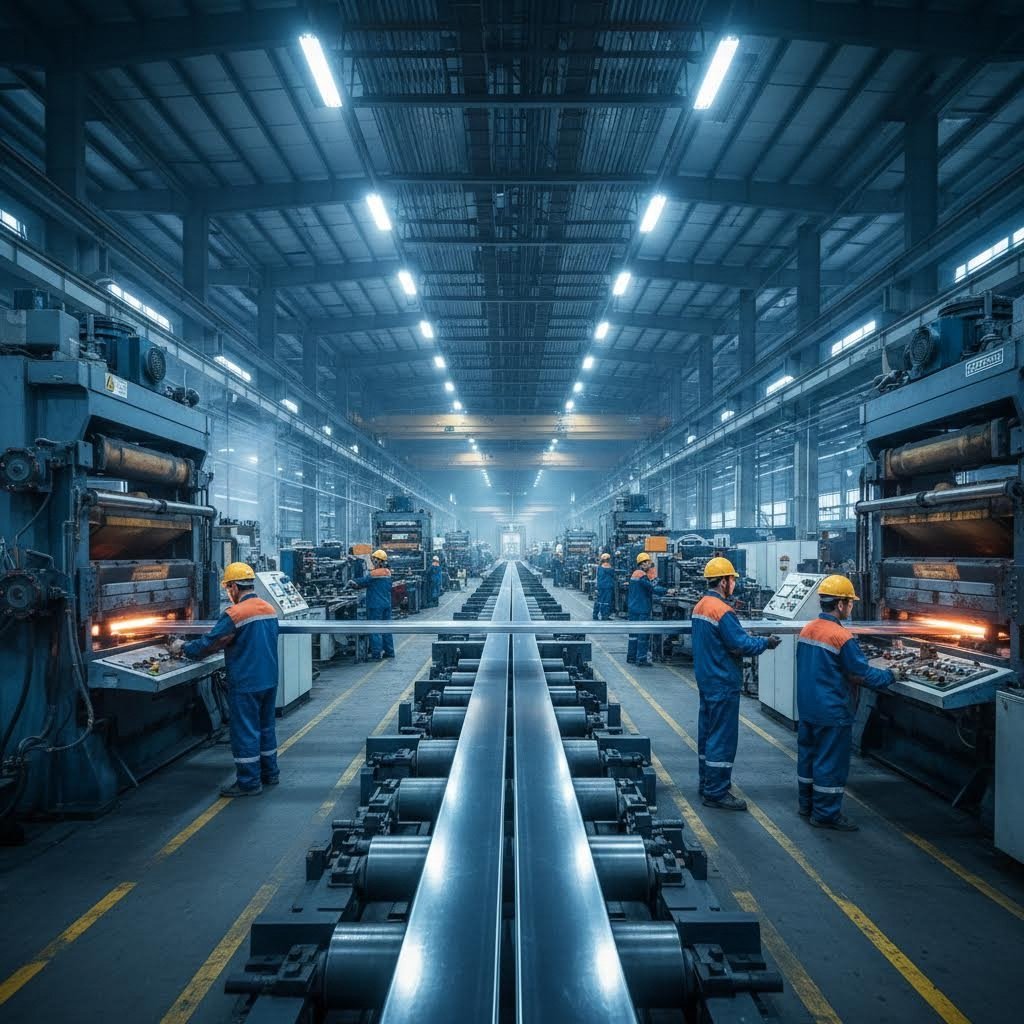
You understand the duty landscape. You've checked whether your product qualifies for exemptions. Now comes the question every first-time importer asks: how do I actually make this happen? This section walks you through the entire process - from finding your first supplier to receiving your shipment at your warehouse door.
Finding extruded aluminium suppliers is easy. Finding reliable ones? That requires a systematic approach. Chinese manufacturers range from world-class facilities with 60+ extrusion lines to small workshops with outdated equipment. Your job is distinguishing between them before your money leaves your account.
Pro tip from experienced importers: bridge language gaps by requesting bilingual documentation. Confirm all technical discussions in writing through email or messaging apps. Misunderstandings about tolerances or finishes are much easier to prevent than to fix after production.
Your supplier quoted a great price - but shipping aluminum extrusions presents unique challenges that can quickly erode those savings. These products are long, heavy, and prone to bending if handled improperly. Your shipping method choice directly impacts both cost and cargo condition upon arrival.
Ocean freight options:
Air freight considerations: Only makes economic sense for urgent, small-quantity orders or high-value specialized extrusions. Costs 4-6 times more than ocean freight per kilogram but delivers in 5-7 days. Rarely practical for standard aluminum extrusion orders.
Domestic freight challenges: Once your container arrives at port, you'll need domestic transportation. According to logistics specialists, aluminum extrusions create particular challenges. Ground carriers like UPS and FedEx charge "extreme length" surcharges starting at 48-inch packages - an additional $95 or more. For LTL (Less Than Truckload) freight, carriers factor in weight, density, distance, and stowability. Long extrusion bars create loading difficulties that increase your freight classification and costs.
Consider these strategies to manage domestic shipping costs:
Your container has arrived at a U.S. port. Now what? Customs clearance is where many first-time importers feel overwhelmed - but breaking it into discrete steps makes the process manageable.
One common mistake new importers make: underestimating the total landed cost. According to trade compliance experts, failing to accurately estimate customs duties and taxes early in the process can quickly erode your profit margins. Build these costs into your pricing calculations before committing to orders.
With your first shipment successfully cleared, you'll want to ensure every subsequent import goes just as smoothly. That means having your documentation systems locked down from day one.
You've found your supplier and understand the duty landscape. But here's where many importers stumble: paperwork. Missing a single document can hold your shipment at port for days - sometimes weeks. Incorrect classifications can trigger audits and penalties that dwarf your expected savings. Getting your documentation right from the start isn't just good practice; it's essential protection for your business.
When importing chinese aluminum extrusions, CBP requires specific documentation to verify what you're bringing in, where it came from, and how much duty you owe. Forget one piece, and your cargo sits while you scramble to fix it. Here's exactly what you need and who provides each document:
| Document | Purpose | Who Provides It | Key Details to Verify |
|---|---|---|---|
| Commercial Invoice | Establishes transaction value for duty calculation | Your Chinese supplier | Seller/buyer names, product descriptions, unit prices, total value, currency, Incoterms |
| Packing List | Details contents of each container or package | Your Chinese supplier | Item quantities, weights, dimensions, package numbers, marks |
| Bill of Lading (B/L) | Shipping contract and receipt of goods | Ocean carrier or freight forwarder | Consignee name, port of loading/discharge, container numbers |
| Certificate of Origin | Confirms country where goods were manufactured | Supplier or Chinese Chamber of Commerce | Product description matches invoice, proper stamps and signatures |
| HTS Classification | Determines applicable duty rates | You or your customs broker | Correct 10-digit code, alloy type, form, finish |
| Customs Bond | Guarantees payment of duties and compliance | Surety company through your broker | Sufficient coverage for shipment value plus duties |
| Entry Summary (CBP Form 7501) | Official import declaration to CBP | You or your customs broker | Accurate values, classifications, duty calculations |
| Arrival Notice | Notifies you when cargo arrives at port | Shipping line or freight forwarder | Vessel name, estimated arrival, container release information |
For china aluminum products subject to AD/CVD orders, you'll also need to track additional information. Effective March 12, 2025, the United States implemented a 25% ad valorem tariff on steel and aluminum products from all countries. This means your commercial invoice must include specific details about the aluminum content and country of melt and pour to facilitate proper reporting.
Getting HTS classification right is arguably your most critical documentation task. Why? Because it determines every duty rate applied to your shipment. For aluminum extrusions, classification typically falls under HTS Chapter 76, specifically heading 7604, which covers aluminum bars, rods, and profiles.
Here's where importers commonly go wrong with classification:
Can you self-file your entries? Technically, yes - if you obtain a customs bond and understand CBP's Automated Commercial Environment (ACE) system. But should you? For aluminum extrusion imports with AD/CVD exposure, the answer is almost always no.
A licensed customs broker brings expertise that protects you from costly mistakes:
How do you select the right broker? Ask these questions during your evaluation:
Expect to pay customs brokers between $100-$250 per entry for standard shipments, with additional fees for complex AD/CVD merchandise. This investment typically pays for itself by avoiding a single classification error or documentation delay.
One successful import doesn't mean you're done with documentation. CBP can audit your entries for up to five years after import - and AD/CVD administrative reviews can extend even longer. You need a system that keeps records accessible and organized.
Practical tips from experienced importers:
With solid documentation practices in place, you've built the foundation for compliant importing. But even experienced importers make mistakes that lead to penalties and delays - knowing what to avoid is just as important as knowing what to do.
You've done the hard work - found a supplier, understood your duty exposure, and assembled your documentation. But here's a sobering reality: even experienced importers make mistakes that trigger penalties, delays, and CBP scrutiny. In March 2025 alone, CBP completed 71 audits and identified $310 million in lapsed duties owed to the U.S. government. That's not a typo - $310 million in a single month. Understanding what goes wrong and how to prevent it could save your business from becoming part of those statistics.
What separates importers who clear customs smoothly from those facing holds and penalties? Often, it comes down to avoiding these common pitfalls:
Knowing what goes wrong is half the battle. Here's how to build systems that prevent these mistakes before they happen:
CBP requires importers to maintain records for five years from the date of entry - and even longer for goods subject to AD/CVD orders. Administrative reviews can occur years after import, meaning your duty deposits may be adjusted long after you've received your merchandise. What should you retain?
CBP's audit pace has accelerated dramatically. As of April 2025, CBP had completed around 200 audits and recovered $134 million - already exceeding the $117.67 million collected from 417 audits in all of the previous year. The agency's targeting focuses on three areas: valuation, classification, and origin. How do you prepare?
Under 19 U.S.C. § 1484, CBP holds the importer of record responsible for "reasonable care" when declaring classification, value, origin, and admissibility. You can use a broker, but you cannot delegate responsibility.
The complexity of aluminum import compliance is real - AD/CVD orders, Section 301 tariffs, Section 232 duties, and evolving enforcement priorities create genuine challenges. But complexity doesn't mean impossibility. Importers who build systematic compliance programs - documented processes, trained personnel, reliable brokers, and clean records - navigate this landscape successfully every day.
Given the current duty environment and enforcement intensity, some importers are reconsidering their sourcing strategies entirely. Understanding your global options helps you make informed decisions about where China fits in your supply chain.
With AD/CVD duties stacking up and enforcement intensifying, you're probably wondering: should I even bother with China anymore? It's a fair question. The October 2024 ITC ruling that determined imports from 14 countries don't injure U.S. industry - effectively blocking new AD/CVD orders on those countries - might seem like a green light to source elsewhere. But the reality is more nuanced than simply switching suppliers.
Let's be clear about what the ITC decision actually means. The Commission found that aluminum extrusions from China, Colombia, Ecuador, India, Indonesia, Italy, Malaysia, Mexico, South Korea, Taiwan, Thailand, Turkey, UAE, and Vietnam under the 2023 investigation are not causing material injury to domestic producers. This means no new AD/CVD orders will be issued for those specific cases.
However - and this is critical - the original 2011 AD/CVD orders on Chinese aluminum extrusions remain fully active. So while Mexico or Vietnam won't face the new duties that were proposed, China still carries the legacy AD/CVD burden from over a decade ago.
How do global aluminum suppliers actually compare? Here's a realistic breakdown:
| Factor | China | Mexico | Southeast Asia (Vietnam, Thailand, Indonesia) | India |
|---|---|---|---|---|
| AD/CVD Exposure | Active 2011 orders (32-374%+ combined) | No AD/CVD orders | No AD/CVD orders | No AD/CVD orders |
| Section 301 Tariffs | 25% on aluminum products | Not applicable | Not applicable | Not applicable |
| Section 232 Tariffs | 25% | Exempt under USMCA quota | 25% | 25% |
| Ocean Freight to U.S. West Coast | 14-21 days | Ground: 3-5 days | 21-28 days | 28-35 days |
| Manufacturing Maturity | World-class infrastructure | Growing, automotive-focused | Developing rapidly | Moderate |
| Minimum Order Quantities | Often flexible, even small runs | Generally higher for specialized work | Varies widely | Varies widely |
| Surface Treatment Options | Full range: anodizing, powder coating, PVDF, wood grain | Limited compared to China | Growing capabilities | Basic to moderate |
| Custom Die Development | Extensive experience, competitive pricing | Available but less depth | Improving | Available |
According to sourcing analysis from Importivity, when comparing Mexico vs China for aluminum extrusion manufacturing, China maintains clear advantages in CNC machining, aluminum extrusion, and sheet metal fabrication that Mexico cannot yet match at scale. Mexico's strength lies in its automotive sector expertise, making it competitive for certain stamping and metal assembly categories.
Sounds counterintuitive, right? Why would anyone source from China when duties can exceed 400% in extreme cases? Because the calculation isn't as simple as comparing duty rates.
Consider these scenarios where China remains the practical choice:
There's no universal answer to the aluminum extrusion sourcing question. Your decision depends on your specific product requirements, order volumes, quality tolerances, and risk appetite.
Ask yourself these questions:
The reality is that many importers maintain multiple sourcing relationships - using China for specialized or high-volume products where its capabilities justify the cost, while developing alternative suppliers for commodity extrusions where duty savings outweigh capability differences.
Whatever sourcing path you choose, partner selection becomes your most critical decision. A well-established manufacturer with comprehensive capabilities can navigate complexity you'd struggle to manage alone - from die development through finished, packaged goods ready for your warehouse.
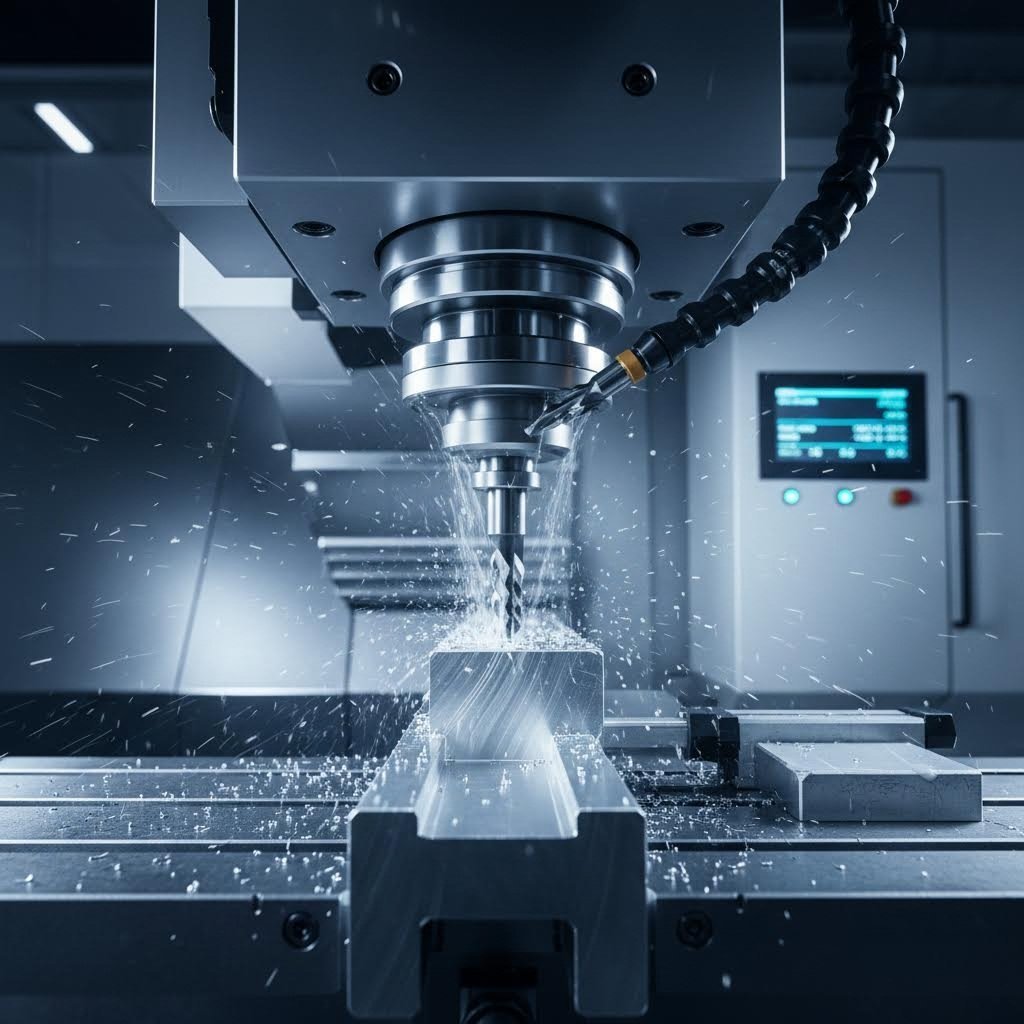
You've weighed your sourcing options and determined that China still makes sense for your aluminum extrusion needs. Now comes the decision that will determine whether your import experience is smooth or painful: choosing the right supplier. Not all Chinese aluminum extrusion manufacturers are created equal. The gap between a world-class facility and a struggling workshop can mean the difference between consistent quality and endless headaches.
When evaluating a chinese aluminum extrusion supplier, you're not just buying profiles - you're entering a manufacturing partnership. According to industry specialists, top-tier suppliers operate as an extension of your production team, supporting everything from initial consultation to final shipment. Here's what separates reliable partners from risky vendors:
Start with the fundamentals. If the supplier can't produce the profiles your customers need, nothing else matters. Evaluate these production capabilities:
Finishing impacts both function and market value. Depending on your end-use applications, you may need specific coatings or treatments. As trade experts note, you should confirm whether finishing is in-house or outsourced - this affects lead time, quality control, and cost.
Aluminum extrusion quality varies greatly across suppliers. High-performing vendors maintain rigorous quality management systems backed by internationally recognized certifications:
Beyond certifications, ask about in-house testing capabilities. Do they offer tensile strength testing, dimensional inspection using CMM equipment, salt spray resistance checks, or hardness verification? A strong QA program minimizes rejects, warranty issues, and downstream production interruptions.
The best aluminum extrusion manufacturer china partners offer more than production - they provide engineering collaboration that improves your final product:
You've reviewed capabilities on paper. Now it's time to dig deeper with specific questions that reveal how a supplier actually operates. Use this evaluation checklist:
| Evaluation Area | Questions to Ask | What Quality Suppliers Provide |
|---|---|---|
| Production Capacity | What is your monthly extrusion capacity? What press sizes do you operate? | Clear capacity figures, willingness to share equipment specifications |
| Lead Times | What's your standard lead time for custom dies? For production orders? | Realistic timelines (typically 15-25 days for dies, 20-35 days for production) |
| Minimum Orders | What are your MOQs for custom profiles versus standard shapes? | Flexibility on quantities, especially for initial orders |
| Quality Control | Can you share your QC process and testing equipment list? | Documented procedures, named equipment, sample test reports |
| Tolerance Capabilities | What dimensional tolerances can you consistently hold? | Specific tolerance ranges with supporting inspection data |
| Export Experience | What percentage of your production goes to export markets? Which countries? | Significant export history, familiarity with U.S. documentation requirements |
| References | Can you provide contacts at similar companies we could speak with? | Willingness to share references, case studies, or project examples |
For many B2B buyers, on-time delivery is just as important as product quality. Evaluate the supplier's logistics capabilities:
A supplier relationship isn't a one-time transaction - it's an ongoing partnership. Consider the supplier's business outlook:
Be cautious of suppliers who exhibit these warning signs:
Choosing the right custom aluminum extrusion factory requires balancing technical capabilities, service quality, and partnership potential. By systematically evaluating suppliers against these criteria - and verifying claims through samples, documentation, and references - you reduce sourcing risks and position your import program for success. With your supplier selected, the final step is turning your evaluation into action with a clear import strategy.
You've made it through the regulatory maze, documentation requirements, and supplier evaluation criteria. Now comes the moment that separates researchers from importers: taking action. Whether you're just exploring the aluminum extrusion buying guide basics or preparing to ship your first container, having a clear roadmap transforms overwhelming complexity into manageable steps.
Where you start depends on where you are in your importing journey. Here's a prioritized action list tailored to your current stage:
After covering the regulatory landscape, compliance requirements, and sourcing strategies throughout this aluminum extrusion import guide, certain insights deserve emphasis:
The original 2011 AD/CVD orders on Chinese aluminum extrusions remain fully active, with combined duty rates potentially exceeding 400%. However, specific alloy compositions and product configurations qualify for exemptions that could eliminate this burden entirely.
Documentation accuracy is non-negotiable. CBP completed 71 audits in March 2025 alone, identifying $310 million in lapsed duties. Your commercial invoices, HTS classifications, and valuation declarations must be precise and consistent.
China's manufacturing capabilities - 65% of global aluminum extrusion usage - remain unmatched for specialized alloys, complex profiles, and comprehensive finishing services. The duty calculation isn't always as simple as switching suppliers.
The importing aluminum from china steps aren't inherently complicated - they become overwhelming only when approached without a system. Businesses that build documented processes, maintain reliable broker relationships, and partner with capable suppliers navigate this landscape successfully every day.
Ready to start importing aluminum extrusions? Your next steps are clear:
The global aluminum extrusion market offers genuine opportunities for importers willing to invest in understanding the regulatory environment and building capable supply chains. With the right preparation, your aluminum extrusion imports can become a competitive advantage rather than a compliance headache. Explore factory-direct custom extrusion services to see how end-to-end manufacturing partnerships can simplify your sourcing strategy.
Yes, you can import aluminum extrusions from China, but you must navigate multiple duty layers including AD/CVD orders from 2011 (32.79% to 374.15% combined), Section 301 tariffs (25%), and Section 232 tariffs (25%). Sea freight is typically the most economical shipping method. Working with a licensed customs broker experienced in aluminum extrusions is essential to ensure proper classification, documentation, and duty calculation. Some products may qualify for exemptions based on alloy composition or product configuration.
U.S. tariffs on Chinese aluminum extrusions stack multiple layers: base tariff rates plus anti-dumping duties (32.79% to 33.28%), countervailing duties (8.02% to 374.15% depending on the exporter), Section 301 tariffs (25%), and Section 232 tariffs (25%). As of June 2025, duties on certain imported aluminum extrusions increased from 25% to 50%. Your total landed cost can increase significantly beyond the quoted product price, making accurate duty calculation critical before placing orders.
On October 30, 2024, the U.S. International Trade Commission determined that U.S. industry is not materially injured by imports of aluminum extrusions from 14 countries including China, Mexico, Indonesia, and Vietnam under the 2023 investigation. This means no new AD/CVD orders will be issued for those cases, and cash deposits collected since May 2024 will be refunded. However, the original 2011 AD/CVD orders (A-570-967/C-570-968) on Chinese aluminum extrusions remain fully active.
Several product categories are exempt from the 2011 AD/CVD orders. These include Series 2 alloys with more than 1.5% copper, Series 5 alloys exceeding 2.0% magnesium, and Series 7 alloys with more than 2.0% zinc. Additionally, aluminum sheet, plate, cast aluminum products, and unwrought aluminum are excluded. Large multi-finned heat sinks meeting specific dimensional criteria also qualify for exemption. Request a scope ruling from the Department of Commerce if you're uncertain about your product's status.
Evaluate suppliers based on manufacturing capacity (press tonnage range, CNC machining capabilities), surface treatment options (anodizing, powder coating, PVDF), quality certifications (ISO 9001, ISO 14001), and export experience. Request physical samples before committing to production orders. Verify credentials through third-party factory audits if travel isn't possible. Look for suppliers with 20+ years of experience and integrated capabilities from die development to mass production, like Shengxin Aluminium with 35 extrusion presses and comprehensive finishing services.



 บริการออนไลน์
 0086 136 3563 2360
 sales@sxalu.com
 +86 136 3563 2360
 ไทย
ไทย English
 français
 Deutsch
 русский
 español
 português
 العربية
 Việt
Việt Українська