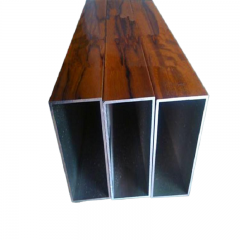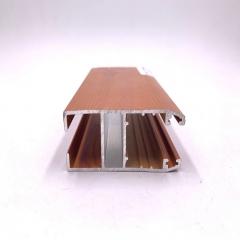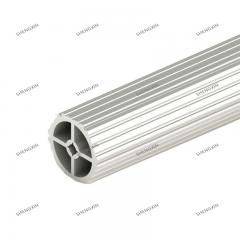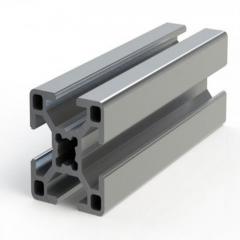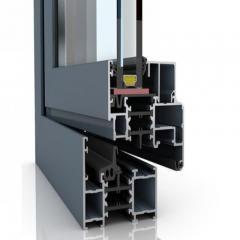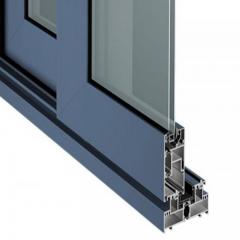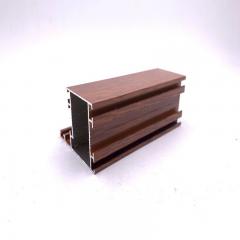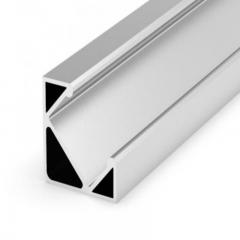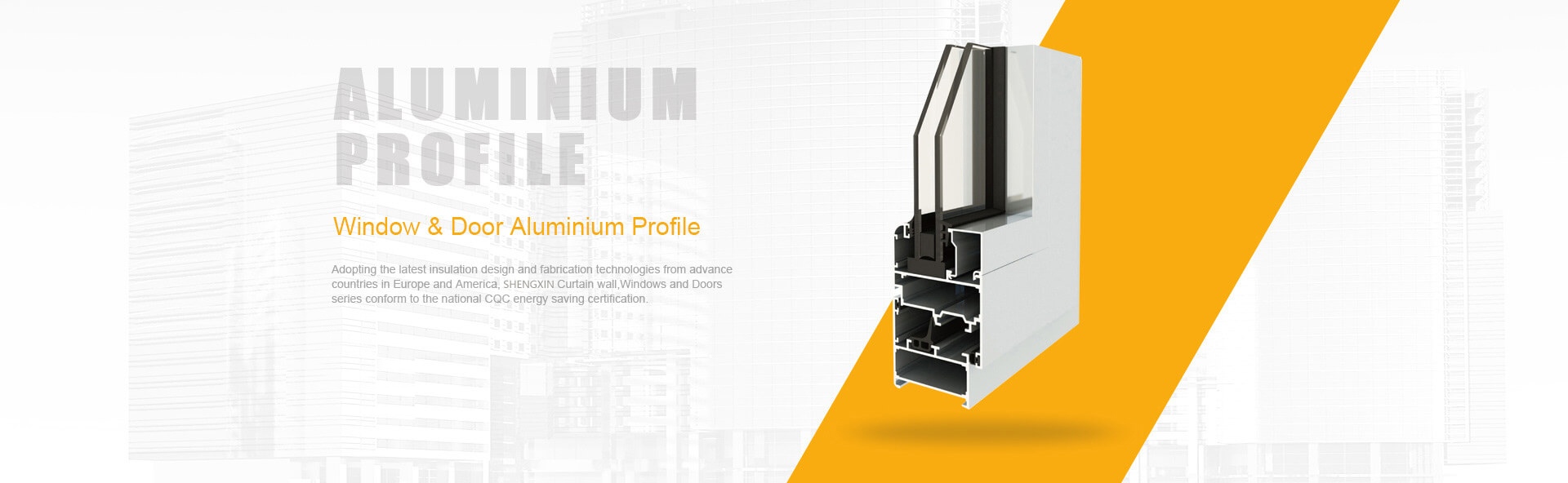
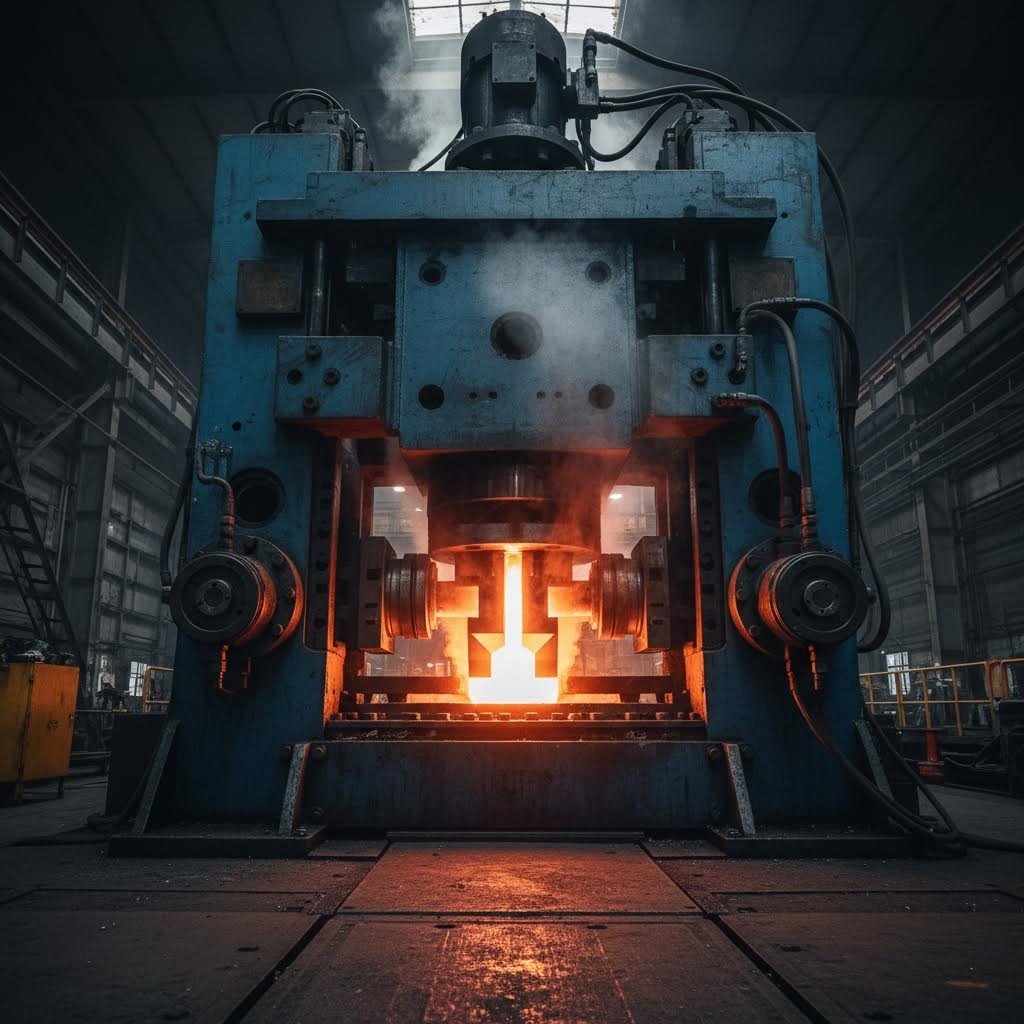
Ever wondered how those perfectly shaped aluminum window frames, boat rails, or solar panel mounts come to life? The answer lies in a fascinating manufacturing process that transforms solid aluminum into virtually any cross-sectional shape you can imagine. For Florida buyers, understanding this process opens the door to solutions specifically engineered for the Sunshine State's unique challenges.
Custom aluminum extrusions are aluminum profiles manufactured to your exact specifications rather than pulled from a standard catalog. The process works like a sophisticated play-dough press: cylindrical aluminum billets are preheated to 400-500°C until malleable, then a hydraulic ram applies up to 15,000 tons of pressure to force the material through a specially designed die. What emerges is a continuous length of aluminum shaped precisely to the die's cross-sectional profile.
The magic happens in the die itself. Unlike off-the-shelf profiles, custom extruded aluminum starts with your unique design requirements. Whether you need an unusual channel shape for marine applications or a complex thermal break profile for hurricane-resistant windows, manufacturers create a die specifically for your project.
The process involves several critical stages:
This level of control means your custom aluminum extrusions can incorporate features impossible to achieve with standard shapes—integrated screw channels, snap-fit connections, or optimized wall thicknesses that reduce weight without sacrificing strength.
Florida has emerged as a significant hub for aluminum extrusion manufacturing and consumption. Hydro Extrusion North America operates a fully integrated extrusion and fabrication facility in Hydro St Augustine, featuring an on-site cast house that provides reliable aluminum supply and easier access to customized alloys. This facility offers advanced capabilities including spiral extrusions, 6063 drawn tubing, and extensive CNC machining.
The state's demand continues to grow. According to industry reports, Keymark Corporation recently opened a 76,000-square-foot coating facility in Lakeland, bringing their total Florida production space to over 330,000 square feet. This expansion reflects the architectural and residential fenestration markets driving regional demand. Companies like Benada Aluminum Products LLC represent the diverse supplier landscape serving Florida's specialized needs.
What makes Florida unique? The combination of coastal salt air exposure, intense UV radiation, hurricane building codes, and year-round humidity creates requirements that generic extrusion catalogs simply don't address. Throughout this guide, you'll discover how to navigate alloy selection, surface treatments, and supplier evaluation with Florida's specific conditions in mind—practical guidance that goes far beyond product listings to help you make informed purchasing decisions.
Selecting the right aluminum alloy might seem like a minor technical detail—until you realize it determines whether your extrusion thrives for decades or deteriorates within years. For Florida projects facing relentless salt spray and humidity, this decision becomes critical. Let's break down the two most popular custom aluminum extrusion profiles and help you understand exactly which one fits your needs.
When sourcing custom extrusion aluminum for Florida applications, you'll encounter these two alloys repeatedly. Both belong to the 6000 series, meaning they're primarily alloyed with magnesium and silicon. But the subtle differences in composition create distinct performance characteristics.
Alloy 6063, often called "architectural aluminum," has been optimized specifically for extrudability. According to industry specifications, it contains 0.45-0.9% magnesium and 0.2-0.6% silicon. This composition delivers:
You'll typically find 6063 in window frames, curtain walls, storefronts, and any aluminum extruded shapes where appearance matters as much as performance.
Alloy 6061, known as "structural aluminum," contains higher concentrations of alloying elements—0.8-1.2% magnesium and 0.4-0.8% silicon. This translates to roughly 25-30% greater tensile strength compared to 6063. Design engineers choose this alloy when structural integrity takes priority over aesthetics, including boat components, trailer frames, and load-bearing construction elements.
Here's a practical way to think about it: if your project will be visible and exposed to weather, lean toward 6063. If it needs to bear significant loads or withstand mechanical stress, consider 6061.
Ever noticed those letter-number combinations after alloy names—like 6063-T5 or 6061-T6? These temper designations indicate the heat treatment applied after extrusion, and they dramatically influence your material's performance.
T5 Temper: The aluminum is cooled from the extrusion temperature and then artificially aged. This process provides moderate strength improvements while maintaining good formability. T5 works well for architectural applications where you might need some post-extrusion bending or shaping.
T6 Temper: This involves solution heat treatment by artificial aging—a more intensive process that maximizes strength. T6 delivers approximately 10-15% higher tensile strength than T5 in the same alloy. For Florida's hurricane-rated applications requiring maximum structural performance, T6 is often the specification of choice.
When working with any aluminum alloy supplier, always specify your temper requirements upfront. The wrong temper designation can leave your custom aluminium extrusions either too soft for structural demands or unnecessarily brittle for applications requiring flexibility.
| Property | 6063-T5 | 6063-T6 | 6061-T6 |
|---|---|---|---|
| Tensile Strength | 22,000 psi | 30,000 psi | 45,000 psi |
| Corrosion Resistance | Excellent | Excellent | Good |
| Weldability | Excellent | Excellent | Good |
| Surface Finish Quality | Excellent | Excellent | Good |
| Machinability | Fair | Fair | Good |
| Florida Applications | Window frames, trim, railings | Storefronts, curtain walls | Marine frames, structural supports, trailer components |
For Florida buyers specifically, the corrosion resistance column deserves special attention. The state's coastal salt air exposure accelerates oxidation on aluminum surfaces, making 6063's superior corrosion resistance particularly valuable for exterior applications. However, if your project requires structural strength—think dock supports or equipment frames exposed to both salt spray and mechanical loads—6061-T6 with appropriate protective coatings often proves the smarter choice.
Understanding these alloy and temper fundamentals positions you to have informed conversations with suppliers and ensures your specifications match Florida's demanding environmental conditions. But material selection represents just one piece of the puzzle—how those conditions specifically attack aluminum surfaces requires equally careful consideration.
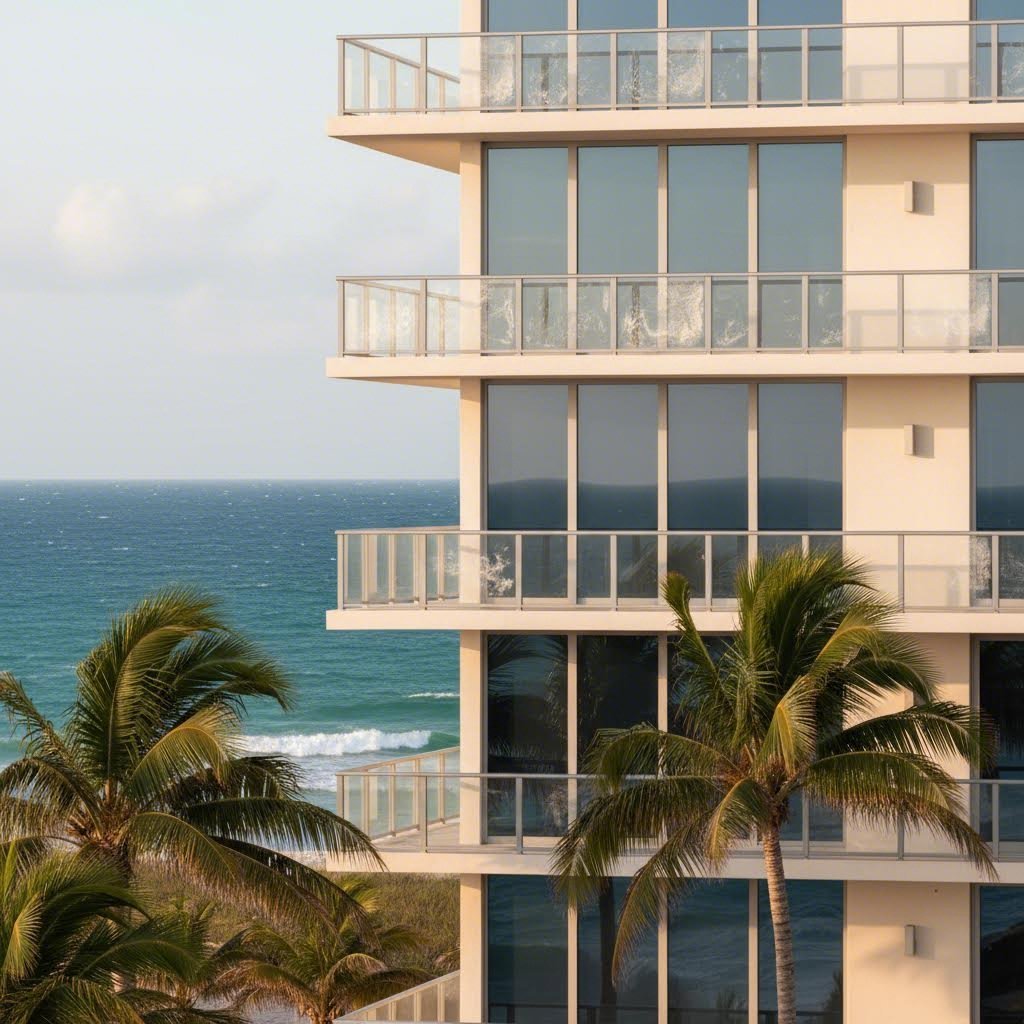
Imagine installing beautiful aluminum window frames on a beachfront property, only to watch them deteriorate within a few years. Unfortunately, this scenario plays out regularly when specifiers ignore Florida's aggressive environmental conditions. The Sunshine State throws a unique combination of challenges at aluminum extrusion products—and understanding these factors separates successful projects from costly failures.
Florida's coastal regions create what materials scientists call a "severe marine atmosphere." Salt-laden air travels miles inland, humidity rarely drops below 60%, and UV radiation bombards surfaces year-round. Add hurricane-force winds to this mix, and you're dealing with conditions that demand more than standard specifications. Facilities like those at Hydro St Augustine Florida have developed specialized processes precisely because generic solutions simply don't survive here.
Salt air corrosion attacks aluminum through a process called pitting. When airborne salt particles settle on aluminum surfaces, they create tiny electrochemical cells that eat into the metal. In Florida's humid environment, these particles remain active longer because moisture keeps the corrosion reaction going continuously.
How severe is the problem? According to industry testing, salt-laden air is one of the most aggressive corrosive environments any material can face. Properties within a mile of the coastline experience the harshest exposure, but salt spray can affect structures up to 10 miles inland during storms.
Protective measures become essential rather than optional in this environment. Here's what Florida projects require:
Major extrusion facilities like Hydro St Augustine FL and Hydro Rockledge FL understand these requirements intimately. They've developed coating systems and alloy formulations specifically tested against Florida's salt spray conditions—an advantage worth considering when evaluating suppliers.
When tropical storms threaten, your aluminum extrusions must do more than resist corrosion—they need to withstand extreme wind loads and flying debris. Florida Building Code requirements are among the strictest in the nation, and understanding these specifications is crucial for any structural application.
Hurricane-rated aluminum shutters provide an excellent example of how extrusion specifications adapt to storm requirements. According to Master Aluminum Products, their Florida Building Code approved shutters use 6063-T6 aluminum extrusions with specific wall thicknesses designed to maximize wind resistance:
These specifications illustrate a broader principle: hurricane-rated applications require custom aluminum extrusion profiles engineered specifically for wind resistance. Off-the-shelf shapes rarely meet Florida Building Code requirements for storm protection.
Beyond shutters, hurricane considerations affect window frames, door systems, screen enclosures, and any exterior aluminum component. Engineers calculate wind uplift pressures based on location, building height, and exposure category—then specify extrusion profiles with adequate moment of inertia to resist those forces.
Florida's environmental challenges extend beyond salt and storms. When specifying aluminum extrusion products for the Sunshine State, your checklist should include:
Understanding these Florida-specific factors transforms your approach to custom extrusion specifications. Rather than accepting generic recommendations, you can now ask informed questions about coating thicknesses, alloy selections, and structural ratings—ensuring your project performs for decades rather than deteriorating within years.
With environmental requirements clearly defined, the next step involves understanding how custom extrusions move from your initial concept through production to final delivery.
So you've identified the perfect alloy and understand Florida's environmental demands—now what? The journey from initial concept to finished custom aluminum extrusion involves multiple interconnected stages, each influencing project timelines, costs, and final quality. Understanding this process empowers you to prepare better documentation, ask smarter questions, and avoid costly delays that catch unprepared buyers off guard.
Unlike purchasing standard catalog shapes, custom aluminum extrusion manufacturers walk you through a collaborative design-to-delivery process. Here's the complete sequence you'll experience:
The die is the heart of any aluminum extrusion custom project. This precision-machined steel tool shapes every inch of profile that passes through it—making die development arguably the most critical phase of your entire project.
Modern die design begins with specialized CAD software like AutoCAD or SolidWorks. According to industry experts, these digital models enable faster and more precise quoting, streamlined prototyping, and reduced time to market. But here's what most suppliers don't tell you: the quality of your submitted files directly impacts die accuracy and project timelines.
Preparing design files that prevent delays:
When requesting quotes for custom extruded aluminum profiles, your file preparation determines whether you'll move forward smoothly or face repeated revision cycles. Most extrusion factories accept these formats:
Avoid submitting PDF or image files if possible. According to manufacturing specialists, these formats require complete dimension rebuilding, adding days to your mold design timeline.
Critical dimension callouts matter enormously:
Your drawings should clearly identify which dimensions require tight tolerances versus which can accept standard extrusion variation. Marking tolerance requirements on critical features—rather than applying tight tolerances everywhere—reduces scrap rates and keeps per-piece costs reasonable. Standard extrusion tolerances typically fall within ±0.004 to ±0.015 inches depending on profile size and complexity.
Typical die development timelines:
Unlike casting tools that can require months of development, custom extrusion dies often move from approval to production-ready in just 2-4 weeks. This speed advantage makes aluminum extrusion particularly attractive for projects with aggressive schedules. However, complex profiles with multiple hollow sections or extremely tight tolerances may extend this timeline. Plan for die costs ranging from $500 to $2,500 for most custom profiles—a fraction of what casting or injection molding tooling requires.
Raw extrusions emerging from the press are just the beginning. Most Florida applications require extensive secondary processing to transform basic profiles into installation-ready components. Understanding these steps helps you specify requirements accurately and evaluate supplier capabilities.
CNC machining and fabrication:
After extrusion and heat treatment, profiles typically move to CNC machining centers where they receive:
According to Star Extruded Shapes, CNC machines are utilized to add secondary features and prepare profiles for end use or assembly. The dimensional accuracy achieved in this stage often determines whether your extruded metal products will fit properly during installation.
Quality control checkpoints:
Rigorous inspection occurs at multiple stages throughout the process. Each custom aluminum extrusion undergoes verification for dimensional accuracy (confirming measurements align with specifications), surface finish (ensuring smoothness and consistency), and overall condition (checking for defects or imperfections). For Florida hurricane-rated applications, additional structural testing may verify wind load resistance.
Factors influencing minimum order quantities:
Minimum order quantities (MOQs) vary significantly between suppliers and depend on several factors:
Expect typical MOQs ranging from 200-500 pounds for simple profiles, with complex shapes or specialized alloys potentially requiring 1,000 pounds or more. Some suppliers offer prototype quantities at premium pricing for design validation before committing to production volumes.
Production lead times after die approval:
Once your die is proven and approved, production runs move considerably faster. Standard lead times for extrusion production typically range from 2-6 weeks depending on order size, alloy availability, and finishing requirements. Add secondary processing and surface treatment time—typically 1-3 additional weeks—for complete project timelines of 4-10 weeks from die approval to delivery.
With a clear understanding of how custom extrusions move from concept to completion, the next critical decision involves selecting the right surface treatment to protect your investment against Florida's demanding conditions.
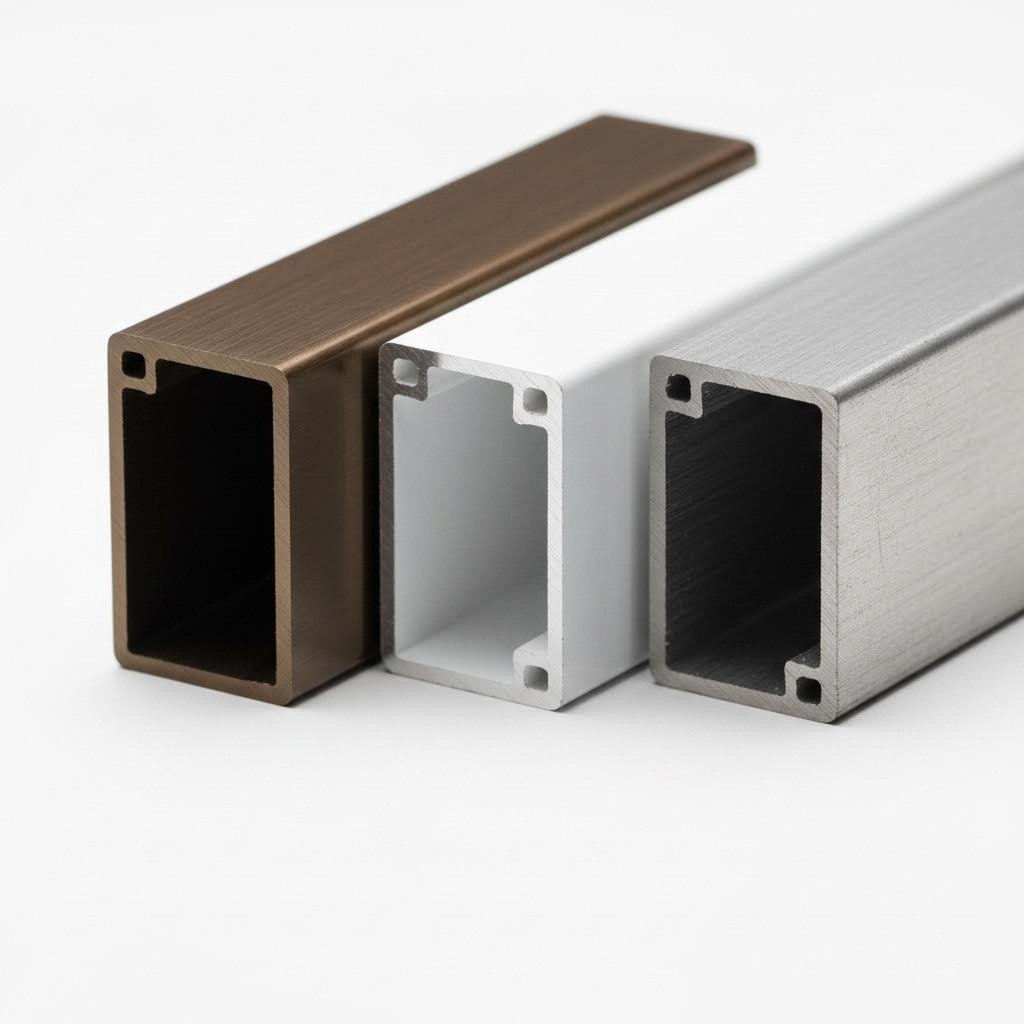
You've selected the right alloy and designed the perfect profile—but without proper surface protection, Florida's aggressive environment will begin attacking your aluminum the moment it's installed. The finish you choose determines whether your custom extrusions maintain their appearance and structural integrity for decades or start deteriorating within years. Let's explore the finishing options that actually work in Florida's demanding coastal and humid conditions.
Surface treatments do more than add color or shine. They create protective barriers against salt spray, UV radiation, and humidity—the three forces constantly working to degrade unprotected aluminum. Understanding how each finish performs against these specific threats helps you make specifications that truly protect your investment.
Anodizing remains one of the most effective protective finishes for Florida applications, and for good reason. Unlike coatings that sit on top of aluminum, anodizing creates an integrated oxide layer that becomes part of the metal itself. According to Linetec's finishing specialists, the hardness of anodized aluminum rivals that of diamond—scoring 9 on the Moh scale compared to diamond's 10.
How does the process work? The aluminum is immersed in an electrolytic bath containing a sulfuric acid solution. When electrical current passes through, oxygen molecules bond to the aluminum surface, creating a thickened oxide layer that's both harder and more corrosion-resistant than the base metal. This electrochemical transformation means the protective layer can't peel, chip, or flake off like applied coatings might.
For Florida's coastal projects, the AAMA 611-20 specification sets the standard. High-performance Class I anodized coatings require:
The South Florida testing requirement is particularly significant—it means the finish has been validated in actual Florida conditions, not just laboratory simulations. For properties within one mile of the coastline, consider specifying 1.0 mil thickness or greater for additional protection.
Color options in anodizing:
Anodizing offers a distinctive metallic appearance that powder coating can't replicate. Standard architectural colors include clear (natural aluminum), bronze, black, and champagne. Custom colors like rose gold or deep metallic tones are achievable through specialized dye processes. The finish maintains the aluminum's natural metallic character while providing the protective oxide layer—ideal for high-end architectural applications where aesthetics matter as much as durability.
When color variety and design flexibility take priority, applied coatings become the preferred choice. But not all coatings perform equally in Florida's harsh environment. Understanding the difference between powder coating and PVDF finishes helps you specify the right protection level for your application.
Powder coating fundamentals:
Powder coating applies a dry polymer powder to the aluminum surface using an electrostatic charge. The coated piece then enters a curing oven heated to approximately 400°F, where the powder melts and forms a durable, uniform film. According to finishing industry experts, the process offers significant advantages:
For Florida applications, specify powder coatings meeting AAMA 2604 or AAMA 2605 standards. The 2605 specification represents the highest performance level, requiring over 4,000 hours of salt spray resistance and minimum 10 years of South Florida exposure testing—critical requirements for coastal durability.
PVDF coatings for maximum protection:
When projects demand the absolute best weather resistance, PVDF (polyvinylidene fluoride) coatings—often known by brand names like Kynar—deliver superior performance. According to PVDF coating specialists, well-applied PVDF systems can last over 25 years with minimal fading or chalking, even in aggressive marine environments.
What makes PVDF special? The carbon-fluorine bond in these fluoropolymer coatings is one of the strongest chemical bonds known, providing exceptional resistance to UV breakdown, color fading, and chemical attack. PVDF maintains its appearance even under prolonged Florida sun exposure—a critical advantage when color consistency across your project matters.
PVDF systems typically come in 2-coat, 3-coat, or 4-coat configurations:
The trade-off? PVDF costs more than standard powder coating and offers somewhat limited gloss control. However, for Florida projects where long-term appearance retention justifies higher initial investment, PVDF often proves the smarter specification. Companies like Wakefield Aluminum Extrusions and other major aluminum extrusion suppliers recognize this value proposition, offering PVDF options alongside standard powder coating for projects demanding maximum durability.
| Finish Type | Durability Rating | UV Resistance | Salt Spray Performance | Color Options | Typical Applications |
|---|---|---|---|---|---|
| Class I Anodizing | Excellent (9 Moh hardness) | Excellent—no fading | 3,000+ hours | Limited metallic tones | High-traffic entrances, railings, premium storefronts |
| AAMA 2604 Powder | Good | Good (5-year warranty typical) | 1,000+ hours | Unlimited colors/textures | Moderate exposure, residential windows |
| AAMA 2605 Powder | Very Good | Very Good (10-year warranty typical) | 4,000+ hours | Unlimited colors/textures | Commercial facades, coastal residential |
| PVDF (70% Kynar) | Excellent | Excellent (20+ year retention) | 4,000+ hours | Wide range, some restrictions on intense colors | Curtain walls, coastal commercial, marine environments |
| Micro-arc Oxidation | Superior | Excellent | Exceptional | Limited | High-wear marine, industrial equipment |
Specialized treatments for extreme conditions:
Beyond standard options, specialized surface treatments address Florida's most demanding applications. Micro-arc oxidation creates ceramic-like surfaces with hardness exceeding even Class I anodizing—ideal for marine equipment facing both salt exposure and mechanical wear. Chrome phosphate pretreatments, as recommended by AAMA 2605 specifications, provide the most time-tested foundation for paint systems in severe corrosive environments.
For buyers seeking comprehensive finishing capabilities, established custom aluminum extrusions suppliers like Shengxin Aluminium offer complete finishing services including anodizing in custom colors like champagne and rose gold, powder coating, PVDF application, and micro-arc oxidation for superior durability. Their end-to-end service from die development through finished product eliminates the coordination headaches of working with separate finishing vendors—particularly valuable for complex Florida projects requiring multiple treatment types.
Maintenance considerations for Florida installations:
Even the best finishes require periodic care in Florida's challenging environment. AAMA guidelines recommend cleaning finished aluminum surfaces at least twice yearly—more frequently in polluted areas or within one mile of the coastline. Use mild detergent and soft cloths; avoid abrasive pads or strong alkaline cleaners that can damage protective layers. Salt deposits should be rinsed promptly with fresh water to prevent accelerated corrosion, especially on anodized surfaces.
With surface protection properly specified, you're ready to explore how different Florida industries apply custom aluminum extrusion panels and profiles to solve their unique challenges.
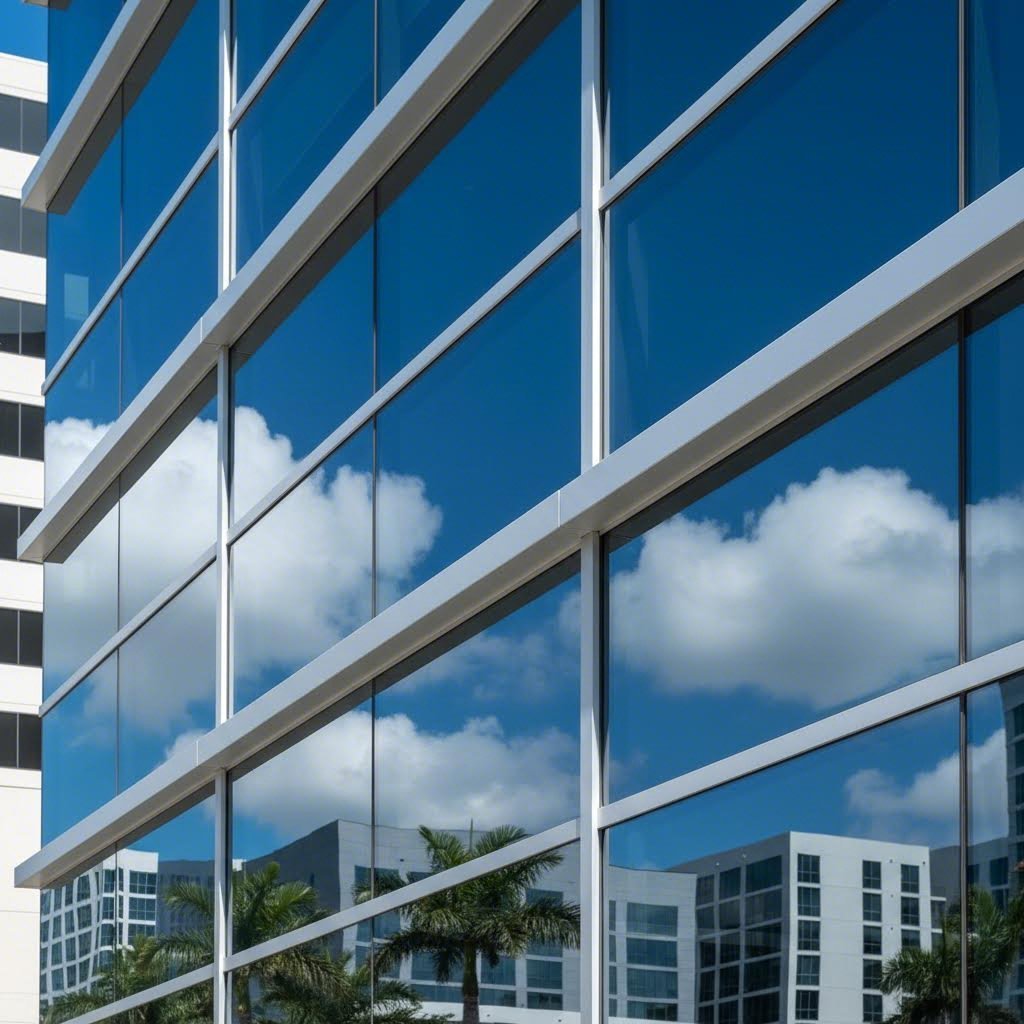
Picture walking through downtown Miami's skyline, then heading to a marina filled with sport fishing boats, and finally driving past acres of solar farms stretching toward the Everglades. What connects these vastly different scenes? Custom aluminum extrusion profiles engineered specifically for each application's unique demands. Florida's diverse economy creates opportunities for specialized aluminum solutions that standard catalog shapes simply cannot address.
Understanding how different industries apply custom extrusions helps you recognize possibilities for your own projects—and appreciate why truly custom profiles outperform off-the-shelf alternatives. Let's explore the major sectors driving Florida's extrusion demand.
Florida's construction boom shows no signs of slowing, and aluminum extrusions form the backbone of modern building envelopes. According to Bonnell Aluminum, experienced manufacturers assist top building companies in creating solutions that address complex building codes required throughout the country—including impact and blast-resistant assemblies increasingly demanded in today's marketplace.
The architectural sector relies on custom profiles for applications where precision and performance intersect:
What separates custom from catalog in architectural applications? Imagine specifying a storefront system where the mullion depth perfectly matches your structural requirements, drainage channels align with your flashing details, and glazing pockets accommodate your specific glass thickness. Standard flextrude aluminum shapes force design compromises; custom profiles eliminate them.
Major manufacturers like Hydro Aluminum St Augustine understand these requirements intimately. Their proximity to Florida projects means faster delivery and technical support from engineers familiar with local building codes—advantages that distant aluminum window extrusions suppliers simply cannot match.
Florida's 1,350 miles of coastline and 11,000 miles of rivers and streams support one of America's largest recreational boating industries. This marine economy demands aluminum extrusions engineered for constant salt exposure, structural stress, and aesthetic appeal.
Custom marine applications include:
According to OD Metals, aluminum extrusions are majorly used in different types of automobiles and watercraft—covering not only exterior parts but also fasteners and internal frameworks. This breadth of application explains why aluminium window extrusions suppliers often serve marine fabricators too; the alloys and finishes translate across industries.
Outdoor recreational equipment follows similar principles. Screen enclosures—ubiquitous across Florida's pool decks and patios—rely on custom aluminum profiles that resist humidity while supporting screening materials through hurricane-force winds. Golf cart manufacturers specify lightweight structural extrusions. Even playground equipment increasingly incorporates custom aluminum for its durability and low maintenance requirements.
Florida's abundant sunshine drives rapid solar energy adoption, creating substantial demand for specialized mounting system profiles. According to Hydro's solar mounting specialists, aluminum offers the ideal properties for photovoltaic systems: click-and-plug connections speed assembly, high strength-to-weight ratio simplifies handling, and natural corrosion resistance ensures long service life.
Solar mounting applications leverage custom extrusions for:
The solar industry particularly benefits from custom extrusion's design flexibility. As Hydro's engineers explain, profiles designed to snap or slide together minimize tools and steps on site—speeding alignment and cutting assembly time significantly. For large-scale solar farms, these per-panel time savings compound into substantial project cost reductions.
Industrial automation represents another growing sector. Manufacturing facilities across Florida specify custom extrusions for conveyor frames, equipment guards, robotic cell structures, and cleanroom framing systems. These applications demand tight tolerances—often ±0.005 inches or better on critical dimensions—that ensure proper component fitment and machine function.
When evaluating aluminum extrusion suppliers, you'll encounter companies offering vast catalogs of standard shapes alongside true custom extrusion capabilities. Understanding the difference prevents specification mistakes that can derail projects.
Standard catalog shapes—angles, channels, tubes, and common architectural profiles—work well for applications where exact dimensions aren't critical. Need structural framing that will be hidden inside a wall? Catalog shapes often suffice. But the moment your application requires specific tolerances, integrated features, or optimized material distribution, custom profiles become essential.
Consider tolerance standards and their real-world impact. Standard extrusion tolerances typically run ±0.012 to ±0.025 inches depending on profile size. For a curtain wall system where gaskets must seal precisely, or a solar mounting rail where modules must align within millimeters, standard tolerances create installation headaches and potential failures.
Custom die development allows engineers to specify tighter tolerances on critical dimensions while accepting standard tolerances elsewhere—balancing precision requirements against manufacturing practicality. Hydro Aluminum St Augustine FL and similar integrated facilities can advise which tolerances are achievable for specific profile geometries, preventing specifications that look good on paper but prove impossible to manufacture consistently.
Florida's unique combination of construction growth, marine industry strength, and solar energy expansion creates opportunities for custom aluminum solutions across virtually every sector. The key lies in matching profile specifications to actual application demands—a process that begins with understanding how to evaluate potential suppliers.
Finding the right supplier for your Florida project involves far more than comparing price quotes. A qualified custom aluminum extrusion supplier acts as a technical partner—supporting precision manufacturing, consistent quality, and long-term scalability. Yet many buyers focus solely on per-pound pricing and overlook critical capability factors that ultimately determine project success. Let's walk through a systematic evaluation approach that helps you identify the best fit for your specific needs.
Think of supplier selection like hiring a contractor for a major renovation. You wouldn't choose based on hourly rate alone—you'd evaluate experience, equipment, references, and communication skills. The same logic applies when sourcing custom aluminum extrusion companies for Florida's demanding applications.
Before requesting quotes, understand what separates capable manufacturers from those who'll struggle with your requirements. According to industry sourcing experts, top-tier suppliers offer both standard and custom extrusion profiles with in-house engineering collaboration, quality assurance, and integrated production capabilities.
Start your evaluation with these fundamental capability questions:
Don't accept vague capability claims. Request documentation of press specifications, finishing equipment, and testing instruments. A reliable aluminum extruder supplier will readily provide this information because it demonstrates their investment in quality manufacturing.
Beyond equipment, the human expertise behind your project matters enormously. According to aluminum sourcing specialists, suppliers with proven experience in your industry are better equipped to understand technical needs, anticipate challenges, and offer efficient solutions.
Engineering support shows up in several critical ways:
Request references from companies with similar needs. Reach out to understand the supplier's real-world performance—delivery reliability, issue resolution, and long-term consistency. According to industry guidance, a responsive and knowledgeable customer service team is essential, especially when dealing with technical products.
Custom aluminum extrusion supply pricing involves multiple components beyond simple per-pound material costs. Understanding these factors helps you compare quotes accurately and avoid unexpected expenses.
Die costs: According to industry cost analysis, tooling for standard architectural and industrial applications typically ranges from $400 to $1,000. Large profiles requiring 2,000-4,000 ton presses could run as high as $2,000. Some extruded aluminum manufacturers refund die costs if stipulated volumes are purchased within two years—ask about these policies upfront.
Per-piece pricing components:
Volume discounts: Larger orders reduce per-unit costs because die and setup expenses amortize across more pieces. Buying custom aluminum extrusions in bulk leads to lower costs per unit since basic die and tooling costs remain similar between small and large orders.
Geography plays a significant role in supplier selection, with meaningful trade-offs between domestic and international sourcing. According to 2025 sourcing analysis, the decision now hinges on lead time, compliance risk, quality control, and total landed cost—not just line-item pricing.
Advantages of local Florida custom aluminum extrusion suppliers:
Considerations for international manufacturers:
The smartest approach often combines both: domestic suppliers handle prototypes, short runs, and time-sensitive projects while international partners manage steady-state production for cost efficiency. This hybrid strategy provides flexibility without sacrificing either speed or pricing advantages.
Use this comprehensive checklist when evaluating potential custom aluminum extrusion companies:
| Evaluation Category | Key Questions | Documentation to Request |
|---|---|---|
| Manufacturing Capability | Press tonnage range? Maximum profile size? Annual capacity? | Equipment list, facility photos, capacity statements |
| Quality Systems | ISO certifications? Testing equipment? Inspection protocols? | Certification copies, audit reports, test result samples |
| Engineering Support | DFM review offered? Prototyping available? Dedicated engineering contact? | Case studies, reference contacts, sample DFM feedback |
| Finishing Options | In-house anodizing? Powder coating capabilities? AAMA certifications? | Finish samples, specification sheets, warranty terms |
| Secondary Processing | CNC machining? Welding? Assembly services? | Equipment specifications, tolerance capabilities |
| Supply Chain | Lead time consistency? Inventory management? Logistics planning? | On-time delivery metrics, inventory policies |
| Financial Stability | Years in business? Growth trajectory? Major customer references? | Company background, reference list, credit references |
Before committing to production contracts, request physical samples to validate extrusion precision, surface finish, and material consistency. If possible, conduct an on-site factory audit or virtual walkthrough to assess machinery, cleanliness, and workflow organization. According to sourcing best practices, one of the most common mistakes is choosing a supplier based solely on price without verifying technical capability or quality consistency.
With supplier evaluation criteria clearly defined, one final consideration deserves attention for Florida buyers increasingly focused on environmental responsibility—the sustainability profile of your aluminum extrusion sourcing decisions.
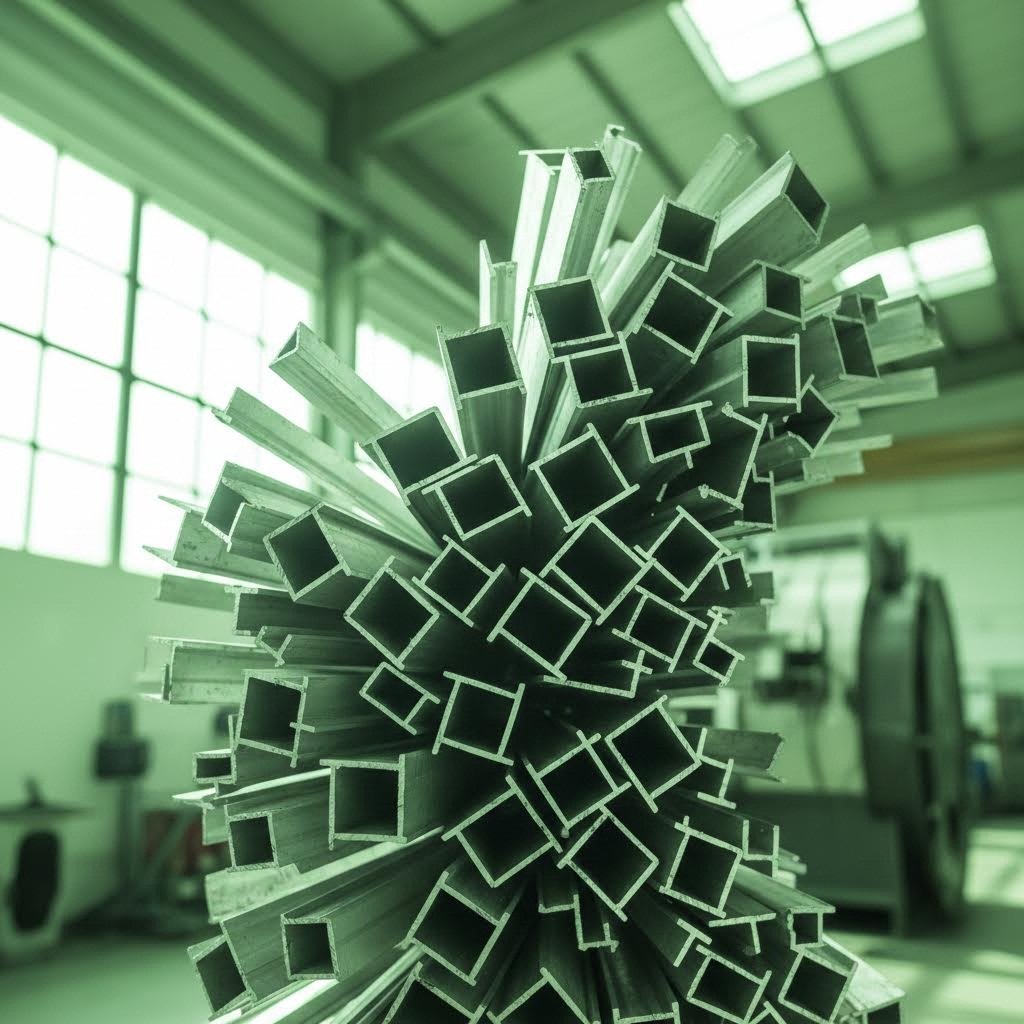
When you're specifying custom aluminum extrusions for a Florida project, have you considered how your material choice impacts environmental certifications? Beyond corrosion resistance and structural performance, sustainability credentials increasingly influence project approvals—especially for commercial developments pursuing LEED certification or meeting Florida's expanding green building requirements.
Aluminum offers inherent environmental advantages that many buyers overlook during the specification process. Understanding these benefits—and knowing how to verify them through standardized documentation—positions you to satisfy sustainability requirements while selecting materials that genuinely perform in Florida's demanding conditions.
Aluminum stands apart from competing materials through one remarkable property: infinite recyclability. Unlike plastics that degrade with each recycling cycle or wood that cannot be reconstituted, aluminum maintains its fundamental properties no matter how many times it's melted and reformed.
According to The Aluminum Association's Environmental Product Declaration, this recyclability translates into substantial real-world benefits:
Production of recycled aluminum takes just 7 percent of the energy needed to make primary aluminum.
Think about what this means for Florida projects. Every pound of recycled aluminum content in your extrusions represents a 93% energy savings compared to virgin material. For large commercial facades or extensive solar mounting systems, these savings compound into meaningful environmental impact reductions.
The aluminum industry has demonstrated sustained commitment to environmental improvement. Hydro Extrusions North America and other major producers have invested heavily in efficiency improvements. According to The Aluminum Association, through voluntary industry efforts, North American aluminum production has reduced its carbon footprint by 49 percent since 1991—a remarkable achievement that continues benefiting every extrusion produced today.
Additional sustainability advantages of aluminum extrusions include:
For Florida buyers specifically, aluminum's durability in coastal environments means fewer replacement cycles over a building's lifetime. A properly specified and finished extrusion lasting 30+ years represents far better lifecycle sustainability than materials requiring replacement every 10-15 years.
How do you verify sustainability claims rather than simply accepting marketing language? Environmental Product Declarations (EPDs) provide the answer. Often called "environmental nutrition labels" for building products, EPDs document lifecycle environmental impacts using standardized methodologies that enable meaningful comparisons.
The Aluminum Extruders Council (AEC) maintains industry-average EPDs covering various aluminum extrusion products. These UL-certified declarations indicate that an independent third party has reviewed and verified the environmental impact disclosures—not just manufacturer self-reporting.
The current 2022 EPDs are based on detailed production data from 30 facilities with 100 extrusion presses across the U.S. and Canada, covering nearly 40% of North American extrusion production. This comprehensive data collection ensures the declarations reflect actual industry practices rather than idealized scenarios.
EPDs quantify "cradle-to-gate" lifecycle environmental impacts, meaning they track everything from raw material extraction through finished extrusion production. The AEC provides separate declarations for:
This granularity matters for Florida projects. According to the AEC's lifecycle analysis, the predominant determination of CO2 equivalent emissions for any aluminum extrusion is the feedstock—the aluminum billet serving as raw material. For standard mill finish extrusions, the extrusion process itself contributes less than 25% of total module A1-A3 emissions. Even for painted, thermally enhanced extrusions requiring the most intensive processing, the extrusion, painting, and thermal improvement processes account for less than 33% of the A1-A3 total.
What does this mean practically? Achieving significant reductions in embodied carbon is most effectively accomplished by adjusting the billet mix—either increasing recycled content or shifting primary content toward aluminum produced from less carbon-intensive energy sources. When evaluating Hydro Aluminum Extrusion products or those from other major manufacturers, ask specifically about billet composition and recycled content percentages.
Florida's green building landscape continues evolving, with sustainability credentials increasingly influencing project approvals and tenant decisions. According to the U.S. Green Building Council, the LEED rating system offers four certification levels—Certified, Silver, Gold, and Platinum—achieved by earning points across multiple credit categories.
Aluminum extrusions can contribute to LEED certification through the "Building Product Disclosure and Optimization – Sourcing of Raw Materials" credit category. As Fairview's LEED guidance explains, products and services provided by manufacturers don't earn project points themselves—rather, their documented environmental attributes contribute to the building's overall rating.
The San Ysidro Land Port of Entry demonstrates what's achievable. This project became the first LEED Platinum land port of entry among more than 20 LEED-registered border crossings in the U.S., featuring over 168,000 square feet of solid aluminum panels. While not a Florida project, it illustrates how aluminum's sustainability credentials can support the highest certification levels.
When specifying custom aluminum extrusions for LEED projects, request LEED Data Sheets from your suppliers documenting exactly how their products can contribute to specific credits. This documentation becomes essential during the certification process and demonstrates due diligence in material selection.
Florida's building sector increasingly recognizes that sustainability and performance aren't competing priorities. Aluminum extrusions that resist coastal corrosion for decades, require minimal maintenance, and eventually recycle into new products represent the ideal intersection of environmental responsibility and practical durability—exactly what Florida projects demand.
You've now explored the complete landscape of custom aluminum extrusions in Florida—from alloy fundamentals and environmental challenges to supplier evaluation and sustainability considerations. But knowing information and acting on it are two different things. Let's synthesize everything into actionable guidance that helps you move forward confidently with your project.
Successful custom extrusion projects share common elements: clear specifications matched to actual conditions, suppliers with proven capabilities, and realistic expectations about timelines and costs. Florida's unique combination of salt air, humidity, hurricane requirements, and intense UV exposure makes these fundamentals even more critical than in less demanding environments.
Throughout this guide, several themes have emerged repeatedly. These represent the non-negotiable considerations for anyone wondering where to buy extruded aluminum for Florida applications:
Alloy selection determines long-term performance. For exposed architectural applications facing coastal salt spray, 6063 aluminum delivers the superior corrosion resistance your project needs. When structural loads take priority—marine frames, equipment supports, hurricane-rated components—6061-T6 provides the strength advantage, though it requires enhanced surface protection. Never accept generic alloy recommendations without considering Florida's specific environmental demands.
Surface treatment is not optional. Class I anodizing meeting AAMA 611-20 specifications provides proven protection for coastal installations. AAMA 2605 powder coatings or PVDF finishes deliver comparable durability with unlimited color options. For properties within one mile of the coastline, specify thicker coatings and enhanced pre-treatments—the modest upfront cost prevents expensive replacements within years rather than decades.
Supplier capability matters as much as price. The lowest quote means nothing if your supplier lacks the press tonnage for your profile, can't hold required tolerances, or farms out finishing to third parties with inconsistent quality. Vertically integrated manufacturers offering die development through finished product under one roof eliminate coordination headaches and quality control gaps.
Sustainability credentials support project approvals. Environmental Product Declarations provide verified documentation for LEED certification and other green building requirements. Aluminum's infinite recyclability and the industry's demonstrated carbon footprint reductions position it favorably for Florida's expanding sustainability expectations.
Ready to transform knowledge into action? Use this checklist to launch your project on solid footing:
For buyers seeking aluminum suppliers Florida-based operations can serve quickly, domestic manufacturers offer faster turnaround and direct engineering collaboration. For steady-state production at scale, international manufacturers with proven quality systems provide cost advantages worth evaluating.
When your project demands comprehensive capabilities—from initial die development through precision CNC machining and advanced surface treatments—established manufacturers like Shengxin Aluminium offer the end-to-end support complex Florida projects require. Their facility houses 35 extrusion presses ranging from 600T to 5500T capacity, state-of-the-art CNC machining centers for precise cutting and drilling, and extensive finishing options including anodizing in custom colors, powder coating, PVDF, and micro-arc oxidation for superior durability. This vertical integration means your custom aluminum profiles move from concept through mass production under consistent quality control—eliminating the coordination challenges that fragment projects across multiple vendors.
Florida's demanding environment rewards careful specification and capable execution. Armed with the knowledge from this guide, you're now positioned to ask the right questions, evaluate suppliers effectively, and specify custom extrusions that perform for decades rather than deteriorating within years. Your next step? Pick up the phone, send that RFQ, and start transforming your project requirements into precision aluminum reality.
6063 aluminum, known as architectural aluminum, offers excellent corrosion resistance and superior surface finish—ideal for coastal Florida applications like window frames and storefronts. 6061 aluminum provides approximately 25-30% greater tensile strength, making it suitable for structural applications such as marine frames and load-bearing components. For exposed coastal projects, 6063 is typically preferred due to its enhanced salt spray resistance, while 6061-T6 with proper protective coatings works best when structural integrity is the priority.
Florida's coastal salt air requires enhanced protection strategies. Specify Class I anodizing with minimum 0.7 mils thickness (1.0 mils for properties within one mile of coastline), or AAMA 2605 powder coatings tested for 4,000+ hours salt spray resistance. Use 6063 alloy for superior corrosion resistance, apply epoxy primers before powder coating, and ensure sealed joints with stainless steel fasteners to prevent galvanic corrosion. Regular cleaning every six months—more frequently near the coast—helps maintain protective finishes.
Evaluate suppliers based on press tonnage range (600T to 5,000T+ for various profile sizes), in-house CNC machining capabilities, surface treatment options (anodizing, powder coating, PVDF), and quality certifications like ISO 9001. Request documentation of equipment specifications, ask about engineering support for design optimization, and check references from similar projects. Vertically integrated manufacturers offering die development through finished product provide better quality control and faster turnaround than fragmented supply chains.
Custom extrusion die development typically takes 2-4 weeks from design approval. Production runs add 2-6 weeks depending on order size and complexity, with secondary processing and surface treatments requiring 1-3 additional weeks. Total project timelines from die approval to delivery generally range 4-10 weeks for domestic suppliers. International manufacturers offer lower pricing but add 32-52 days for ocean freight plus customs processing. For time-sensitive Florida projects, domestic suppliers provide significant lead time advantages.
Hurricane-rated applications require finishes that withstand both impact and prolonged environmental exposure. AAMA 2605 super durable polyester powder coatings provide excellent UV resistance and color retention—critical for Florida's intense sun exposure. Class I anodizing offers diamond-like hardness (9 on Moh scale) for high-traffic areas. PVDF coatings last 25+ years with minimal fading in aggressive marine environments. All finishes should meet South Florida exposure testing requirements to ensure proven performance in actual Florida conditions.



 บริการออนไลน์
 0086 136 3563 2360
 sales@sxalu.com
 +86 136 3563 2360
 ไทย
ไทย English
 français
 Deutsch
 русский
 español
 português
 العربية
 Việt
Việt Українська