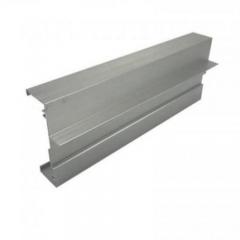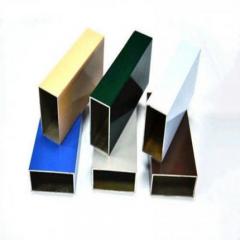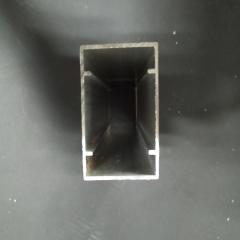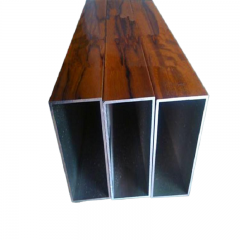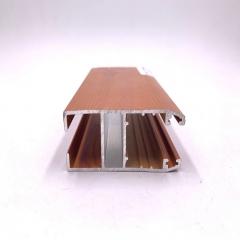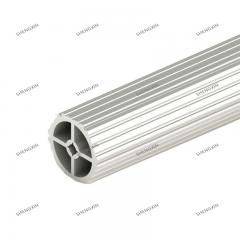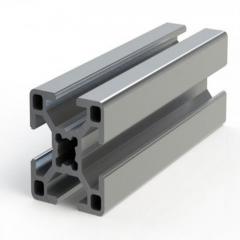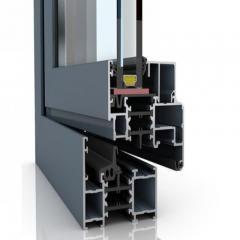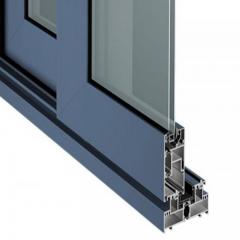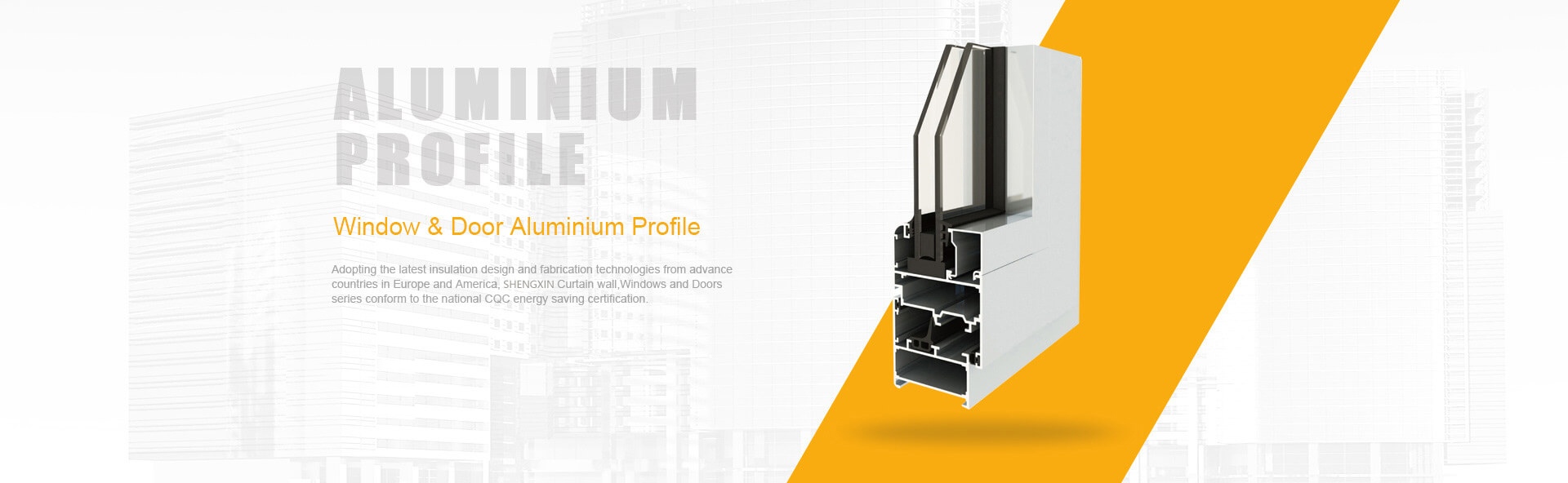
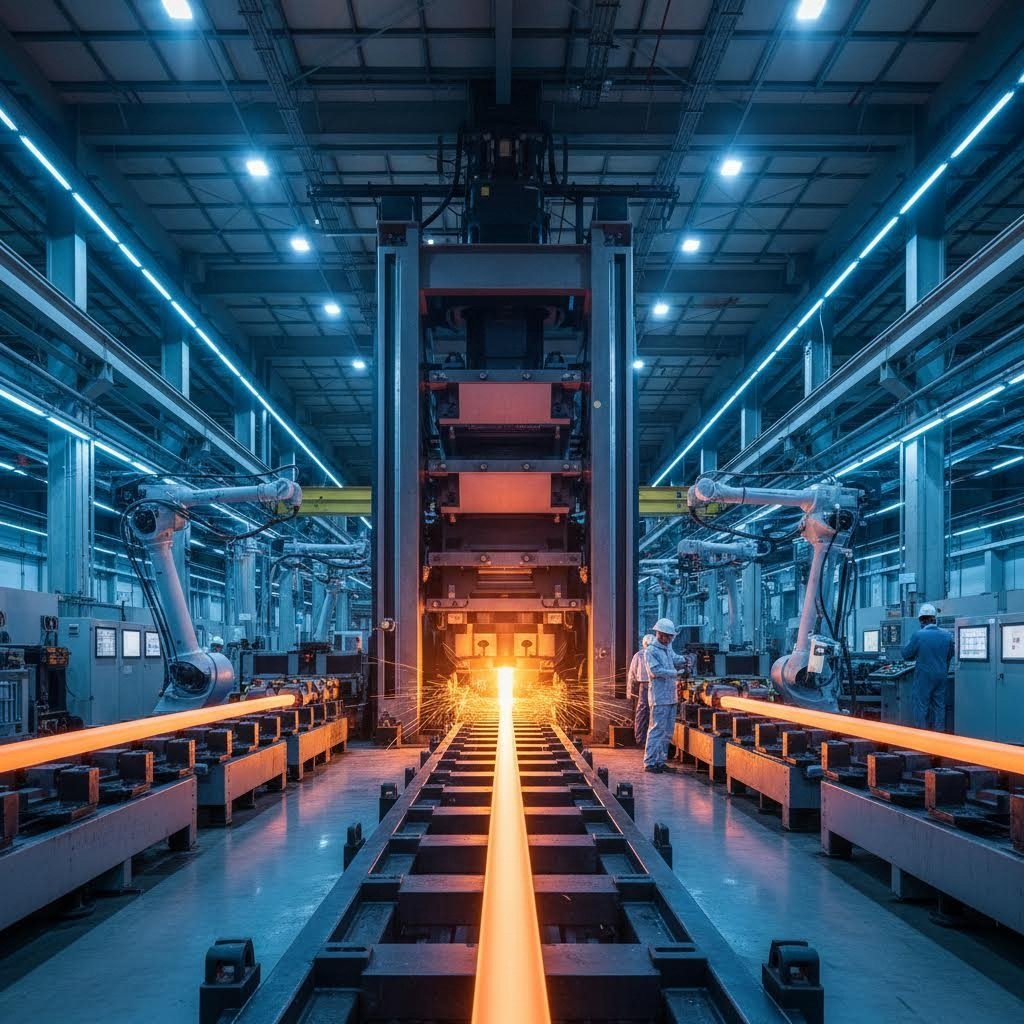
Custom aluminum extrusion is the process of shaping aluminum alloy into specific cross-sectional profiles tailored to your exact specifications. Unlike off-the-shelf options, these custom extrusions require dedicated tooling and precise manufacturing parameters to meet unique design requirements. When you're managing procurement decisions, understanding the custom aluminum extrusion cost structure becomes essential for accurate budgeting and informed supplier negotiations.
So, how much is a aluminum extrusion project really going to set you back? The answer isn't straightforward. In 2025, standard aluminum extrusion typically ranges between $2.50 and $3.80 per kilogram, but custom extrusions introduce additional variables that can significantly shift your final quote.
Unlike standardized products with predictable pricing, custom aluminum extrusions involve multiple cost layers that interact with each other. Raw aluminum alone accounts for 60-75% of your total cost, and this base material price fluctuates daily based on London Metal Exchange (LME) rates. In early 2025, LME aluminum sits at approximately $2,520-$2,530 per metric tonne.
Beyond raw materials, your quote is shaped by:
Each of these factors introduces variability that makes aluminum extrusion cost prediction challenging without detailed project specifications.
Vague supplier quotes can hide significant cost surprises. When you understand what drives pricing, you gain negotiating leverage and can make design decisions that optimize value without sacrificing performance.
This guide delivers specific cost insights you can actually use. You'll learn the percentage breakdown of each cost component, discover pricing triggers that inflate quotes, and develop a framework for comparing suppliers effectively. Whether you're sourcing custom extrusions for architectural applications, industrial equipment, or specialized components, this breakdown helps you move beyond guesswork toward confident procurement decisions.
Understanding exactly where your money goes helps you evaluate supplier quotes with confidence. Every custom aluminum extrusion quote comprises several distinct cost layers, each contributing a predictable percentage to your final price. Let's break down these components so you can identify optimization opportunities and spot potential overcharges.
| Cost Component | Description | Estimated Share of Total Cost |
|---|---|---|
| Raw Aluminum Ingot | Commodity cost based on LME or SHFE rates | 60–75% |
| Die and Tooling | Custom aluminum extrusion die fabrication and maintenance | Variable (amortized) |
| Extrusion Processing | Heating, press operation, cooling, shearing, and basic cutting | 15–25% |
| Surface Treatment | Anodizing, powder coating, PVDF, or specialty finishes | 5–15% |
| Secondary Operations | CNC machining, drilling, bending, assembly | Variable by complexity |
| Labor and Overhead | Wages, utilities, equipment depreciation, maintenance | 3–10% |
| Packaging and Transport | Protective wrapping, crating, inland freight | 2–5% |
Raw aluminum represents the largest single cost driver in your quote, typically accounting for 60-75% of total extrusion cost. This base price fluctuates daily based on global commodity markets, primarily the London Metal Exchange (LME) and Shanghai Futures Exchange (SHFE).
What influences these fluctuations? Several factors come into play:
Your alloy selection adds another pricing layer on top of base aluminum costs. Standard 6063 alloy typically tracks directly with LME rates, while higher-performance options like 6061 may add 10-20% to material costs. Premium aerospace-grade alloys such as 7075 or 2024 can increase raw material expenses by 40-60% due to specialized trace elements and controlled processing requirements.
When an alu extruder quotes your project, they're calculating material costs based on current market rates plus any alloy premiums. This explains why quotes from the same supplier can vary significantly just weeks apart—commodity markets don't stand still.
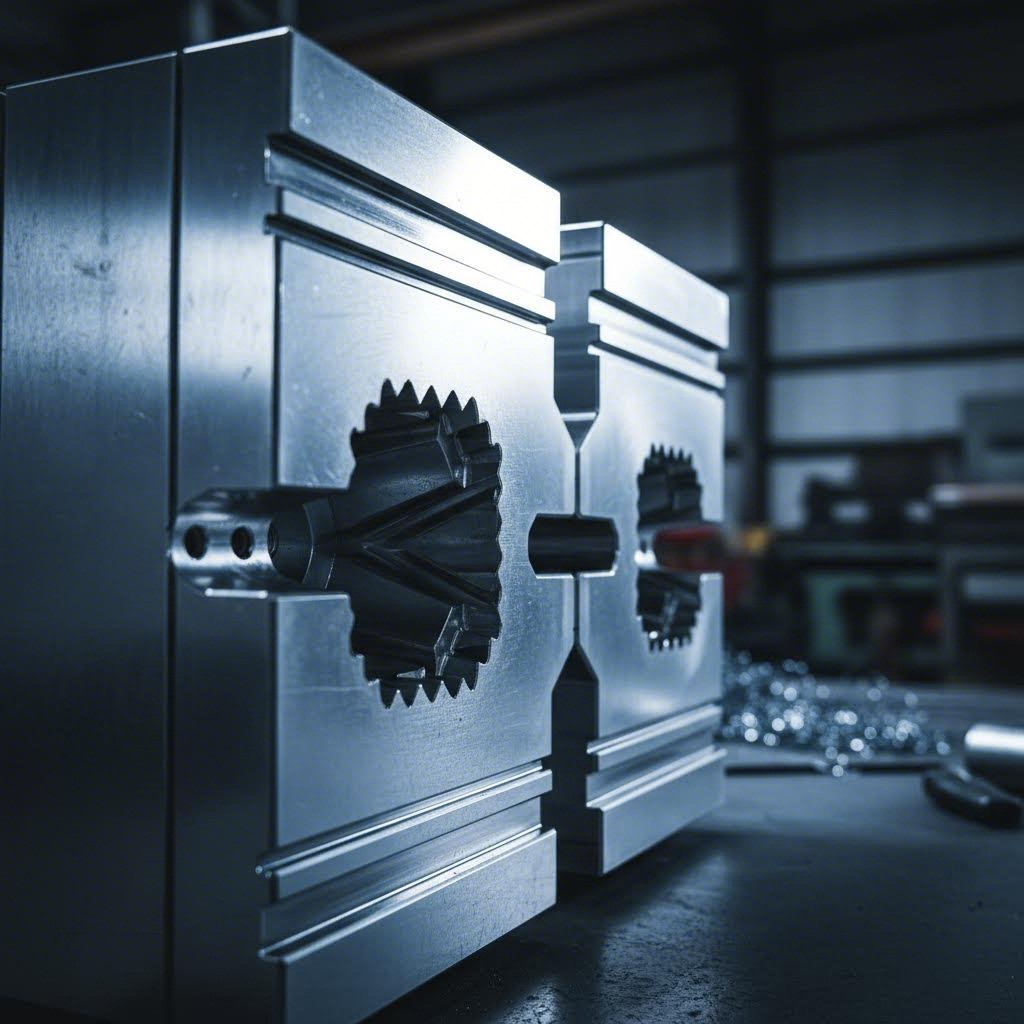
The aluminum extrusion die represents your upfront investment in custom manufacturing capability. Unlike raw material costs that scale linearly with volume, die costs are fixed investments that get spread across your production quantity. This creates a significant per-unit cost difference between small prototype runs and large production orders.
Tooling costs for custom profiles typically range from several hundred to several thousand dollars, with complexity being the primary driver:
What drives die for aluminium extrusion into higher price ranges? Profile geometry matters most. Intricate cross-sections with multiple internal cavities, sharp corners, or thin walls demand advanced die design and longer CNC machining time. The circumscribing circle diameter (CCD) also impacts cost—larger profiles require larger die blocks, increasing both material consumption and machining requirements.
Aluminium extrusion machine compatibility affects your aluminum extrusion tooling economics as well. Larger dies may require high-capacity press equipment, potentially limiting which suppliers can fulfill your order.
Understanding die amortization: Most suppliers offer two approaches to tooling charges. You can pay die fees upfront as a separate line item, or amortize them across your production run. For perspective, a $2,000 custom die used over 10,000 parts adds only $0.20 to each unit cost. However, that same die on a 500-piece prototype run adds $4.00 per part.
This amortization effect creates important strategic considerations. Small initial orders carry heavy per-unit tooling burdens, but once your die exists, repeat orders eliminate this cost entirely—assuming you've clarified die ownership with your supplier. Some manufacturers retain dies while others transfer ownership after project completion, so always confirm this detail before production begins.
Die lifespan varies by profile type and alloy selection. Solid dies typically last for 20,000–50,000 kg of extrusion, while hollow dies may only handle 10,000–30,000 kg depending on section complexity. High-strength alloys like 7000 series can reduce die life by up to 30% due to increased wear, adding hidden costs to projects requiring premium materials.
Here's a question worth considering before you commit to a custom extrusion project: could a standard profile actually meet your needs? The cost differential between off-the-shelf catalog profiles and custom-designed extrusions can be substantial, and understanding when each option makes financial sense directly impacts your bottom line.
Standard aluminum extrusion profiles are pre-designed shapes that manufacturers produce in high volumes. Think rectangular tubes, round bars, U-channels, T-slots, and angle profiles. These catalog items benefit from economies of scale—optimized production lines, shared tooling costs, and readily available inventory. Custom extruded aluminum, on the other hand, requires dedicated die development, specialized setup, and often smaller production runs that can't leverage the same cost efficiencies.
Choosing standard profiles over custom aluminum profiles isn't about settling for less—it's about smart cost management when circumstances favor it. Consider standard options when your project aligns with these scenarios:
The math is straightforward. A standard rectangular tube might cost a few dollars per linear foot and ships immediately. That same general shape as a custom extrusion aluminum project requires tooling investment plus production lead time before you receive a single piece.
So when does custom extrusion justify its premium? The value equation shifts when your application demands specific functionality, performance characteristics, or integration features that standard profiles simply cannot provide.
Custom extrusion makes financial sense in these situations:
Understanding the complexity-cost relationship: Design complexity directly drives tooling costs and production efficiency. More intricate cross-sections with tight tolerances, thin walls, or hollow chambers require more sophisticated dies that cost significantly more to manufacture.
Consider how profile geometry impacts your quote:
The circle size factor: Every extrusion profile fits within a circumscribing circle—the smallest circle that completely encloses the cross-section. This dimension determines which press size can produce your profile and directly affects pricing. Larger circle sizes require bigger presses with higher operating costs, limiting the number of suppliers who can quote your project. A profile fitting within a 6-inch circle can run on common mid-size presses, while a 12-inch circle requires specialized high-tonnage equipment that commands premium pricing.
When evaluating custom versus standard options, work through this framework:
| Evaluation Factor | Favors Standard Profiles | Favors Custom Extrusion |
|---|---|---|
| Order Volume | Under 500 pieces | 1,000+ pieces with repeat orders |
| Tooling Amortization | Cannot justify $400-$2,000+ die cost | Die cost adds less than 5% to unit price |
| Lead Time | Need delivery within 1-2 weeks | Can accommodate 4-8 week timeline |
| Functional Integration | Single-purpose application | Multiple integrated features needed |
| Weight Sensitivity | Standard dimensions acceptable | Every gram matters to performance |
| Competitive Position | Commodity application | Differentiation creates market advantage |
Remember that custom aluminum profiles represent an investment, not just an expense. The per-unit cost of custom extruded parts may run two to three times higher than standard alternatives for equivalent dimensions. However, when that custom profile eliminates secondary machining, reduces assembly labor, or enables performance improvements, the premium pays for itself across your product lifecycle.
With the profile decision established, your next consideration involves alloy selection—a choice that affects both immediate costs and long-term performance value.
You've settled on a custom profile design and understand the tooling investment required. Now comes a decision that affects both your immediate budget and long-term product performance: which aluminum alloy should you specify? This choice ripples through every cost component in your quote, from raw material pricing to die lifespan and production efficiency.
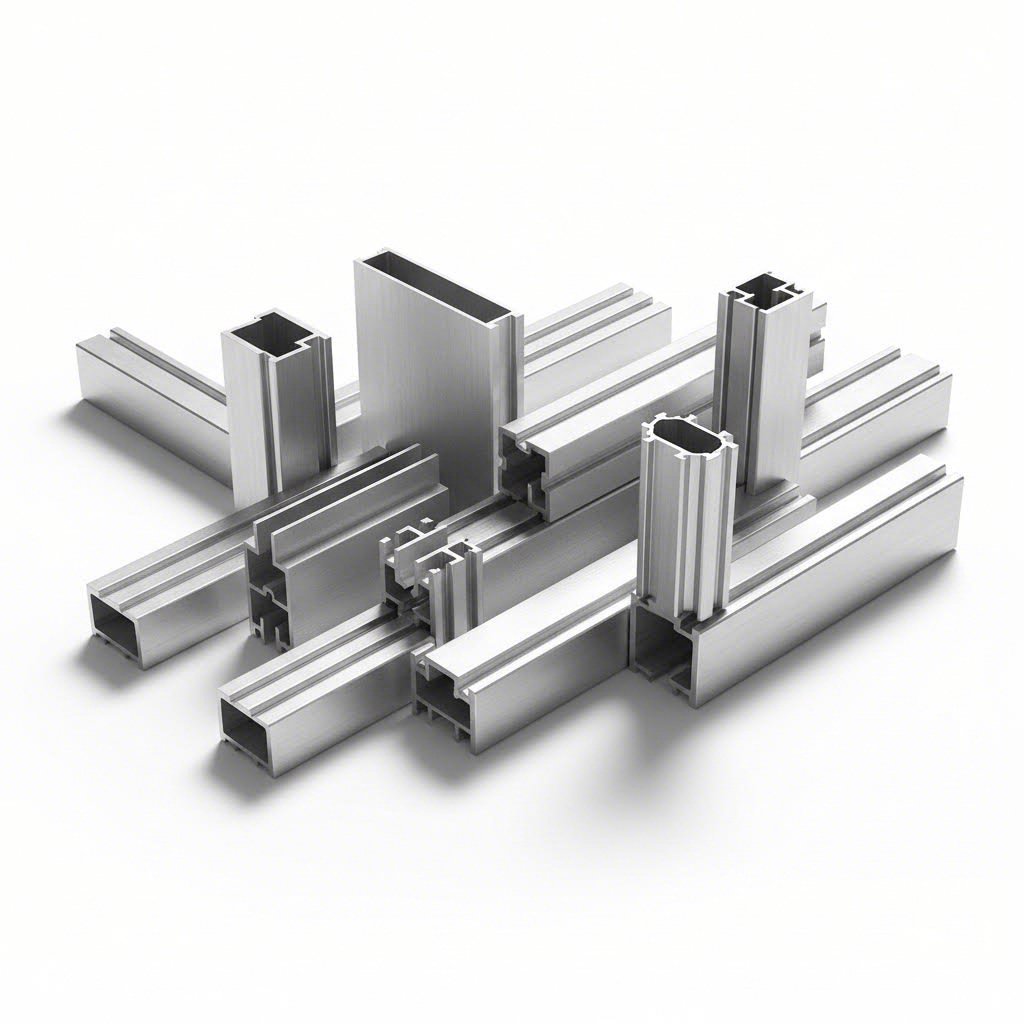
The aluminum extruded for your project isn't pure aluminum—it's an alloy engineered with specific elements like magnesium, silicon, and sometimes copper or zinc. These additions create distinct property profiles that determine strength, corrosion resistance, surface finish quality, and critically for your budget, how easily the material flows through extrusion dies.
When suppliers quote your aluminium profile extrusion project, alloy selection directly affects three cost layers:
Let's compare the three most common extrusion alloys and their relative cost implications:
| Alloy | Relative Cost | Extrudability Rating | Strength (Yield MPa) | Primary Applications |
|---|---|---|---|---|
| 6063-T6 | Baseline | Excellent | ~240 | Architectural frames, window profiles, decorative trim |
| 6061-T6 | +10-20% | Moderate | ~276 | Structural components, automotive frames, CNC machined parts |
| 6005-T6 | +5-15% | Good | ~260 | Rail profiles, tubing, furniture structures, modular frames |
Notice how 6063 serves as the cost baseline? There's a reason this alloy dominates architectural applications worldwide. Its excellent extrudability means faster production speeds, lower energy consumption, and longer die life—all factors that keep your per-unit costs down.
The extruded aluminum process runs most efficiently when material flows smoothly through die openings. Alloys with higher silicon content and lower magnesium levels, like 6063, achieve this optimal flow characteristic. When you aluminum extrude harder alloys like 6061, the press operates slower, consumes more energy, and applies greater stress to tooling—costs that show up in your quote.
Sounds like 6063 is the obvious choice, right? Not necessarily. The lowest-cost alloy isn't always the most cost-effective solution when you consider total project requirements.
Here's how to think through alloy selection strategically:
When 6063 delivers the best value:
The 6063 alloy's lower silicon and magnesium content produces exceptionally smooth surface finishes directly from the press. This reduces post-processing requirements and delivers consistent anodizing results—important when aesthetics drive your design.
When 6061 justifies its premium:
The copper content in 6061 enhances machinability, making it the preferred choice when your extrusions need extensive drilling, milling, or cutting operations. While material costs run $3.50-$4.50 per kilogram compared to 6063's $3.20-$4.00 range, the improved machining efficiency can offset this premium in fabrication-heavy applications.
When 6005 offers the smart middle ground:
The 6005 alloy provides approximately 10-15% higher yield strength than 6063 while maintaining reasonably good extrusion characteristics. It's often the optimal choice when 6063 falls slightly short on mechanical requirements but 6061's premium isn't justified.
Hidden costs in alloy selection: Beyond the per-kilogram price difference, consider how alloy choice affects your die investment. Harder alloys like 6061 can reduce die lifespan by 20-30% compared to 6063 running through the same tooling. On a long production program, this accelerated wear means earlier die replacement or refurbishment—costs that don't appear in your initial quote but affect total project economics.
Extrusion speed also varies significantly by alloy. A 6063 profile might run at 15-20 meters per minute while the same geometry in 6061 drops to 8-12 meters per minute. This production rate difference directly impacts processing costs and can affect lead times for large orders.
The strategic approach? Specify the minimum alloy strength that reliably meets your performance requirements. Over-specifying alloy grade wastes money on material premiums, processing inefficiencies, and accelerated tooling wear without delivering additional value to your application.
With alloy selection optimized, your next cost lever involves order volume—where significant per-unit savings become available as quantities increase.
Here's where custom aluminum extrusion cost dynamics get interesting for procurement professionals: order volume creates one of the most dramatic pricing levers in your entire project. The difference between ordering 200 kg and 2,000 kg can shift your per-unit cost by 30-50%—sometimes more. Understanding these volume thresholds helps you structure orders strategically and negotiate from a position of knowledge.
Why does volume matter so much? Custom aluminum extruders face fixed costs that must be recovered regardless of batch size. Press setup, die mounting, temperature calibration, and first-article inspection consume the same resources whether you're running 100 meters or 10,000 meters. Spreading these fixed costs across larger quantities dramatically reduces per-unit burden.
Most suppliers structure pricing around specific volume tiers, though the exact breakpoints vary by manufacturer and profile complexity. Here's what you can typically expect:
For small aluminum extrusions with lightweight cross-sections, these weight thresholds translate to substantial piece counts. A 15mm aluminum extrusion weighing just 0.3 kg per meter would require over 1,600 meters to reach the 500 kg baseline—potentially more inventory than you need immediately.
MOQ requirements vary significantly across the supplier landscape, and understanding these differences creates negotiation opportunities. Some manufacturers set minimums by weight, others by length, and still others by piece count or even dollar value.
Weight-based MOQs are most common for custom profiles. The 500-1,000 kg threshold reflects the practical economics of extrusion production. Orders below 500 kg force suppliers to apply small-lot surcharges—typically 15-30% premiums—to recover fixed costs.
Length-based MOQs appear frequently for lightweight profiles. A supplier might specify 1,000 meters minimum rather than a weight target, ensuring sufficient production run time regardless of profile mass.
Piece-count minimums protect fabrication efficiency. Even if weight requirements are met, too few individual pieces create handling and finishing inefficiencies. Expect minimums of 200-500 pieces for profiles requiring secondary operations.
Smart procurement strategies to optimize volume economics:
Balancing inventory costs against volume discounts: The temptation to order maximum quantities for lowest per-unit pricing must be weighed against real carrying costs. Inventory ties up working capital, consumes warehouse space, and carries obsolescence risk if designs change.
Calculate your true cost comparison: a 20% volume discount loses value quickly if you're financing inventory for 18 months before consumption. For most buyers, the sweet spot involves ordering 6-12 months of projected demand—enough to capture meaningful price breaks without excessive carrying burden.
Surface treatment requirements can push effective MOQs even higher. Finishing operations like anodizing or powder coating often require 800-1,200 kg minimums for efficient line utilization, potentially exceeding your extrusion MOQ. Always confirm both extrusion and finishing minimums when planning orders.
Understanding these volume dynamics positions you to structure orders that balance immediate needs against long-term cost optimization. But volume isn't the only geographic consideration—where your extrusions are manufactured introduces another significant cost variable.
Where should your custom aluminum extrusions actually be manufactured? This question goes far beyond comparing line-item quotes. The true cost difference between american aluminum extrusion suppliers and international extrusions sources often surprises buyers who focus solely on per-pound pricing. In 2025, with tariffs reaching unprecedented levels and compliance requirements tightening, the sourcing decision demands careful total landed cost analysis.
Let's be honest: overseas manufacturers frequently quote lower base prices. But that initial number tells only part of the story. Ocean freight, customs duties, extended lead times, and quality management costs can quickly erode—or entirely eliminate—apparent savings from lower offshore pricing.
Custom aluminum extrusion suppliers based in the United States offer advantages that don't always appear on quote sheets but significantly impact your total project economics:
Companies like Canart Aluminum and Tower Extrusions LLC represent the type of established domestic manufacturers that deliver these advantages. Their proximity to your operations enables responsive service that offshore suppliers simply cannot match for time-sensitive projects.
International sourcing can still make financial sense under specific conditions—but only when you calculate true total landed cost rather than comparing base quotes. Here's where many buyers miscalculate:
| Cost Factor | Domestic Sourcing | Overseas Sourcing |
|---|---|---|
| Base Pricing | Higher per-unit cost | 15-30% lower base price typical |
| Shipping Costs | Standard ground freight | $8,000-$20,000 per 40-ft container |
| Tariffs & Duties | None | Up to 70% for Chinese imports (Section 232 + 301 + surcharges) |
| Lead Times | 3-8 weeks (2 weeks for repeats) | 32-52 days ocean transit plus production |
| Quality Control | Direct inspection access | Remote management, potential third-party audits required |
| Communication | Real-time, same language | Time zone delays, potential language barriers |
| Hidden Costs | Minimal | Inventory carrying, customs brokerage, UFLPA compliance documentation |
The math gets complicated quickly. Consider this example: an eight-week ocean transit cycle forces you to carry two extra months of inventory. At an 18% annual carrying cost, that inventory burden can erase a 5-8% price advantage overnight—before you even factor in tariffs.
For custom aluminium extrusion from China specifically, tariff exposure has reached historic levels. Section 232 duties, Section 301 tariffs, and fentanyl-related surcharges can combine to add up to 70% to landed costs. Meanwhile, Vietnamese sourcing faces approximately 25% combined duties—still significant but substantially lower than Chinese imports.
Quality consistency considerations: Offshore sourcing introduces quality variability that carries real cost implications. When defective extrusions arrive after weeks of ocean transit, you face difficult choices: accept substandard material, wait months for replacement, or scramble for domestic emergency supply at premium pricing. The cost of potential rework, rejection, or production delays rarely appears in initial quotes but can devastate project economics.
When each strategy makes financial sense:
The smartest procurement teams now calculate total landed cost (TLC) using this formula:
TLC = Ex-works price + Freight + Duties + Tariffs + Compliance costs + Carrying costs + Risk buffer
Only this complete calculation reveals whether apparent offshore savings translate to actual cost reduction. For many U.S. buyers in 2025, domestic custom aluminum extrusion suppliers deliver better total value despite higher quoted unit prices.
Once you've determined your optimal sourcing geography, the next cost layer to evaluate involves surface finishing and secondary operations—where integrated suppliers can deliver significant efficiencies.
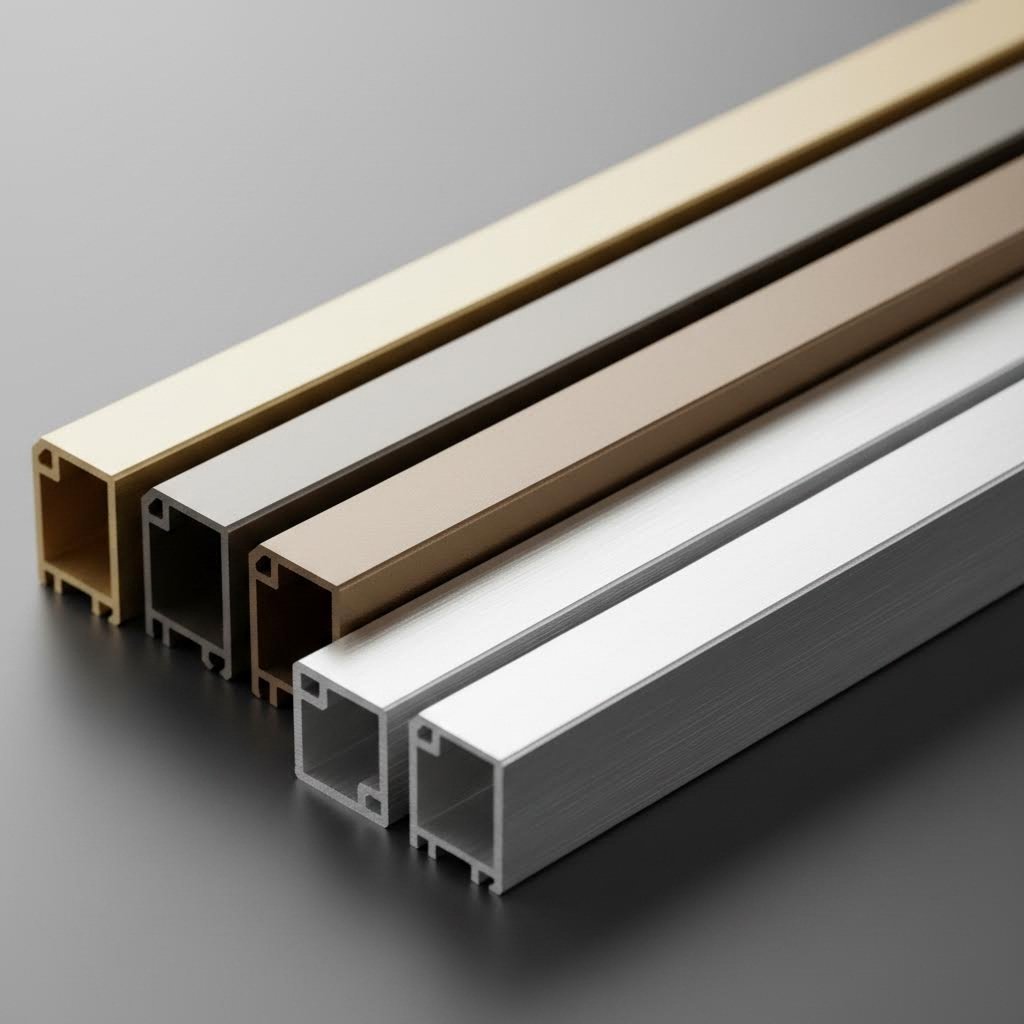
Your base extrusion cost represents just the starting point. What happens after aluminum leaves the press often adds 10-30% to your total project cost—sometimes more for complex assemblies. Understanding surface finishing and secondary operations pricing helps you budget accurately and identify opportunities where additional processing actually reduces total project expense.
Think about it this way: every surface treatment and fabrication step adds cost, but the right combination can eliminate downstream labor, extend product lifespan, and enhance market value. The key is matching finishing investments to genuine application requirements rather than over-specifying for features you don't need.
Surface finishes fall into distinct cost categories based on process complexity, material consumption, and equipment requirements. Here's how common finishing options compare:
How does finish selection affect your long-term value equation? Consider a slot rail system for retail fixtures. Mill finish might save $1,200 per metric ton initially, but anodized profiles resist scratching, maintain appearance over years of use, and command higher prices from end customers. The finishing investment often pays back through reduced replacement cycles and enhanced product positioning.
For exterior aluminum frame extrusions, the calculation shifts dramatically. PVDF coatings cost more upfront but eliminate repainting expenses for decades. Architectural projects with 30-year lifecycle expectations often find premium finishes deliver the lowest total cost of ownership despite higher initial investment.
Beyond surface treatments, secondary operations transform raw extrusions into ready-to-install components. Each process adds cost—but strategically applied, these operations can reduce total project expense by eliminating customer-side fabrication.
Common secondary operations and their cost drivers include:
Here's where aluminum extrusion fabrication economics get interesting: paying your supplier to perform secondary operations often costs less than doing the same work in-house. Why? Suppliers batch similar operations across multiple orders, maintain dedicated equipment, and employ operators with specialized expertise. Your production floor may lack the tooling, training, or volume to match their efficiency.
Consider round aluminum extrusion tubes destined for furniture applications. Having your supplier cut, drill mounting holes, and apply powder coating adds cost per piece—but eliminates your need for cutting equipment, drill presses, and finishing booths. The labor hours saved, equipment costs avoided, and quality consistency gained often exceed the secondary processing charges.
Aluminum angle extrusions illustrate another fabrication trade-off. Ordering pre-mitered corners from your extruder costs more than receiving straight lengths. But if your shop lacks precision miter capability, the alternative involves scrap, rework, and inconsistent assemblies. Sometimes the "more expensive" option delivers better total economics.
The integrated supplier advantage: Facilities that combine extrusion, fabrication, and finishing services under one roof deliver cost efficiencies that multi-vendor arrangements cannot match. When your extrusions move directly from press to CNC to anodizing line without shipping between facilities, you eliminate:
As noted in industry guidance, selecting a manufacturer with vertically integrated capabilities minimizes logistical management burden and reduces final order costs compared to coordinating operations between multiple different vendors.
When evaluating finishing and fabrication quotes, request itemized breakdowns showing each operation's contribution to total cost. This transparency reveals optimization opportunities—perhaps a simpler finish meets requirements at lower cost, or combining certain machining operations reduces setup charges. Armed with component-level pricing visibility, you can make informed decisions that balance functionality, aesthetics, and budget constraints.
Surface finishing and secondary operations represent controllable cost variables where smart specification delivers real savings. But other cost factors prove less negotiable—particularly when timeline pressures enter the equation.
Here's what often catches buyers off guard: the costs that never appear on your initial quote. Timeline pressures, shipping complexities, and project lifecycle expenses can add 15-25% to your total investment—yet these factors rarely receive adequate attention during the specification phase. Understanding these hidden cost drivers helps you budget accurately and avoid unpleasant surprises when invoices arrive.
When you're extruding aluminum on a tight deadline or shipping extruded aluminum beams across the country, every decision carries cost implications. Let's examine the factors that inflate project costs beyond base extrusion pricing.
Time is money—literally, when it comes to expedited extrusion production. Suppliers structure their operations around predictable scheduling, and disrupting that flow to accommodate rush orders triggers premium pricing across multiple cost categories.
What does expedited production actually cost? Expect these premiums when timeline compression becomes necessary:
The math gets expensive quickly. A project that might cost $15,000 with standard 6-8 week timing can easily reach $19,000-$22,000 when compressed to 2-3 weeks. For large aluminium extrusions requiring significant press time, these premiums compound further.
Smart procurement strategy involves building timeline buffers into project planning. Even adding two weeks of contingency often saves more than the carrying cost of slightly earlier inventory arrival. When rush situations are unavoidable, request itemized breakdowns of expediting charges—some components may offer more flexibility than others.
Shipping costs deserve their own budget line item, particularly for aluminium extrusion tube profiles and other lengthy or heavy products. Many buyers underestimate logistics expenses until quotes arrive—then scramble to reconcile project budgets.
Several factors determine your shipping costs:
For international shipments, logistics complexity multiplies dramatically. Sea freight costs far less per kilogram than air freight—but adds weeks to delivery timelines. Ocean transit from Asian suppliers typically runs 32-52 days, forcing buyers to choose between cost and speed.
Here's how freight options compare for overseas extrusion shipments:
| Freight Method | Relative Cost | Typical Transit Time | Best For |
|---|---|---|---|
| Sea Freight (FCL) | Lowest | 4-8 weeks | Large volume orders, cost-sensitive projects |
| Sea Freight (LCL) | Low-Medium | 5-10 weeks | Smaller quantities, consolidated shipments |
| Air Freight | Highest (4-6x sea) | 3-7 days | Urgent samples, small critical orders |
| Mixed-Mode | Medium | 3-5 weeks | Balanced cost/speed requirements |
Damage risk also varies by shipping method. Sea freight generally offers better protection for heavy, bulky extrusions—containers remain sealed throughout transit with minimal handling. Air freight moves cargo through multiple stages quickly, increasing damage potential for long or delicate profiles unless packaging is exceptional.
Your custom aluminum extrusion cost extends beyond the production quote to encompass the full project lifecycle—from initial concept through final delivery and beyond. Overlooking these phases leads to budget shortfalls and strained supplier relationships.
Consider these often-forgotten cost elements:
Some buyers explore emerging technologies like 3d printed aluminum extrusion prototypes for early-stage validation. While additive manufacturing cannot replicate true extrusion properties, printed mockups can verify fit and form before committing to die investment—potentially avoiding costly redesigns.
Focus on total cost of ownership rather than unit price alone. The lowest per-pound quote means nothing if rush charges, shipping premiums, quality issues, and project delays inflate your actual expenditure by 20-30%.
This total cost perspective transforms how you evaluate suppliers. A manufacturer quoting $0.15 per foot higher but offering faster standard lead times, included design support, and regional warehouse locations may deliver substantially lower total project cost than the "cheapest" alternative.
Total cost of ownership analysis considers everything required to acquire and utilize your extrusions effectively: capital costs, operational impacts, downtime risks, and even residual value if tooling can be reused. Applying this framework reveals the true economics behind supplier selection.
With lifecycle costs understood, you're positioned to evaluate supplier quotes more effectively—knowing exactly which questions to ask and what red flags to watch for.
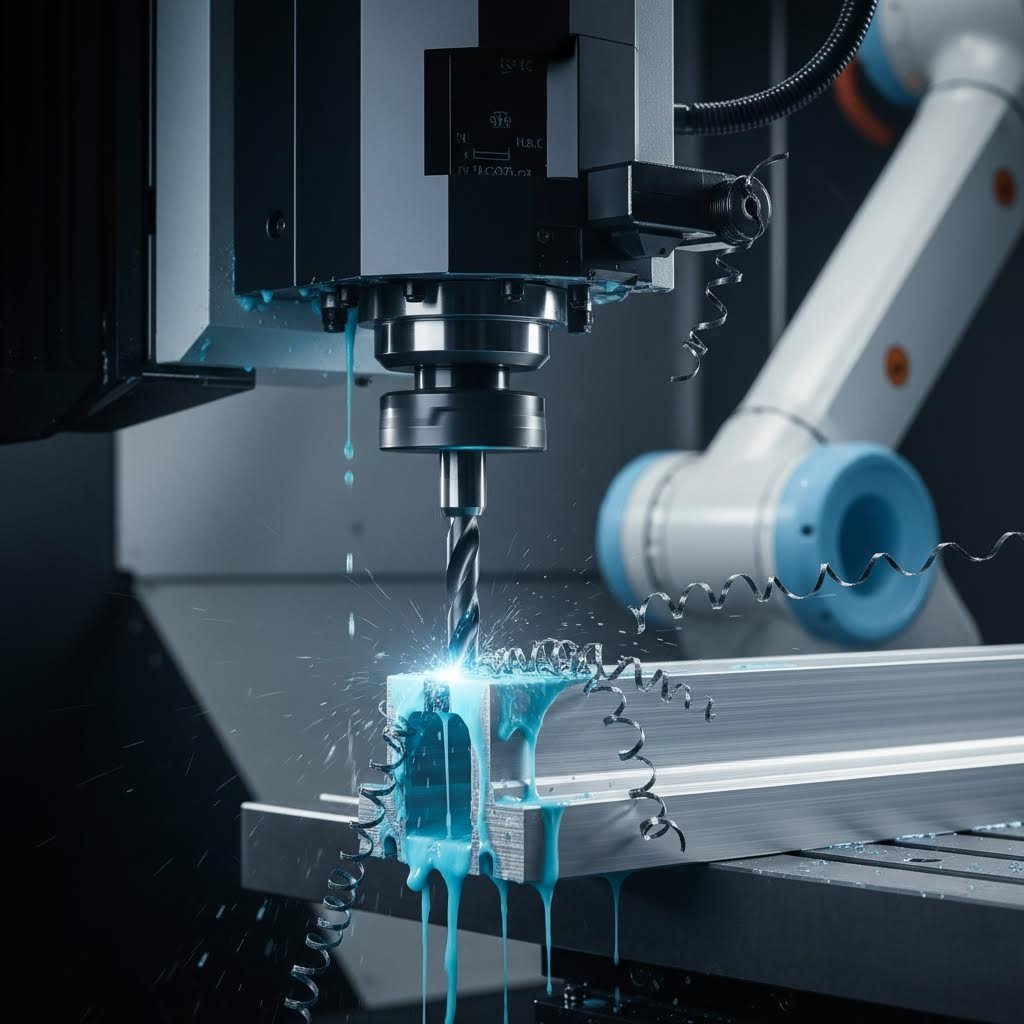
You've done the hard work—defined your profile requirements, selected appropriate alloys, and calculated volume needs. Now comes the critical step that determines whether your custom aluminum extrusion project succeeds financially: evaluating supplier quotes and choosing the right manufacturing partner. This decision extends far beyond comparing bottom-line numbers. The supplier you select influences quality consistency, timeline reliability, and total project cost in ways that initial quotes rarely reveal.
Think about it: two quotes showing identical per-pound pricing can deliver vastly different total value. One supplier might include comprehensive DFM support, die ownership transfer, and integrated finishing—while another charges separately for each service. Without asking the right questions upfront, you risk budget surprises that derail project economics.
Before comparing prices, ensure you're gathering information that enables genuine apples-to-apples evaluation. These questions expose capability differences and hidden costs that separate reliable partners from problematic vendors:
When evaluating responses, look for suppliers who answer confidently with specific details rather than vague generalities. Experienced custom extruded aluminum profiles manufacturers welcome detailed questioning because they understand how informed buyers make better partners.
Not all low quotes represent good value—some signal problems that will cost you more in delays, quality issues, or hidden charges. Watch for these warning signs when reviewing aluminum extrusion custom proposals:
Industry competitors like Star Extruded Shapes Inc and Republic Extrusions have established reputations in specific market segments. When evaluating any supplier—whether a well-known name or a newer entrant like ABC Aluminum Solutions—apply these same scrutiny standards consistently.
Here's where supplier selection becomes genuinely strategic: the right manufacturing partner delivers value that transcends competitive pricing. Experienced custom aluminium extrusions manufacturers with comprehensive capabilities offer advantages that compound throughout your project lifecycle.
What does comprehensive capability actually mean? Look for suppliers combining these elements:
Consider what this integration means practically. When your extrusions move directly from press to CNC machining to anodizing without leaving the facility, you eliminate multiple shipping charges, reduce handling damage risk, and condense lead times. Factory-direct pricing reflects these efficiencies—there are no markups passing between separate organizations.
For example, Shengxin Aluminium exemplifies this full-service model with over 30 years of industry experience and 35 extrusion presses ranging from 600T to 5500T capacity. Their comprehensive deep processing services include precision CNC machining, diverse surface treatments (anodizing in custom colors, powder coating, PVDF, and micro-arc oxidation), and end-to-end technical support from die development through mass production. This integrated approach delivers factory-direct pricing advantages that multi-vendor arrangements cannot match.
Even with thorough questioning, comparing quotes requires normalization. Different suppliers structure proposals differently—and those structural variations can obscure true cost differences.
Create a standardized comparison framework covering:
| Comparison Element | What to Normalize | Why It Matters |
|---|---|---|
| Tooling Costs | Ensure all quotes specify same die complexity level | Simple vs. hollow die assumptions vary by 2-3x in cost |
| Material Specifications | Confirm identical alloy, temper, and tolerance standards | 6061-T6 costs 10-20% more than 6063-T5 baseline |
| Finishing Scope | Match anodize thickness, powder coat specifications, color | Premium finishes can add $1,200-$1,400 per metric ton |
| Included Services | List design support, inspection, documentation, packaging | Unbundled quotes hide 10-15% in à la carte charges |
| Shipping Terms | Compare FOB point, freight responsibility, insurance | Delivered pricing versus ex-works creates significant gaps |
| Volume Assumptions | Ensure quotes reflect identical order quantities | Volume tier differences shift per-unit cost 15-30% |
When quotes span different geographies, remember that tool costs for extrusion dies used in normal architectural and industrial applications can range from $400 to $1,000, while tool costs for large parts made on 2,000-4,000 ton presses could reach as high as $2,000. Domestic and overseas suppliers may quote similar tooling prices, but production costs, shipping, and tariffs create significant total cost differences that require careful calculation.
The most reliable comparison method involves requesting detailed cost breakdowns showing each component separately. Suppliers confident in their value proposition provide this transparency readily. Those offering only bundled totals may be obscuring unfavorable component costs within more competitive elements.
Ultimately, the right custom aluminum extrusion partner combines competitive pricing with technical capability, quality consistency, and responsive service. Taking time to evaluate thoroughly—asking tough questions, watching for red flags, and normalizing comparisons—positions you to build supplier relationships that deliver value across multiple projects and years of collaboration.
You've now explored every major factor influencing your custom aluminum extrusion cost—from raw material pricing and die investments to volume economics and supplier selection. But knowledge without application delivers limited value. Let's distill these insights into actionable strategies that transform how you approach procurement decisions and supplier relationships.
The difference between buyers who consistently achieve favorable pricing and those who overpay often comes down to preparation and perspective. Custom extruders reward partners who understand production realities, communicate clearly, and commit to mutually beneficial relationships.
Every cost component we've examined offers optimization opportunities. Here's your consolidated checklist of primary drivers and corresponding actions:
When does custom aluminum extrusion represent genuinely good value versus when should you consider alternatives? This decision framework clarifies the evaluation:
Custom extrusion delivers strong value when:
Consider alternatives when:
Remember that total cost analysis—not unit price comparison—reveals true economics. A supplier quoting higher per-pound pricing but including design support, integrated finishing, and faster delivery may deliver substantially lower total project cost than the "cheapest" alternative.
The most cost-effective procurement strategy extends beyond individual transactions to encompass long-term supplier partnerships. A true supplier partner is willing to share their expertise, not just take your order—and that expertise delivers value across multiple projects.
What does productive collaboration look like in practice?
Bespoke aluminium profiles from experienced manufacturers—whether members of organizations like the Aluminium Extruders Council or established independent operations—deliver consistent quality when relationships are properly cultivated. Even metric aluminum extrusion specifications that require precise tolerances become routine production for suppliers who understand your standards through ongoing collaboration.
The procurement professionals who achieve the best custom aluminum extrusion cost outcomes share common characteristics: they understand what drives pricing, prepare thoroughly before requesting quotes, evaluate suppliers holistically rather than on price alone, and invest in relationships that deliver compounding value over time. Apply these principles consistently, and your extrusion projects will consistently meet budget, quality, and timeline targets.
Custom aluminum extrusion costs vary based on multiple factors. Standard extrusions typically range from $2.50-$3.80 per kilogram, while custom profiles can cost $5-$8 per pound depending on design complexity and finishing. Die tooling adds $400-$2,000+ as a one-time investment. Raw aluminum accounts for 60-75% of total cost, with surface finishing adding 5-15% and secondary operations varying by complexity. Volume significantly impacts per-unit pricing, with orders over 2,000 kg often seeing 15-25% savings compared to minimum quantity orders.
Aluminum extrusion die costs depend on profile complexity and size. Solid dies for simple profiles like angles and channels range from $300-$800. Semi-hollow dies with narrow openings cost $800-$1,500, while fully hollow dies requiring mandrel assembly run $1,000-$3,000. Large parts made on 2,000-4,000 ton presses can reach $2,000 or higher. Multi-cavity dies for high-volume small components may exceed $5,000. These costs are often amortized across production volume, making per-unit tooling expense negligible on large orders.
Raw aluminum prices fluctuate between $1,500-$3,500 per metric ton based on LME rates, with early 2025 prices around $2,520-$2,530 per tonne. However, finished extrusion costs are substantially higher due to processing, tooling amortization, and finishing. Expect to pay premiums for alloy selection (6061 adds 10-20% over 6063), surface treatments like anodizing ($1,200-$1,400 per metric ton), and secondary operations. Total landed costs for custom profiles typically run 3-5x raw material costs depending on specifications.
While overseas manufacturers often quote 15-30% lower base prices, total landed costs frequently favor domestic sourcing in 2025. Chinese imports face up to 70% combined tariffs (Section 232, 301, and surcharges), while Vietnamese sources carry approximately 25% duties. Ocean freight adds $8,000-$20,000 per 40-ft container with 32-52 day transit times, forcing inventory carrying costs of 18% annually. Domestic suppliers deliver in 3-8 weeks with simplified communication, quality control, and no tariff exposure. Calculate total landed cost including freight, duties, and carrying costs before deciding.
Standard MOQs for custom aluminum extrusions typically range from 500-1,000 kg for new profiles. Orders below 500 kg often incur 15-30% small-lot surcharges. Some suppliers set minimums by length (1,000+ meters) or piece count (200-500 pieces) for fabricated parts. Finishing operations like anodizing may require 800-1,200 kg minimum for efficient processing. Volume significantly affects pricing—orders of 1,000-2,000 kg see 8-15% savings, while 5,000+ kg orders can achieve 25-35% discounts. Blanket orders with scheduled releases help balance inventory costs against volume pricing.



 บริการออนไลน์
 0086 136 3563 2360
 sales@sxalu.com
 +86 136 3563 2360
 ไทย
ไทย English
 français
 Deutsch
 русский
 español
 português
 العربية
 Việt
Việt Українська