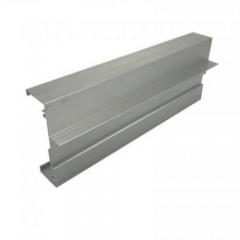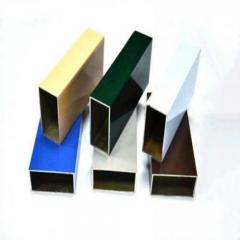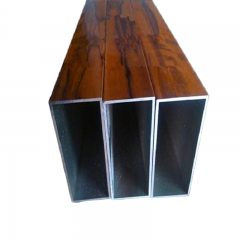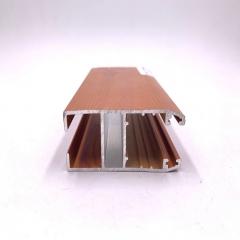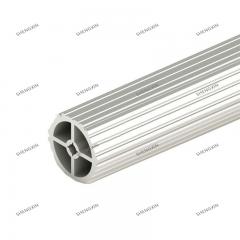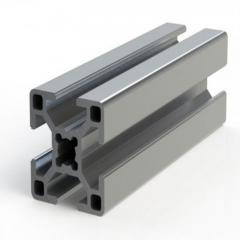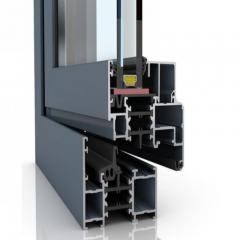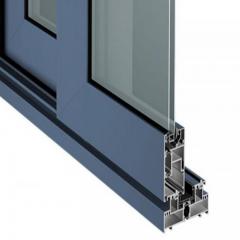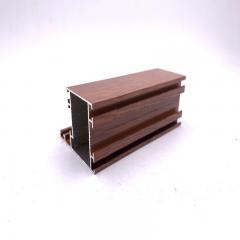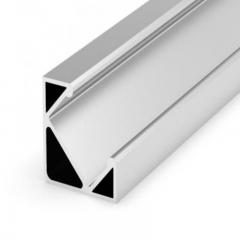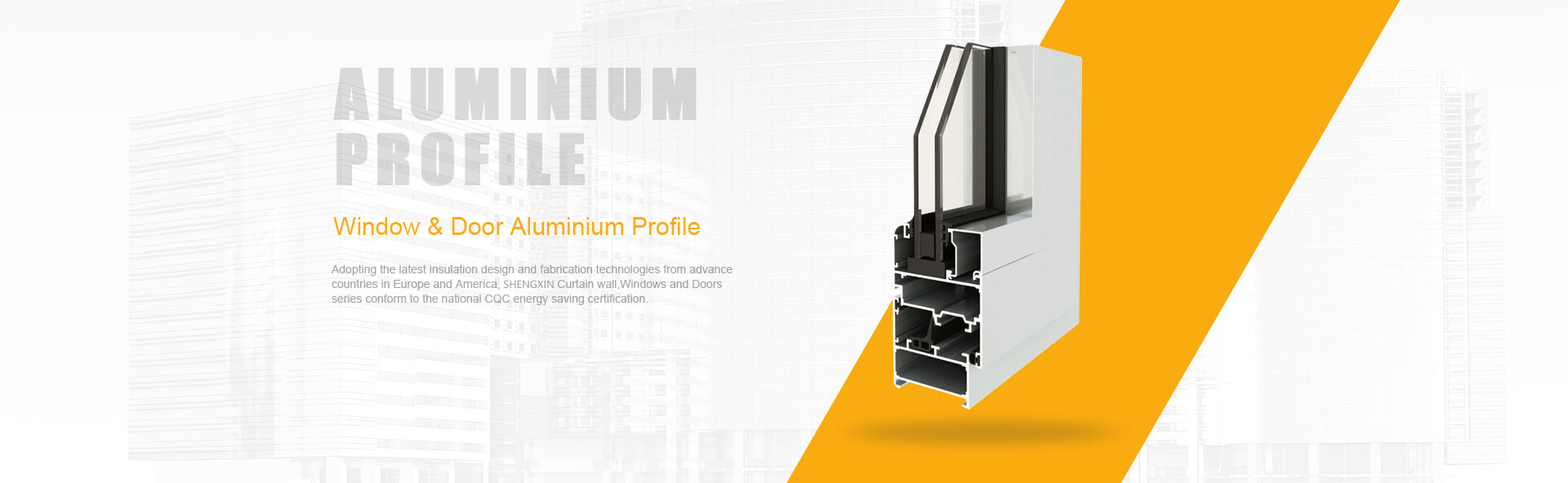
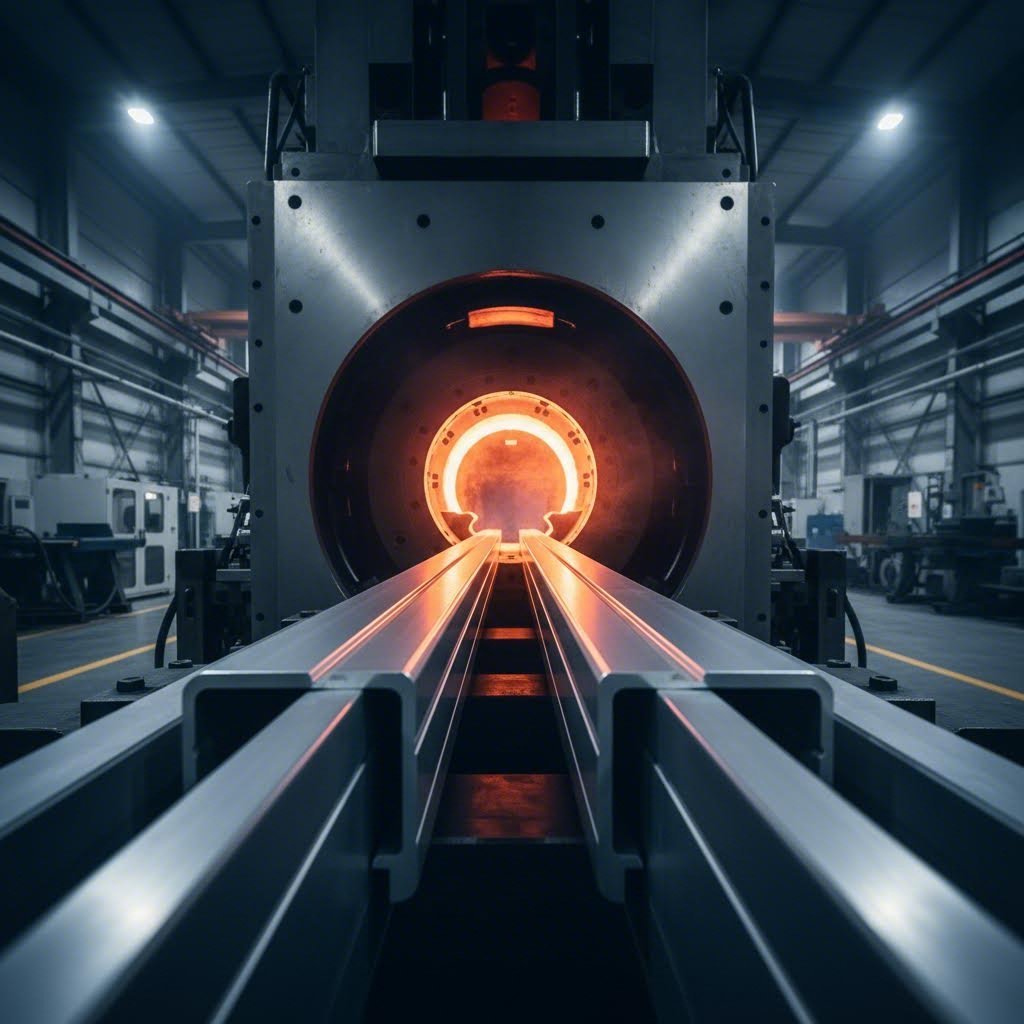
What is 6061 aluminum, and why do engineers consistently specify it for custom extrusion projects? Simply put, 6061 is a precipitation-hardened aluminum alloy that delivers an exceptional balance of strength, corrosion resistance, and machinability. When manufacturers need custom profiles that can withstand structural loads while remaining easy to fabricate, this versatile alloy stands out as the go-to choice across industries ranging from aerospace to architectural construction.
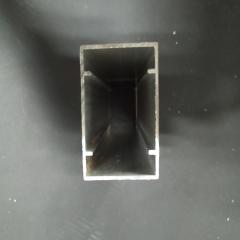
Custom 6061 aluminum extrusions offer designers the freedom to create complex cross-sectional shapes tailored precisely to their application requirements. Unlike standard off-the-shelf profiles, these custom solutions optimize material usage, reduce assembly complexity, and often eliminate the need for secondary joining operations.
Understanding the composition of 6061 aluminum helps explain its remarkable performance characteristics. The 6061 al composition features magnesium and silicon as primary alloying elements, typically containing 0.8-1.2% magnesium and 0.4-0.8% silicon by mass. These elements work together to enable precipitation hardening through heat treatment, which dramatically improves mechanical properties.
Additional alloying elements include small amounts of copper, chromium, iron, manganese, and zinc. According to Wikipedia's technical specifications, the chromium content helps control grain structure, while copper contributes to strength enhancement during heat treatment.
6061 aluminum alloy can achieve yield strength exceeding that of certain types of stainless steel when properly heat-treated to T6 temper, reaching approximately 270 MPa (39 ksi) while maintaining excellent corrosion resistance.
First developed in 1935 to support advances in the aircraft industry, this 6061 alu formulation has proven its reliability across nearly nine decades of demanding applications. Its position within the 6000 series aluminum family means it shares the excellent extrudability characteristics that make this series particularly well-suited for creating complex profiles.
When comparing aluminum alloys for extrusion applications, 6061 aluminum alloy consistently emerges as the preferred option for structural and mechanical components. Here's why manufacturers and designers favor this material:
The 6000 series is well recognized for its excellent extrudability, and 6061 represents the second most popular aluminum for extrusion after 6063. While 6063 excels in architectural applications requiring smooth surface finishes, 6061 takes the lead whenever projects demand higher strength without sacrificing corrosion performance or fabrication flexibility.
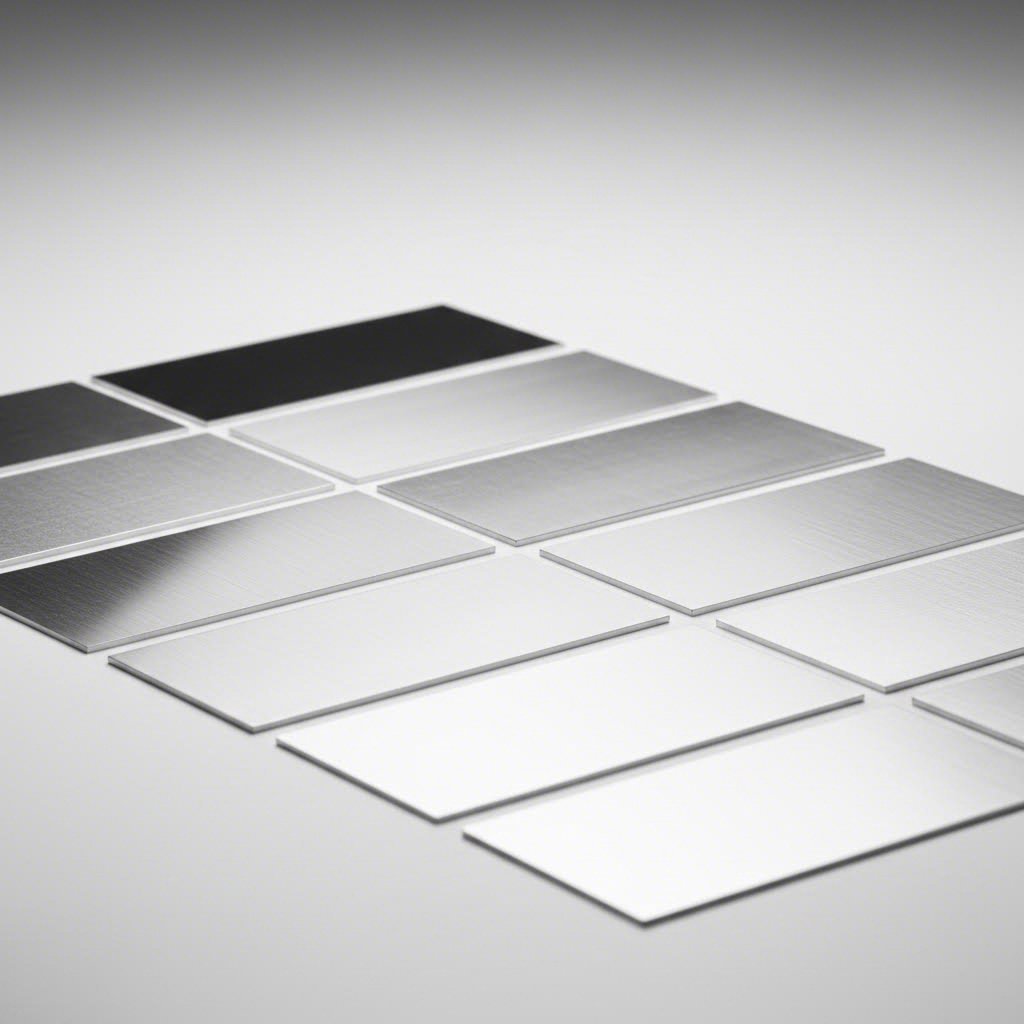
Ever wondered why two pieces of 6061 aluminum can behave so differently under stress? The answer lies in temper designation—a critical factor that transforms this extruded aluminum alloy from a workable raw material into a high-performance structural component. Understanding these specifications helps you select the right material for your custom extrusion project and avoid costly mismatches between material properties and application requirements.
The mechanical performance of 6061 aluminium alloy varies dramatically depending on its heat treatment condition. When you're specifying material for custom 6061 aluminum extrusions, knowing these property differences becomes essential for engineering success. The table below provides comprehensive data across the most common temper conditions:
| Property | 6061-O (Annealed) | 6061-T4 | 6061-T6 | 6061-T651 |
|---|---|---|---|---|
| Ultimate Tensile Strength | 124 MPa (18 ksi) | 207 MPa (30 ksi) | 310 MPa (45 ksi) | 310 MPa (45 ksi) |
| Yield Strength | 55 MPa (8 ksi) | 110 MPa (16 ksi) | 276 MPa (40 ksi) | 276 MPa (40 ksi) |
| Elongation at Break | 25-30% | 22% | 12% | 10% |
| Brinell Hardness | 30 HB | 65 HB | 95 HB | 95 HB |
| Thermal Conductivity | 180 W/m·K | 154 W/m·K | 167 W/m·K | 167 W/m·K |
Notice how the 6061 T6 extrusion offers nearly triple the yield strength of annealed material? This dramatic improvement comes at a trade-off—reduced elongation means less formability after heat treatment. For projects requiring post-extrusion bending or forming, specifying annealed or T4 temper allows these operations before final heat treatment to T6.
So what actually happens during heat treatment? Let's break down each temper designation and its practical implications:
6061-O (Annealed): This represents the softest, most workable condition. The al 6061 alloy undergoes controlled heating and slow cooling to maximize ductility and toughness. You'll choose this temper when your fabrication process requires extensive forming, bending, or welding operations. The trade-off is significantly lower strength—about one-third that of T6 temper.
6061-T4 (Naturally Aged): After solution heat treatment, the material ages at room temperature. This temper offers a middle ground between formability and strength. According to Industrial Metal Service, the yield strength continues to develop naturally over time after initial processing, making T4 useful when moderate forming is needed before the material reaches full hardness.
6061-T6 (Artificially Aged): This is the workhorse temper for structural applications. The process involves two critical steps: solution heat treatment heats the 6061 aluminium above its solvus temperature to dissolve alloying elements into a homogeneous solid solution. Rapid quenching preserves this supersaturated state. Then, artificial aging at controlled elevated temperatures (typically 160-180°C for several hours) precipitates fine magnesium silicide crystals throughout the aluminum matrix. These microscopic particles dramatically increase strength and hardness.
6061-T651 (Stress Relieved): Building on T6 treatment, this temper adds a stretching operation after solution heat treatment but before aging. According to Xometry's technical guide, this stress-relieves the metal to mitigate warp and distortion during subsequent machining. For precision CNC operations on custom extrusions, T651 provides superior dimensional stability and uniform grain structure.
When selecting temper for your project, consider the complete manufacturing sequence. If your custom profiles will undergo extensive machining, T651 minimizes distortion risks. For assemblies requiring welding, remember that heat-affected zones will lose their T6 properties and may need post-weld heat treatment to restore full strength. The right temper choice balances mechanical requirements against fabrication realities—ensuring your 6061 extrusions perform reliably in their final application.
Choosing the right aluminum alloy for your custom extrusion project can feel overwhelming. With dozens of options available, how do you know whether 6061 is truly the best fit—or if another alloy might serve your application better? The answer depends on your specific requirements for strength, surface finish, weldability, and budget. Let's cut through the confusion with a clear comparison framework.
When engineers evaluate custom 6061 aluminum extrusions against alternatives, three alloys dominate the conversation: 6061, 6063, and 7075. Each serves distinct application niches based on its unique property profile.
6061 aluminum represents the versatile middle ground. It delivers solid structural strength combined with excellent machinability and good corrosion resistance. When your project demands load-bearing capability and you'll need to drill, tap, or machine the profiles after extrusion, 6061 consistently proves its value.
6063 aluminum extrusion prioritizes aesthetics over raw strength. Often called "architectural aluminum," extruded aluminum 6063 produces smoother surface finishes straight from the die. This makes it ideal for visible applications like window frames, door systems, and decorative trim. While its yield strength runs about 25% lower than 6061-T6, the superior anodizing response and surface quality justify this trade-off for appearance-critical projects.
7075 aluminum extrusion enters the picture when maximum strength is non-negotiable. This zinc-alloyed material approaches the strength of many steels while maintaining aluminum's weight advantage. However, 7075 costs significantly more, machines less readily, and offers reduced corrosion resistance and weldability. Aerospace applications justify these compromises; most industrial projects don't.
You might also encounter discussions comparing aluminum 6061 vs 2024. Like 7075, the 2024 alloy targets high-strength aerospace applications. However, 2024 offers even worse corrosion resistance and is generally considered non-weldable—making it poorly suited for most custom extrusion projects outside specialized aircraft structures.
The following comparison table provides a comprehensive view across the most common extrusion alloys. Use this as your decision-making guide when specifying materials for custom profiles:
| Property | 6061-T6 | 6063-T6 | 7075-T6 | 5052-H32 | 3003-H14 |
|---|---|---|---|---|---|
| Tensile Strength | 310 MPa | 241 MPa | 572 MPa | 228 MPa | 152 MPa |
| Yield Strength | 276 MPa | 214 MPa | 503 MPa | 193 MPa | 145 MPa |
| Formability | Good | Excellent | Fair | Excellent | Excellent |
| Weldability | Good | Good | Poor | Excellent | Excellent |
| Corrosion Resistance | Good | Good | Fair | Excellent | Good |
| Machinability | Excellent | Good | Good | Fair | Fair |
| Surface Finish Quality | Good | Excellent | Good | Good | Good |
| Relative Cost | Medium | Medium | High | Medium | Low |
| Best Applications | Structural, machinery | Architectural, decorative | Aerospace, defense | Marine, chemical tanks | General purpose, HVAC |
When comparing 3003 vs 6061, the difference becomes clear quickly. The 3003 alloy offers excellent formability and low cost but provides less than half the strength of 6061. This makes 3003 suitable for non-structural applications like ductwork, general sheet metal, and decorative panels—but inadequate for load-bearing extrusions.
The 5052 alloy deserves consideration when welding 5052 components will be a major fabrication step or when the extrusion will face harsh marine environments. Its superior corrosion resistance in saltwater applications makes it popular for boat hulls and marine hardware. However, 5052 cannot be heat-treated for additional strength and machines less cleanly than 6061.
For most custom extrusion projects requiring a balance of structural performance, fabrication flexibility, and reasonable cost, 6061 remains the optimal choice. Its combination of good strength, excellent machinability, reliable weldability, and proven corrosion resistance explains why this alloy dominates structural and industrial applications. Only when your project faces specific extreme requirements—maximum strength for aerospace, superior surface aesthetics for architecture, or exceptional marine corrosion resistance—should you look beyond this versatile workhorse.
With the right alloy selected, the next critical step involves understanding how your custom profile transforms from a concept sketch into a finished extrusion ready for delivery.
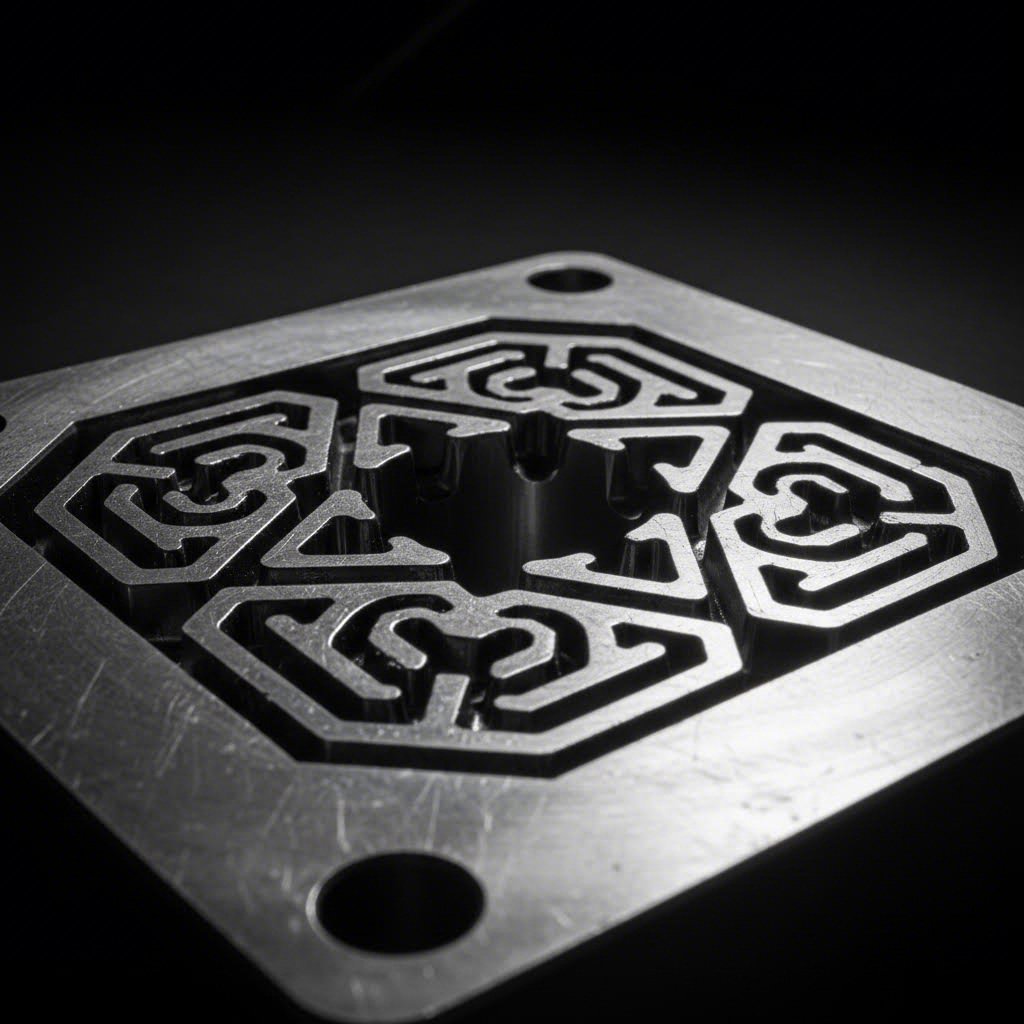
So you've selected 6061 as your alloy—now what? Understanding the complete journey from initial concept to finished parts helps you plan realistic timelines, anticipate potential design challenges, and communicate effectively with your extrusion partner. Unlike standard aluminium extrusions that ship from existing inventory, custom aluminum extrusions require a carefully orchestrated manufacturing sequence that transforms your unique specifications into production reality.
Every custom 6061 extrusion project begins with an idea. Maybe you've sketched a profile on paper, created a CAD model, or simply described the functional requirements your component must meet. Regardless of where you start, the path forward follows a proven workflow designed to catch potential issues early—before costly tooling investments lock in your design.
The die represents the heart of any al extrusion operation. This precision-machined steel tool defines exactly what cross-sectional shape emerges from the extrusion press. Die development typically requires 2-4 weeks depending on complexity, and costs range from several hundred to several thousand dollars based on profile intricacy. Investing time upfront in design optimization pays dividends throughout production.
During the feasibility analysis phase, engineers evaluate whether your proposed profile can be manufactured efficiently. They assess wall thickness ratios, check for potential weak points in the die, and verify that the geometry allows proper material flow during pressing. This collaborative review often identifies opportunities to simplify your design without sacrificing functionality—reducing both tooling costs and per-piece pricing.
Once your die design is finalized and manufactured, production follows a sequential workflow. Here's what happens during each stage:
Press tonnage plays a critical role in determining what profiles can be produced. Smaller presses in the 600T-1500T range handle compact profiles with modest circumscribing circle diameters. Larger presses reaching 3500T-5500T+ enable wider, more complex cross-sections with multiple hollow chambers. When your custom extrusions require substantial width or intricate internal geometries, verify that your supplier operates appropriately sized equipment.
Wall thickness presents another key constraint. Most extrusion operations achieve minimum wall thicknesses between 1.0-1.5mm for 6061 alloy, though skilled manufacturers with precision tooling can push thinner in certain profile geometries. Thicker walls extrude more reliably and reduce die stress, while extremely thin sections challenge material flow uniformity and die longevity. Balancing weight optimization against manufacturing feasibility becomes essential during the concept phase.
Design complexity directly impacts both tooling investment and production efficiency. Profiles with asymmetric features, sharp corners, or dramatic wall thickness variations require more sophisticated dies and slower extrusion speeds. Symmetrical designs with consistent wall thickness and generous corner radii not only cost less to tool but also run faster during production—translating to lower per-piece costs at volume.
With the manufacturing process understood, the next step involves mastering specific design guidelines that help your custom profiles achieve optimal balance between functionality, manufacturability, and cost.
You've got a great concept for your custom aluminum extrusion—but will it actually work in production? The difference between a profile that extrudes smoothly and one that causes headaches often comes down to following proven design principles. These guidelines help you create 6061 aluminum extrusion profiles that balance performance requirements against manufacturing realities, ultimately saving time and money throughout your project.
Wall thickness represents one of the most critical decisions in precision aluminum extrusion design. Too thin, and material flow becomes unpredictable; too thick, and you waste material while adding unnecessary weight. Here's what you need to know:
Standard extrusion tolerances for aluminium alloy extrusion typically fall within ±0.1mm to ±0.25mm depending on feature size and profile complexity. When tighter tolerances are essential for your application, two options exist: specify precision extrusion with enhanced quality controls, or plan for secondary CNC machining operations on critical dimensions. Extruded aluminum CNC machining routinely achieves tolerances of ±0.025mm or better on specified features.
Smart design choices at the concept stage dramatically impact both tooling costs and per-piece pricing. Consider these critical parameters when developing your custom aluminum extrusion profile:
Profile complexity directly drives cost through two mechanisms. First, intricate dies require more machining time and specialized expertise, raising upfront tooling investment. Second, complex profiles often run at slower extrusion speeds to maintain quality, reducing production efficiency. CNC aluminium extrusion for secondary operations adds another cost layer when tight tolerances or additional features require post-extrusion machining.
The relationship between design choices and final part cost follows a simple principle: simpler profiles with uniform wall thickness reduce both tooling investment and per-piece pricing. Before finalizing your design, ask yourself whether every complex feature truly serves a functional purpose—or if a simplified geometry could achieve the same performance at lower cost.
With your profile design optimized for manufacturability, the next consideration involves understanding which industries benefit most from 6061's unique property combination—and how surface treatments enhance performance for specific applications.
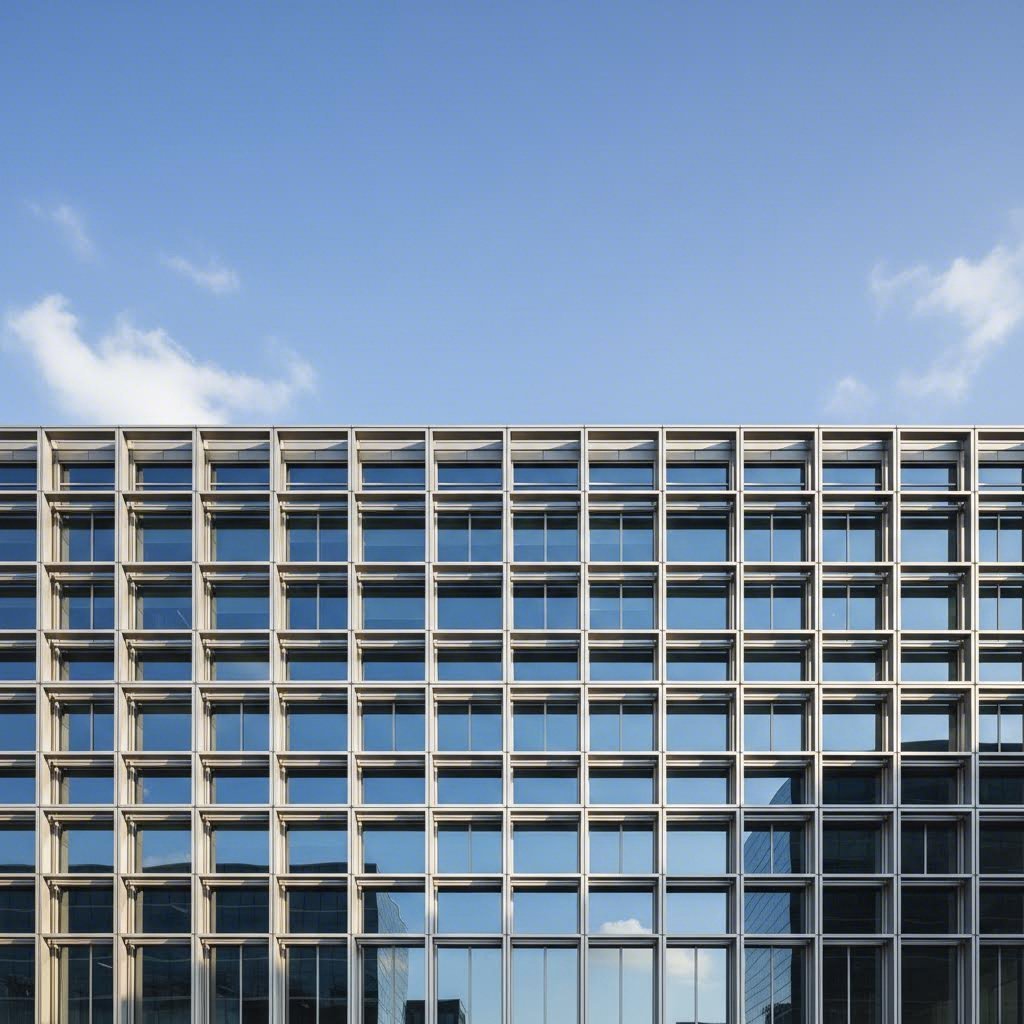
Where do custom 6061 aluminum extrusions actually end up? From the framework supporting your office ceiling to the bicycle you ride on weekends, this versatile alloy appears in countless applications across diverse industries. Its unique combination of structural strength, corrosion resistance, and excellent weldability makes it the material of choice whenever engineers need reliable performance without excessive weight or cost.
Let's explore the specific sectors where 6061 delivers exceptional value—and understand why this particular alloy outperforms alternatives in each application category.
Structural aluminum extrusions form the backbone of modern industrial infrastructure. When facilities require robust yet lightweight framing systems, 6061 consistently proves its worth through decades of reliable service.
The structural extruded aluminum market continues expanding as designers recognize the advantages over traditional steel framing—particularly the elimination of rust concerns and the significant weight reduction that simplifies installation.
When weight savings translate directly to fuel efficiency and performance gains, 6061's strength-to-weight ratio becomes critically important. Transportation sectors leverage this alloy extensively:
Saltwater and harsh weather environments challenge most materials—but properly finished 6061 extrusions thrive in these conditions:
Raw extruded aluminum performs well in many environments, but surface treatments extend service life and expand application possibilities:
Selecting the appropriate surface treatment depends on your specific environment, aesthetic requirements, and budget constraints. Architectural projects typically justify premium PVDF finishes, while industrial frameworks often perform adequately with mill finish or basic anodizing.
Understanding these diverse applications helps you visualize how your custom profiles might perform in service. The next consideration involves practical project factors—including realistic timelines and the cost drivers that influence your total investment.
You've designed the perfect custom profile and selected 6061 as your alloy—but how long will it take to get parts in hand, and what will the project actually cost? These practical questions often determine whether a custom aluminium extrusion project moves forward or stalls in the planning phase. Understanding realistic timelines and cost drivers helps you budget accurately, set proper expectations with stakeholders, and identify opportunities to optimize your investment.
Custom aluminum extrusions don't appear overnight. Unlike stock profiles that ship from distributor inventory within days, your unique design requires a manufacturing sequence that takes weeks or months depending on project complexity.
Here's a typical timeline breakdown for custom 6061 aluminum extrusions:
For a new custom profile, expect 8-12 weeks from project kickoff to delivery. Repeat orders using existing dies compress dramatically—often shipping within 3-4 weeks since die development is eliminated.
Minimum order quantities vary significantly among custom aluminum extrusions suppliers. Some manufacturers require 500+ kg minimum runs to justify press setup time, while others accommodate short run aluminum extrusions as small as 100 kg for prototyping or low-volume applications. When evaluating suppliers, ask specifically about MOQ flexibility—particularly if your initial volumes are modest but expected to grow over time.
What determines whether your custom profile costs $3 per meter or $15 per meter? Several interconnected factors combine to establish pricing. According to A-Line Automation's cost analysis, understanding these drivers helps you make design decisions that optimize value without sacrificing functionality:
Should you source from a domestic 6061 aluminum angle distributor or work with an international manufacturer? Both options have legitimate advantages depending on your priorities.
Domestic sourcing advantages:
International sourcing advantages:
The total cost comparison isn't straightforward. According to Paramount Extrusions' sourcing guide, domestic production eliminates the shipping costs associated with overseas orders, while imported extrusions may carry longer lead times and communication challenges that create hidden costs through delays and quality issues.
For projects where consistent quality and responsive support matter most, domestic or regional suppliers often prove more cost-effective despite higher quoted piece prices. For high-volume commodity profiles where specifications are well-established and price sensitivity is paramount, international sourcing may deliver better value.
With timeline expectations set and cost factors understood, the final consideration involves evaluating potential extrusion partners—identifying the capabilities and qualifications that distinguish reliable suppliers from those who may struggle with your project requirements.
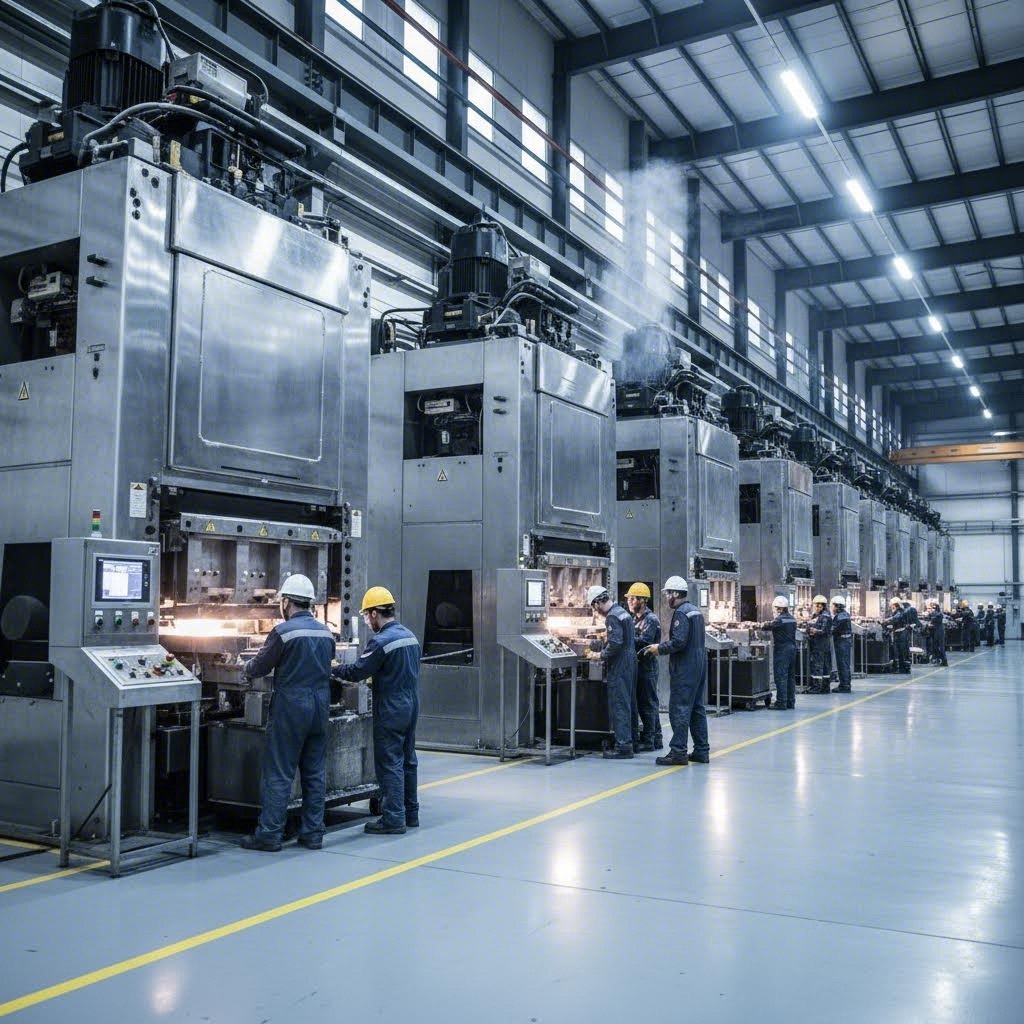
You've designed an optimized profile, selected 6061aluminum as your material, and budgeted for realistic costs—but your project's success ultimately depends on the partner you choose to manufacture it. Not all extrusion suppliers offer the same capabilities, and mismatches between your project requirements and a supplier's equipment or expertise can derail timelines, compromise quality, or inflate costs. Knowing what questions to ask and which capabilities matter most helps you identify partners who will deliver custom extruded aluminum profiles that meet your specifications consistently.
When you're sourcing custom aluminium extrusions, the supplier's manufacturing infrastructure directly determines what profiles they can produce—and how well. Start your evaluation by examining these fundamental equipment considerations:
For example, Shengxin Aluminium's deep processing and custom extrusion services demonstrate what comprehensive capability looks like in practice. Their facility houses 35 extrusion presses ranging from 600T to 5500T, providing the flexibility to produce everything from intricate small profiles to large structural sections. State-of-the-art CNC machining centers handle precise cutting, drilling, and bending operations, while extensive surface treatment options—including anodizing in custom colors like champagne and rose gold, powder coating, PVDF, and micro-arc oxidation—address virtually any finish requirement under one roof.
Beyond equipment, several qualitative factors distinguish exceptional aluminum extrusion fabrication partners from adequate ones. Consider these evaluation criteria when making your selection:
The value of end-to-end support—from die development through mass production—cannot be overstated for complex projects. When your extrusion partner handles design consultation, die engineering, extrusion, heat treatment, surface finishing, and secondary machining, you gain a single accountable source for quality. Problems get resolved faster because there's no finger-pointing between vendors, and modifications can be implemented across the entire process chain with coordinated adjustments.
As you evaluate potential partners, request facility tours when practical—or at minimum, detailed capability documentation. Review their equipment lists against your specific profile requirements. Ask about typical lead times for projects similar to yours, and verify that their quality control procedures align with your industry requirements.
The right custom extrusion partner transforms your design vision into reliable production reality. By systematically evaluating capabilities, certifications, and support quality, you'll identify suppliers equipped to deliver custom 6061 aluminum extrusions that meet your specifications—on time and within budget.
Custom aluminum extrusion costs typically range from $3 to $15 per meter depending on several factors. Die complexity ($500-$5,000+), profile weight, surface finishing requirements, secondary machining operations, and order volume all influence pricing. Larger production runs reduce per-unit costs by spreading fixed expenses across more pieces. Working with an end-to-end partner like Shengxin Aluminium can streamline costs through integrated die development, extrusion, and finishing under one roof.
Yes, 6061 aluminum extrudes exceptionally well and ranks as the second most popular aluminum alloy for extrusion after 6063. Its excellent extrudability comes from the 6000 series characteristics, while its magnesium and silicon composition enables precipitation hardening through heat treatment. The alloy offers outstanding strength, corrosion resistance, and machinability, making it ideal for structural applications requiring load-bearing capability combined with ease of fabrication.
While 6061 offers excellent versatility, it has some limitations. It costs more than alloys like 5052, 6063, or 3003. Heat-affected zones during welding lose T6 temper properties and may require post-weld treatment. Its surface finish quality is good but not as smooth as 6063 for architectural applications. Additionally, mechanical properties may degrade at very low temperatures, making it less suitable for cryogenic applications.
Both tempers achieve similar mechanical properties—310 MPa tensile strength and 276 MPa yield strength. The key difference is stress relief. T651 includes a stretching operation after solution heat treatment but before aging, which relieves internal stresses. This makes T651 superior for precision CNC machining operations, as it minimizes distortion and warping during material removal. Choose T651 when dimensional stability matters most.
New custom profiles typically require 8-12 weeks from project kickoff to delivery. This includes die design (1-2 weeks), die manufacturing (2-4 weeks), initial extrusion trial (1 week), production run (1-3 weeks), heat treatment and finishing (1-2 weeks), and quality inspection with shipping (1 week). Repeat orders using existing dies ship much faster—often within 3-4 weeks since die development is eliminated.



 บริการออนไลน์
 0086 136 3563 2360
 sales@sxalu.com
 +86 136 3563 2360
 ไทย
 English
 français
 Deutsch
 русский
 español
 português
 العربية
 Việt
 Українська