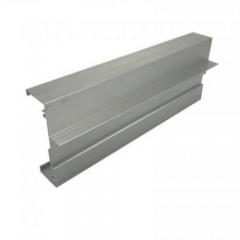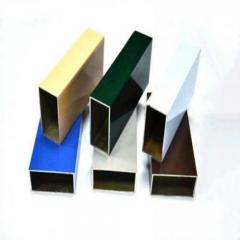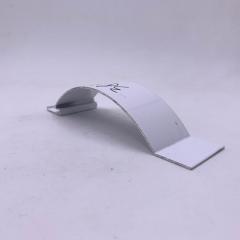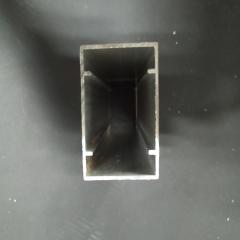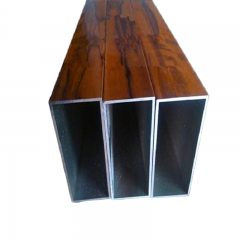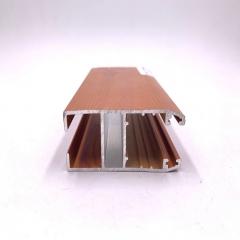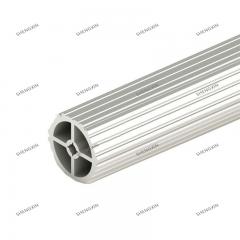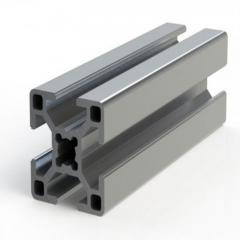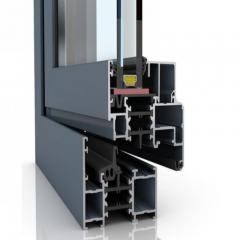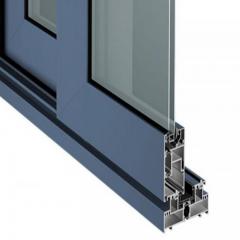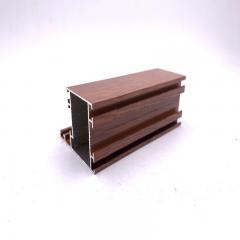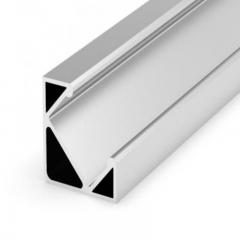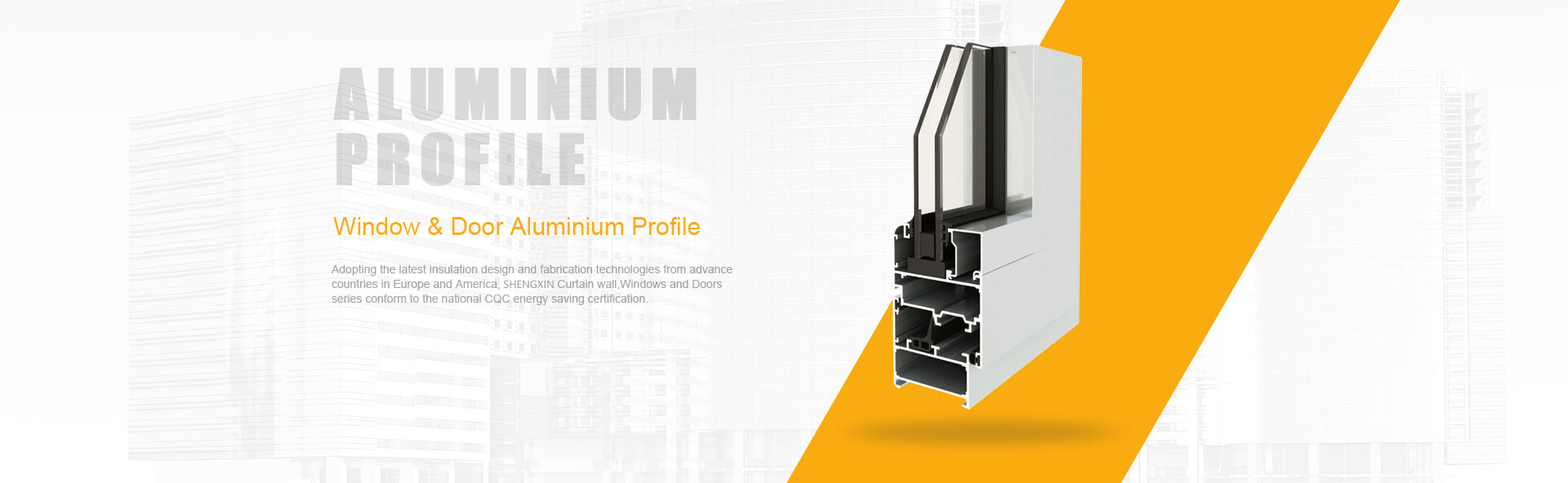
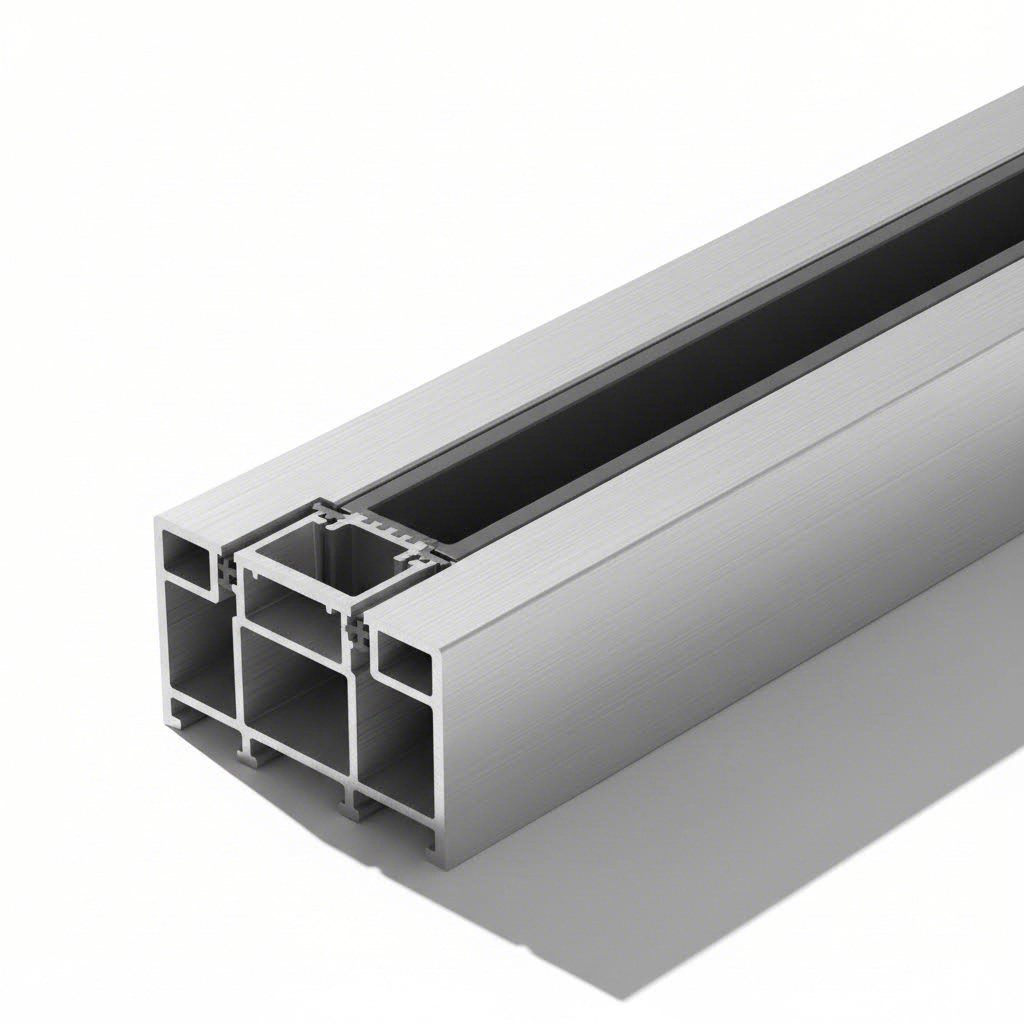
When you look at a modern building's sleek windows, you're likely seeing aluminum window frame extrusions at work. But what exactly are they? These specialized profiles are created when heated aluminum alloy is forced through a precisely shaped die to produce continuous lengths of material with consistent cross-sectional shapes. Think of it like squeezing toothpaste through a tube opening - except the "tube" is a custom-engineered die, and the result is a perfectly formed aluminum window profile that maintains exact dimensions every single time.
This manufacturing method has become the backbone of modern fenestration for one compelling reason: dimensional consistency. Unlike cast or machined aluminum window components, extruded profiles emerge with tolerances so tight that parts for aluminum windows fit together seamlessly during assembly. According to RapidDirect, the extrusion process can apply up to 15,000 tons of pressure, forcing malleable aluminum through die openings to create fully-formed shapes that require minimal secondary processing.
Why has extruded aluminum become the material of choice for window manufacturers worldwide? The answer lies in its unique combination of properties. During extrusion, aluminum billets are preheated to approximately 400-500°C - hot enough to become malleable but not molten. This precise temperature control ensures the metal flows evenly through the die, creating aluminum frame windows with exceptional structural integrity.
The process also delivers remarkable design flexibility. Complex hollow sections, intricate thermal break channels, and integrated drainage paths can all be incorporated into a single extruded aluminum window frame. This would be virtually impossible to achieve through traditional fabrication methods without significant cost increases and quality compromises.
Every aluminum window frame extrusion system consists of several essential aluminum window frame parts working together. Understanding these components helps you specify the right profiles for your project:
Each of these components is engineered with specific wall thicknesses, chamber configurations, and connection details that determine overall window performance. The quality of these extrusions - from alloy selection to surface finish - directly impacts everything from thermal efficiency to long-term durability.
Choosing the right aluminum window frame material goes far beyond simply selecting "aluminum." The specific alloy and temper you specify will determine everything from how smoothly your aluminium window profile accepts finishing to whether the frame can handle structural loads over decades of service. Let's break down the technical details that separate good specifications from great ones.
Walk into any window manufacturing facility, and you'll find 6063 alloy running through their extrusion presses. Why? This alloy hits the sweet spot between workability and performance that fenestration demands.
According to Gabrian, 6063 is often called "architectural aluminum" because it has been specifically optimized for extrudability. The alloy contains magnesium (0.45-0.9%) and silicon (0.2-0.6%) in carefully balanced proportions that allow it to flow smoothly through complex die geometries without tearing or surface defects.
Here's what makes 6063 exceptional for window frames:
The two primary tempers you'll encounter are 6063-T5 and 6063-T6. The T5 temper involves cooling from the extrusion temperature and artificial aging, producing moderate strength with excellent formability. The T6 temper adds a solution heat treatment step before aging, boosting strength by approximately 15-20% while maintaining good surface characteristics.
Sounds technical? Let's simplify what these numbers actually mean for your window projects. When comparing aluminum alloys for fenestration, you need to evaluate several key mechanical properties that directly impact frame performance.
| Property | 6063-T5 | 6063-T6 | 6061-T6 |
|---|---|---|---|
| Tensile Strength | ~185 MPa | ~240 MPa | ~310 MPa |
| Yield Strength | ~145 MPa | ~215 MPa | ~275 MPa |
| Elongation | 8-10% | 8-10% | 10-12% |
| Corrosion Resistance | Excellent | Excellent | Good |
| Surface Finish Quality | Very Smooth | Very Smooth | Good |
| Extrudability | Excellent | Excellent | Good |
For most residential and standard commercial window applications, 6063-T5 provides adequate strength while keeping costs manageable. When you need higher wind load resistance or larger unsupported spans, stepping up to 6063-T6 delivers that extra structural capacity without sacrificing surface quality.
What about 6061-T6? This "structural aluminum" alloy offers roughly 30% higher yield strength than 6063-T6, making it the preferred choice for heavy-duty commercial curtain walls, high-rise applications, and projects in extreme wind zones. However, as noted by Rapid Axis, this added strength comes with trade-offs: the surface finish isn't quite as smooth, and the alloy is slightly more challenging to extrude into complex profiles.
You might wonder about even stronger options like 7075 aluminum. While 7075-t6 yield strength reaches impressive levels (around 500 MPa), this aerospace-grade alloy is rarely used in fenestration. The significantly higher cost, poor weldability, and reduced corrosion resistance make it impractical for architectural applications where 6000-series alloys perform admirably.
One often-overlooked advantage of 6063 and 6061 alloys is their exceptional compatibility with surface treatments. Both alloys develop a dense, uniform oxide layer during anodizing that provides decades of protection. They also accept powder coating exceptionally well - the surface texture allows primers and topcoats to bond mechanically while the aluminum's natural oxide layer creates excellent chemical adhesion. This finishing flexibility is precisely why these alloys have become the industry standard for quality aluminium window profiles worldwide.
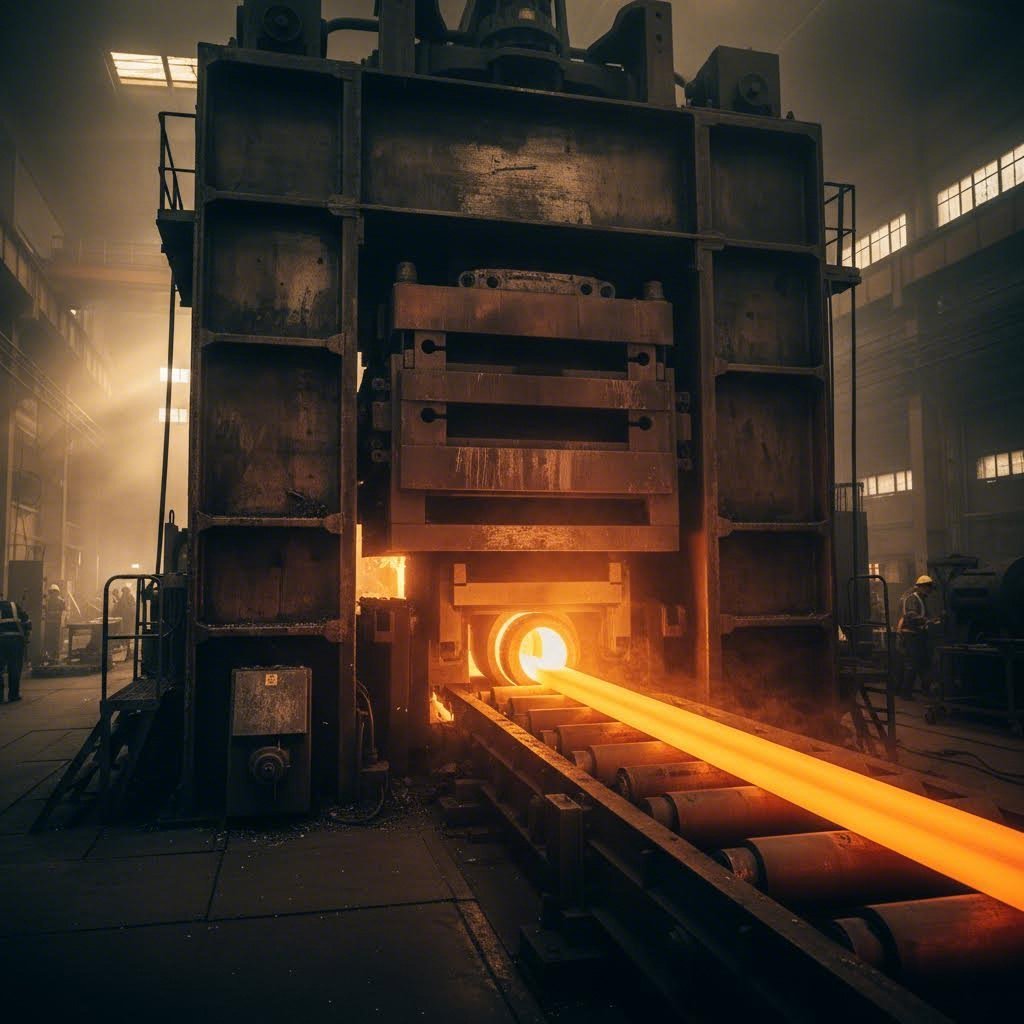
Ever wonder what happens between a raw aluminum billet and the finished window frame profile you install on a jobsite? The journey involves far more than simply pushing metal through a shaped opening. Understanding this complete manufacturing process helps you evaluate suppliers, anticipate lead times, and recognize quality differences that separate premium aluminum extrusions from mediocre ones.
The process begins long before any aluminum touches an extrusion press. Die design represents the critical first step that determines everything from profile geometry to achievable tolerances. According to Bonnell Aluminum, experienced extruders recommend involving them early - before your design is finalized - because die engineering directly impacts manufacturability and cost.
Think of the die as a precision-machined steel template. Every channel, thermal break cavity, and screw chase in your extruded frame must be perfectly represented in this tool. Complex architectural sections with hollow chambers require "porthole" dies where aluminum flows around internal mandrels before welding back together - a sophisticated process that demands expert tooling design. Simpler solid profiles use flat dies but still require careful engineering to ensure even metal flow.
Once the die is manufactured and heat-treated (typically to 750-900°F for 4-6 hours before first use), the actual aluminum extrusion process follows a precise sequence:
Press tonnage plays a crucial role in determining what profiles a facility can produce. Smaller presses in the 600-1500 ton range handle simple residential window profiles efficiently. However, complex architectural sections - large curtain wall mullions, aluminum track extrusion profiles for heavy commercial sliders, or deep thermal break frames - may require presses exceeding 3000 tons to achieve the pressure needed for proper metal flow through intricate die geometries.
Here's where many suppliers fall short - and where quality differences become obvious. Raw extrusions leaving the aging oven are far from ready for window assembly. The secondary operations that transform basic profiles into installation-ready aluminum extrusion trim components are just as critical as the extrusion process itself.
According to Zetwerk Manufacturing, comprehensive secondary operations include:
The extruded aluminium track sections used in sliding window systems illustrate why these operations matter. An aluminum extrusion slider profile might look perfect leaving the press, but without precisely machined end cuts, properly positioned drainage notches, and accurately drilled mounting holes, that same profile becomes a quality nightmare during installation.
Suppliers with in-house CNC machining capabilities can maintain tighter quality control and faster turnaround than those outsourcing secondary operations. This integration also reduces handling damage and ensures dimensional consistency across large production runs. When evaluating extrusion partners, don't just ask about their press capacity - investigate their complete fabrication capabilities from die development through finished, assembly-ready components.
You've selected the right alloy and your extrusions have emerged perfectly formed from the press. Now what? The surface treatment you choose will determine whether those aluminum window profiles still look pristine after 5 years - or 50. This decision impacts far more than aesthetics; it directly affects corrosion resistance, maintenance requirements, and total project costs over the building's lifetime.
Unlike steel or wood, aluminum doesn't require finishing for protection against basic corrosion. However, architectural applications demand more than "basic" performance. According to Cherwell Windows, unprotected aluminum surfaces may suffer from uneven oxidation, watermarks, or contact corrosion in harsh or industrial environments. The right finish transforms good aluminium window profiles into exceptional ones that maintain their appearance and structural integrity for decades.
Imagine a protective layer that's actually part of the aluminum itself - not just sitting on top. That's precisely what anodizing creates. This electrochemical process amplifies aluminum's natural oxide layer through controlled oxidation in acid baths, producing a surface coating that cannot peel or flake because it's integral to the base metal.
According to SAF, the lifetime of an anodized finish is directly proportional to coating thickness. This is why specification matters so critically:
Here's a critical insight many specifiers miss: when a specification simply reads "clear anodized" without thickness requirements, suppliers often deliver the thinnest (cheapest) option. A 0.8 mil coating will last approximately four times longer than a 0.2 mil coating in the same environment. For anodized aluminum windows in commercial applications, always specify Class I to protect your investment.
Anodizing offers another unique advantage - it's renewable. When an anodized surface appears to have failed after years of exposure, professional cleaning can often remove accumulated deposits and reveal a renewed finish underneath. This restoration capability doesn't exist with organic coatings, where failure typically means complete recoating or replacement.
Color options for anodizing include natural silver tones plus bronze, champagne, and black variations achieved through electrolytic coloring or dye processes. The metallic depth and translucent quality of anodized finishes create a distinctive appearance that powder coated aluminum windows simply cannot replicate.
When you need specific colors or want to match existing architectural elements, organic coatings open up virtually unlimited possibilities. But which type should you specify? The answer depends on your project's exposure conditions, budget constraints, and performance expectations.
Powder coating applies dry pigment and resin particles electrostatically, then cures them in ovens to form a hard, durable film. According to Pailian Aluminium, powder coated profiles resist damage from impact, abrasion, corrosion, and UV rays - making them ideal for aluminium extrusion trim and window frame applications.
Key advantages of powder coating include:
PVDF (polyvinylidene fluoride) coatings represent the premium tier for architectural aluminum. These high-performance finishes - sold under trademarks like Kynar 500® and Hylar 5000® - provide exceptional resistance to UV degradation, chemical attack, and color fading. PVDF has dominated the curtain wall and metal roofing markets precisely because of this superior weatherability.
The AAMA 2605 specification serves as the gold standard for spray-applied architectural coatings, requiring actual 10-year Florida exposure testing. According to SAF, PVDF coatings pass this stringent specification in the widest variety of colors - a testament to their durability. Premium aluminium windows profile applications in coastal environments or high-UV locations benefit significantly from PVDF's performance characteristics.
For projects demanding absolute maximum durability, micro-arc oxidation (also called plasma electrolytic oxidation) creates ceramic-like surface layers with hardness values exceeding standard anodizing by 3-4 times. While cost-prohibitive for most window applications, this advanced treatment serves specialized applications in extreme marine or industrial environments where conventional finishes would fail prematurely.
| Surface Treatment | Durability Rating | Color Options | Cost Tier | Best Applications |
|---|---|---|---|---|
| Anodizing (Class I) | Excellent (20+ years) | Limited metallic tones | Moderate | Storefronts, high-traffic doors, commercial entrances |
| Powder Coating (Polyester) | Good (5-10 years exterior) | Virtually unlimited | Low-Moderate | Residential windows, interior applications, protected exteriors |
| PVDF Coating | Excellent (20+ years) | Wide range including metallics | High | Curtain walls, metal roofing, coastal/high-UV environments |
| Micro-Arc Oxidation | Superior (30+ years) | Limited | Very High | Extreme marine, industrial, or specialty applications |
When selecting between these options for your aluminum window profiles, consider the total cost of ownership rather than just initial price. A PVDF finish may cost 40-60% more than standard powder coating upfront, but its 20-year warranty against fading, cracking, and chalking often delivers better lifecycle value than recoating requirements every 10-15 years.
One final consideration: pretreatment quality matters enormously for any organic coating. Factory-applied finishes with proper chromate or chromate-free conversion coatings dramatically outperform field-applied alternatives. This is precisely why specifications should always require factory finishing rather than site application - the controlled environment and rigorous process standards ensure the coating system performs as intended throughout its service life.
Here's the uncomfortable truth about aluminum: it conducts heat roughly 1,000 times faster than wood and 200 times faster than PVC. Left unaddressed, this thermal conductivity turns your beautiful aluminium window frame into an energy superhighway - shuttling expensive conditioned air straight outside while inviting temperature extremes in. So how do modern aluminum windows compete with vinyl and wood on energy performance? The answer lies in thermal break technology.
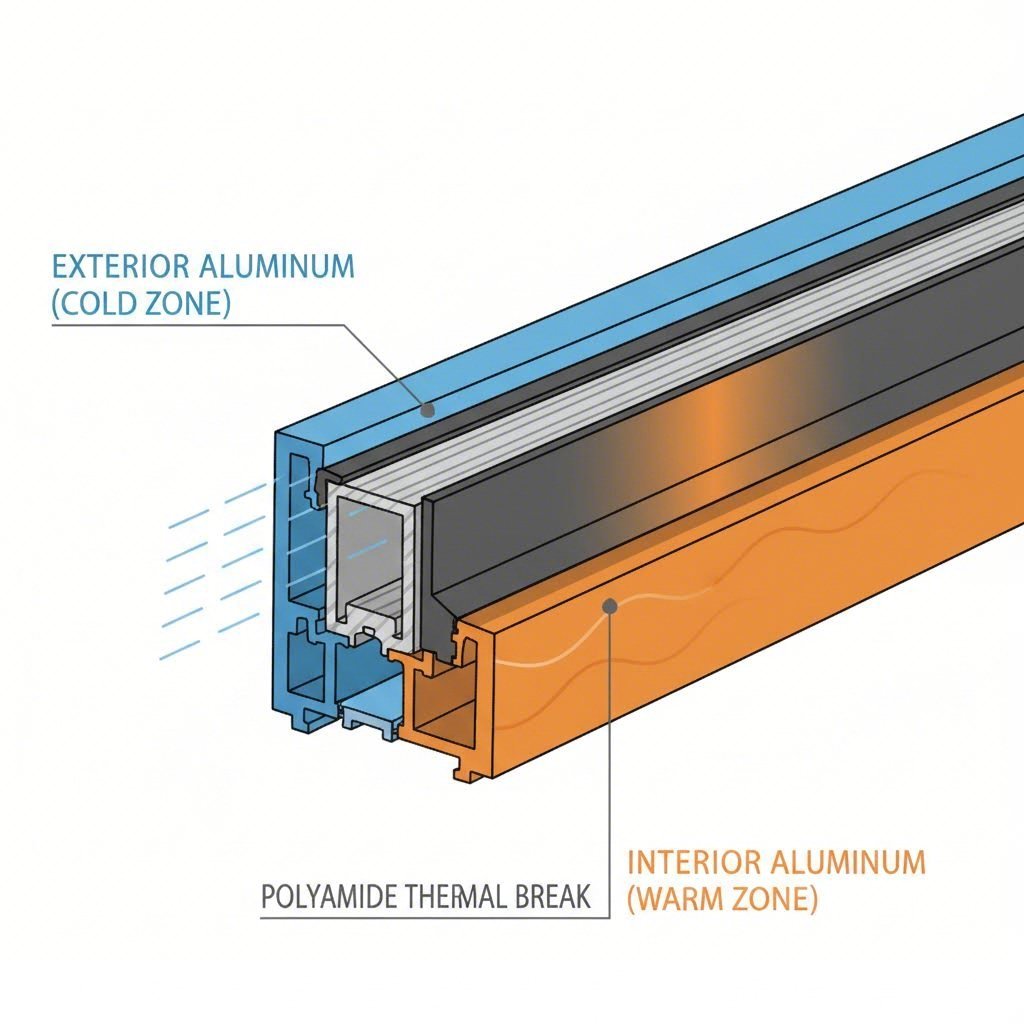
Think about holding a cast-iron pan on the stove. The pan is scorching hot, but the plastic handle stays cool enough to grip comfortably. That plastic grip interrupts the heat pathway - and thermal breaks work exactly the same way in your window profile. By inserting a low-conductivity barrier between the interior and exterior aluminum sections, manufacturers completely sever the thermal bridge that would otherwise drain your HVAC budget.
Traditional aluminum windows create what engineers call a "thermal bridge" - a continuous metal pathway allowing rapid heat transfer between inside and outside. According to Gladiator Window and Doors, inserting a polyamide bar can slow heat, cold, and noise transfer by up to 1,000 times compared to non-broken frames.
The performance improvement is dramatic. While traditional aluminium window frames might achieve U-values (the measurement of heat loss) of 4.0-6.0 W/(m²K), thermally broken systems routinely achieve 0.8-2.0 W/(m²K). That represents a 70-85% improvement in thermal efficiency - enough to put aluminum on equal footing with premium vinyl and wood alternatives.
Premium thermally broken aluminum windows can achieve U-factors as low as 0.15-0.17, meeting and exceeding the most stringent energy efficiency requirements including Passive House standards.
Beyond energy savings, thermal breaks solve another persistent problem: condensation. When warm, humid interior air contacts cold window surfaces, moisture forms - leading to mold growth, wood rot in surrounding trim, and deteriorating air quality. Because thermally broken aluminium frames for windows maintain interior surface temperatures much closer to room temperature, condensation problems virtually disappear.
Manufacturers build thermal barriers into window frame sections using two primary methods. Understanding the difference helps you evaluate quality and performance claims from different suppliers.
Polyamide strip insertion starts with two separate aluminum profiles - one for the interior face and one for the exterior. Each piece is engineered with channels designed to hold rigid, glass-fiber reinforced polyamide strips (typically nylon-based). According to Rhea Windows, these strips feature thermal conductivity around 0.25 W/mK (versus 160 W/mK for aluminum), glass fiber reinforcement for structural strength, and temperature stability from -40°C to +80°C. The strips connect the two aluminum sections, and the entire assembly is then mechanically crimped by rollers - locking everything into a single, durable aluminium frame window.
Pour-and-debridge takes a different approach. This method begins with a single, wide aluminum extrusion containing a pocket running along its length. Liquid polyurethane is poured into this pocket and left to cure into a solid insulating barrier. Once hardened, a precision saw cuts away the metal "bridge" at the bottom of the pocket, completely severing the connection between inner and outer frame sections. The only material holding the two sides together is the strong, insulating polyurethane.
Both methods deliver excellent thermal performance, though they serve different design priorities:
Frame depth directly impacts thermal performance because deeper profiles accommodate wider thermal breaks. A shallow residential window profile might include a 24mm thermal break, while commercial curtain wall systems can feature breaks exceeding 35mm. Advanced systems like multi-chambered polyamide strips trap additional air pockets within the thermal break itself - creating multiple insulation layers similar to multi-pane glass units.
What does this mean for your projects? When specifying aluminium frame window systems for energy-conscious buildings, don't just ask whether profiles include thermal breaks - ask about break width, material composition, and independently verified U-values. These details separate truly high-performance fenestration from marketing claims that don't hold up under scrutiny.
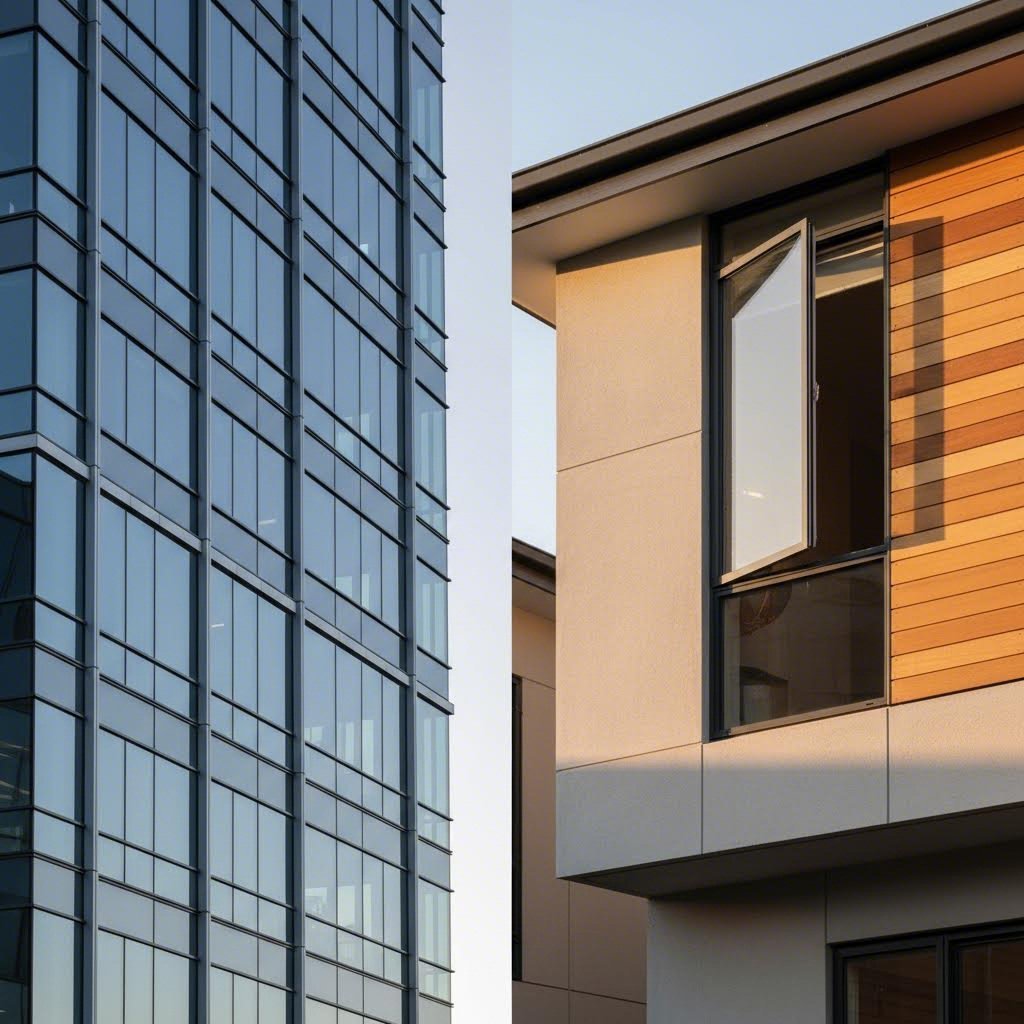
Walk past a towering glass office building, then stroll through a suburban neighborhood. The windows look completely different - and that's no accident. Commercial aluminum window frames and residential profiles serve dramatically different performance requirements, structural demands, and aesthetic goals. Understanding these distinctions helps you specify the right window sections for your specific project rather than forcing mismatched solutions that compromise performance or inflate costs.
The fundamental divide comes down to scale and stress. Commercial buildings face higher wind loads at elevation, must accommodate larger glass panels, and need to meet stringent fire and safety codes. Residential applications prioritize energy efficiency, operational convenience, and design flexibility within more modest structural demands. Let's explore what these differences mean for profile selection.
Commercial aluminium window frames aren't just bigger versions of residential profiles - they're engineered from the ground up for different challenges. According to PRL Glass, commercial storefront systems must handle design pressures reaching +35/-60 psf (approximately +1676/-2873 Pa), demanding heavier wall thicknesses and reinforced geometries that residential windows simply don't require.
What separates commercial-grade aluminum window frames from their residential counterparts?
Typical commercial applications include:
The aluminium window design philosophy for commercial projects emphasizes modularity and system integration. Storefront series like the 250, 400, and 450 systems offer interchangeable components - wall jambs, vertical mullions, corner posts, and snap-in door stops - that work together as a complete system. This standardization simplifies both specification and installation while ensuring all components meet the same performance criteria.
Residential aluminum window frames prioritize different values: thermal efficiency, slim sight-lines, smooth operation, and design variety. According to Northtech Windows, modern residential aluminium frames can achieve structural depths as low as 14-15mm while still supporting glazing loads, resisting wind, and staying watertight.
Profile design varies significantly based on how the window operates:
Typical residential applications include:
Glazing pocket depth directly determines what glass options you can specify. Residential profiles with shallow pockets (around ½") limit you to single glazing or thin double-pane units. Deeper pockets (¾" to 1") accommodate standard insulating glass units. For triple-glazing or specialized acoustic glass, you'll need profiles specifically designed with 1¼"+ glazing cavities - increasingly common in energy-focused residential construction.
The trend toward ultra-slim residential profiles has pushed manufacturers to develop innovative solutions. High-strength alloys provide the structural capacity previously requiring bulkier frames. Offset glazing positions glass closer to one face of the frame, allowing thicker IGUs without increasing overall profile depth. These advances let homeowners enjoy the minimal sight-lines and modern aesthetics once available only in commercial curtain walls - bringing glass aluminium frame sophistication to residential projects at accessible price points.
So you've selected the perfect alloy, specified thermal breaks, and chosen your surface treatment. Now comes the question everyone asks but few articles answer directly: what will these aluminum window frame extrusions actually cost? Unlike commodities with simple pricing, custom aluminum windows involve multiple cost drivers that interact in complex ways. Understanding these factors helps you make specification decisions that balance performance requirements against budget realities.
The truth is, there's no universal price list for aluminum profile extrusions. Your final costs depend on decisions you make at every stage - from initial die design through surface finishing and order quantities. Let's break down exactly what drives pricing so you can optimize your specifications without sacrificing quality.
Die costs represent your first major investment. For custom profiles, new dies must be tailor-made from scratch. According to Gabrian International, tool costs for extrusion dies used in normal architectural and industrial applications range from $400 to $1,000. Dies for larger parts requiring 2,000-4,000 ton presses can run as high as $2,000. Complex hollow designs with multiple voids - common in thermally broken window frames - can cost $4,000-$5,000 and take up to 10 weeks to manufacture.
Here's an important detail many buyers miss: according to Profile Precision Extrusions, solid extrusion dies average around $750 and take 2-3 weeks to manufacture, while hollow dies average $1,500 and require about 3 weeks. Some manufacturers refund tool costs if a stipulated purchase amount is met within 2 years, and most don't charge for replacement tools after their useful life if orders continue.
Raw aluminum costs fluctuate significantly. The base price of aluminum is affected by global demand, industry trends, electricity costs, and geopolitical factors. According to Gabrian, aluminum prices have varied anywhere from $1,500 to $3,500 per metric ton in recent years - making this the biggest wild card in extrusion pricing. Events like the Russia-Ukraine conflict and environmental restrictions in China directly impact global aluminum pricing.
Profile complexity affects per-unit costs. Simple solid shapes extrude faster and with less die wear than intricate multi-chamber thermal break profiles. Wall thickness matters too - thicker walls require more material and slower extrusion speeds. When specifying custom aluminum frame designs, remember that every additional chamber, snap-fit feature, or tight tolerance adds manufacturing complexity.
Surface treatments add predictable costs. According to Gabrian's data, anodizing and powder coating typically range from $1,200 to $1,400 per metric ton depending on profile complexity. Alodine finishing costs approximately $800 per metric ton. Specialty finishes like wood-look treatments cost significantly more, with pricing dependent on surface area and detail requirements. Simple CNC operations like drilling run $200-$300 per metric ton, while complex machining involves additional tooling costs.
Order volume dramatically impacts per-unit pricing. When custom dies require upfront investment regardless of order size, spreading that cost across more units reduces your per-foot expense. This relationship creates a common dilemma: do you order more than immediately needed to lower unit costs, or minimize inventory investment by ordering smaller quantities?
Consider these cost optimization strategies that maintain quality:
Shipping and logistics deserve careful attention, especially for international orders. According to Gabrian, shipping a 40-foot container from Asia to North America has ranged from $8,000 to as high as $20,000 in recent years due to pandemic disruptions and geopolitical uncertainty. Local duties and tariffs - like the United States' anti-dumping duty on certain aluminum products - can significantly impact landed costs.
Perhaps the most important cost perspective is total cost of ownership. That cheap aluminium extrusion might look attractive on the initial quote, but what happens over 20-30 years? Premium thermal breaks increase upfront costs but reduce energy expenses throughout the building's life. Class I anodizing costs more than thin coatings but eliminates repainting cycles. PVDF finishes carry premium pricing but maintain appearance for decades without maintenance.
When evaluating aluminum extrusions for sale, resist the temptation to compare only initial per-foot prices. Factor in installation labor (precision-cut extrusions install faster than rough-cut alternatives), maintenance requirements, warranty coverage, and expected service life. A profile that costs 15% more but lasts twice as long delivers far better value than the "budget" option requiring premature replacement.
Informed specification decisions come from understanding all these cost drivers - not just chasing the lowest quote. The right aluminum profile extrusions for your project balance performance requirements, aesthetic goals, and budget constraints across the entire project lifecycle.
You've evaluated alloys, thermal breaks, finishes, and costs. But there's one factor increasingly driving specification decisions that we haven't yet addressed: environmental impact. For architects, builders, and property owners pursuing green building certifications or simply wanting to minimize their ecological footprint, aluminum window frame extrusions offer compelling sustainability credentials that alternative materials struggle to match.
Here's what makes aluminum remarkable from an environmental standpoint: it's often called the "forever metal" because it can be recycled endlessly without losing quality or structural integrity. According to Marpan Recycling, 75% of all aluminum ever produced is still in use today. Unlike plastics that downcycle into lower-quality products or wood that eventually degrades, your aluminium frame can be melted down and reformed into new window profiles generations from now - maintaining the exact same properties as virgin material.
The energy equation for recycled aluminum is staggering. According to Taber Extrusions, recycling aluminum requires just 5% of the energy needed for primary production. That 95% energy savings translates directly into reduced greenhouse gas emissions and lower carbon footprints for projects specifying recycled-content aluminium extrusions.
Approximately 75% of all aluminum ever produced remains in use today. Recycling aluminum saves up to 95% of the energy required to produce new aluminum from raw materials - dramatically reducing carbon emissions and resource consumption.
Modern extrusion facilities increasingly incorporate recycled content into their production streams. This shift isn't just environmentally responsible - it's economically sensible. The recycling process is straightforward: collect aluminum products, sort and shred them, remove coatings and contaminants, melt using a fraction of primary production energy, then cast into new billets ready for extrusion. According to Marpan, recycled aluminum cans can return to store shelves as new products in as little as 60 days.
This circular economy approach extends beyond window frames. The same 6063 alloy in your aluminium frames today might become aluminum extrusion panels for building facades tomorrow, or even aluminum extrusion furniture decades later. Each recycling cycle preserves the material's value without degradation - a sustainability advantage no other common building material can claim.
Durability itself represents a sustainability factor that's easy to overlook. According to AluPure, aluminum windows and doors maintain their structural integrity and appearance over time, lasting for decades without the degradation or frequent replacements that other materials require. While vinyl windows typically need replacement after 15-25 years and wood frames require regular painting and eventual replacement, quality aluminum window frame systems routinely perform for 40+ years with minimal maintenance.
What does this longevity mean for environmental impact? Fewer replacement cycles translate into:
When comparing environmental footprints with alternative frame materials, aluminum's advantages compound over time. Steel loses quality through recycling cycles and corrodes more readily. Vinyl cannot be recycled into equivalent products and degrades under UV exposure. Wood requires harvesting, chemical treatments, and regular maintenance - plus eventual landfill disposal. Only aluminum offers the combination of infinite recyclability, exceptional durability, and low-maintenance performance that truly supports sustainable building practices.
For projects targeting LEED certification, BREEAM ratings, or other green building standards, aluminum fenestration contributes to multiple credit categories. The recycled content potential, regional material sourcing options, and superior durability all factor into environmental performance calculations. As building codes increasingly emphasize lifecycle environmental impact alongside energy efficiency, aluminium extrusions position projects for both current compliance and future regulatory requirements.
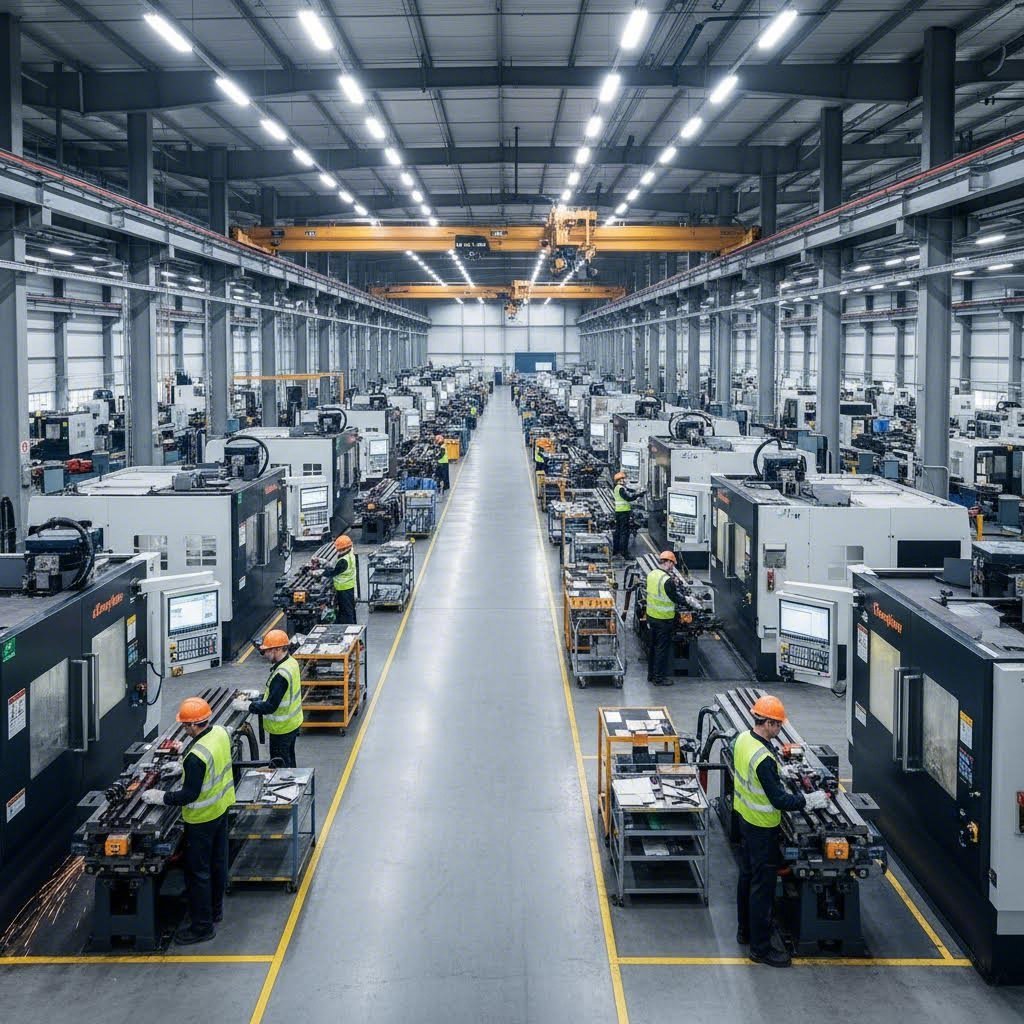
You've mastered alloy specifications, thermal break technology, surface treatments, and cost factors. Now comes the decision that determines whether all that knowledge translates into project success or frustration: choosing your aluminum window extrusions supplier. The wrong partner can turn perfect specifications into missed deadlines, quality headaches, and budget overruns. The right one becomes an extension of your team - solving problems before they occur and delivering exactly what your project demands.
Unlike commodity purchases where price comparison tells the whole story, sourcing aluminum window frame extrusions requires evaluating capabilities that aren't immediately obvious from a quote sheet. According to Aluphant, evaluating supplier capability requires more than a cost comparison - you need to analyze die design, process control, machining integration, and quality systems to choose partners that deliver consistent results and predictable lead times.
When you're vetting potential aluminum window manufacturers, think beyond the sales presentation. What actually happens on the factory floor determines whether your profiles arrive on time, on spec, and ready for installation. Here's what separates capable suppliers from those who'll leave you scrambling.
Press capacity range reveals production flexibility. According to PTSMAKE, a supplier with multiple press capacities can handle a wider range of projects and maintain flexibility when production volumes change. Small presses (600-1800T) handle thin, precise residential profiles efficiently. Medium presses (2000-3500T) produce general industrial and commercial profiles. Large presses (5000T and above) are essential for heavy structural components and complex architectural sections.
Why does this matter for your window projects? A supplier operating only small presses cannot produce the heavy-wall commercial curtain wall profiles your high-rise project demands. Conversely, running simple residential profiles on oversized presses wastes capacity and typically increases costs. The ideal aluminum windows manufacturer operates multiple press sizes - matching equipment to application requirements.
In-house die design separates professionals from assemblers. According to Aluphant, many suppliers outsource die manufacturing to third parties, leading to longer lead times and slower problem resolution. If a die fails or produces inaccurate dimensions, delays ripple across the entire project. Suppliers with in-house die workshops can modify or repair dies quickly, ensuring production continuity and consistent quality.
CNC machining integration eliminates coordination headaches. Raw extrusions leaving the press need precision cutting, drilling, notching, and sometimes bending before they're ready for window assembly. According to Taber Extrusions, a supplier with integrated CNC machining and surface finishing can deliver finished or semi-finished products directly to your assembly line - reducing transportation between subcontractors, preventing damage, and shortening lead time.
Surface treatment capabilities in-house ensure consistency. When anodizing, powder coating, or PVDF application happens under the same roof as extrusion, batch consistency in both dimension and color becomes manageable. Splitting these operations across multiple facilities introduces handling damage, color variation between batches, and scheduling complexity that extends lead times.
For example, manufacturers like Shengxin Aluminium demonstrate what comprehensive capability looks like in practice: 35 extrusion presses ranging from 600T to 5500T, CNC machining centers for precision secondary operations, and multiple surface treatment options including anodizing, powder coating, PVDF, and micro-arc oxidation - all supported by 30+ years of experience with architectural window frames. This end-to-end integration represents the benchmark against which other aluminum window suppliers should be measured.
Technical capabilities matter, but so does how a supplier applies them to your specific project. The best aluminum windows manufacturers don't just take orders - they become problem-solving partners from initial design through final delivery.
Before committing to any aluminum window supplier, ask these essential questions:
Quality systems deserve particular scrutiny. According to Aluphant, key quality checks include dimensional inspection to EN755-9 standards, surface roughness testing, hardness and tensile strength verification, and CMM reports with visual inspection documentation. Ask whether the factory provides traceable lot data and QA certificates with each batch - this traceability is essential for long-term industrial customers and provides recourse if quality issues emerge.
Communication style reveals partnership potential. Strong technical communication differentiates professional suppliers from mere traders. A capable extrusion factory will provide DFM feedback on drawings, offer feasibility and cost optimization suggestions, and share inspection photos, reports, and videos before shipment. Procurement managers value suppliers who proactively prevent issues instead of reacting after defects occur.
The difference between suppliers like CRL Aluminum distributors (who primarily resell products) and integrated manufacturers (who control the entire production process) becomes apparent when problems arise. When you need a die modification, a finish adjustment, or expedited delivery, the manufacturer with end-to-end capabilities responds directly - while the distributor navigates multiple external relationships. For complex architectural projects, this responsiveness can mean the difference between meeting deadlines and explaining delays to frustrated clients.
Finding the right partner among aluminum window extrusions suppliers takes effort upfront, but that investment pays dividends throughout your project. The questions above help separate marketing claims from demonstrated capability - ensuring your carefully developed specifications translate into quality extrusions that arrive on time and perform as expected.
You've traveled from raw aluminum billets to finished, installation-ready profiles - covering every critical decision point along the way. Now it's time to pull these insights together into actionable guidance for your next aluminum window extrusions project. Whether you're specifying for a single residential renovation or sourcing aluminium window frame extrusions for a commercial development, these core principles will guide you toward better outcomes.
The choices you make ripple through your entire project lifecycle. Select the wrong alloy, and you'll fight corrosion or structural limitations for decades. Skip thermal breaks, and energy costs eat into building performance year after year. Choose a supplier based solely on price, and quality inconsistencies will haunt every installation. But make informed decisions at each stage, and your aluminum fenestration will deliver decades of reliable, beautiful performance.
Let's distill what matters most when specifying window extrusion systems:
Your supplier choice makes or breaks projects more than any other single decision. The most perfect specification means nothing if your extrusion partner lacks the capability, quality systems, or responsiveness to deliver what you've designed.
Cost optimization comes from understanding total lifecycle value, not just initial per-foot pricing. Premium aluminium window extrusions with proper thermal breaks and durable finishes cost more upfront but eliminate energy waste, maintenance cycles, and premature replacement that budget alternatives guarantee.
The aluminum window industry isn't standing still. According to GREFET, today's designs are sleek, smart, and sustainable - and the pace of innovation continues accelerating. Several trends are reshaping what's possible with aluminum window extrusion profiles:
Smart integration is becoming mainstream. Windows are evolving beyond passive building elements into active components of intelligent living. According to Angle Window, manufacturers are now integrating motorized opening systems controlled via mobile apps, smart glass technology that switches between transparent and opaque modes, and automated shading solutions for improved comfort and energy savings. Your aluminium window supplies of tomorrow may arrive pre-wired for building automation systems.
Thermal performance keeps improving. Triple glazing, warm-edge spacers, and multi-chamber thermal break designs are pushing aluminum window U-values into territory once reserved for passive house construction. Chinese manufacturers are achieving U-values as low as 1.0 W/m²K while meeting European and North American energy standards - performance that seemed impossible a decade ago.
Slim profiles are getting stronger. The desire for minimal sight-lines and maximum glass area drives continuous innovation in high-strength alloy applications and optimized profile geometry. Ultra-thin frames that once required structural compromises now deliver both aesthetics and performance through advanced engineering.
Sustainability credentials matter more every year. Green building certifications, carbon footprint calculations, and lifecycle assessments increasingly influence specification decisions. Aluminum's infinite recyclability and 95% energy savings from recycled content position it perfectly for environmentally conscious construction.
These trends point toward a future where aluminum fenestration becomes smarter, more efficient, and more integrated with building systems - while maintaining the durability and design flexibility that made it the architect's choice for generations.
Ready to move from knowledge to action? For projects requiring precision aluminum window profiles with comprehensive capability - from die development through finished, assembly-ready components - experienced manufacturers like Shengxin Aluminium offer the end-to-end integration, surface treatment options, and technical support that complex fenestration projects demand. The right partner transforms specifications into reality, one precisely extruded profile at a time.
Aluminum window profiles offer exceptional dimensional consistency, superior corrosion resistance, and design flexibility that other materials cannot match. Unlike vinyl which degrades under UV exposure or wood requiring regular maintenance, aluminum frames last 40+ years with minimal upkeep. The extrusion process allows complex shapes including thermal break channels and integrated drainage paths in a single profile. Additionally, aluminum is infinitely recyclable without property degradation, and recycling requires only 5% of primary production energy - making it the most sustainable choice for long-term building performance.
Key considerations include alloy selection (6063-T5 for residential, 6063-T6 or 6061-T6 for commercial applications requiring higher strength), thermal break technology (polyamide strip width affects energy efficiency), and surface treatment matching your environment (Class I anodizing for high-traffic areas, PVDF for coastal locations). Equally important is supplier capability - look for manufacturers with in-house die design, multiple press capacities (600T-5500T range), CNC machining integration, and comprehensive surface treatment options to ensure quality consistency and reliable lead times.
6063 aluminum is called 'architectural aluminum' because it's optimized for extrudability, producing exceptionally smooth surfaces ideal for anodizing and powder coating. It offers excellent corrosion resistance with tensile strength around 185-240 MPa depending on temper. 6061 aluminum provides approximately 30% higher yield strength (275 MPa in T6 temper), making it suitable for heavy-duty commercial curtain walls and high-rise applications. However, 6061's surface finish isn't as smooth and it's more challenging to extrude into complex profiles, so 6063 remains the preferred choice for standard fenestration applications.
Pricing depends on multiple factors: custom die costs range from $400-$5,000 depending on complexity; raw aluminum fluctuates between $1,500-$3,500 per metric ton based on global markets; surface treatments add $800-$1,400 per metric ton. Profile complexity, wall thickness, and order volume significantly impact per-unit costs. For best value, consolidate orders to maximize volume discounts, standardize profiles across window sizes, and choose vertically integrated suppliers like Shengxin Aluminium who control extrusion, fabrication, and finishing under one roof - reducing coordination overhead and ensuring consistent quality.
The best treatment depends on your application: Class I anodizing (0.7 mils) provides excellent durability for 20+ years and creates an integral oxide layer that cannot peel - ideal for commercial storefronts. Powder coating offers virtually unlimited colors at moderate cost, suitable for residential windows and protected exteriors. PVDF coatings (Kynar 500) deliver superior UV resistance and color retention for 20+ years, making them essential for coastal environments or curtain walls. For extreme marine or industrial conditions, micro-arc oxidation creates ceramic-like surfaces with 3-4 times the hardness of standard anodizing.



 บริการออนไลน์
 0086 136 3563 2360
 sales@sxalu.com
 +86 136 3563 2360
 ไทย
 English
 français
 Deutsch
 русский
 español
 português
 العربية
 Việt
 Українська