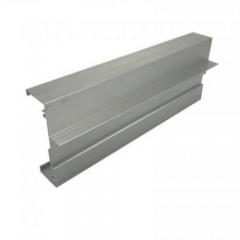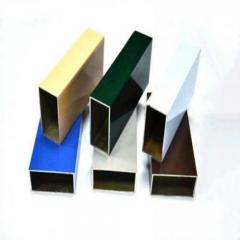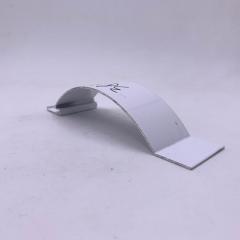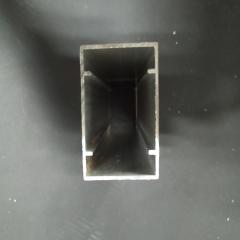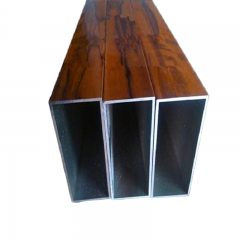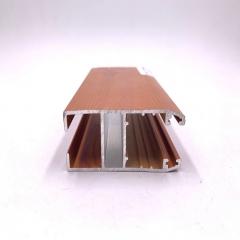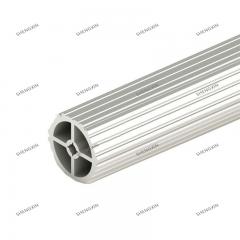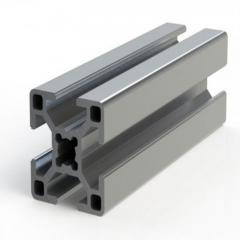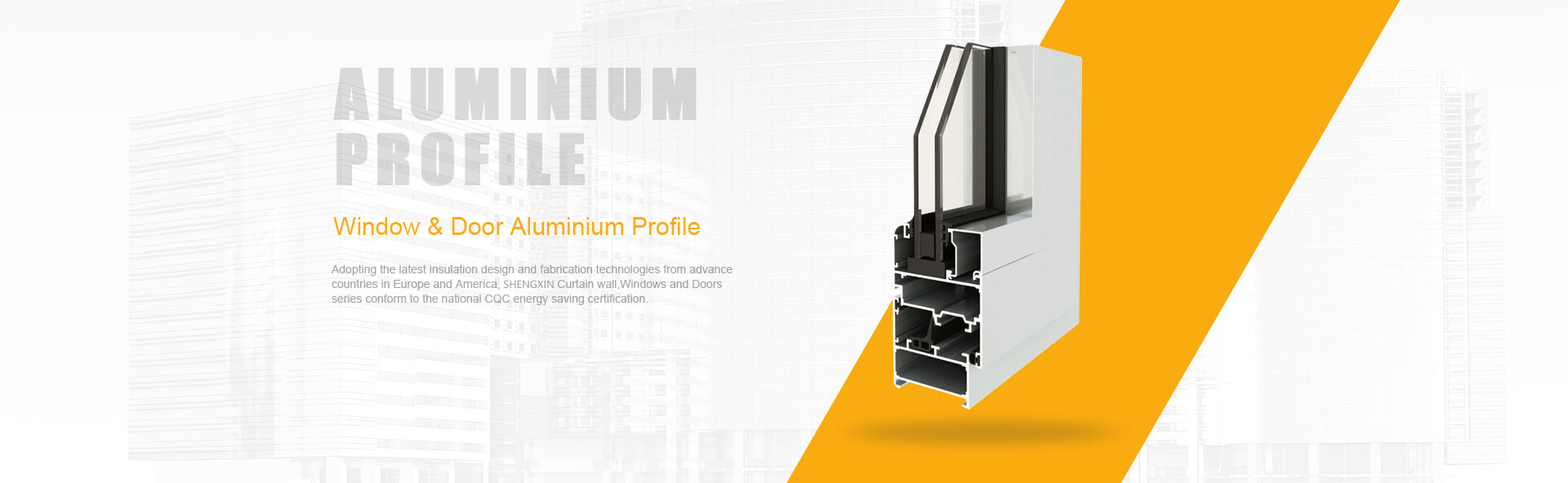
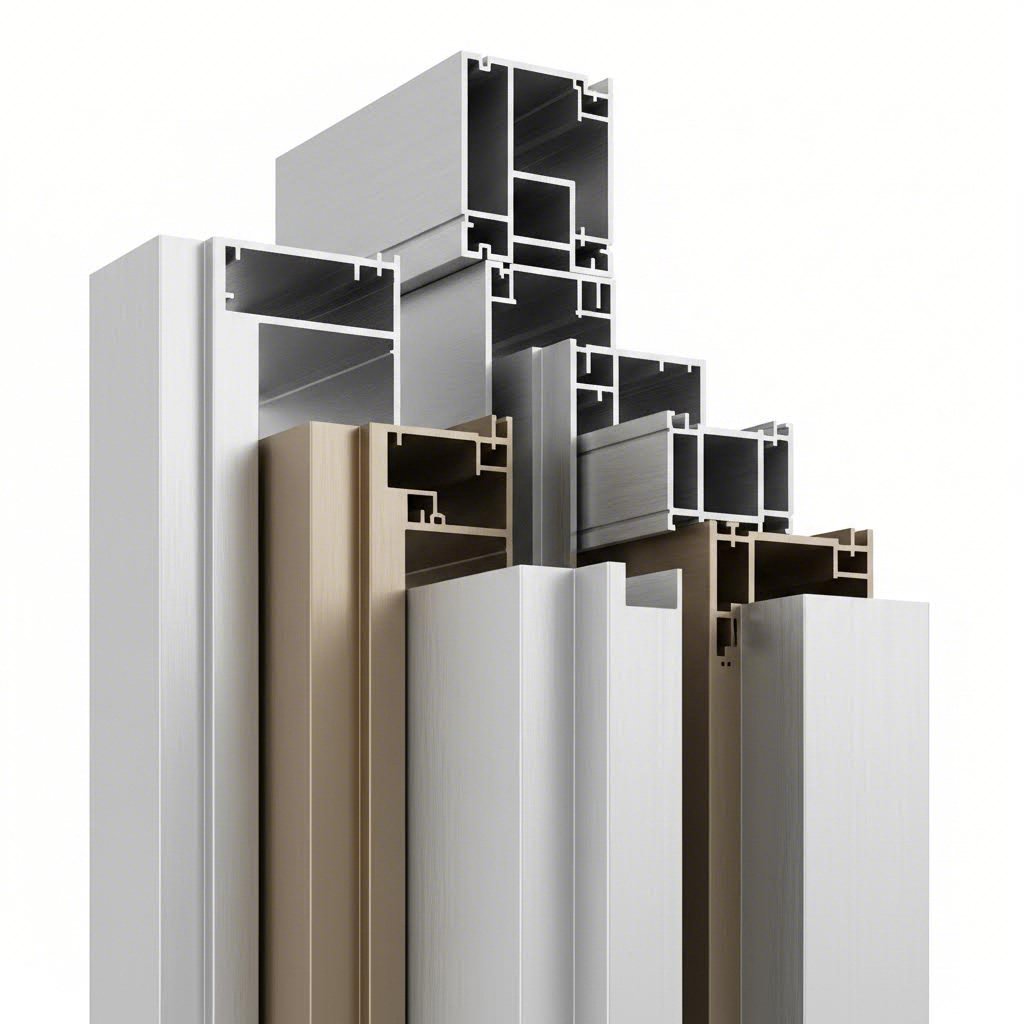
When you look at modern buildings with sleek window frames and elegant door systems, you're likely seeing aluminum extrusion profiles in action. But what exactly are these components, and why have they become the go-to choice for architects and builders worldwide?
Aluminum extrusion profiles for windows and doors are precisely shaped metal components created by forcing heated aluminum alloy through a specially designed die. Imagine squeezing toothpaste through a tube opening - the paste emerges in the exact shape of that opening. That's essentially how aluminum extrusion works, just with significantly more pressure and engineering precision. According to industry reports, global aluminum extrusion demand has been growing at approximately 4% annually, reflecting the material's increasing dominance in fenestration applications.
So why has the aluminium profile become the material of choice for window and door frames? The answer lies in a unique combination of properties that few other materials can match.
Aluminum frames are light, strong, durable, and easily extruded into the complex shapes required for window and door components. This design flexibility means manufacturers can create everything from simple casement frames to intricate sliding door systems - all from profile aluminum that maintains consistent quality throughout. You'll find extruded aluminium profiles used in residential homes, commercial glass showcase installations, and even high-end retail glass show case displays where aesthetics matter as much as performance.
Understanding how these profiles come to life helps you appreciate their quality - and spot potential issues when evaluating suppliers.
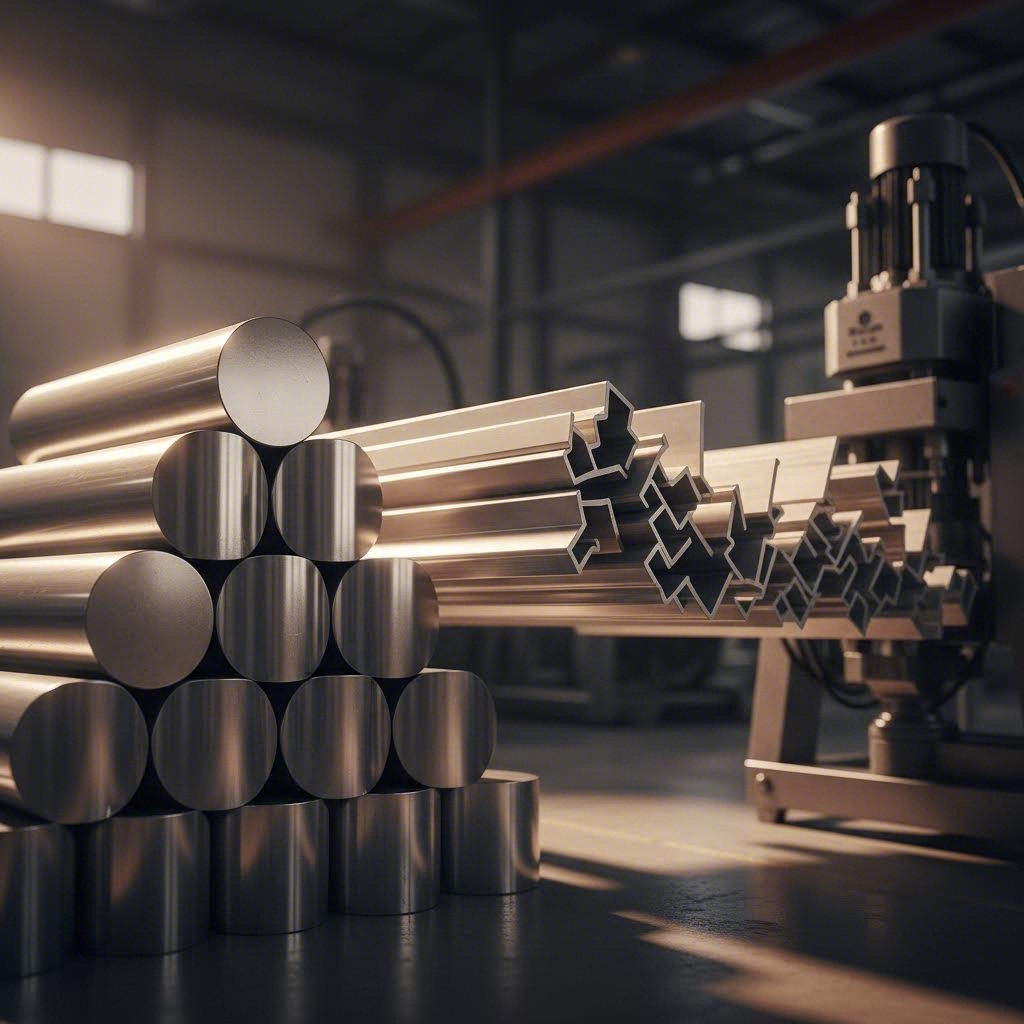
The process begins with an aluminum billet, a cylindrical block of aluminum alloy that serves as the raw material. Before extrusion can occur, this billet undergoes homogenization - a critical heat treatment that ensures uniform grain structure throughout the metal. Why does this matter to you? Proper homogenization directly affects the end-product quality, influencing everything from surface finish to structural consistency.
During extrusion, the billet is preheated to temperatures between 400-500°C (750-930°F). At this range, the aluminum becomes malleable without melting. A hydraulic ram then applies up to 15,000 tons of pressure, forcing the softened metal through a precision-machined die. The aluminum emerges with the exact cross-sectional shape needed for window or door applications.
What happens next is equally important. The freshly extruded profiles undergo rapid cooling (quenching), stretching to correct any distortions, and heat treatment to achieve specific hardness levels. These post-extrusion steps - often designated as T5 or T6 tempers - determine the final mechanical properties of your window and door profiles.
This combination of material science and precision manufacturing is precisely what makes aluminum extrusion the foundation of modern fenestration. In the following sections, we'll explore the specific alloy choices, profile designs, and finishing options that separate premium products from the rest.
Here's something most suppliers won't volunteer: not all aluminum extrusions are created equal. The alloy you choose fundamentally shapes how your window and door frames perform over their lifetime. Yet many buyers default to whatever their supplier stocks without understanding the technical trade-offs involved.
The 6000 series aluminum alloys dominate fenestration applications for good reason. These magnesium-silicon alloys offer an exceptional balance of extrudability, strength, and corrosion resistance. But within this family, three alloys stand out for window and door applications: 6063, 6061, and 6005. Each brings distinct advantages - and limitations - that directly impact your project outcomes.
Walk through any building supply warehouse, and you'll find that aluminium extrusions for windows overwhelmingly feature 6063 alloy. This isn't coincidence - it's engineering logic at work.
6063 aluminum alloy belongs to the 6xxx series, where magnesium and silicon combine to form the strengthening phase magnesium silicide (Mg₂Si). What makes this particular composition special? Its exceptional extrudability allows manufacturers to create complex cross-sections with wall thicknesses as thin as 1mm - something higher-strength alloys simply cannot match.
Consider these practical advantages that make 6063 the preferred choice for aluminium frame production:
The aluminium section you select affects more than just initial cost. A 6063 T6 temper profile reaches yield strength of 160-200 MPa with excellent elongation - more than adequate for residential and most commercial window applications. For architects and builders, this means lighter frames that still meet structural requirements while delivering the aesthetic finish clients expect.
Here's where supplier guidance often falls short: different climates demand different alloy considerations. A window frame performing flawlessly in Arizona might struggle in coastal Florida, not because of design flaws, but because of alloy selection mistakes.
For coastal and high-humidity regions, 6063's natural corrosion resistance becomes critical. The alloy forms a thin, self-healing Al₂O₃ film (2-5 nm thick) that actively protects against atmospheric degradation. When properly anodized, extruded aluminum sections in 6063 alloy can withstand decades of salt air exposure without significant deterioration.
In regions with extreme temperature swings, consider this: 6063 aluminum retains roughly 80% of its room-temperature strength at 100°C. This thermal stability means your window frames maintain dimensional accuracy through seasonal changes that would warp lesser materials.
For high-wind zones or applications requiring enhanced structural performance, 6005 or 6061 alloys enter the conversation. These higher-strength options sacrifice some surface finish quality and extrudability for improved mechanical properties - a trade-off that makes sense for storm-rated windows or large commercial installations.
| Alloy | Typical Applications | Tensile Strength (MPa) | Surface Finish Quality | Extrudability | Best Climate Fit |
|---|---|---|---|---|---|
| 6063 | Window frames, door frames, curtain walls, decorative trim | 130-240 | Excellent (Ra ≈ 0.6-1.0 µm) | Excellent | All climates; ideal for coastal areas when anodized |
| 6005 | Structural window systems, ladder rails, automotive applications | 170-270 | Good (Ra ≈ 0.8-1.5 µm) | Good | High-wind zones; moderate temperature variation |
| 6061 | Heavy-duty commercial frames, marine applications, structural components | 180-310 | Fair (Ra ≈ 1.0-2.0 µm) | Fair | Extreme conditions; marine environments requiring welding |
Notice how mechanical properties and surface quality move in opposite directions? This inverse relationship is precisely why alloy selection requires careful thought rather than defaulting to the cheapest option. As mechanical properties within the 6000 series increase, the appearance of the finish can suffer and the ability to extrude the alloy diminishes.
When evaluating aluminium sections for your project, ask your supplier these critical questions: What alloy are they proposing, and why? What temper designation (T5 vs T6) will be applied? How does their recommendation align with your climate conditions and performance requirements?
Understanding these alloy fundamentals positions you to make informed decisions - and to recognize when a supplier's recommendation prioritizes their convenience over your project's success. With alloy selection clarified, the next critical decision involves profile design and thermal performance features that determine your windows' energy efficiency.
You've selected the right alloy - now comes the decision that truly determines how your windows and doors perform: profile design. This is where many buyers get caught off guard. Suppliers often present limited options without explaining the engineering trade-offs behind different profile configurations. Understanding these fundamentals helps you specify exactly what your project requires.
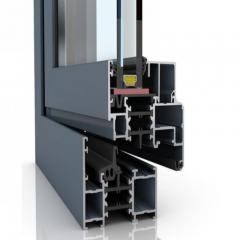
Aluminium window profiles come in three fundamental configurations: solid, hollow, and semi-hollow. Each serves distinct purposes, and choosing incorrectly can mean paying more for features you don't need - or worse, ending up with frames that underperform for your application.
Sounds complex? Let's break it down with a simple principle: hollow profiles deliver more with less.
A solid aluminum window profile is exactly what it sounds like - a continuous cross-section of metal without internal voids. These profiles excel in applications requiring maximum rigidity in compact dimensions, such as narrow mullions or decorative trim pieces. According to industry design guidelines, solid shapes cover a wide range including compact cross-sections with or without projections.
However, modern window extrusion technology has largely shifted toward hollow profiles for primary frame components. Why? A hollow shape completely encloses one or more voids within its cross-section, and this engineering approach delivers several critical advantages:
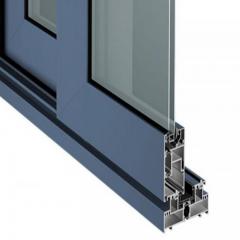
There's also a middle ground: semi-hollow profiles partially enclose voids - imagine a C-channel or a rectangle with one side open. These configurations suit applications like extruded aluminium track systems for sliding windows, where access to the interior is required for roller mechanisms or adjustment hardware.
When evaluating aluminium profiles for windows, consider how each profile type affects manufacturing complexity. Hollow shapes require two-part dies - one forming the outer mold, another creating the interior cavity. This increases tooling costs but enables the multi-chamber designs essential for high-performance fenestration.
Here's what most suppliers gloss over: standard aluminum frames - even beautifully engineered hollow profiles - conduct heat with remarkable efficiency. That's excellent for cookware but problematic for windows. This is where thermal break technology transforms aluminum from a thermal liability into a performance asset.
Think of a metal spoon left in hot coffee. Within moments, the handle becomes too warm to touch. A traditional aluminum window frame works identically, creating a thermal bridge that lets outdoor temperatures transfer directly into your living space. During summer, heat pours in. In winter, warmth escapes. Your HVAC system works overtime, and energy bills climb.
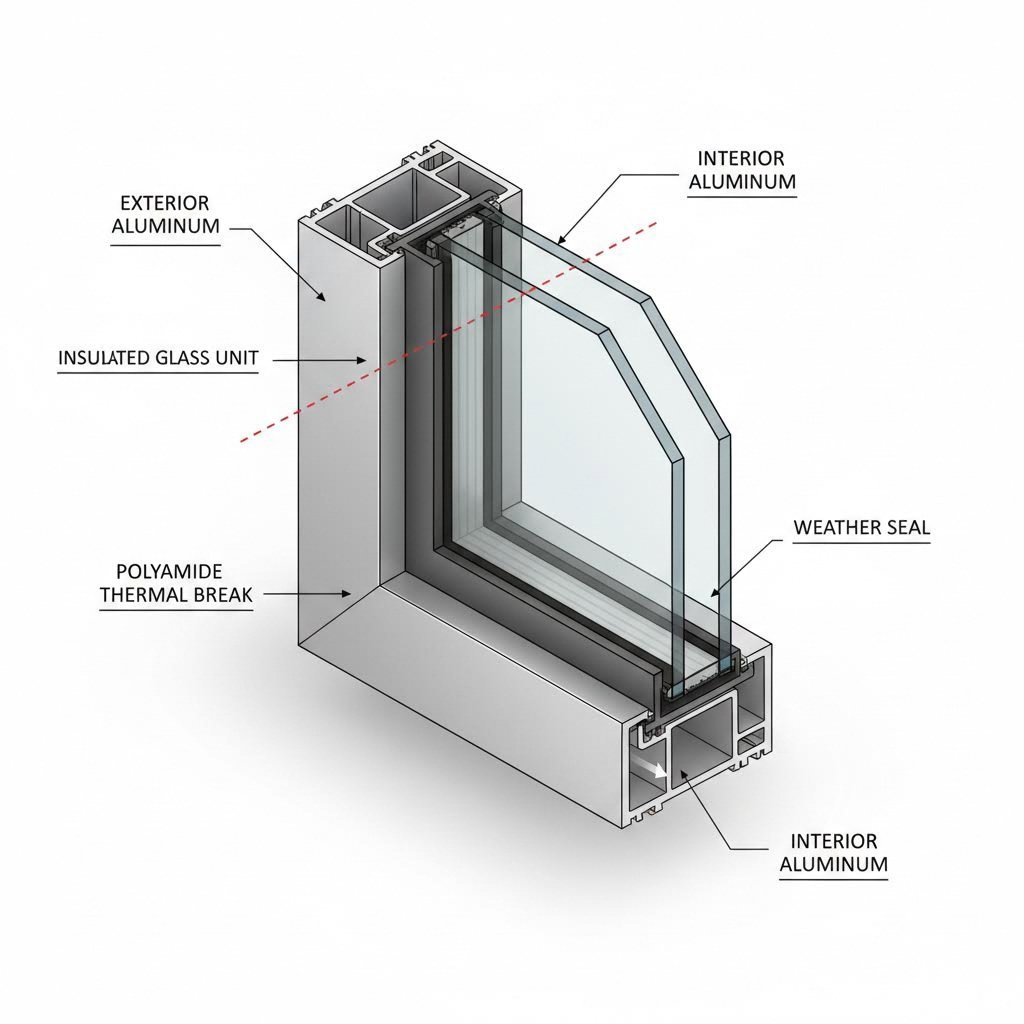
Thermally broken aluminum windows solve this problem elegantly. A continuous barrier made from low-conductivity material - typically reinforced polyamide - is inserted between the interior and exterior aluminum sections. This simple modification can slow temperature transfer by up to 1,000 times compared to non-broken frames.
Two primary manufacturing methods create these thermal barriers:
The measurable benefits are substantial. Standard aluminum frames might show U-factors above 0.60 (higher numbers mean more heat loss). Premium aluminium window extrusions with advanced thermal breaks achieve U-factors as low as 0.15 - performance levels that compete with the best fiberglass and wood alternatives while maintaining aluminum's durability advantages.
Advanced designs incorporate multi-chambered polyamide strips rather than solid barriers. These hollow pockets trap additional air, adding another insulation layer - similar to how double-pane glass outperforms single glazing. The wider the thermal break and the more complex its chamber structure, the better the window resists temperature transfer.
Different window styles demand different profile geometries. Understanding these requirements helps you communicate effectively with suppliers and evaluate whether proposed profiles actually suit your application:
Considering a custom profile design? Before requesting modifications, understand the engineering boundaries that govern what's practically achievable.
Industry extrusion guidelines recommend keeping shapes as symmetrical as possible - asymmetrical details increase die stress and can cause breakage. Wall thicknesses should remain uniform throughout the profile; thick-thin junctions create distortion, surface defects, and premature die failure. While thicker walls might seem preferable for strength, very thin walls are actually more costly to extrude consistently.
Key design constraints every buyer should understand:
Custom die development typically costs between $500-$3,000 depending on complexity, with production lead times of 2-4 weeks. Once manufactured, dies can produce thousands of meters of profile before requiring replacement. For high-volume projects, this investment often pays for itself through optimized material usage and eliminated secondary operations.
Understanding these profile design fundamentals positions you to evaluate supplier proposals critically and specify configurations that genuinely serve your performance requirements. Next, we'll examine how surface finishing methods protect these carefully engineered profiles and expand your aesthetic options.
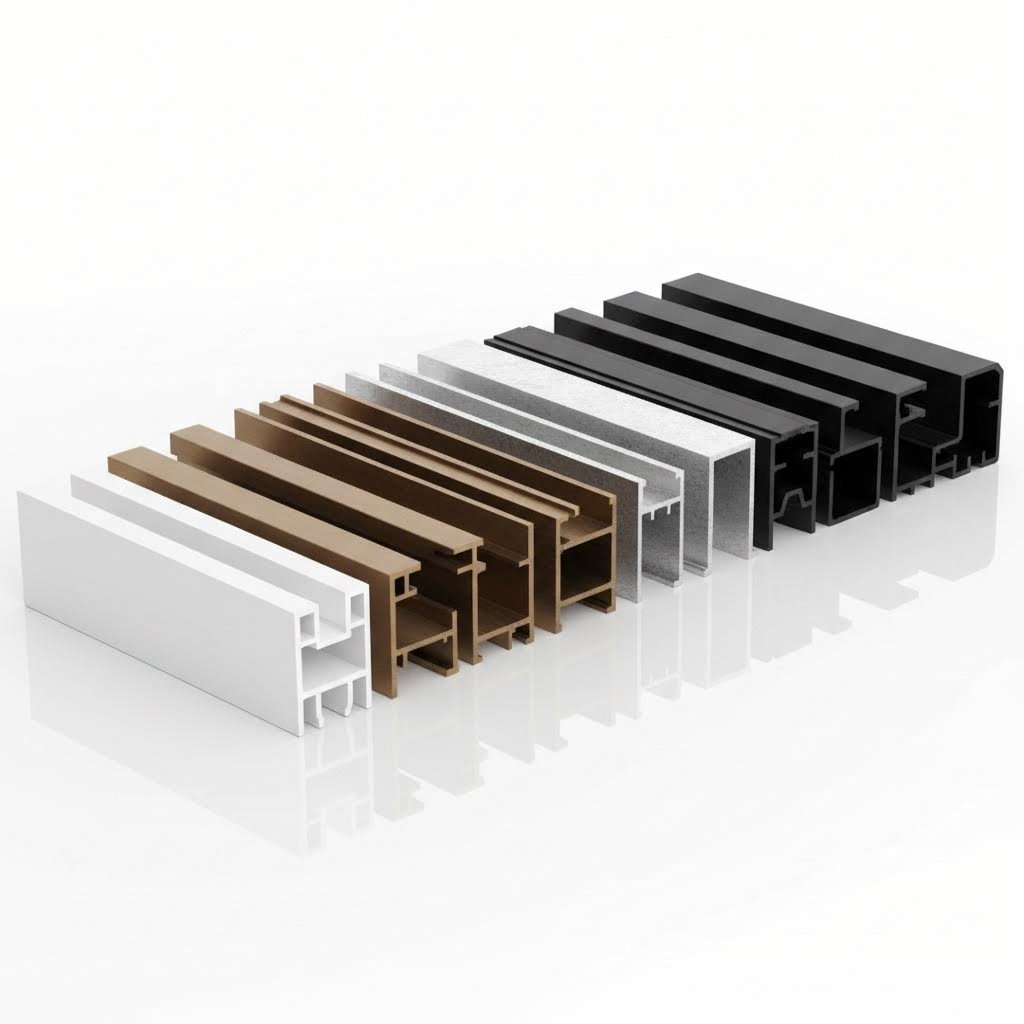
You've engineered the perfect profile with the right alloy and thermal break technology. Now comes a decision that determines how your aluminum window extrusions look and perform for decades: surface finishing. This is where supplier claims often diverge from reality. Some finishes excel in coastal environments but struggle with abrasion. Others offer unlimited colors but demand higher maintenance. Let's cut through the marketing to understand what each finishing method actually delivers.
Surface treatments for aluminium profile extrusion serve two fundamental purposes: protection and aesthetics. The right choice depends on your specific environment, budget constraints, and performance expectations. Unfortunately, many buyers select finishes based on appearance alone, only to discover maintenance headaches or premature degradation years later.
When abrasion resistance matters most, anodizing stands apart from every other finishing option. This electrochemical process doesn't apply a coating to your aluminum - it transforms the surface itself into aluminum oxide, one of the hardest substances found in nature.
Here's how it works: your aluminum extrusion trim is immersed in an acid electrolyte bath while electrical current passes through the solution. This triggers a controlled oxidation that grows an integral protective layer from the base metal outward. The resulting coating cannot peel or flake because it's literally part of the metal - a critical advantage over applied coatings.
Coating thickness directly determines longevity. Industry standards classify anodizing into two primary categories:
What suppliers often fail to mention: cheap anodized sheets frequently arrive with coating thickness of just 0.10 mils. While visually identical to properly anodized material, these thin coatings won't survive more than a few years in exterior applications - especially in coastal environments.
The unique advantage of anodizing? Renewability. When an anodized surface appears chalky or stained after years of service, cleaning with mild detergent and gentle abrasion actually removes a microscopic layer of the coating, revealing fresh anodized material beneath. This "renewed" finish can last another twenty years - something no organic coating can match.
When your project demands specific colors matching corporate branding or architectural vision, powder coating opens possibilities that anodizing simply cannot match. The RAL color system alone offers over 200 standardized colors, and custom matching extends options virtually without limit.
Powder coating applies dry powder electrostatically to aluminum panel extrusions, then cures the finish in ovens where particles melt and flow into a continuous protective film. Because no solvents evaporate during curing, powder coatings produce zero VOC emissions - a significant environmental advantage over liquid paints.
For aluminum window extrusions, polyester TGIC powders dominate the market due to excellent weatherability and the widest stock color availability. However, powder coatings face limitations in gloss retention compared to premium liquid alternatives. Polyester TGIC powders struggle with gloss retention compared to PVDF powders, making them better suited for satin or matte finishes where chalking is less noticeable.
One practical consideration often overlooked: powder coatings are prone to "orange peel" texture, where the cured surface shows subtle waviness rather than a perfectly smooth finish. For decorative aluminium extrusion box applications or visible trim pieces where mirror-smooth surfaces matter, this texture can be problematic.
For curtain walls, metal roofing, and high-end fenestration demanding maximum weather resistance, PVDF (polyvinylidene fluoride) coatings represent the industry's gold standard. PVDF provides exceptional resistance to UV radiation, salt water, atmospheric pollution, and other environmental pollutants - making it the preferred choice for coastal installations and chemically aggressive environments.
Most architectural PVDF coatings are formulated as 70% PVDF resin with 30% acrylic. While 50% PVDF formulations exist at lower cost, they do not meet AAMA 2605 specifications across the full color range. When specifying PVDF, insist on the 70% formulation and verify AAMA 2605 compliance for your specific color selection.
The AAMA 2605 specification requires actual ten-year exposure testing in South Florida - one of the most demanding weathering environments in North America. This real-world validation separates genuinely durable finishes from marketing claims.
Less common but increasingly relevant for specialized applications, electrophoretic deposition (E-coating) offers uniform coverage that other methods struggle to achieve. The process immerses aluminium extrusion trim in a bath of coating particles suspended in water, then applies electrical current to deposit an even film across all surfaces - including recessed areas and internal channels that spray applications miss.
Electroplated surfaces provide superior conductivity for components requiring electrical grounding while maintaining precise dimensional tolerances. For window and door applications, electrophoresis typically serves as a primer layer beneath powder coating or PVDF, enhancing adhesion and corrosion protection rather than functioning as a standalone finish.
| Finish Type | Durability | Color Options | Cost Considerations | Best Applications |
|---|---|---|---|---|
| Anodizing (Class I) | 20-30+ years; renewable through cleaning | Limited: clear, bronze, black, champagne; some dyed colors available | Moderate initial cost; lowest lifecycle cost due to renewability | Storefronts, door stiles, kick plates, high-traffic areas requiring abrasion resistance |
| Powder Coating (Polyester) | 5-10 years exterior; gloss retention challenges | Extensive: 200+ RAL colors; custom matching available | Lower initial cost; larger batch sizes reduce per-unit expense | Interior applications, protected exterior locations, budget-conscious projects |
| PVDF (70%) | 20+ years with warranty; superior UV and chemical resistance | Very extensive: virtually unlimited custom colors; metallics available | Higher initial cost; custom colors add expense; best value for premium applications | Curtain walls, coastal installations, metal roofing, high-visibility architectural projects |
| Electrophoresis | Varies by topcoat; excellent as primer layer | Limited standalone; typically used as primer beneath other finishes | Moderate; adds cost when combined with topcoat but improves overall durability | Complex profiles requiring uniform coverage; components with recessed areas; primer for multi-coat systems |
Your installation environment should heavily influence finish selection. Coastal locations within 1,500 feet of saltwater demand either Class I anodizing or PVDF coatings - powder coating alone won't provide adequate protection. Industrial environments with chemical exposure similarly favor PVDF's superior chemical resistance.
For urban installations, consider that anodized surfaces may eventually succumb to acidic pollutants. Regular cleaning (at least annually) extends service life significantly. PVDF coatings resist these same pollutants but cannot be "renewed" like anodizing - once failed, recoating or replacement becomes necessary.
Maintenance requirements differ substantially between finishes. Both anodized and painted coatings require regular cleaning, but building owners rarely budget for this reality. When specifying finishes, consider not just initial appearance but who will maintain the building and whether adequate maintenance protocols will actually be .
With surface finishing fundamentals clarified, the next logical question becomes: how does aluminum compare to the primary alternative material in fenestration - vinyl? The answer involves more nuance than most suppliers admit.
You've researched alloys, explored thermal break technology, and evaluated surface finishes. Now comes a question every buyer eventually faces: should you choose aluminum or vinyl for your window profiles? Suppliers on both sides push their preferred material, but rarely offer the balanced analysis you need to make an informed decision.
The truth? Neither material wins across every category. Your climate, architectural requirements, budget constraints, and sustainability priorities should drive this choice - not supplier convenience. Let's examine the real trade-offs between these two dominant window frame materials.
When structural performance matters, aluminum section frames hold a clear advantage. Despite being significantly lighter than steel, aluminum offers incredible strength and structural rigidity - the same strength-to-weight ratio that makes it ideal for aerospace applications.
What does this mean for your window door aluminium applications? Consider these practical benefits:
Vinyl offers reliable durability for most residential applications but with notable limitations. Extreme heat can cause vinyl to crack, warp, or melt, restricting its suitability in certain climates. However, high-quality vinyl resists UV degradation and moisture exposure effectively under normal conditions.
Lifespan expectations reveal a significant difference. According to industry sources, aluminum windows typically last 30-50 years with proper maintenance, while vinyl windows provide 20-30 years of service. This longevity gap becomes particularly relevant when calculating total cost of ownership rather than just initial purchase price.
One caveat aluminum buyers should understand: coastal environments with salt air can corrode and pit unprotected aluminum surfaces. Proper anodizing or PVDF coating becomes essential for these installations - a consideration that doesn't affect vinyl's performance in the same environments.
Sustainability-conscious buyers face an interesting trade-off between these materials. Each carries distinct environmental implications across manufacturing, service life, and end-of-life disposal.
Aluminum's production is energy-intensive, contributing to a higher carbon footprint compared to other materials. However, this initial environmental cost is substantially offset by one remarkable property: aluminum can be recycled indefinitely without losing its properties. The recycling process consumes only 5% of the energy required for primary production, making recycled aluminum window components one of the most sustainable building material choices available.
Vinyl presents a more complex environmental picture. The manufacturing process involves polyvinyl chloride (PVC) derived from petroleum, which can release harmful chemicals during production. While vinyl's durability reduces replacement frequency - offsetting some environmental costs - recyclability remains challenging. Specialized facilities are required for vinyl recycling, and not all regions have access to them.
Indoor air quality considerations also differ. Vinyl may emit volatile organic compounds (VOCs) during production and installation phases, potentially affecting indoor air quality during and immediately after installation. Aluminum window components don't present this concern.
| Category | Aluminum | Vinyl |
|---|---|---|
| Durability | 30-50 year lifespan; exceptional strength-to-weight ratio; resists bending and warping | 20-30 year lifespan; can crack or warp in extreme heat; less rigid than aluminum |
| Thermal Performance | Naturally conductive; requires thermal break technology to achieve good energy efficiency | Naturally insulating; PVC is inherently a poor conductor of heat |
| Recyclability | 100% recyclable indefinitely; recycling uses only 5% of original production energy | Recyclable but requires specialized facilities; not universally accessible |
| Design Flexibility | Thinner frames (up to 50% narrower); larger glass areas; ideal for modern minimalist aesthetics | Thicker frames; traditional appearance; limited color change options after installation |
| Maintenance | Powder-coated finishes are virtually maintenance-free; no fading or chalking with quality finishes | Simple cleaning routines; integrated color hides minor scratches; no rust concerns |
| Cost | $75-$400 per window plus installation; thermally broken options command premium pricing | $100-$900 per window plus installation; most affordable replacement option |
| Best Climate Fit | Hot, sunny climates; hurricane zones; UV-resistant; avoid uncoated aluminum in coastal salt air | Cold climates requiring maximum insulation; moderate weather conditions |
The aluminum versus vinyl decision ultimately depends on your specific priorities. Choose aluminum aluminium door window frames when modern aesthetics, structural strength, maximum glass area, or sustainability through recyclability top your requirements. Thermally broken aluminum window profiles now compete effectively with vinyl's natural insulation advantages while delivering superior longevity.
Choose vinyl when budget constraints are primary, when cold-climate insulation performance is critical, or when traditional architectural styles are preferred. High-quality vinyl delivers excellent value and reliable performance for most residential applications.
Neither material is universally "better" - only better suited to specific circumstances. Understanding these trade-offs positions you to make a decision that serves your project for decades rather than creating regrets when limitations become apparent.
With material selection clarified, the next critical step involves understanding the quality standards and certifications that separate premium aluminum extrusions from commodity products.
Here's something that separates informed buyers from those who learn expensive lessons later: understanding certifications. Many suppliers display logos and claim compliance with various standards, but few explain what these certifications actually verify - or why some matter more than others for your specific application.
Quality standards for aluminum extrusions exist at multiple levels: material specifications, manufacturing process controls, and finished product performance. Knowing which certifications to prioritize helps you evaluate aluminum window extrusions suppliers objectively rather than relying solely on sales claims.
The alphabet soup of industry certifications can feel overwhelming. Let's break down the ones that genuinely matter for fenestration applications - and what each tells you about product quality.
Many aluminum extrusion manufacturers obtain ISO 9001 certification, which demonstrates their commitment to quality management systems and continuous improvement. While ISO 9001 doesn't guarantee product quality directly, it verifies that a manufacturer has documented processes, conducts internal audits, and maintains systematic quality controls. For aluminium window manufacturers, this baseline certification indicates organizational discipline - though it's a starting point, not a differentiator.
For environmental considerations, ISO 14001 certification for environmental management may also be pursued to ensure sustainable manufacturing practices. This matters increasingly for projects pursuing green building certifications or meeting corporate sustainability requirements.
Key certifications for aluminium window suppliers and aluminium door manufacturers include:
Energy efficiency certifications have moved from "nice to have" to mandatory in most jurisdictions. Understanding these ratings helps you specify windows that meet code requirements while optimizing energy performance.
The NFRC (National Fenestration Rating Council) provides standardized energy performance ratings for windows and doors. Unlike manufacturer claims, NFRC ratings come from independent laboratory testing using consistent protocols. The NFRC label displays critical metrics that directly affect your building's energy consumption:
Windows with ENERGY STAR certification meet strict energy efficiency guidelines set by the U.S. Environmental Protection Agency. These windows reduce heating and cooling costs, lower carbon footprints, and improve indoor comfort. ENERGY STAR requirements vary by climate zone - a window earning certification in Miami faces different criteria than one certified for Minneapolis.
For high-performance buildings, Passive House-certified windows meet extremely high energy efficiency requirements, making them ideal for low-energy and net-zero building designs. These windows offer superior insulation, airtightness, and solar control that significantly reduce heating and cooling loads - though they command premium pricing reflecting their exceptional performance.
Beyond certifications, understanding manufacturing quality controls helps you distinguish premium aluminium window manufacturers from commodity producers. Ask potential suppliers about these checkpoints:
The difference between aluminium door manufacturers who maintain rigorous quality protocols and those who cut corners often becomes apparent only after installation - when warranty claims reveal manufacturing shortcuts. Requesting documentation of quality control procedures before ordering helps you avoid suppliers whose certifications exist primarily on paper.
With quality standards understood, the next practical consideration becomes cost - specifically, what factors drive pricing and how to budget effectively for your project.
Ever received two quotes for seemingly identical aluminum extrusion profiles - only to find one costs twice as much as the other? You're not alone. Pricing for window and door profiles remains one of the most opaque aspects of this industry, with most suppliers reluctant to explain the mechanics behind their numbers.
Understanding what drives costs empowers you to evaluate quotes intelligently, ask the right questions, and avoid overpaying for features you don't need. Let's pull back the curtain on aluminum extrusion pricing.
The price tag on your aluminum extrusions for sale reflects a complex equation with multiple variables. The cost of aluminum is the biggest wild card in the whole equation, having varied anywhere from $1,500 to $3,500 per metric ton in recent years. This volatility means quotes can shift significantly between the time you request pricing and when you place your order.
Beyond raw material costs, several factors combine to determine your final price:
When reviewing an aluminum shapes catalog or requesting quotes, recognize that the profile you select affects more than aesthetics. Simpler extrusion frame designs with uniform wall thicknesses cost less to produce and maintain tighter tolerances than elaborate configurations.
The decision between custom and standard profiles often comes down to tooling economics. Tool costs for extrusion dies in normal architectural applications range from $400 to $1,000, while large parts requiring 2,000-4,000 ton presses may reach $2,000 or more.
Here's what many suppliers won't volunteer: the fewer units you order, the bigger the per-unit share of tooling cost becomes. A $2,000 die spread across 50,000 meters of production adds negligible cost per meter. That same die amortized over 5,000 meters increases your per-unit cost tenfold.
Consider these budgeting realities for aluminum extrusion kit projects:
Good news for repeat buyers: some manufacturers refund tool costs if a stipulated amount is purchased within 2 years, and most don't charge for replacement tools after their useful life if orders continue.
Where you buy matters as much as what you buy. Factory-direct pricing eliminates middleman markups but typically requires larger minimum orders and longer lead times. Distributors offer convenience, smaller quantities, and local inventory - at premium pricing reflecting their value-added services.
When evaluating aluminum extrusion case quotes from different sources, ask suppliers to itemize:
A good rule-of-thumb for custom aluminum extrusion cost is about US$3-8 per pound for simple shapes, with complex profiles and premium finishes commanding higher pricing. However, this range varies significantly based on current aluminum pricing, regional labor costs, and order specifics.
For aluminum extrusions for panels or other high-volume applications, consider locking in material pricing when rates are favorable. Some extruders buy considerable amounts of metal in advance and use it for your production needs over time, making extrusion costs more predictable for ongoing requirements.
Armed with pricing fundamentals, you're ready to evaluate suppliers themselves - understanding what manufacturing capabilities and support services distinguish partners who deliver value from those who simply fill orders.
You've defined your alloy requirements, specified thermal break technology, and selected surface finishes. Now comes perhaps the most consequential decision: choosing the supplier who will actually manufacture your aluminum extrusion profiles for windows and doors. This step trips up more buyers than any technical specification - because evaluating manufacturing partners requires examining capabilities that don't appear on product sheets.
A qualified aluminum extrusion supplier offers much more than extruded profiles - they provide engineering collaboration, quality assurance, and integrated production capabilities that align with your project goals. The difference between a transactional vendor and a genuine manufacturing partner becomes apparent when problems arise or specifications need adjustment mid-project.
Imagine ordering custom window profiles only to discover your supplier's equipment can't produce the dimensions you need. This scenario happens more often than you'd expect - particularly when buyers focus on price rather than capability.
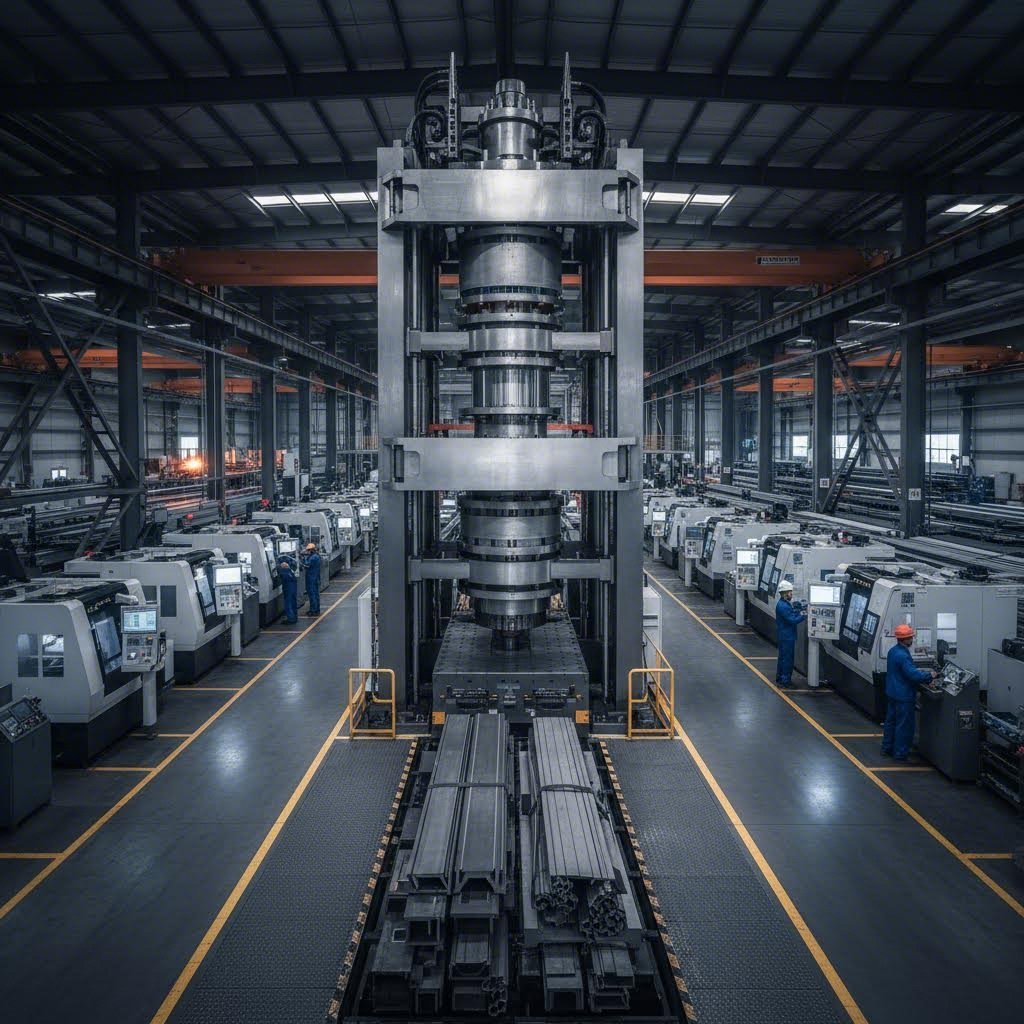
The capacity of an aluminum extrusion press is measured in tons and indicates the maximum force that the press can exert to push aluminum through the die. Common capacities range from 500 tons to over 15,000 tons, depending on profile complexity and size. Why does this matter for your project?
Consider these practical implications:
A supplier with limited press range forces you to compromise on design or seek multiple vendors for different profile sizes. Manufacturers maintaining diverse equipment - like facilities housing presses from 600T through 5500T - can accommodate virtually any fenestration profile within a single production relationship.
Beyond press tonnage, examine CNC machining capabilities. Modern window and door profiles rarely ship as simple extrusions. They require precision cutting, drilling, tapping, and sometimes complex milling operations. Full-service suppliers deliver in-house surface finishing, CNC machining, cutting-to-length, and even welding - reducing your coordination costs and improving turnaround times.
When reviewing an extruded aluminum shapes catalog from potential suppliers, verify their capabilities extend beyond basic extrusion. Can they produce extruded aluminum slide mechanisms for sliding door systems? Do they offer the precision tolerances your hardware requires? These questions reveal whether a supplier can truly serve your needs or will become a bottleneck.
Here's where many supplier relationships break down: the critical transition from concept to production. A manufacturer might quote attractive prices, but without robust die development support and quality controls, your project risks delays, dimensional inconsistencies, or outright failure.
Top-tier suppliers typically offer both standard and custom extrusion profiles, with many assisting with die design and prototyping to ensure manufacturability from the design stage. This early collaboration prevents costly revisions after tooling is complete.
The die development process for item extruded aluminium profiles typically follows this sequence:
Consider what comprehensive manufacturing support looks like in practice. Shengxin Aluminium, for example, operates 35 advanced extrusion presses ranging from 600T to 5500T - capacity that handles everything from delicate residential profiles to heavy industrial sections. Their state-of-the-art CNC machining centers deliver precise cutting, drilling, and bending to exact specifications, while surface treatment options span anodizing in custom colors like champagne and rose gold, powder coating, PVDF, and micro-arc oxidation for superior durability.
This end-to-end capability - from die development through mass production and finishing - eliminates the coordination headaches of managing multiple vendors. Technical support throughout the process means design problems get solved before they become production problems.
How do you systematically compare potential manufacturing partners? The best way to select a company with experience and expertise is by following a checklist that covers technical capability, quality systems, and business stability.
Use these criteria when evaluating aluminum extrusion suppliers:
Suppliers with proven experience in your industry are better equipped to understand your technical needs, anticipate challenges, and offer efficient solutions. A manufacturer specializing in CRL US aluminum distribution or CR Laurence aluminum components understands architectural glazing requirements differently than a general metal fabricator.
One of the most common mistakes is choosing a supplier based solely on price or speed without verifying technical capability or quality consistency. That attractively low quote may reflect corners being cut - thin anodizing, loose tolerances, or inadequate quality controls that surface only after installation.
Red flags to watch for during supplier evaluation:
Never hesitate to ask candidates for references - reputable companies will jump at the chance to share information, while those with questionable track records will deflect. Use these conversations to understand real-world delivery performance, issue resolution responsiveness, and long-term consistency.
For projects requiring CRL aluminum components or similar architectural-grade profiles, verify the supplier's familiarity with industry specifications. A manufacturer experienced with CRL U.S. aluminum standards understands the precision requirements for storefront and curtain wall applications - knowledge that prevents costly specification mismatches.
With supplier evaluation criteria established, you're equipped to make informed partnership decisions. The final step involves consolidating everything you've learned into actionable next steps for your specific project requirements.
You've navigated alloy specifications, thermal break technology, surface finishes, and supplier evaluation criteria. Now it's time to consolidate this knowledge into actionable steps that move your project forward. Whether you're specifying aluminum window profiles for a commercial development or sourcing aluminium profile for windows on a residential renovation, the decisions you make at this stage determine long-term performance and value.
The difference between buyers who achieve excellent outcomes and those who face installation headaches often comes down to preparation. Rushed decisions lead to specification mismatches, supplier disappointments, and costly corrections. A systematic approach - checking each critical factor before committing - prevents these problems before they occur.
Before requesting quotes or finalizing suppliers, work through this comprehensive checklist. Each item represents a decision point that affects your project's success:
This checklist serves as your quality gate - a systematic verification that prevents expensive oversights. Taking the time to choose the right aluminum profiles will pay off in durability, performance, and aesthetics across your project's entire service life.
With your requirements documented and checklist complete, you're positioned to engage suppliers from a place of knowledge rather than uncertainty. This preparation changes the dynamic of supplier conversations - you're evaluating their capability against defined criteria rather than hoping they'll guide you to appropriate solutions.
Remember these principles as you proceed:
For projects requiring custom 6063 aluminum profiles, architectural window frames, or complex industrial profiles, working with experienced manufacturers makes a measurable difference. Companies like Shengxin Aluminium provide technical support spanning die development through mass production, with factory-direct pricing that eliminates middleman markups. Their comprehensive surface treatment options - including anodizing in custom colors, powder coating, PVDF, and micro-arc oxidation - mean you can source complete solutions from a single partner.
The knowledge you've gained through this guide transforms you from a passive buyer into an informed specifier. You understand why 6063 alloy dominates fenestration applications, how thermal break technology improves energy performance, what surface finishes suit different environments, and which certifications genuinely matter for quality assurance.
Most importantly, you now recognize what suppliers won't volunteer - the technical trade-offs, quality differentiators, and specification details that separate excellent outcomes from disappointing ones. Use this understanding to demand transparency, verify claims, and select partners who earn your business through capability rather than just competitive pricing.
Your next step? Take that documented checklist, reach out to qualified suppliers, and request detailed proposals that address each specification point. The preparation you've invested positions you for window and door profiles that perform flawlessly for decades - exactly the outcome informed buyers achieve.
Aluminum profiles are manufactured through an extrusion process where heated aluminum billets (preheated to 400-500°C) are forced through precision-machined dies using hydraulic pressure up to 15,000 tons. The aluminum emerges with the exact cross-sectional shape needed for window or door applications. Post-extrusion steps include rapid cooling (quenching), stretching to correct distortions, and heat treatment (T5 or T6 tempers) to achieve specific mechanical properties. The profiles then undergo surface finishing such as anodizing, powder coating, or PVDF application before final CNC machining for hardware integration.
Anodizing for aluminum window profiles comes in two primary classifications: Class I (Architectural Grade) with minimum 0.7 mils (18 microns) thickness suitable for exterior applications with 20+ year service life, and Class II (Commercial Grade) with minimum 0.4 mils (10 microns) for interior or protected locations. Color options include clear, bronze, black, champagne, and rose gold tones. Manufacturers like Shengxin Aluminium offer custom anodizing colors along with alternative finishes like powder coating, PVDF, and micro-arc oxidation for enhanced durability in demanding environments.
Aluminum window extrusions connect through several methods depending on the application. Mechanical connections include corner keys, brackets, and screw fasteners inserted into pre-machined channels. Thermally broken profiles use polyamide strips that mechanically crimp interior and exterior aluminum sections together. For structural connections, welding (TIG or MIG) creates permanent joints, though this is more common with 6061 alloy than the standard 6063 used in fenestration. Many profiles feature integrated snap-fit grooves for gaskets and weathersealing components.
Minimum wall thickness for aluminum window profiles typically ranges from 1.0mm to 2.0mm depending on application requirements. Standard residential windows commonly use 1.4mm wall thickness, while commercial and high-wind zone applications may require 1.6mm to 2.0mm or greater. The 6063 alloy's excellent extrudability allows thinner walls (25-35% thinner than 6061) while maintaining structural integrity. Profile complexity, span requirements, and local building codes all influence the final thickness specification needed for your specific project.
Custom aluminum extrusion costs typically range from $3-8 per pound for simple shapes, with complex profiles and premium finishes commanding higher pricing. Key cost factors include raw aluminum pricing ($1,500-$3,500 per metric ton), die/tooling costs ($400-$2,000 depending on complexity), surface treatments (adding $1,200-$1,400 per metric ton for anodizing or powder coating), and order volume. Factory-direct purchasing from manufacturers with comprehensive capabilities—like those offering presses from 600T to 5500T—often provides better value than distributor pricing for larger projects.



 บริการออนไลน์
 0086 136 3563 2360
 sales@sxalu.com
 +86 136 3563 2360
 ไทย
 English
 français
 Deutsch
 русский
 español
 português
 العربية
 Việt
 Українська