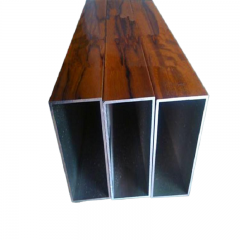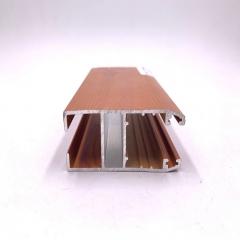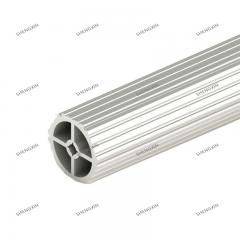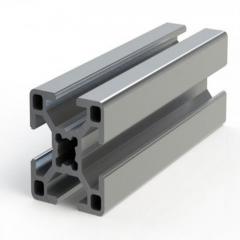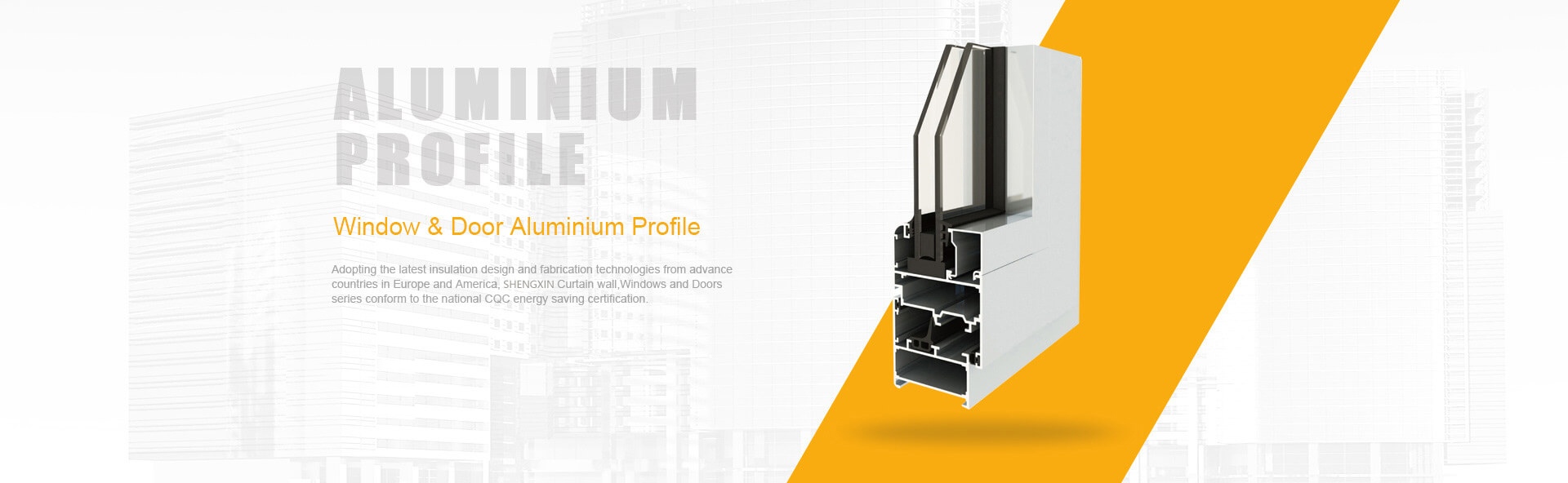
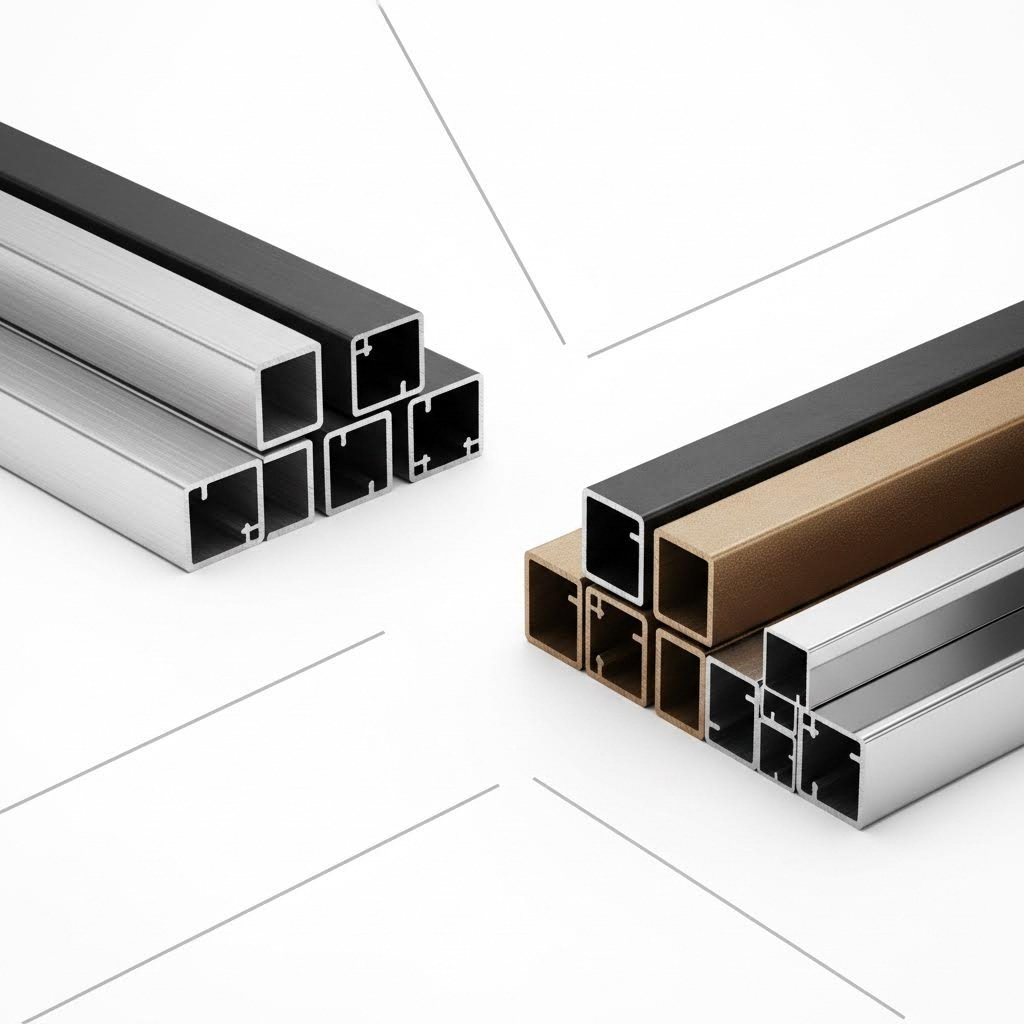
When you think about aluminum extrusion finishes, your mind might jump straight to color choices or decorative appeal. But here's the reality: the right finish does far more than make your extrusion look good. It acts as a shield, protecting the underlying metal from corrosion, wear, and environmental damage while delivering the exact visual or functional characteristics your application demands.
Aluminum finishes encompass every treatment applied to an extruded aluminum profile after it leaves the press. This includes mechanical processes like brushing and polishing, chemical treatments such as etching, and applied coatings aluminum manufacturers use to enhance performance. Whether you're specifying parts for architectural facades, automotive components, or industrial machinery, understanding these surface treatments is essential for making informed decisions.
The coating on aluminum serves a dual purpose that many engineers and designers overlook. First, it provides an aluminum protective coating against oxidation, chemical exposure, and physical abrasion. Second, it delivers specific aesthetic or functional properties—from a sleek matte appearance to enhanced electrical insulation or improved wear resistance.
Imagine leaving a freshly extruded aluminum profile exposed to the elements without any protection. While aluminum won't rust like steel, it will gradually degrade. Moisture, salt spray, industrial pollutants, and even fingerprints can compromise its surface over time. Raw aluminum also scratches easily, shows tooling marks from the extrusion process, and lacks the refined appearance most applications require.
Aluminium surface treatment addresses these vulnerabilities head-on. Proper aluminum surface finishes create barriers against environmental attack, improve cleanability, and establish consistent visual quality. They also influence practical factors like friction coefficients, thermal emissivity, and paint adhesion for secondary operations.
For commercial and industrial applications, untreated aluminum simply isn't sufficient. The finish you select directly impacts durability, maintenance costs, and ultimately, the total lifespan of your product.
Here's something fascinating about aluminum: it actually protects itself. The moment freshly extruded aluminum contacts air, it begins forming a thin oxide layer through a natural chemical reaction. This aluminum oxide film is remarkably stable and provides baseline corrosion resistance.
So why bother with additional treatments? The natural oxide layer measures only about 2-3 nanometers thick—far too thin for demanding applications. It's inconsistent, easily scratched, and offers minimal protection in aggressive environments like coastal locations or chemical processing facilities.
Professional aluminum finishes build upon or replace this natural layer with something far more robust. Anodizing, for example, creates an oxide layer hundreds of times thicker than the natural film. Applied coatings add entirely new protective barriers with properties aluminum oxide alone cannot provide.
Understanding this relationship between aluminum's inherent properties and engineered finishes helps you appreciate why finish selection deserves careful consideration early in your design process—not as an afterthought.
Now that you understand why aluminum needs surface treatment, let's explore the full range of options available. When specifying aluminum extrusion finishes, you'll encounter three primary categories: mechanical finishes, chemical finishes, and applied coatings. Each category offers distinct advantages, and many finished products combine techniques from multiple categories to achieve optimal results.
Before diving into these categories, you need to understand the starting point for all aluminum finishes—mill finish aluminum. So what is mill finish exactly? It's the natural surface condition of aluminum as it exits the extrusion press, before any secondary finishing operations. Mill finish retains visible die lines, minor surface imperfections, and the characteristic metallic appearance of bare aluminum. While acceptable for some structural applications where appearance isn't critical, mill finish serves primarily as the baseline from which all other types of metal finish are developed.
Think of mill finish as your blank canvas. From here, you can apply mechanical processes to alter surface texture, chemical treatments to modify surface chemistry, or aluminum coatings to add entirely new protective and decorative layers. Many applications require combining these approaches—for example, brushing an extrusion mechanically before applying an anodized finish or chemical conversion coating before powder coating.
Mechanical finishes physically alter the aluminum surface through abrasion, impact, or cutting. These processes remove material, create texture, or smooth imperfections left from extrusion. You'll find mechanical finishing used both as standalone treatments and as preparation steps for subsequent chemical or coating processes.
The most common types of aluminum mechanical finishes include:
Mechanical finishes excel at creating specific textures and visual effects. However, they don't inherently improve corrosion resistance—in fact, they may remove aluminum's natural oxide layer. That's why mechanical finishing often precedes chemical treatment or an aluminum coating application.
Chemical finishes modify aluminum surfaces through controlled chemical reactions rather than physical abrasion. These treatments range from simple cleaning and etching to complex electrochemical processes that fundamentally transform surface properties.
Key chemical and electrochemical finish types include:
Chemical treatments offer advantages mechanical processes cannot match. They penetrate recessed areas and complex geometries uniformly, making them ideal for intricate extrusion profiles. Anodizing, in particular, stands out among types of aluminum finishes for its ability to create durable, integral protection that won't peel, chip, or flake.
Applied coatings represent the third major category, where materials like powder coat, liquid paint, or PVDF are bonded to prepared aluminum surfaces. These finishes add entirely new layers rather than modifying existing aluminum, opening possibilities for virtually unlimited colors and specialized performance characteristics. We'll explore these coating technologies in detail in the following sections.
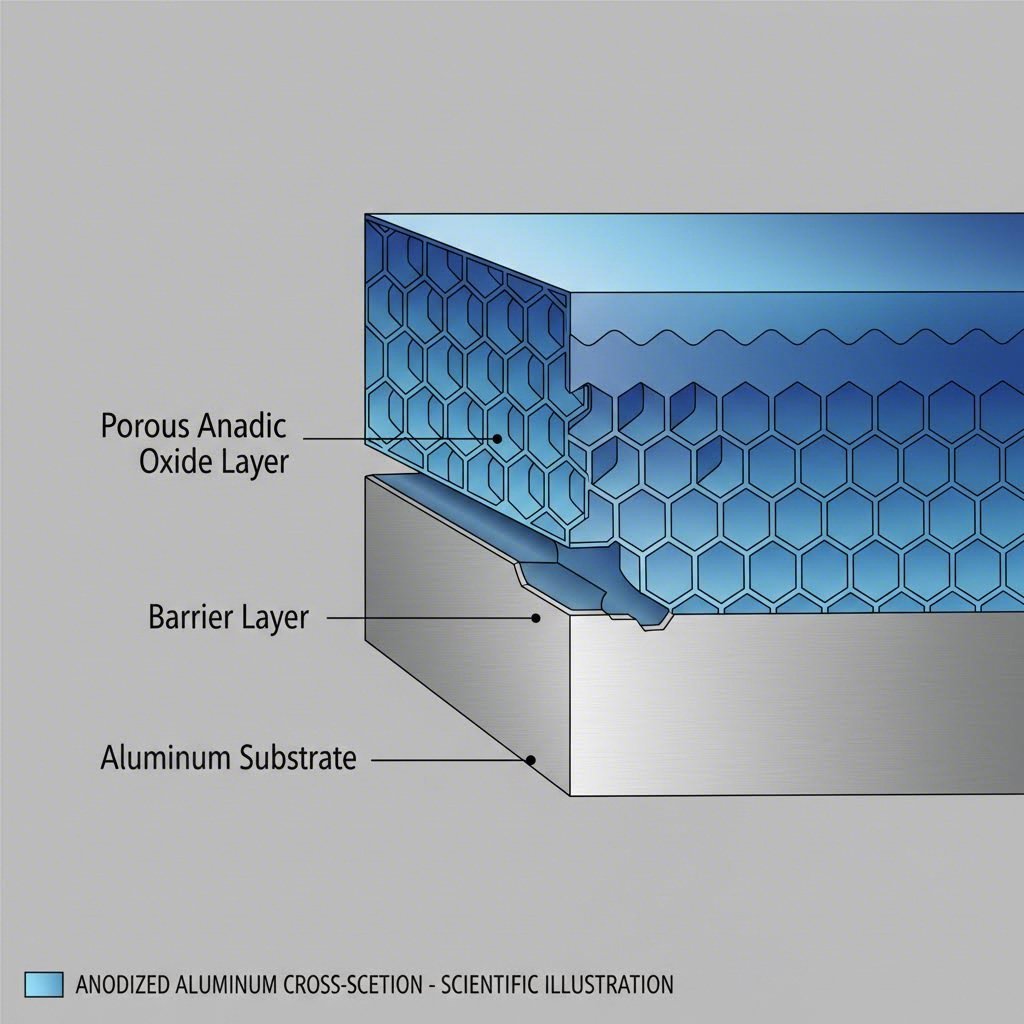
Among all aluminium surface treatments available today, anodizing stands apart as the most widely specified electrochemical finish for aluminum extrusions. But what makes anodizing so special? Unlike coatings on aluminum that sit on top of the surface, anodizing actually transforms the aluminum itself. The process converts the outer layer of aluminum into aluminum oxide—a ceramic-like material that becomes integral to the base metal.
Here's how it works: the aluminum extrusion is submerged in an electrolytic bath (typically containing sulfuric or chromic acid) and connected to a positive electrical current. This causes oxygen ions from the solution to combine with aluminum atoms at the surface, growing a thick oxide layer directly from the metal. The result? A coating for aluminum that cannot peel, flake, or delaminate because it literally is the aluminum, just in a different chemical form.
This fundamental difference explains why anodized finishes outperform many applied coatings for aluminum in demanding applications. The oxide layer is extremely hard, chemically stable, and permanently bonded at the molecular level. You'll find anodized aluminum everywhere—from smartphone frames and laptop housings to building facades and aircraft components.
Not all anodizing processes are created equal. The three primary types—designated Type I, Type II, and Type III—differ significantly in their chemistry, oxide layer characteristics, and ideal applications. Understanding these differences helps you specify the right aluminum surface treatment for your specific requirements.
Type I (Chromic Acid Anodizing) produces the thinnest oxide layer among the three types. It uses chromic acid as the electrolyte and creates films typically ranging from 0.5 to 2.5 microns thick. While thin, this layer offers excellent corrosion protection with minimal dimensional change—making it ideal for precision aerospace components where tight tolerances matter. Type I anodizing also provides a good base for paint adhesion.
Type II (Sulfuric Acid Anodizing) represents the most common surface treatment aluminum extrusions receive. Using sulfuric acid electrolyte, this process builds oxide layers between 5 and 25 microns thick. The resulting finish balances corrosion resistance, wear protection, and aesthetic appeal. Type II anodizing accepts dyes readily, enabling the broad color palette that makes anodized aluminum so popular for architectural and consumer products.
Type III (Hardcoat Anodizing) takes the process to extremes. By using lower temperatures and higher current densities, hardcoat anodizing grows oxide layers from 25 to 150 microns thick. These coatings for aluminum achieve remarkable hardness—approaching that of some tool steels—along with exceptional wear and abrasion resistance. Industrial machinery, hydraulic components, and military equipment frequently specify Type III finishes.
| Anodizing Type | Oxide Layer Thickness | Hardness (Vickers) | Typical Applications | Relative Cost |
|---|---|---|---|---|
| Type I (Chromic Acid) | 0.5 - 2.5 microns | 200 - 300 HV | Aerospace components, paint base, precision parts | High |
| Type II (Sulfuric Acid) | 5 - 25 microns | 300 - 400 HV | Architectural, consumer electronics, automotive trim | Moderate |
| Type III (Hardcoat) | 25 - 150 microns | 400 - 600 HV | Industrial machinery, military, hydraulic cylinders | Higher |
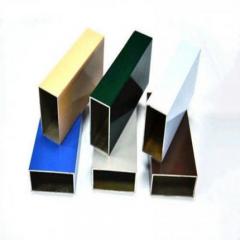
One of anodizing's greatest advantages is its color versatility. The porous structure of freshly formed anodized aluminum readily absorbs dyes before being sealed, enabling colors ranging from subtle earth tones to vibrant primary colors.
Standard anodizing color options include:
Color depth and consistency depend on several factors including anodizing thickness, alloy composition, and dye concentration. Thicker oxide layers generally produce richer, more saturated colors. Keep in mind that Type III hardcoat anodizing limits color options—the dense oxide structure restricts dye penetration, typically yielding dark gray to black appearances regardless of dye selection.
Beyond dyed colors, specialized techniques expand aesthetic possibilities further. Electrolytic coloring deposits metallic particles within the oxide pores, creating fade-resistant bronze, gold, and copper tones ideal for exterior architectural applications. Two-step anodizing processes enable unique effects like color gradients and interference colors that shift with viewing angle.
The permanence of anodized colors sets them apart from painted or powder coated surfaces. Since the dye penetrates into the oxide layer rather than sitting on top, anodized colors resist fading, scratching, and wear far better than surface-applied finishes. This durability makes anodizing the preferred choice when long-term appearance matters as much as protection.
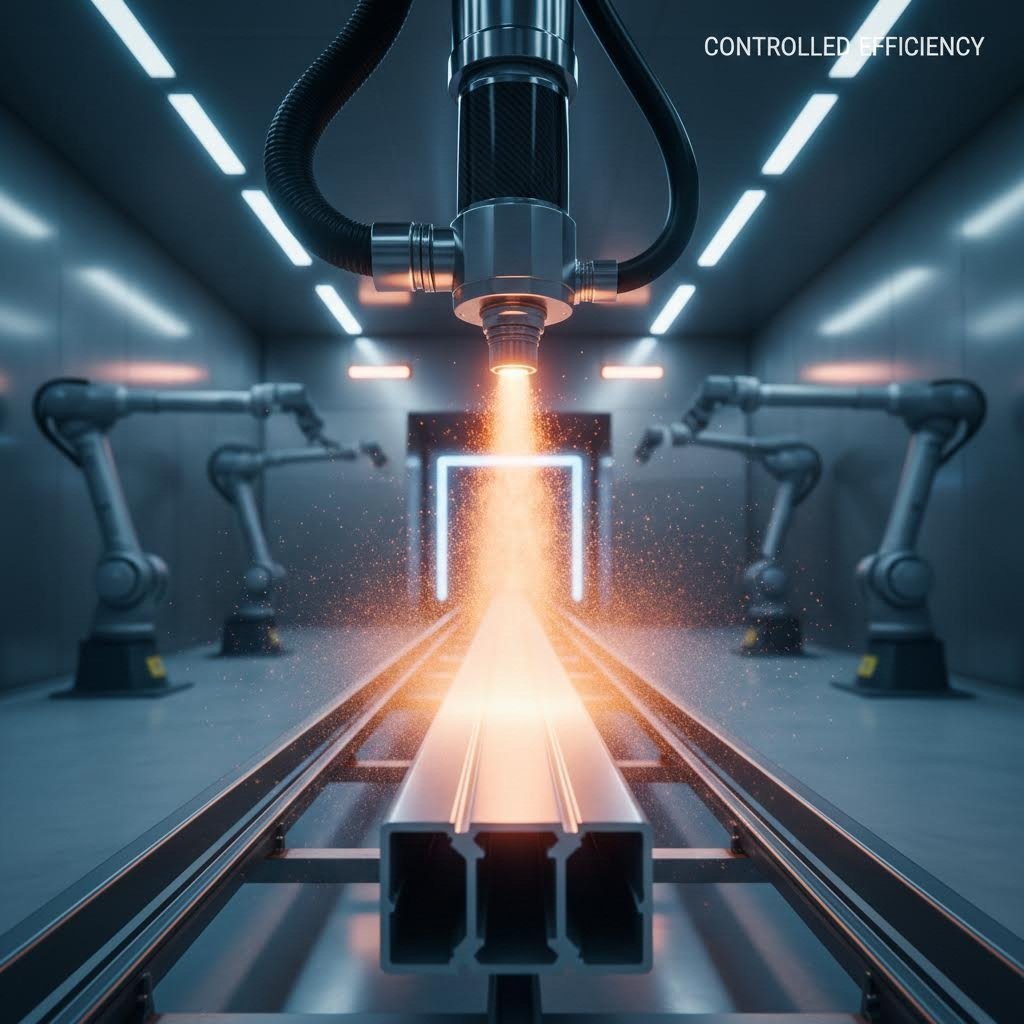
While anodizing transforms aluminum's own surface into a protective layer, applied coatings take a different approach—they add entirely new materials on top of prepared aluminum surfaces. Powder coating and liquid paint finishes represent the two primary methods for coating aluminum extrusions, each offering distinct advantages depending on your project requirements.
Think of applied coatings as armor you're attaching to aluminum rather than armor you're growing from it. This fundamental difference opens possibilities anodizing simply cannot match, including unlimited color options, specialized textures, and performance characteristics engineered into the coating material itself.
Powder coating has revolutionized how manufacturers finish aluminum parts. The process uses finely ground particles of pigment and resin that carry an electrostatic charge. When sprayed onto a grounded aluminum extrusion, these charged particles cling uniformly to the surface—even wrapping around edges and into recessed areas.
After application, the coated extrusion enters a curing oven where temperatures between 160°C and 200°C cause the powder particles to melt, flow together, and chemically crosslink. This thermal curing creates a continuous, durable film that bonds tightly to the prepared aluminum surface. The result? Powder coated aluminum parts with exceptional resistance to chipping, scratching, fading, and wear.
How does powder coating compare to traditional wet paint? The differences are significant:
For most industrial and commercial applications, powder coating represents the preferred coating for aluminium surfaces when anodizing isn't required. The combination of durability, environmental responsibility, and cost-effectiveness makes it an excellent all-around choice.
When standard powder coatings can't meet demanding performance specifications, specialty liquid coatings step in. PVDF (polyvinylidene fluoride) coatings—sold under brand names like Kynar and Hylar—represent the gold standard for architectural aluminum applications requiring exceptional longevity.
PVDF coatings deliver performance that sets them apart from conventional finishes:
You'll find PVDF-coated aluminum on building curtain walls, storefronts, and architectural panels worldwide. When project specifications demand aluminium protective coating performance measured in decades rather than years, PVDF delivers.
Here's what many specifications overlook: even the best coating will fail if applied to poorly prepared aluminum. Surface preparation isn't optional—it's the foundation that determines whether your finish lasts years or peels within months.
Proper pre-treatment for coating aluminum involves multiple steps:
The chromate conversion coating step deserves special attention. This treatment creates a thin, corrosion-resistant film (typically 0.5 to 5 microns) that bonds chemically with both the aluminum substrate and subsequent coatings for aluminium. Without this conversion layer, coatings rely solely on mechanical adhesion—and that's simply not enough for demanding applications.
Modern environmental regulations have driven development of non-hexavalent chromium alternatives. These newer conversion coating chemistries meet increasingly strict requirements while still providing the adhesion and corrosion protection that make chromate pre-treatment so valuable.
The relationship between pre-treatment quality and coating performance cannot be overstated. A premium powder coat or PVDF finish applied over inadequate preparation will underperform a standard coating applied over proper pre-treatment every time. When specifying coatings for aluminium extrusions, always confirm your supplier's pre-treatment protocols meet industry standards.
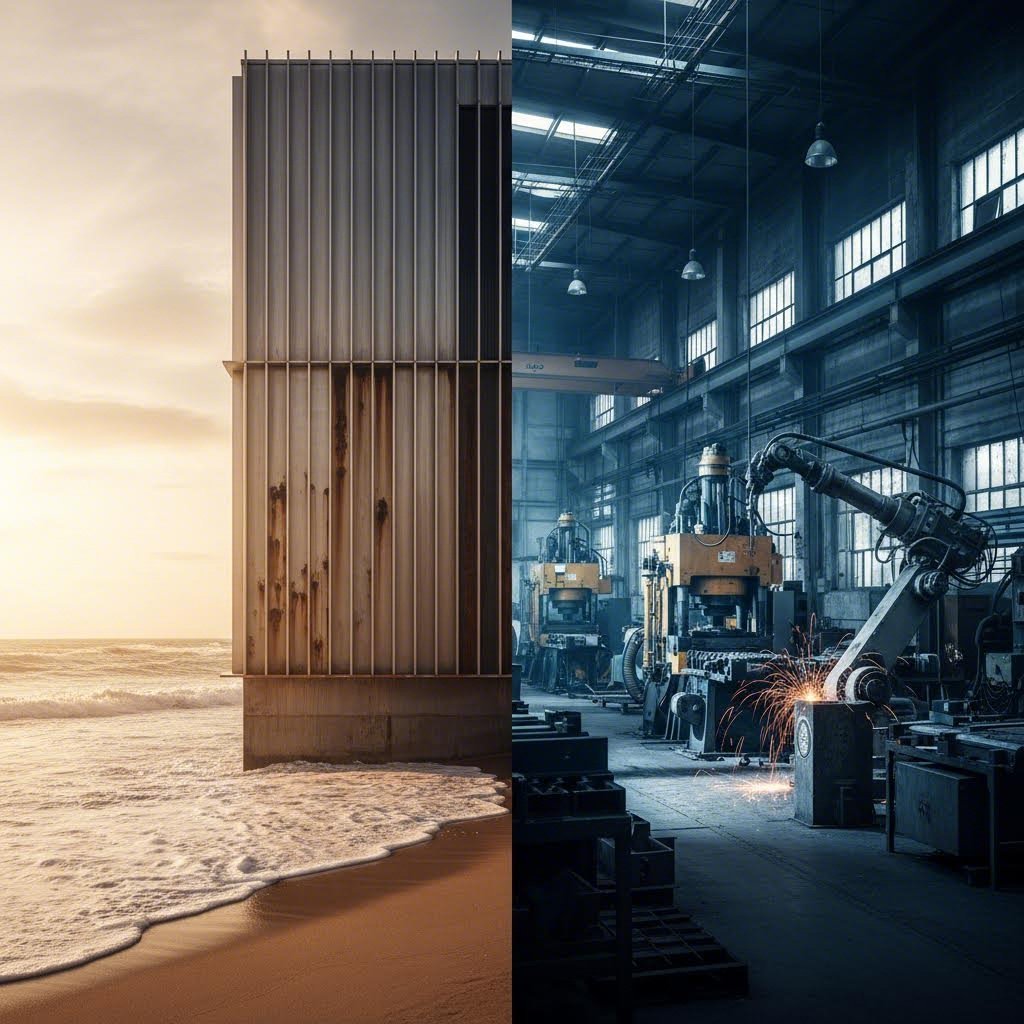
You've learned about the finish types available—now comes the critical question: which one fits your specific situation? The same aluminum extrusion profile might demand completely different protective coatings for aluminum depending on where it's installed and what conditions it faces. A window frame destined for a Miami beachfront condo requires dramatically different protection than an identical profile heading to a Minnesota office building or an offshore oil platform.
Environmental factors don't work in isolation. Coastal locations combine salt spray with intense UV exposure. Industrial facilities may present chemical fumes alongside temperature cycling. Understanding how these factors interact helps you specify finishes that perform reliably throughout your product's intended lifespan rather than failing prematurely under conditions you didn't anticipate.
Coastal environments represent some of the harshest conditions aluminum extrusions face. Salt spray and airborne chloride deposits act as aggressive corrosion accelerators. According to testing data, significant airborne depositions of chloride from ocean spray have been found more than 50 miles away from the coastal shore—meaning "coastal" conditions extend far beyond beachfront properties.
What makes salt so damaging? It's the chloride ions that attack aluminum's protective layers, breaking down finishes and exposing the base metal to accelerated oxidation. This process intensifies when moisture collects in seams, cut ends, or concave profile sections that trap saline solutions and prolong exposure.
For aluminum extrusions in coastal applications, finish specifications must meet stringent performance standards:
Profile design also impacts coastal performance. Avoid concave areas that collect water, ensure adequate drainage through properly sized weep holes, and always complete machining, bending, and shaping operations before finishing—cut edges and drilled holes expose unprotected aluminum that becomes vulnerable to salt attack.
A matt aluminum finish or satin finish aluminium can work beautifully in coastal settings when properly specified, but the underlying protective system matters more than the aesthetic choice. Whether you prefer the subtle elegance of an aluminium satin finish or the contemporary look of matte textures, ensure the base protection meets coastal-grade specifications.
Different industries prioritize different performance characteristics. An aerospace manufacturer obsesses over weight and fatigue resistance. An architect focuses on color stability and aesthetic longevity. A marine equipment builder demands maximum corrosion protection above all else. Understanding these priorities helps you align finish selection with real-world requirements.
| Industry | Primary Concerns | Recommended Finishes | Key Performance Factors |
|---|---|---|---|
| Architectural | UV stability, color retention, aesthetic longevity | PVDF coatings (AAMA 2605), Class I anodizing | 20-30 year color warranties, fade resistance, consistent appearance across large installations |
| Automotive | Chip resistance, chemical exposure, temperature cycling | Powder coating, electrophoretic coating, Type II anodizing | Stone chip resistance, fuel and solvent resistance, thermal stability from -40°C to +120°C |
| Aerospace | Weight, fatigue life, precision tolerances | Type I chromic anodizing, Alodine (chromate conversion), thin-film primers | Minimal dimensional change, maintained electrical conductivity, paint adhesion for overcoating |
| Marine | Salt spray resistance, moisture tolerance, anti-fouling | PVDF coatings, Type III hardcoat anodizing, epoxy primers with topcoats | Salt spray resistance exceeding 4,000 hours, barrier protection, resistance to marine growth |
| Consumer Electronics | Scratch resistance, fingerprint visibility, tactile feel | Type II anodizing, micro-arc oxidation, satin aluminum finish | Abrasion resistance, oil-resistant surfaces, premium aesthetic appeal |
Notice how the same basic protection need—corrosion resistance—translates into different finish specifications across industries. Aerospace applications favor thin chromic acid anodizing or Alodine (chromate conversion coating) that provide protection without adding weight or altering tight tolerances. Marine applications specify thicker, more aggressive protection that adds material but delivers the extended salt spray resistance critical for survival at sea.
Beyond obvious factors like salt exposure, several climate-related considerations frequently escape specification discussions:
UV intensity: Locations at higher altitudes or lower latitudes experience significantly more UV radiation. A matte aluminum finish or standard powder coating that performs adequately in Seattle may chalk and fade unacceptably in Phoenix or Denver. For high-UV environments, PVDF coatings or UV-stabilized powder formulations become essential rather than optional.
Temperature extremes: Aluminum and its coatings expand and contract with temperature changes. In climates with wide temperature swings, coating flexibility matters. Brittle finishes may crack during thermal cycling, while flexible coatings accommodate movement without failure. Type III hardcoat anodizing, despite its exceptional hardness, handles thermal cycling well because the oxide layer is integral to the aluminum substrate.
Industrial atmospheres: Manufacturing facilities, chemical plants, and urban environments expose aluminum to pollutants that accelerate finish degradation. Acidic rain, sulfur compounds, and industrial particulates attack coatings that perform perfectly in clean environments. When specifying finishes for industrial settings, consider chemical resistance alongside the usual durability metrics.
Humidity and moisture cycling: Constant high humidity differs from environments where moisture repeatedly condenses and evaporates. Cycling conditions concentrate contaminants and stress coating adhesion more severely than steady-state humidity. Finishes with robust pre-treatment and chromate conversion layers handle moisture cycling better than those relying solely on topcoat barrier protection.
The aluminum matte finish or satin aluminum finish you specify for appearance must sit atop a protective system matched to these environmental realities. Aesthetics without appropriate protection leads to premature failure and costly replacement—far more expensive than specifying the right finish from the start.
Here's a question that often catches engineers and designers off guard: why do two aluminum extrusions finished with identical anodizing processes sometimes look completely different? The answer lies beneath the surface—literally. The alloy composition of your bare aluminum directly determines how it responds to aluminum surface treatments, affecting everything from color consistency to protective performance.
When you select an aluminum alloy, you're not just choosing mechanical properties. You're also choosing finishing characteristics. The silicon, magnesium, copper, and trace elements within each alloy interact with chemical and electrochemical treatments in distinct ways. Understanding these relationships helps you avoid disappointing results and specify alloys that deliver both the structural performance and aluminum surface finish your application demands.
Anodizing doesn't treat all aluminum equally. The process converts aluminum atoms into aluminum oxide—but what happens when other elements are present at the surface? According to research from finishing industry experts, non-aluminum elements form intermetallic compounds that don't anodize under conventional conditions. Instead, the anodizing reaction proceeds around these particles, incorporating them into the oxide layer as non-coherent inclusions.
This behavior explains why alloy choice matters so much for decorative finishes. Consider the difference between major alloy families:
Even within a single alloy specification, trace element variations create finishing differences. Research documented cases where bicycle components made from alloy 7075—all within specification limits—anodized with dramatically different appearances. Components with equiaxed, recrystallized grain structures anodized clear and reflective, while those with segregated intermetallic phases appeared streaky and mottled. The culprit? Small shifts in iron, manganese, and vanadium content that affected microstructure development during processing.
So which types of extruded aluminum work best for your finishing needs? The answer depends on whether you're prioritizing cosmetic appearance, structural strength, or a balance of both.
For decorative applications requiring flawless aluminum surface finish quality, the preferred alloy is 6063. This alloy's composition produces exceptionally uniform anodized layers that accept dyes consistently and display excellent clarity. Architectural extrusions, consumer electronics housings, and decorative trim typically specify 6063 when appearance matters most.
Common extrusion alloys and their finishing characteristics include:
Here's a critical consideration: if your project requires matching parts to look identical after anodizing, ensure they're manufactured from the same alloy batch. Variations between different material batches—even within the same alloy specification—can produce noticeable color differences after finishing. For high-visibility applications, discuss material sourcing with your extrusion supplier early in the design process.
The relationship between alloy selection and aluminum surface treatments extends beyond anodizing. Powder coating and liquid paint systems are more forgiving of alloy variations since the coating masks the substrate. However, proper pre-treatment (cleaning, etching, and conversion coating) remains essential regardless of alloy choice—and some alloys respond to pre-treatment chemistries differently than others.
Understanding these alloy-finish relationships gives you a significant advantage when specifying aluminum extrusions. Rather than discovering finishing problems after production, you can select alloys that deliver predictable, consistent results aligned with your project's aesthetic and performance requirements.
You've invested in quality aluminum treatment and specified the right finish for your application—but your work isn't finished. How you maintain that finish over the coming years determines whether it delivers decades of reliable performance or fails prematurely. The good news? Most aluminum finishes require surprisingly little maintenance when you follow the right protocols.
Here's what many specifications overlook: maintenance requirements vary dramatically between finish types. The cleaning solution that keeps powder coated aluminum looking pristine could damage an anodized surface. The inspection interval appropriate for interior applications might miss early degradation signs on exterior installations. Understanding these differences helps you protect your investment and avoid costly mistakes.
Regular cleaning removes contaminants before they can degrade your finish. But "regular" means different things for different environments—and "cleaning" requires different approaches for different aluminium treatment types.
Anodized Aluminum Maintenance:
Coated Aluminum Maintenance (Powder Coat and Paint):
Mill Finish and Mechanical Finish Maintenance:
Cleaning frequency depends heavily on environment. Coastal installations may require monthly rinsing to remove salt deposits. Urban buildings accumulate pollutants that warrant quarterly cleaning. Interior applications in clean environments might need attention only annually.
Even well-maintained finishes eventually show wear. Catching degradation early gives you options—waiting until failure is obvious often means expensive replacement rather than economical repair.
Common finish failures and what causes them:
When to refinish versus replace:
Refinishing makes economic sense when the aluminum substrate remains sound and degradation affects only the surface finish. Aluminium coated with quality systems can often be stripped and recoated multiple times. However, if corrosion has pitted the base metal significantly, or if the profile has suffered structural damage, replacement becomes the better investment.
Establish inspection intervals based on your environment and finish type. Exterior architectural installations warrant annual professional inspections. Industrial equipment in harsh environments may need quarterly evaluation. Document conditions over time—gradual changes that escape casual observation become obvious when compared to baseline photographs.
The time you invest in proper maintenance pays dividends in extended service life and preserved appearance. A well-maintained finish doesn't just look better—it continues protecting the aluminum beneath, preventing the expensive substrate damage that forces premature replacement.
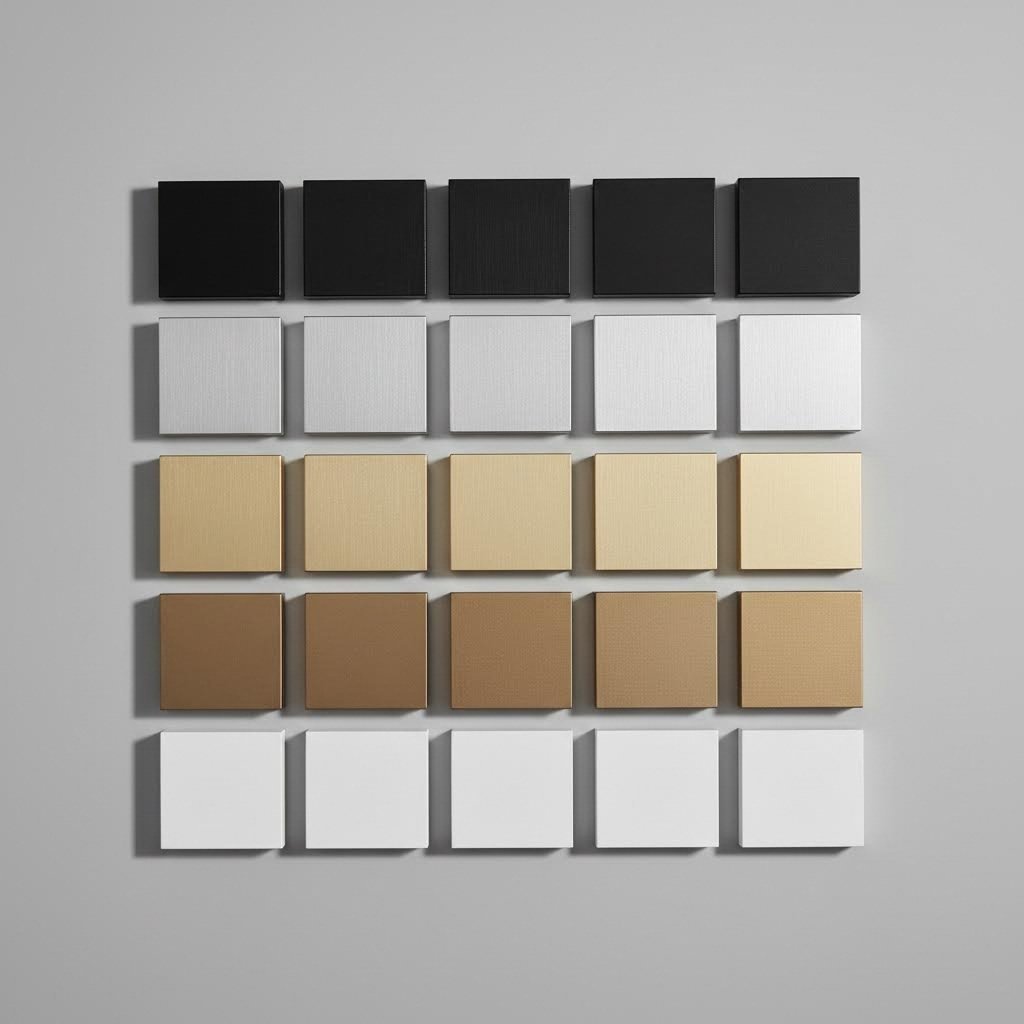
You've explored the full range of aluminum extrusion finishes, understood how environments affect performance, and learned why alloy selection matters. Now comes the practical challenge: how do you translate all this knowledge into the right specification for your specific project? Making confident finish selection decisions requires a systematic approach—one that evaluates your requirements methodically rather than defaulting to whatever worked on your last project.
The finish you specify affects more than immediate appearance. It influences manufacturing lead times, total project costs, maintenance burdens for years to come, and ultimately whether your product succeeds or fails in its intended application. Getting this decision right matters.
Before diving into aluminum finishes charts or requesting quotes, step back and clearly define what you actually need. These foundational questions guide every subsequent decision:
Answering these questions honestly—resisting the temptation to over-specify—positions you to select finishes that deliver genuine value rather than paying for performance you don't actually need.
Every finish selection involves tradeoffs. Understanding the relative cost relationships between aluminium coatings helps you allocate budget where it delivers the most value.
While specific pricing varies by supplier, volume, and geographic location, the cost hierarchy between finish types remains remarkably consistent:
Here's the critical insight: the cheapest finish that meets your requirements represents the best value—not necessarily the most expensive option available. Over-specifying wastes money without delivering additional benefit. Under-specifying creates failures that cost far more than the initial savings.
Consider total lifecycle costs, not just initial finishing expenses. A premium alu coating that eliminates maintenance for twenty years may cost less overall than an economy finish requiring frequent cleaning, touch-up, and eventual replacement.
How you communicate finish specifications directly impacts the results you receive. Vague requests lead to misunderstandings; overly rigid specifications may unnecessarily limit options or increase costs.
When working with aluminum extrusion suppliers, provide:
Manufacturers with integrated finishing capabilities simplify this communication considerably. Rather than coordinating between separate extrusion and finishing vendors, you work with a single partner responsible for the complete process. Companies like Shengxin Aluminium exemplify this integrated approach, offering comprehensive surface treatment options including anodizing in custom colors like champagne and rose gold, powder coating, PVDF, and micro-arc oxidation—all backed by end-to-end support from die development through finished production.
This integration matters for quality control. When the same manufacturer handles extrusion and finishing, they understand how their specific alloy compositions respond to their finishing processes. They can coat aluminum profiles immediately after extrusion while surfaces are pristine, avoiding contamination that degrades adhesion when components sit in inventory awaiting transport to separate finishing facilities.
The best finish specification balances protection requirements, aesthetic goals, and budget realities—then communicates those needs clearly to manufacturing partners capable of delivering integrated solutions.
For readers seeking manufacturing partners with comprehensive finishing capabilities and the technical expertise to guide specification decisions, exploring suppliers who offer complete extrusion-to-finish services streamlines projects while improving quality outcomes. The questions you've learned to ask, combined with a capable manufacturing partner, position you to specify aluminum extrusion finishes with confidence.
You've now explored the complete landscape of aluminum extrusion finishes—from the science behind aluminum's natural oxide layer to the practical considerations that separate successful specifications from costly failures. But knowledge alone doesn't deliver results. What matters now is how you apply these insights to your next project.
The difference between adequate outcomes and exceptional ones often comes down to timing and partnerships. Aluminium surface finishing decisions made early in design prevent expensive corrections later. Working with experienced manufacturing partners transforms complex specifications into delivered solutions.
Before you move forward, let's crystallize the essential insights that should guide every finish specification decision:
Finish selection belongs at the beginning of your design process—not as an afterthought after structural and aesthetic decisions have already constrained your options.
This single principle prevents more problems than any other. When you consider aluminium finishes alongside alloy selection, profile geometry, and assembly requirements, you create designs optimized for successful finishing rather than fighting against decisions already locked in.
Your environment determines your baseline protection requirements. Everything else—color, texture, cost optimization—builds upon that foundation.
Whether you're specifying a satin aluminium finish for architectural elegance or hardcoat anodizing for industrial durability, environmental demands establish non-negotiable minimums. Aesthetic preferences can flex; protection requirements cannot.
Alloy composition and finish selection are inseparable decisions. The right alloy for your structural needs may not be the right alloy for your desired aluminum surface finishing results.
As you've learned, alloys like 6063 deliver exceptional decorative finishes while 6061 prioritizes strength with acceptable finishing characteristics. Making these choices together rather than sequentially avoids disappointing outcomes.
Armed with this knowledge, you're ready to take concrete action. But here's an important reality: even comprehensive understanding benefits from experienced guidance when specifications meet production realities.
Manufacturers with integrated extrusion and finishing capabilities offer advantages that separate vendors cannot match. When your partner handles everything from die development through aluminium surface finish application, you gain:
Suppliers like Shengxin Aluminium—with over 30 years of industry experience and comprehensive deep processing capabilities—exemplify this integrated approach. Their surface treatment options span anodizing in custom colors, powder coating, PVDF, and micro-arc oxidation, all backed by end-to-end support from initial design through mass production. For projects where factory-direct pricing and technical partnership matter, exploring such manufacturing relationships often proves more valuable than managing fragmented supply chains.
Whatever path you choose, evaluate your finish options based on the complete lifecycle requirements this article has outlined. Consider your environment honestly. Match alloys to finishing goals. Plan maintenance from the start. And remember that the specification decisions you make today determine performance outcomes for years—sometimes decades—to come.
Your aluminum extrusion project deserves a finish that protects, performs, and delivers lasting value. Now you have the knowledge to specify it confidently.
Aluminum extrusion surfaces can receive various finishes categorized into three main types: mechanical finishes (brushing, polishing, bead blasting), chemical/electrochemical finishes (anodizing, chromate conversion, etching), and applied coatings (powder coating, PVDF, liquid paint). Mill finish represents the raw, unfinished state directly from the extrusion press. Most commercial applications require additional treatment beyond mill finish for adequate protection and aesthetics.
The main alternatives to anodizing include powder coating for durable color options, PVDF coatings for exceptional UV resistance in architectural applications, chromate conversion coating for corrosion protection and paint adhesion, electroplating for specialized surface properties, and mechanical finishes like brushing or polishing for aesthetic effects. Selection depends on your specific requirements for durability, appearance, environmental exposure, and budget considerations.
Type II sulfuric acid anodizing creates oxide layers of 5-25 microns, offering balanced corrosion resistance with excellent color acceptance—ideal for architectural and consumer products. Type III hardcoat anodizing builds layers of 25-150 microns with exceptional hardness approaching tool steel, suited for industrial machinery, hydraulic components, and high-wear applications. Choose Type II for decorative needs and Type III when wear resistance is paramount.
Alloy composition directly impacts finishing outcomes because non-aluminum elements form intermetallic compounds that don't anodize uniformly. Alloy 6063 produces the cleanest decorative finishes due to its evenly distributed magnesium silicide precipitates. Copper-rich 2000 series and zinc-containing 7000 series alloys can produce streaky or mottled appearances. For cosmetic consistency, specify 6063 for decorative anodizing or ensure parts come from the same material batch.
Coastal applications require finishes meeting stringent salt spray resistance standards. PVDF coatings conforming to AAMA 2605 specifications undergo 4,000+ hours of salt spray testing and carry 20-30 year warranties. Class I anodizing per AAMA 611 must withstand 3,000 hours of salt spray exposure. Proper profile design avoiding water-trapping concave areas, combined with regular freshwater rinsing to remove salt deposits, extends finish life in aggressive marine environments.



 บริการออนไลน์
 0086 136 3563 2360
 sales@sxalu.com
 +86 136 3563 2360
 ไทย
ไทย English
 français
 Deutsch
 русский
 español
 português
 العربية
 Việt
Việt Українська