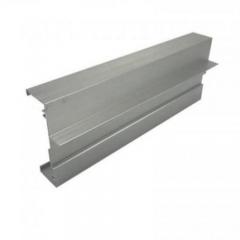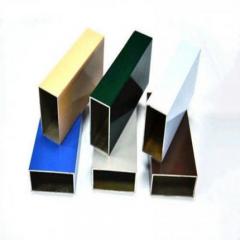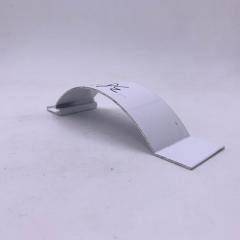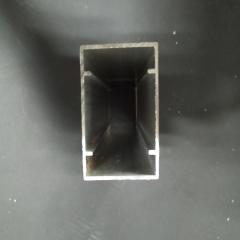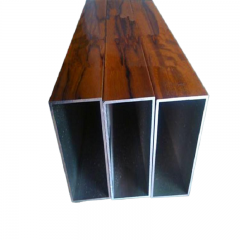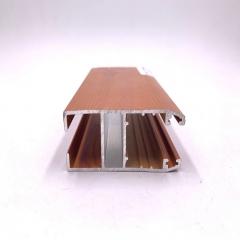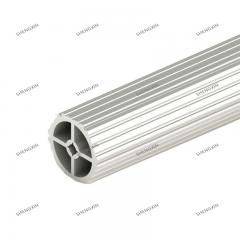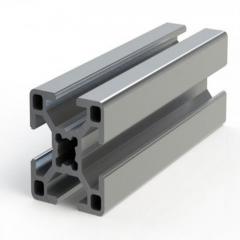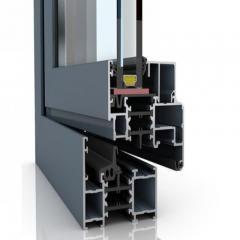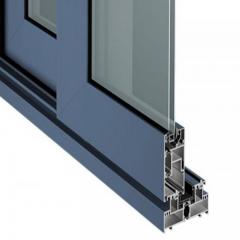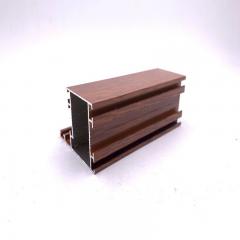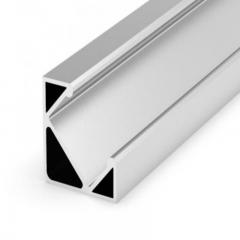
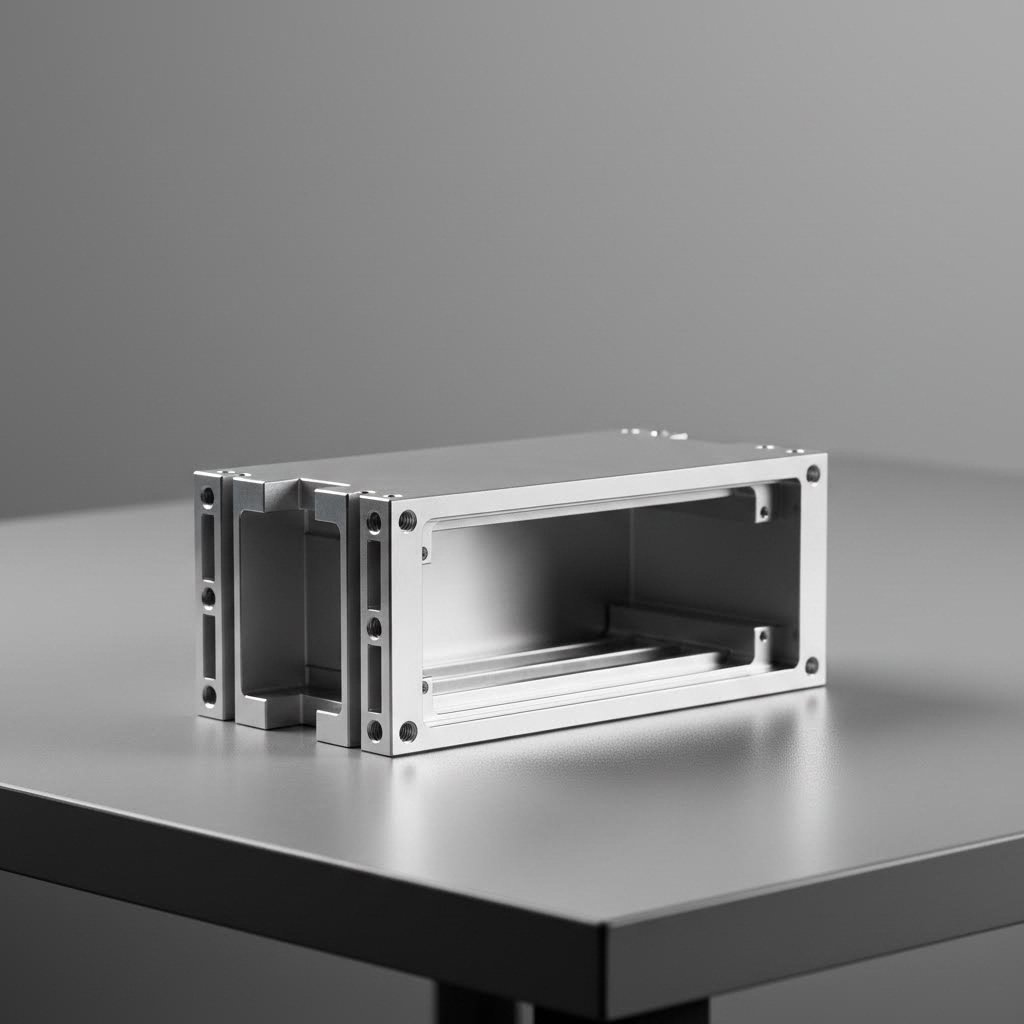
When you're designing housing for sensitive electronic components, the manufacturing method you choose matters just as much as the material itself. An aluminum extrusion electronic enclosure offers something unique: a seamless protective shell created through a continuous forming process that delivers remarkable consistency. But what exactly happens during this process, and why does it outperform alternatives like die-casting or sheet metal fabrication?
Imagine squeezing toothpaste from a tube—that's essentially how manufacturers extrude aluminum to create enclosures. The process begins with a cylindrical aluminum billet, typically heated to around 400-500°C. At this temperature, the metal becomes malleable without melting completely. A hydraulic ram then applies immense pressure—sometimes up to 15,000 tons—forcing the heated aluminum through a specially designed steel die.
The die determines the final cross-sectional shape of your enclosure. As the aluminum passes through, it emerges with a perfectly uniform profile that maintains identical dimensions along its entire length. This is where the magic happens for electronics applications. Unlike die-casting, which involves pouring molten metal into molds and can create internal porosity, the extrusion method produces solid, dense material throughout.
After exiting the press, the newly formed profile undergoes rapid cooling through fans or water baths—a step called quenching. This locks in the shape and prepares the material for straightening. Each profile is then stretched to meet precise dimensional standards before being cut to the required lengths. The result? A consistent, high-quality extruded aluminum enclosure ready for secondary operations like machining and finishing.
So why do engineers consistently choose this method when they need to protect circuit boards, power supplies, and sensitive instrumentation? The answer lies in what the continuous extrusion process delivers that other methods simply cannot match.
When you compare an extruded aluminium enclosure to sheet metal alternatives, the difference becomes clear immediately. Sheet metal enclosures require bending, welding, and joining—each connection point represents a potential weakness. In contrast, when manufacturers extrude aluminum through a die, they create a seamless shell with no joints along the primary structure. This seamless construction is critical for electronic component protection because it eliminates potential entry points for dust, moisture, and electromagnetic interference.
The uniform wall thickness achieved through extrusion also plays a crucial role. Every section of your aluminum extrusion enclosure maintains identical thermal properties, ensuring consistent heat dissipation across the entire surface. This predictability is essential when designing thermal management solutions for power electronics or processors that generate significant heat.
The extruded aluminum enclosure also excels in applications requiring medium to high production volumes with consistent dimensions. While die-casting might make sense for complex three-dimensional shapes at very high volumes, extrusion offers a compelling balance of customization capability and per-unit economics. For electronics manufacturers producing hundreds or thousands of identical units, this translates directly to predictable costs and reliable delivery schedules.
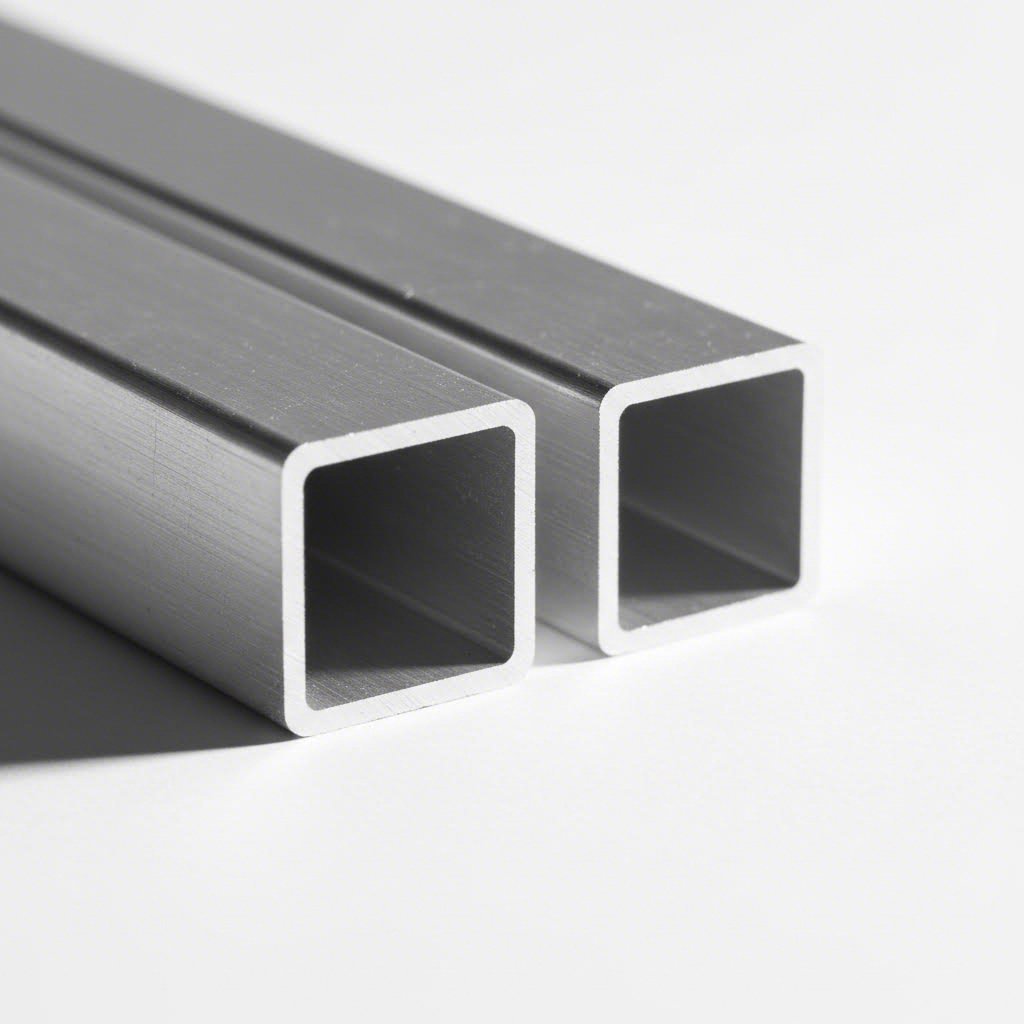
Choosing the right aluminum enclosure box for your electronics project isn't just about dimensions—it's about understanding the technical specifications that directly impact performance. From alloy selection to wall thickness tolerances, these details determine whether your enclosure will adequately protect sensitive components, manage heat effectively, and integrate seamlessly with your PCB design. Let's break down the specifications that matter most.
Not all aluminum is created equal. When sourcing an extruded aluminum case, you'll encounter two primary alloy options: 6063 and 6061. Both belong to the 6xxx series containing magnesium silicide, but their distinct properties make them suited for different applications.
Aluminum 6063 is often called the "architectural alloy" for good reason. According to Orange Aluminum, it's the most extrudable aluminum alloy available, which translates to finer details, smoother surfaces, and more complex profile shapes. For electronic enclosures, this means clean lines and excellent surface finish quality right out of the press. The alloy also anodizes beautifully, creating uniform color and enhanced corrosion protection—particularly valuable for equipment exposed to humidity or outdoor conditions.
What about strength requirements? Aluminum 6061 steps in when structural demands increase. With a tensile strength of 290 MPa (42,060 psi) compared to 6063's 186 MPa (26,977 psi), this alloy handles greater mechanical stress. You'll find 6061 in applications where the aluminum casing must support additional mounted equipment, withstand vibration, or serve structural purposes beyond simple protection.
Here's a practical way to think about it: if your aluminium extrusion case will sit in a controlled environment and aesthetics matter, 6063 is likely your best choice. If the enclosure faces mechanical stress, heavy component loads, or rugged handling, consider 6061 despite its slightly reduced surface finish quality.
| Characteristic | Aluminum 6063 | Aluminum 6061 |
|---|---|---|
| Extrudability | Excellent—most extrudable alloy, allows complex profiles and fine details | Good—suitable for standard extrusions but less intricate shapes |
| Tensile Strength | 186 MPa (26,977 psi) | 290 MPa (42,060 psi) |
| Corrosion Resistance | Excellent—anodizes easily for superior protection | Good—chromium content provides decent resistance |
| Surface Finish Quality | Superior—smooth, uniform appearance ideal for visible applications | Good—may show slight extrusion marks |
| Typical Applications | Architectural enclosures, consumer electronics, telecommunications equipment, display housings | Industrial controls, structural housings, aerospace components, load-bearing applications |
Wall thickness in an aluminium extrusion box directly affects three critical performance factors: structural integrity, thermal behavior, and overall weight. Getting this specification right requires balancing competing requirements.
Standard wall thicknesses for electronic enclosures typically range from 1.5mm to 4mm, though custom profiles can accommodate thinner or thicker options based on specific needs. Thinner walls reduce weight and material costs—important considerations for portable devices or applications where every gram matters. However, thinner profiles offer less rigidity and reduced EMI shielding effectiveness at certain frequencies.
Thicker walls provide enhanced structural support for mounting heavy components and improved thermal mass for heat dissipation. A 3mm wall conducts and spreads heat more effectively than a 1.5mm wall, making it preferable for power electronics that generate significant thermal loads. The trade-off? Increased weight and higher material costs per unit.
Tolerances matter just as much as nominal dimensions, especially when mounting PCBs and precision components. According to ANSI H35.2-2024, dimensional tolerances for aluminum mill products follow established standards that ensure predictable fit and assembly. For extruded enclosures, typical wall thickness tolerances fall within ±0.1mm to ±0.25mm depending on the profile complexity and extruded aluminum sizes selected.
Why does this precision matter for electronics? Consider a PCB that slides into integrated card guides within the extrusion profile. If wall thickness varies beyond acceptable limits, the board may fit too loosely—compromising thermal contact and vibration resistance—or too tightly, making assembly difficult and risking damage during installation. Tight tolerances ensure reliable, repeatable assembly across your entire production run.
When specifying your enclosure, discuss tolerance requirements with your manufacturer early in the design process. Critical dimensions for component mounting typically warrant tighter tolerances than areas where variation has minimal functional impact, and understanding this distinction helps optimize both performance and cost.
Ever wonder why your smartphone doesn't interfere with your car's navigation system, or why medical equipment operates reliably despite being surrounded by wireless signals? The answer often lies in electromagnetic shielding—and for electronic enclosures, aluminum provides a natural defense that many engineers overlook when evaluating housing options. An aluminum electronics enclosure does more than protect components from physical damage; it creates a conductive barrier that blocks electromagnetic interference from disrupting sensitive circuits.
Electromagnetic interference (EMI) and radio frequency interference (RFI) occur when unwanted electromagnetic energy disrupts electronic device operation. This energy can enter from external sources—think cell towers, motors, or nearby electronics—or radiate outward from your own device, potentially affecting surrounding equipment. Either scenario creates problems, from data corruption to complete system failure.
Aluminum's shielding capability stems from its excellent electrical conductivity. When electromagnetic waves encounter a conductive barrier like an aluminum enclosure for electronics, two primary mechanisms come into play: reflection and absorption. According to Chomerics' EMI Shielding Theory guide, the effectiveness of any shield depends on the relative mismatch between the incoming wave impedance and the shield's surface impedance. Since aluminum has an intrinsic impedance of only milliohms compared to free space's 377 ohms, most electromagnetic energy reflects away rather than penetrating the enclosure.
The portion of energy that isn't reflected gets absorbed as it travels through the metal. This absorption follows what engineers call "skin depth"—the distance a wave must travel to be attenuated to approximately 37% of its original value. At higher frequencies, skin depth decreases dramatically, meaning even thin aluminum walls provide substantial attenuation. This explains why aluminum foil can block high-frequency signals effectively despite its minimal thickness.
For electric fields (high impedance sources), aluminum excels because the impedance mismatch causes most energy to reflect. Magnetic fields (low impedance sources) present more challenge since they're more closely matched to metal impedance, allowing more absorption and less reflection. This is why shielding against low-frequency magnetic fields typically requires thicker walls or specialized materials with high permeability.
Here's where theory meets practice. Even the most conductive electronic aluminium enclosure becomes ineffective if design details compromise its integrity. Every seam, opening, and joint represents a potential leakage path for electromagnetic energy. The key is maintaining electrical continuity across the entire enclosure surface.
Wall thickness directly influences shielding performance, particularly at lower frequencies. While high-frequency signals attenuate rapidly through thin aluminum, low-frequency magnetic fields require greater material thickness for adequate absorption. A wall thickness of 2-3mm typically provides excellent shielding across most frequencies encountered in commercial and industrial applications, though specific requirements vary based on your operating environment and regulatory standards.
Proper grounding establishes a reference potential and provides a path for induced currents to flow. Without adequate grounding, the enclosure can actually become an antenna, re-radiating the very interference you're trying to block. Ground connections should be low-impedance, short, and direct—avoiding long ground straps that introduce inductance at higher frequencies.
The relationship between frequency and shielding effectiveness isn't linear. At frequencies below approximately 20 kHz, absorption becomes the dominant shielding mechanism, making wall thickness critical. Above this range, reflection dominates, and even relatively thin aluminum provides excellent attenuation. For applications spanning wide frequency ranges—common in modern electronics with mixed digital and analog circuits—designing for worst-case low-frequency performance typically ensures adequate protection across the spectrum.
Understanding these principles transforms enclosure selection from guesswork into informed engineering. The next consideration for many applications involves protecting electronics from physical environmental hazards—which brings us to IP ratings and how enclosure design affects achievable protection levels.
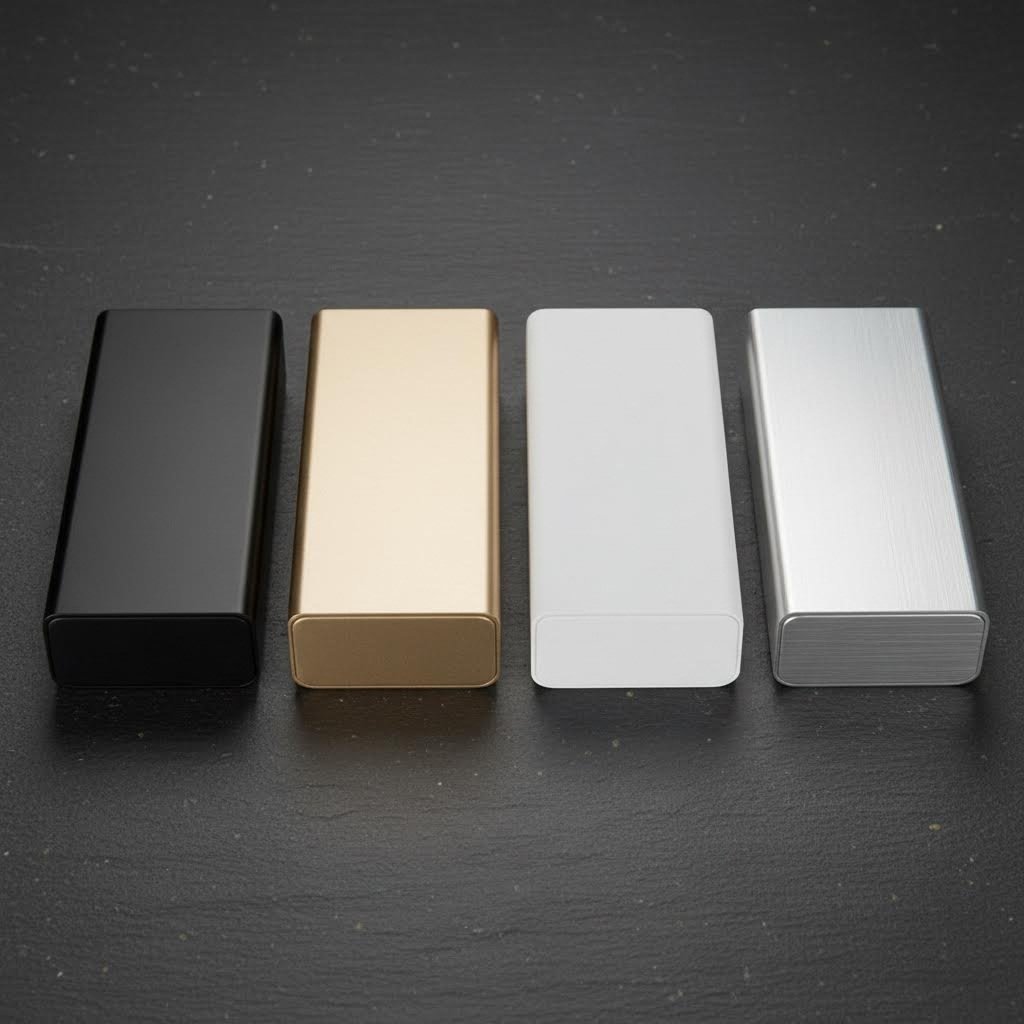
Choosing the right surface treatment for your aluminum enclosure goes far beyond selecting a color that matches your brand. Each finishing option fundamentally alters how the enclosure performs—affecting corrosion resistance, wear durability, electrical properties, and thermal behavior. When you understand what each treatment actually does at a molecular level, you can make informed decisions that extend product life and optimize functionality for your specific operating environment.
Anodizing stands apart from other finishes because it doesn't add a coating—it transforms the aluminum surface itself. According to Protolabs, the process involves immersing aluminum in an electrolytic bath and passing electrical current through it, causing oxygen atoms to bond with the metal surface. This creates aluminum oxide, a compound significantly harder than the base metal.
The result? A protective layer that's integral to the material rather than sitting on top of it. This means anodized finishes cannot peel or flake like paint or powder coating might under extreme conditions. For extruded aluminum enclosures housing sensitive electronics, this permanence translates to reliable long-term protection.
Type II anodizing creates a protective layer between 1.8 and 25 micrometers thick. This thickness range makes it ideal for applications where aesthetics matter alongside protection. The porous structure of Type II anodizing accepts dyes beautifully, enabling rich metallic colors from subtle champagne tones to deep blacks. You'll find this treatment on consumer electronics housings, telecommunications equipment, and architectural applications where visual appeal complements functional requirements.
Type III anodizing—often called hard coat—produces layers up to 150 micrometers thick, roughly ten times that of Type II. This thickness delivers exceptional wear and abrasion resistance, making it the preferred choice for industrial environments where enclosures face mechanical stress, repeated handling, or harsh cleaning procedures. The trade-off? Type III doesn't accept dyes as readily, typically resulting in darker, less vibrant colors. As Protolabs notes, this treatment is especially popular in aerospace, marine, and chemical industries where durability trumps aesthetics.
One critical consideration for electronic applications: anodizing creates an insulating oxide layer that reduces surface electrical conductivity. According to VMT CNC, this can be problematic for applications requiring high electrical performance. If your extruded aluminium case needs to maintain conductivity for EMI shielding effectiveness, you may need to mask contact areas during anodizing or specify conductive finishes at grounding points.
When your aluminium box enclosure faces extreme conditions—intense UV exposure, salt spray, chemical contact, or temperature extremes—organic coatings offer protection that anodizing alone cannot provide. Understanding the differences between powder coating and PVDF helps you match the finish to your environmental demands.
Powder coating applies electrostatically charged dry powder to the aluminum surface, which is then baked in an oven at 160-200°C for 15-20 minutes. According to LT Coating Line, this process creates a finish less prone to cracking than liquid paints because the ionized powder sinters permanently to the surface during baking. The minimum finished thickness of 60 micrometers provides robust protection against corrosion and wear.
Powder coating excels in color flexibility. Manufacturers can match virtually any color specification—RAL, NCS, or custom formulations—making it invaluable for branding purposes. Whether you need a specific corporate color across your product line or unique finishes for different product tiers, powder coating delivers consistency. Polyester-based powders dominate the market for standard applications, while polyurethane and fluoropolymer options address specialized requirements.
PVDF (Polyvinylidene Fluoride) coatings represent the premium tier for weather resistance. Typically formulated as 70% PVDF and 30% acrylic resins, these coatings dominate curtainwall and metal roofing markets because they withstand decades of UV exposure without significant degradation. For outdoor electronic enclosures—think telecommunications cabinets, traffic control equipment, or solar installations—PVDF provides unmatched longevity.
The chemical resistance of PVDF also surpasses anodizing in corrosive environments. Where anodized surfaces may eventually succumb to acidic pollutants in urban or industrial settings, PVDF maintains its integrity. However, this performance comes at a higher cost per unit, making it most appropriate for applications where enclosure replacement would be expensive or impractical.
Micro-arc oxidation (MAO) represents a specialized treatment gaining traction for demanding applications. This plasma electrochemical process creates ceramic-like oxide coatings with exceptional hardness and thermal resistance. While more expensive than conventional anodizing, MAO produces surfaces that withstand extreme temperatures and abrasive conditions better than traditional treatments.
| Finish Type | Typical Thickness | Durability | Color Options | Relative Cost | Best Applications |
|---|---|---|---|---|---|
| Type II Anodizing | 1.8-25 μm | Good corrosion and wear resistance | Wide range via dyeing—custom colors available including champagne, bronze, rose gold | Low-Moderate | Consumer electronics, indoor equipment, aesthetic-critical applications |
| Type III Anodizing | 13-150 μm | Excellent—extremely hard surface | Limited—typically dark gray to black tones | Moderate-High | Industrial controls, aerospace, marine equipment, high-wear environments |
| Powder Coating (Polyester) | 60-120 μm | Very good—resistant to chipping and scratching | Virtually unlimited—full RAL range plus custom matching | Moderate | Industrial enclosures, outdoor equipment, branded products |
| PVDF Coating | 25-40 μm | Outstanding UV and chemical resistance | Wide range with excellent color retention over decades | High | Telecommunications cabinets, coastal installations, long-service outdoor equipment |
| Micro-Arc Oxidation | 20-200 μm | Exceptional—ceramic-like hardness | Limited—typically white to gray | Highest | Extreme temperature applications, highly abrasive environments |
For manufacturers seeking comprehensive finishing capabilities, working with an integrated supplier simplifies the process significantly. Shengxin Aluminium's deep processing services offer an extensive array of surface treatments under one roof—including anodizing in custom colors like champagne and rose gold, powder coating, PVDF, and micro-arc oxidation. This end-to-end capability ensures consistent quality from extrusion through finishing while streamlining your supply chain.
The finish you select should match your enclosure's operating environment and functional requirements. Indoor equipment with moderate handling typically needs only Type II anodizing. Industrial settings with aggressive cleaning protocols may warrant Type III hard coat. Outdoor installations in coastal or polluted urban areas benefit from PVDF's superior weathering characteristics. And when branding consistency matters across your product line, powder coating's color flexibility becomes invaluable.
Understanding these options positions you to specify finishes that balance protection, aesthetics, and budget—ensuring your aluminum enclosures perform reliably throughout their intended service life while meeting the environmental protection standards your application demands.
You've selected the right alloy, specified appropriate wall thickness, and chosen a finish that will last. But here's a question that separates adequate enclosures from truly reliable ones: how well will your aluminium enclosure actually protect electronics from dust, moisture, and water exposure? This is where IP ratings become essential—yet surprisingly, many engineers encounter these specifications without fully understanding what they mean in practice.
IP stands for Ingress Protection, and as Integra Enclosures explains, this rating system was established by the International Electrotechnical Commission under IEC 60529 to provide clear, numerical benchmarks for enclosure protection. Unlike vague marketing terms like "waterproof" or "weather-resistant," IP ratings communicate precisely how well an aluminium enclosure for electronics can withstand environmental hazards.
The two-digit code works like this: the first digit (ranging from 0 to 6) indicates protection against solid objects—from large objects like hands down to microscopic dust particles. The second digit (ranging from 0 to 9) specifies liquid protection levels, covering everything from dripping water to high-pressure jets and prolonged submersion.
Consider IP67 as an example. The "6" means complete protection against dust ingress—no particles will enter the enclosure under any conditions. The "7" indicates the enclosure can withstand temporary immersion in water up to one meter deep for 30 minutes. Together, these digits tell you exactly what environmental conditions your extruded aluminium electronic enclosures can handle.
Here's what catches many engineers off guard: higher numbers aren't always better. According to Polycase, IP ratings aren't a "good-better-best" scale but rather a quantifiable measure matched to specific conditions. An IP66 enclosure might be perfect for one application while inadequate or overkill for another. The goal is matching protection to actual operating environment risks.
Selecting the right IP rating starts with honestly assessing your operating environment. Indoor controlled spaces rarely need more than IP54 protection. Your electronics face minimal dust exposure and virtually no water contact, so investing in IP67 ratings wastes budget without improving reliability.
Outdoor installations change the equation dramatically. Equipment mounted on building exteriors, in telecommunications cabinets, or alongside roadways encounters rain, wind-driven moisture, and seasonal temperature swings. IP65 provides adequate protection for most outdoor deployments, keeping dust out completely while shrugging off rain and occasional hose spray during maintenance.
Industrial environments demand careful evaluation. Food processing facilities with daily washdown procedures need IP66 enclosures that resist powerful cleaning jets. Manufacturing floors with coolant spray, oil mist, or aggressive cleaning chemicals may require similar or higher ratings. The question isn't just what conditions exist—it's what conditions might exist during worst-case scenarios.
Harsh environments push requirements further. Coastal installations face salt spray that accelerates corrosion even through minor moisture ingress. Mining operations combine dust, vibration, and water exposure. Wastewater treatment facilities present chemical exposure alongside submersion risk. For these applications, IP67 or IP68 ratings—combined with appropriate surface treatments—provide the margin of safety that prevents expensive failures.
The right level of protection means planning for the worst-case scenario—a system designed with appropriate protection from the start runs longer, with fewer interruptions, lower maintenance costs, and fewer emergencies.
Enclosure design details directly determine achievable IP ratings. Gaskets at every seam and access point maintain the seal between enclosure sections. According to Integra Enclosures, high-quality gaskets and strong sidewalls ensure the cover stays sealed to the base even under water pressure. Cable entry points represent common weak spots—improperly sealed cable glands can reduce an otherwise IP67-rated enclosure to IP54 performance or worse.
When you're uncertain between protection levels, err toward higher ratings. As Polycase notes, choosing IP68 over IP67 makes sense when submersion depth or duration isn't fully predictable. The cost difference is typically modest compared to the expense of field failures, emergency service calls, and damaged electronics. Your aluminium enclosure is the first line of defense protecting everything inside—and that defense is only as strong as its weakest point.
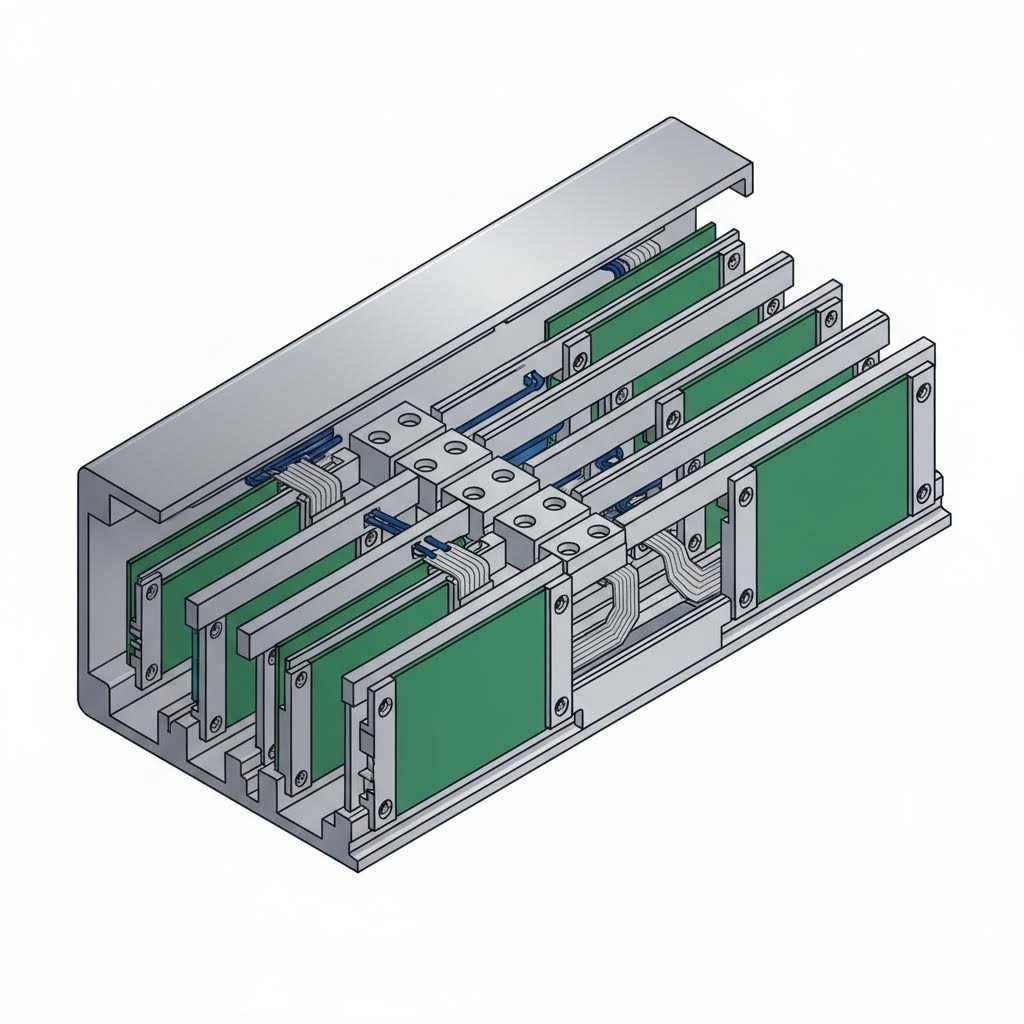
You've specified the perfect alloy, selected an appropriate IP rating, and chosen a finish that will last for years. But here's where many projects stumble: how will your PCB, connectors, and wiring actually fit inside that aluminum project enclosure? The internal layout determines not just whether components fit—but how efficiently you can assemble units, service them in the field, and adapt to future design changes. Getting this right from the start saves countless headaches down the production line.
One of the greatest advantages of extruded aluminum profiles is their ability to incorporate mounting features directly into the cross-section. Unlike sheet metal enclosures that require welded standoffs or added hardware, a well-designed extrusion can include integrated card guides that accept circuit boards with a simple slide-in motion.
Imagine assembling hundreds of units on a production floor. With integrated card slots, workers slide the PCB into position along precision-formed channels—no screws, no alignment jigs, no wasted time. The aluminum box PCB interface becomes elegant rather than frustrating. These guides also provide consistent positioning across every unit, ensuring reliable thermal contact between the board and enclosure walls for heat dissipation.
When card guides aren't practical for your design, mounting bosses offer an alternative. These raised cylindrical features—extruded as part of the profile or machined afterward—accept standard standoffs and screws for secure PCB attachment. The key is planning boss locations during the design phase, ensuring they align with mounting holes on your circuit board without interfering with component placement on the board's underside.
For applications requiring a custom PCB enclosure with maximum flexibility, threaded inserts pressed into machined holes provide adjustable mounting points. This approach accommodates PCB revisions where mounting hole locations may shift between design iterations—valuable when your electronics design is still evolving.
Every cable entering your enclosure represents both a functional necessity and a potential weak point. Connector placement affects more than aesthetics—it determines assembly sequence, serviceability, and even IP rating performance. Planning these details early prevents costly redesigns.
Connector cutouts are typically CNC-machined into the extruded end panels or side walls after the extrusion process. The beauty of aluminum project boxes lies in how readily they accept secondary machining operations. Standard connector patterns—D-sub, USB, Ethernet, power entry modules—can be machined with precision that ensures proper fit and gasket sealing.
Think about assembly sequence when positioning connectors. If technicians must connect internal cables before the PCB is installed, ensure adequate access. If certain connectors require frequent field access while others remain permanently connected, group them logically. Front-panel connectors typically face users; rear-panel connections often link to infrastructure and rarely need attention after installation.
Ventilation requirements add another layer of complexity. Electronics generate heat, and that heat must escape. Ventilation slots, perforated panels, or louvered openings allow airflow—but each opening potentially compromises dust and moisture protection. The solution? Position ventilation strategically, considering natural convection patterns. Warm air rises, so inlet vents near the bottom and outlet vents near the top promote passive cooling without fans.
When active cooling is necessary, fan mounting provisions become critical. Extruded profiles can incorporate features that accept standard fan sizes, complete with filtered intake paths that balance airflow against ingress protection. For sealed enclosures where ventilation isn't an option, thermal management shifts to conduction—transferring heat from components through the PCB and into the aluminum walls, which then radiate it to ambient air.
Cable management inside the enclosure often gets overlooked until assembly reveals tangled wiring blocking access to components. Integrated cable channels, tie-down points, and routing features built into the extrusion profile keep wiring organized. This organization speeds initial assembly, simplifies troubleshooting, and makes field service practical rather than frustrating.
Planning for future modifications separates good enclosure design from great enclosure design. Will your next product revision add a new connector? Reserve space now. Might you need additional mounting points for accessory boards? Include extra bosses during the initial extrusion die design. The marginal cost of adding features to an extrusion die is far less than redesigning and retooling later.
Field serviceability deserves equal attention. Can a technician replace a failed component without removing the entire assembly from its installation? Are test points accessible without disassembling multiple layers? These considerations influence how maintenance teams perceive your product—and ultimately affect total cost of ownership for your customers. When enclosure design anticipates real-world service scenarios, the result is equipment that remains productive throughout its operational life.
Now that you understand mounting considerations and internal layout planning, a crucial question remains: is an extruded aluminum box actually the right choice for your project? The answer depends on production volume, design complexity, budget constraints, and timeline pressures. Each manufacturing method—extrusion, die-casting, and sheet metal fabrication—excels in specific scenarios while presenting limitations in others. Understanding these trade-offs helps you make informed decisions that optimize both performance and cost.
Both extrusion and die-casting produce aluminum enclosures, but the similarities largely end there. According to Polycase, die-casting involves forcing molten metal into a closed mold to produce desired shapes, while extrusion pushes heated aluminum through a die to create consistent cross-sectional profiles.
What does this mean practically? Die-cast enclosures can achieve complex three-dimensional geometries—think curved surfaces, intricate details, and integrated features that would be impossible with extrusion. The molten metal fills every contour of the die, producing thin, lightweight walls with attractive surface finishes. You'll find die-cast aluminum enclosures protecting switchboards, meter cases, and healthcare instruments where EMI shielding and complex shapes matter.
The catch? Tooling costs. Die-casting molds represent significant upfront investment—often tens of thousands of dollars depending on complexity. This makes die-casting economically viable only at high production volumes where mold costs distribute across thousands or tens of thousands of units. Additionally, porosity from air entrapment during the casting process can create internal voids that affect structural integrity.
An aluminum extrusion case takes a fundamentally different approach. Rather than filling a three-dimensional mold, the process creates a consistent two-dimensional profile that can be cut to any length. This means lower tooling costs—custom extrusion dies typically cost a fraction of die-casting molds. For medium production volumes with consistent cross-sections, this cost advantage translates directly to better per-unit economics.
Extruded aluminum enclosure box designs also offer inherent benefits for electronics applications. The seamless construction eliminates potential leakage paths for moisture and EMI. Integrated features like card guides and mounting channels can be designed into the profile, simplifying assembly. And according to Polycase, extruded enclosures make PCB installation faster because boards can easily slide into place—a significant advantage on production floors assembling hundreds of units.
Heat dissipation represents another area where extrusion shines. The solid, dense material produced through extrusion conducts heat efficiently from internal components to exterior surfaces. Die-cast enclosures can offer similar thermal performance, but the potential for internal porosity may create inconsistent thermal paths.
Sheet metal enclosures occupy a different niche entirely. According to Offshore Direct Metals, sheet metal working involves cutting, bending, and joining flat metal pieces to create three-dimensional housings. This approach offers maximum flexibility for unique designs and low-volume production.
Need just 50 enclosures with a specific configuration? Sheet metal fabrication can deliver without the tooling investment that extrusion or die-casting requires. Laser cutting, welding, and machining transform standard sheet stock into custom housings—all using general-purpose equipment rather than application-specific dies. This flexibility makes sheet metal ideal for prototypes, limited production runs, and designs that may change frequently.
However, sheet metal carries significant disadvantages for electronics applications. Every bend creates stress concentrations. Every weld introduces potential weak points. Joints between panels require additional sealing for environmental protection. And the labor-intensive nature of cutting, bending, and joining operations drives up per-unit costs at higher volumes.
There's also a durability consideration. As Offshore Direct Metals notes, when some grades of aluminum sheet metal are welded, the metal can lose strength at the weld zone—compromising the structural integrity of your enclosure. Extruded aluminum box enclosures avoid this entirely because the main body requires no welding.
Where does sheet metal truly excel? Applications requiring large flat surfaces for extruded aluminum panels or aluminum extrusions for panels—think control panel backplates, rack-mount chassis, or equipment requiring extensive front-panel real estate. Combining extruded profiles for structural elements with sheet metal panels for accessibility can leverage the strengths of both approaches.
| Factor | Extruded Aluminum | Die-Cast Aluminum | Sheet Metal Fabrication |
|---|---|---|---|
| Tooling Cost | Moderate—custom dies range from hundreds to several thousand dollars | High—complex molds often cost tens of thousands of dollars | Low to none—uses general-purpose cutting and bending equipment |
| Minimum Order Quantity | Low to medium—economical from dozens to thousands of units | High—typically requires thousands of units to justify mold investment | Very low—practical for single units through small batches |
| Design Flexibility | Excellent for consistent cross-sections; limited for complex 3D shapes | Excellent for complex 3D geometries and intricate details | Maximum flexibility for unique designs; labor-intensive for complexity |
| Typical Lead Time | 2-6 weeks for custom dies; faster for standard profiles | 8-16 weeks for mold development and sampling | 1-3 weeks for typical fabrication |
| Per-Unit Cost at Low Volume | Moderate—tooling amortizes across fewer units | Very high—mold cost heavily impacts unit economics | Moderate to high—labor-intensive operations add cost |
| Per-Unit Cost at High Volume | Low—efficient process with minimal labor | Very low—rapid production once mold exists | High—labor costs don't scale down significantly |
| Best Applications | Medium-volume electronics enclosures with consistent profiles, thermal management requirements | High-volume consumer products, complex housings, thin-wall applications | Prototypes, low-volume production, large panel assemblies, frequently changing designs |
So which method should you choose? The decision often comes down to three questions. First, what's your anticipated production volume? Extruded aluminum enclosures hit the sweet spot for medium volumes—hundreds to thousands of units where tooling costs amortize reasonably but die-casting economics don't yet apply. Second, does your design require a consistent cross-section, or do you need complex three-dimensional features? Extrusion excels at the former while die-casting handles the latter. Third, how quickly do you need production units? Sheet metal's minimal tooling requirements deliver fastest initial turnaround, while die-casting's extensive mold development extends timelines significantly.
Many successful products combine approaches strategically. An extruded aluminum housing might incorporate die-cast end caps for complex connector arrangements, or sheet metal brackets for internal mounting flexibility. The key is recognizing that each manufacturing method represents a tool in your design toolkit—and selecting the right tool for each component of your enclosure system.
You've compared manufacturing methods and understand which approach suits your volume and design requirements. But here's what separates a functional enclosure from the right enclosure: understanding how your specific industry shapes every specification decision. Electronic aluminum enclosures protecting industrial PLCs face fundamentally different challenges than those housing medical diagnostic equipment or telecommunications gear mounted on cell towers. Let's explore what each industry demands—and the compliance standards you'll need to navigate.
Factory floors are unforgiving environments. Extruded aluminum enclosures electronics in industrial settings must withstand vibration from nearby machinery, temperature swings from process heat, and exposure to oils, coolants, and cleaning agents. According to A Affordable Aluminum, aluminum enclosures protect equipment from environmental factors while ensuring longer operational lifespans—critical when unplanned downtime costs thousands of dollars per hour.
Vibration resistance becomes paramount in these applications. Motors, presses, and conveyors generate constant mechanical stress that can loosen fasteners, fatigue solder joints, and cause intermittent connection failures. Enclosures must provide rigid mounting for PCBs while dampening transmitted vibration. Thicker wall sections and secure card guide systems help maintain component integrity over years of continuous operation.
Thermal management presents another challenge. Industrial controls often operate in ambient temperatures exceeding 40°C, while the electronics inside generate additional heat. The excellent thermal conductivity of aluminum—roughly 205 W/m·K—allows enclosure walls to serve as passive heat sinks, conducting heat away from critical components without requiring active cooling that introduces additional failure points.
Telecommunications infrastructure operates around the clock in locations ranging from climate-controlled data centers to roadside cabinets baking in summer sun. Aluminium enclosures for this sector must deliver decade-long reliability under conditions that would quickly destroy lesser housings.
Outdoor durability tops the requirement list. According to industry sources, aluminum's long lifespan and ability to withstand harsh weather make it excellent for external installations in telecommunications applications. UV-resistant finishes like PVDF prevent degradation from constant sun exposure, while IP66 or IP67 ratings protect against driving rain and occasional flooding.
EMI shielding takes on heightened importance when enclosures house sensitive radio frequency equipment. Base stations, repeaters, and networking gear must neither emit interference that disrupts neighboring systems nor suffer from external RF energy. The seamless construction of extruded profiles—combined with proper gasket selection at access points—delivers the shielding effectiveness these applications demand.
Medical device enclosures operate under regulatory scrutiny that goes far beyond typical industrial requirements. Cleanability becomes essential—surfaces must withstand repeated disinfection with harsh chemicals without degrading. According to A Affordable Aluminum, aluminum's resistance to corrosion makes enclosures safe and hygienic even in sterile medical environments.
Consumer electronics prioritize aesthetics alongside functionality. Surface finish quality matters when enclosures are visible to end users, making 6063 alloy with Type II anodizing a popular choice. Weight considerations affect portable devices, while cost pressures demand efficient manufacturing—areas where extruded aluminum enclosures excel.
Test and measurement equipment presents unique challenges: precision instruments require enclosures that provide EMI shielding without introducing their own interference, maintain dimensional stability across temperature ranges, and offer easy access for calibration and maintenance.
Compliance isn't optional—it's the price of market access. Understanding key regulations helps you specify enclosures that won't create procurement headaches or block product launches.
RoHS 3 (Restriction of Hazardous Substances) limits specific hazardous materials in electrical and electronic equipment sold in the EU. According to Cofactr, this directive restricts substances including lead, mercury, cadmium, and hexavalent chromium to specified maximum concentrations. While the US and Canada lack direct equivalents, designing to RoHS 3 compliance generally satisfies environmental regulations across North American markets as well.
REACH (Registration, Evaluation, Authorization and Restriction of Chemicals) extends beyond electronics to cover all materials in a product—including enclosures, mechanical elements, and packaging. This EU directive intends to limit hazardous substances at both component and product levels. When sourcing aluminium enclosures, verify that your supplier provides REACH compliance documentation covering alloys, surface treatments, and any added materials like gaskets or hardware.
Industry-specific certifications add additional layers. Military specifications like MIL-STD-810 for environmental testing and MIL-STD-461 for EMI/EMC performance govern defense applications. Medical devices require compliance with standards like IEC 60601. Industrial equipment may need NEMA or IP ratings verified by accredited testing laboratories.
Manufacturers are responsible for proving compliance through documentation such as independent certification, conformity declarations from vendors, internal testing results, or third-party testing results.
What does this mean for procurement decisions? Request compliance documentation upfront. Reputable enclosure suppliers maintain current certificates and can provide material declarations covering RoHS and REACH status. For specialized applications, confirm that testing covers your specific requirements—an IP65 rating doesn't automatically extend to IP67, and MIL-STD-810 compliance for temperature doesn't guarantee vibration performance.
The investment in proper compliance verification pays dividends throughout your product lifecycle. Components that meet regulatory requirements from the start avoid costly redesigns, prevent shipment delays at customs, and protect your company from liability exposure. As you move from enclosure selection toward actual implementation, understanding the customization process becomes your next priority—transforming specifications into production-ready designs.
You've selected the right alloy, understood IP ratings, and compared manufacturing methods. Now comes the practical question: how do you transform your enclosure concept into production reality? Whether you need custom aluminum enclosures with unique cross-sections or modifications to standard profiles, understanding the customization process helps you communicate effectively with manufacturers, set realistic timelines, and control costs throughout development.
The journey from initial sketch to production-ready aluminum enclosure extrusion follows a well-established path—but the details matter enormously. Knowing what to expect at each stage prevents surprises and keeps your project on schedule.
Custom die development represents the first major decision point. When standard profiles don't meet your requirements, manufacturers create application-specific dies that produce exactly the cross-section you need. According to Testrite Aluminum, extrusion dies typically cost between $1,250 and $3,600 each, depending on whether they're solid or hollow profiles and their complexity. This investment buys you a tool that can produce thousands of identical profiles over its service life.
Want to know how to build an enclosure with extruded aluminum frame that perfectly matches your specifications? It starts with understanding what's possible. Hollow profiles—think rectangular tubes with integrated card guides—require more complex dies than solid shapes, extending both cost and lead time. Testrite notes that custom extrusions in mill finish typically require two months for solid profiles and three months for hollow ones, measured from design confirmation to shipping readiness.
Some manufacturers offer significantly faster turnaround. Zetwerk reports typical lead times of three to four weeks for manufacturing custom extrusion dies, with FAIR (First Article Inspection Report) samples shipped directly to customers for approval before production begins. This compressed timeline can make substantial differences when product launch schedules are tight.
Die design optimization represents an often-overlooked step that pays dividends throughout production. According to Zetwerk, tooling design considers manufacturing tolerances and typical wear from usage—ensuring your dies perform consistently over extended production runs. This upfront engineering saves time during process development and reduces the risk of out-of-tolerance components requiring rework.
Here's where extruded aluminum housing truly comes to life. The extrusion process creates your basic profile, but secondary operations transform it into a finished enclosure ready for electronics integration. Understanding these capabilities helps you design for manufacturability from the start.
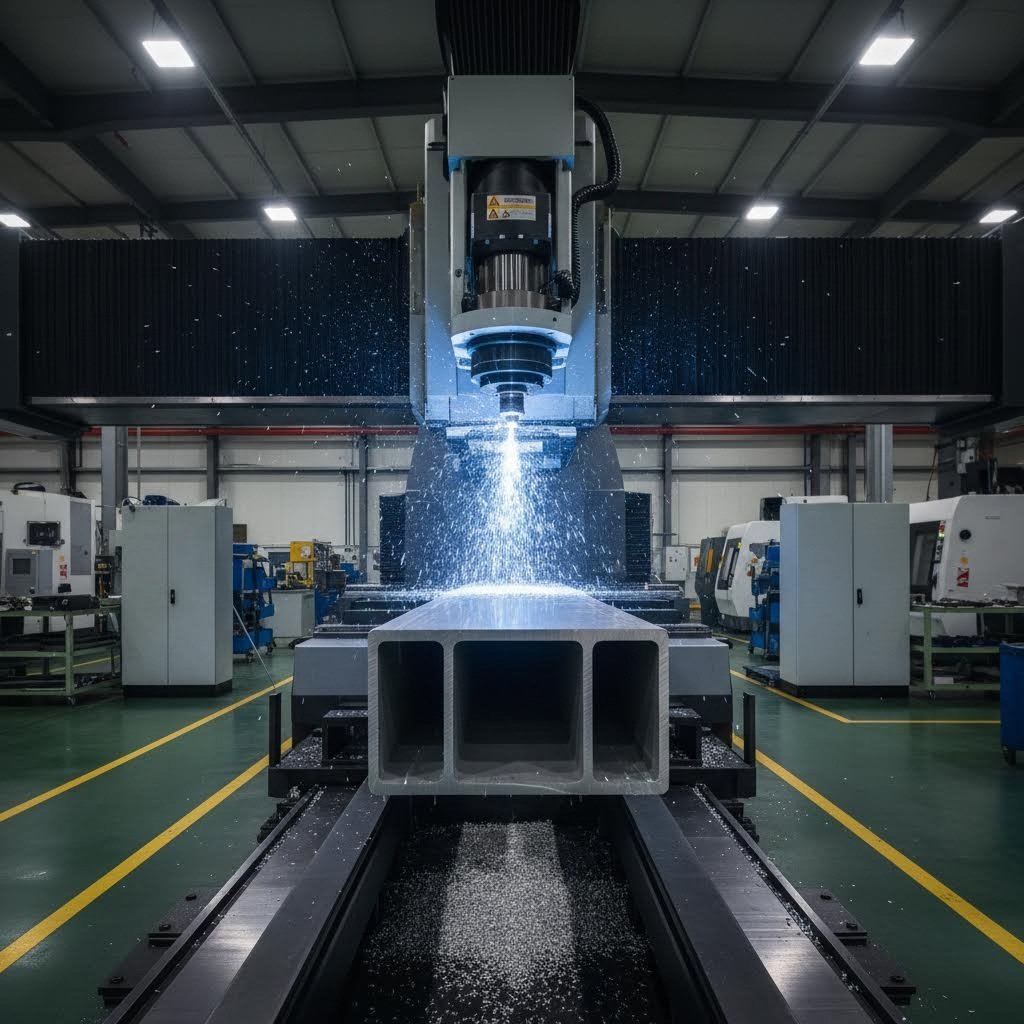
Extruded aluminum CNC machining adds the features that extrusion alone cannot provide. Connector cutouts, ventilation patterns, mounting holes, and threaded bosses—all emerge through precision machining operations after extrusion. According to Chalco Aluminum, combining custom extrusion with CNC machining allows manufacturers to produce customized final parts faster and more economically, especially when most parts share a consistent cross-sectional profile.
The range of secondary operations extends well beyond basic drilling and cutting:
Surface treatments complete the transformation. As covered earlier, options range from anodizing and powder coating to specialized treatments like PVDF for harsh environments. The sequence matters: machining typically precedes finishing, ensuring all features receive protective treatment.
Custom aluminum boxes require balancing performance requirements against practical constraints. Understanding the economics helps you make informed trade-offs.
Minimum order quantities vary significantly between suppliers and profile types. Chalco Aluminum specifies a 500kg minimum per specification for custom extrusions—a quantity that might represent hundreds or thousands of enclosure lengths depending on profile size. Standard profiles from distributor inventory often ship with no minimum, but limit your design options.
The cost structure for custom enclosures breaks into predictable components:
| Cost Element | Typical Range | Key Factors |
|---|---|---|
| Custom die development | $1,250 - $3,600+ | Profile complexity, hollow vs. solid, size |
| Extrusion per kg | Varies by alloy and volume | Alloy selection, order quantity, profile complexity |
| CNC machining | Per-operation pricing | Number of features, tolerance requirements, setup complexity |
| Surface finishing | Per-unit or per-area | Treatment type, color requirements, coating thickness |
Lead times compress dramatically when you select standard profiles. Off-the-shelf extruded aluminum housing ships within days rather than months—a compelling advantage for prototyping or urgent production needs. Reserve custom die development for applications where the performance benefits justify the timeline investment.
For projects requiring both speed and customization, consider a hybrid approach. Start with standard profiles closest to your requirements, then add custom machining for application-specific features. This strategy delivers functional prototypes quickly while custom die development proceeds in parallel for optimized production versions.
Not all extrusion suppliers offer equivalent capabilities. Experienced manufacturers with comprehensive facilities provide end-to-end support that simplifies your supply chain and ensures consistent quality.
What should you look for? According to Zetwerk, key capabilities include project management throughout the manufacturing process, tooling design optimization, FAIR approval protocols, and managed inventory for just-in-time delivery. Certifications matter too—AS 9100D and ISO 9001:2015 demonstrate commitment to quality systems that protect your project.
Shengxin Aluminium exemplifies this integrated approach with over 30 years of industry experience. Their facility houses 35 advanced extrusion presses ranging from 600T to 5500T capacity, plus state-of-the-art CNC machining centers capable of precise cutting, drilling, and bending. This combination of extrusion capability and secondary processing under one roof streamlines production from die development through mass production—eliminating coordination headaches between multiple suppliers.
The extensive surface treatment options available through integrated manufacturers—anodizing in custom colors, powder coating, PVDF, micro-arc oxidation—mean your enclosures arrive ready for assembly rather than requiring additional processing steps. This factory-direct model often delivers better pricing alongside simplified logistics.
When evaluating potential partners, request references from similar projects, confirm lead time commitments in writing, and verify that quality certifications cover your specific requirements. The right manufacturing relationship transforms custom enclosure development from a complex procurement challenge into a straightforward engineering collaboration—delivering aluminum extrusion electronic enclosures that meet your exact specifications on schedule and within budget.
An extruded aluminum enclosure is created by heating aluminum billets to 400-500°C and forcing them through a steel die under immense pressure (up to 15,000 tons). This continuous forming process produces seamless profiles with uniform wall thickness and consistent cross-sections. Unlike die-casting or sheet metal fabrication, extrusion eliminates joints and welds along the main body, providing superior structural integrity and environmental protection for sensitive electronics.
The two primary options are 6063 and 6061 aluminum alloys. 6063 is the most extrudable alloy, offering excellent surface finish quality and superior anodizing characteristics—ideal for consumer electronics and aesthetic-critical applications. 6061 provides higher tensile strength (290 MPa vs 186 MPa) for applications requiring structural support, heavy component loads, or rugged handling. Your choice depends on whether aesthetics or mechanical strength takes priority.
Aluminum's excellent electrical conductivity creates a natural barrier against electromagnetic interference through two mechanisms: reflection and absorption. The significant impedance mismatch between aluminum (milliohms) and free space (377 ohms) causes most electromagnetic energy to reflect away. Energy that penetrates gets absorbed as it travels through the metal. Effective shielding requires proper grounding, conductive gaskets at seams, and careful aperture control at ventilation holes and cable entry points.
IP ratings indicate protection against solids (first digit, 0-6) and liquids (second digit, 0-9). Indoor controlled environments typically need IP54. Outdoor installations facing rain require IP65 minimum. Industrial washdown areas demand IP66. Applications with flooding risk or submersion need IP67 or IP68. Remember that higher ratings aren't always better—match protection to your actual operating environment rather than over-engineering for conditions you won't encounter.
Custom extrusion dies typically cost between $1,250 and $3,600 depending on complexity, with hollow profiles costing more than solid shapes. Lead times range from 2-6 weeks for custom dies, with some manufacturers offering 3-4 week turnaround. Standard profiles ship within days from distributor inventory. Manufacturers like Shengxin Aluminium provide end-to-end support from die development through mass production, with 35 extrusion presses and CNC machining centers for complete enclosure fabrication.



 บริการออนไลน์
 0086 136 3563 2360
 sales@sxalu.com
 +86 136 3563 2360
 ไทย
ไทย English
 français
 Deutsch
 русский
 español
 português
 العربية
 Việt
Việt Українська