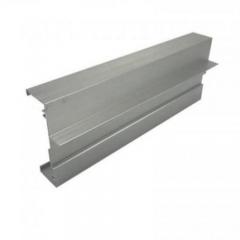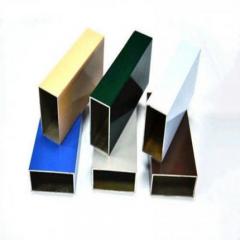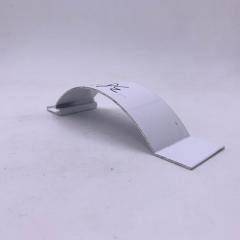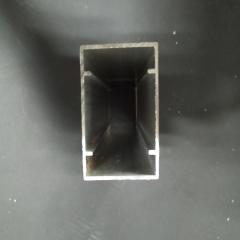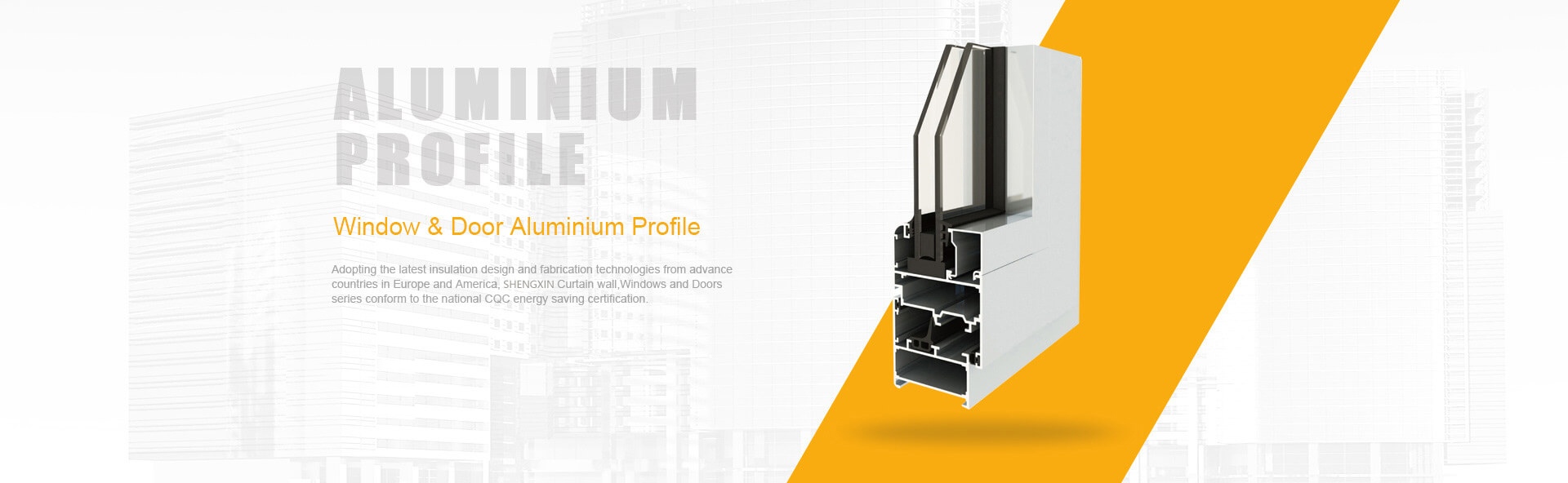
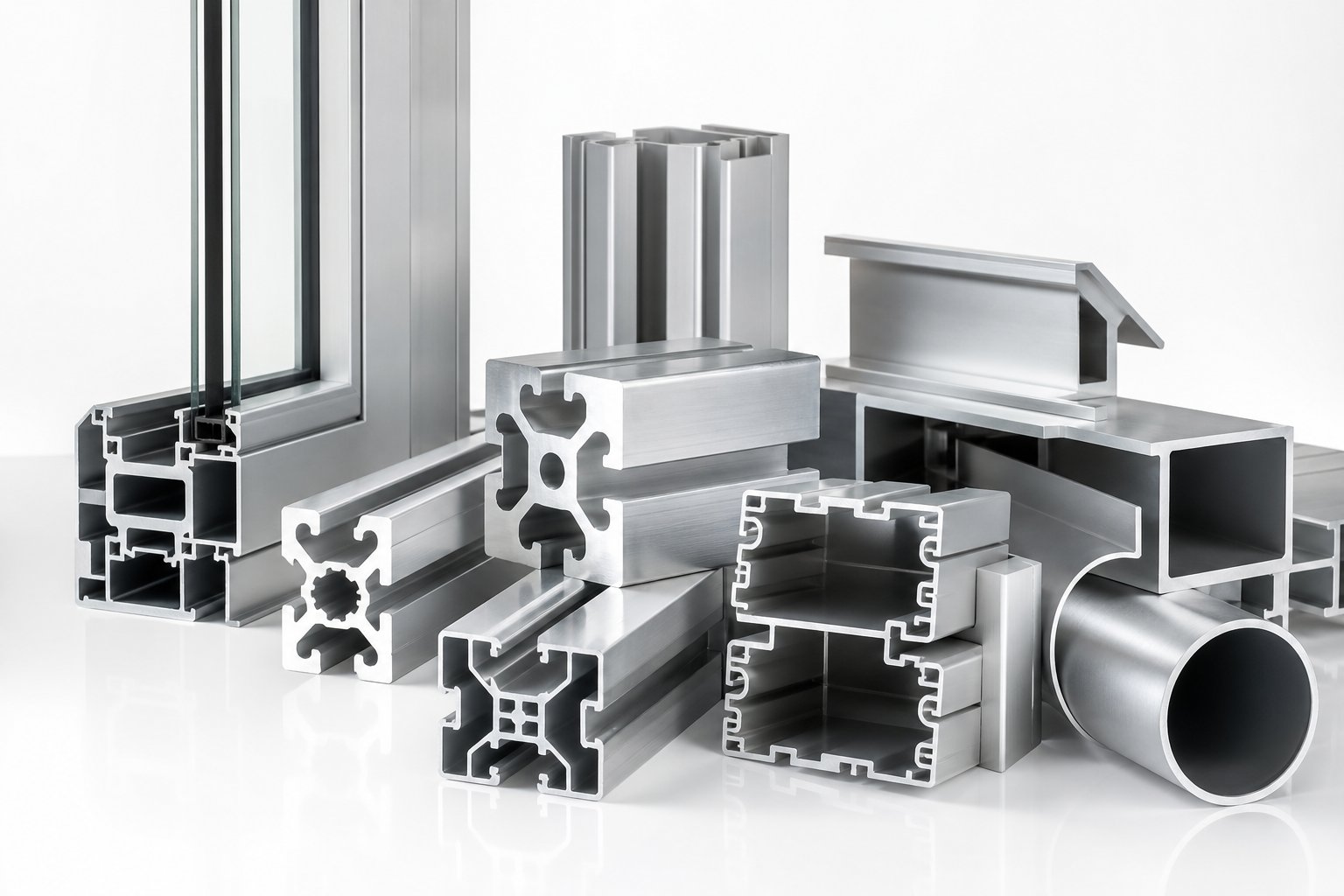
When you're searching for the ideal material for architectural profiles, window frames, or structural components, you'll likely encounter 6063-T5 aluminum extrusion. But what exactly does this designation mean, and why does it matter for your project?
6063-T5 aluminum extrusion is an aluminum-magnesium-silicon alloy that has been cooled from an elevated-temperature shaping process and artificially aged, delivering an optimal balance of strength, workability, and exceptional surface finish quality.
This specific alloy has earned its reputation as the go-to choice for visible applications where aesthetics and performance must work hand in hand. Unlike other aluminum alloys, 6063 T5 offers superior extrudability, meaning manufacturers can create intricate profiles with tight tolerances and smooth surfaces right off the press.
Imagine you need a material that extrudes smoothly, accepts anodizing beautifully, and still provides adequate structural strength. That's precisely where alloy 6063 shines. Its carefully balanced composition of magnesium and silicon creates a material specifically engineered for the extrusion process.
Here's what sets this alloy apart from its counterparts:
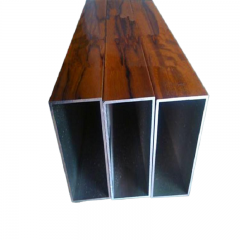
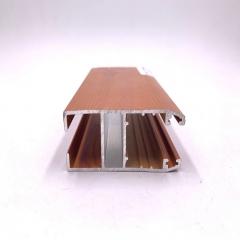
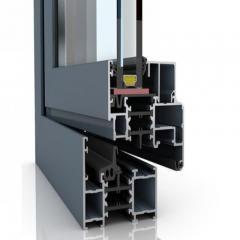
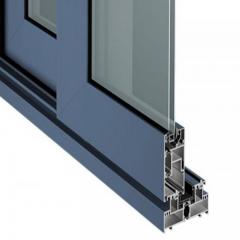
You'll notice that 6063-T5 frequently appears in applications where the finished product remains visible to end users. Window frames, door systems, curtain walls, and furniture components all benefit from this alloy's ability to deliver both form and function.
The "T5" portion of the designation is where many engineers and buyers get confused. Understanding this temper code is essential for making informed material selection decisions.
The T5 temper indicates a specific thermal processing sequence:
This process differs significantly from other temper designations. The T5 treatment takes advantage of the heat already present during extrusion, making it more economical than tempers requiring separate solution heat treatment. The result? You get a cost-effective material with predictable properties and excellent dimensional stability.
For most architectural and general-purpose applications, the 6063 T5 temper provides the perfect balance between processability, performance, and price point. It's the workhorse temper for applications where extreme strength isn't required, but consistent quality and beautiful finishes are non-negotiable.
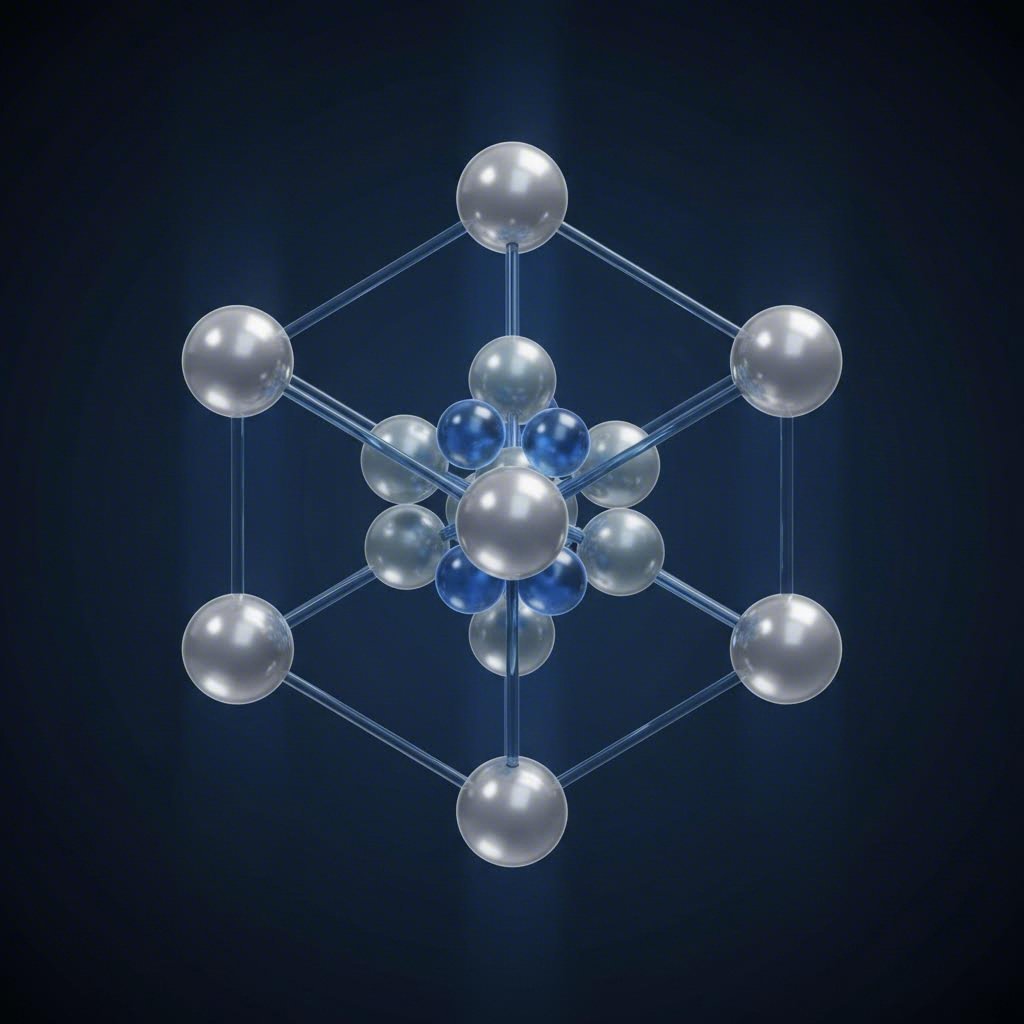
Ever wondered what actually goes into aluminum 6063 that makes it perform so reliably? The secret lies in its precisely controlled chemical composition. While many material guides mention that 6063 contains magnesium and silicon, few explain exactly how these elements work together to create the aluminium alloy 6063 properties you depend on.
Understanding the chemical makeup isn't just academic knowledge. When you're specifying materials for a critical project, knowing what's inside helps you predict performance, troubleshoot issues, and communicate effectively with suppliers.
The aluminum 6063 alloy follows strict compositional guidelines established by ASTM B221, the standard specification for aluminum and aluminum-alloy extruded bars, rods, wire, profiles, and tubes. Here's the complete breakdown:
| Element | Symbol | Percentage Range (%) | Primary Function |
|---|---|---|---|
| Aluminum | Al | Balance (97.5 min) | Base metal providing lightweight and corrosion resistance |
| Magnesium | Mg | 0.45 - 0.90 | Primary strengthening element with silicon |
| Silicon | Si | 0.20 - 0.60 | Forms Mg2Si precipitates for strength |
| Iron | Fe | 0.35 max | Impurity control; affects surface finish |
| Copper | Cu | 0.10 max | Limited to maintain corrosion resistance |
| Manganese | Mn | 0.10 max | Grain structure control |
| Chromium | Cr | 0.10 max | Stress corrosion resistance |
| Zinc | Zn | 0.10 max | Controlled to prevent corrosion issues |
| Titanium | Ti | 0.10 max | Grain refinement during casting |
| Other (each) | - | 0.05 max | Trace impurities |
| Other (total) | - | 0.15 max | Combined trace elements |
Notice how the major alloying additions remain relatively modest compared to higher-strength aluminum alloys. This conservative approach is intentional and directly contributes to the exceptional extrudability that makes 6063 so popular.
Each element in the 6063 composition plays a specific role in determining the final aluminium alloy 6063 properties. Understanding these relationships helps you appreciate why this alloy performs the way it does.
Magnesium and Silicon: The Power Duo
These two elements work synergistically to form magnesium silicide (Mg2Si) precipitates during the aging process. Think of these precipitates as microscopic obstacles that make it harder for the aluminum's crystal structure to deform under stress. The result? Increased strength without sacrificing the alloy's natural workability.
The carefully balanced ratio between magnesium (0.45-0.90%) and silicon (0.20-0.60%) ensures:
Trace Elements: Small Amounts, Big Impact
The maximum limits on trace elements aren't arbitrary. Iron, for instance, is kept below 0.35% because higher levels can create coarse intermetallic particles that disrupt surface finish quality. Copper remains below 0.10% to preserve the excellent corrosion resistance that makes 6063 suitable for outdoor architectural applications.
Titanium, though present in tiny amounts, serves as a grain refiner during the casting of extrusion billets. Finer grain structure translates to more uniform mechanical properties and better surface appearance after anodizing.
This precise chemical balancing act is what gives the alloy its characteristic combination of good strength, outstanding surface quality, and reliable corrosion performance. When you specify material to ASTM B221 standards, you're ensuring this composition is verified through mill certification, giving you confidence in the material's performance before it ever reaches your fabrication floor.
Now that you understand what goes into 6063 T5 aluminum, the next logical question becomes: how does it actually perform? Whether you're an engineer calculating load requirements or a designer evaluating material options, mechanical properties data drives your decision-making process.
The good news? Aluminum 6063 T5 offers well-documented, predictable performance characteristics that make specification straightforward. Let's break down the numbers and explain what they mean for your real-world applications.
The following table presents comprehensive mechanical properties data for aluminum alloy 6063 T5, compiled from industry-standard specifications:
| Property | Metric Value | Imperial Value | Test Standard |
|---|---|---|---|
| Ultimate Tensile Strength | 186 MPa | 27.0 ksi | ASTM E8 |
| Tensile Yield Strength | 145 MPa | 21.0 ksi | ASTM E8 |
| Elongation at Break | 12% | 12% | ASTM E8 |
| Modulus of Elasticity | 68.9 GPa | 10,000 ksi | ASTM E111 |
| Shear Strength | 117 MPa | 17,000 psi | ASTM B769 |
| Shear Modulus | 25.8 GPa | 3,740 ksi | Calculated |
| Fatigue Strength | 68.9 MPa | 10,000 psi | ASTM E466 |
| Poisson's Ratio | 0.33 | 0.33 | ASTM E132 |
| Hardness (Brinell) | 60 HB | 60 HB | ASTM E10 |
| Hardness (Vickers) | 70 HV | 70 HV | ASTM E92 |
| Hardness (Knoop) | 83 HK | 83 HK | ASTM E384 |
| Density | 2.70 g/cc | 0.0975 lb/in³ | ASTM B311 |
These values represent typical properties for properly processed material. Always request mill certification documents for critical applications where verified properties are essential.
Sounds complex? Let's translate these numbers into practical terms you can actually use.
Understanding Tensile Properties
The ultimate tensile strength of 186 MPa (27 ksi) represents the maximum stress this alloy can withstand before failure. The yield strength of 145 MPa (21 ksi) tells you when permanent deformation begins. For design purposes, you'll typically work with yield strength values and apply appropriate safety factors.
What does this mean practically? Consider these application scenarios:
Elongation: The Flexibility Factor
The 12% elongation at break indicates respectable ductility. This matters when you're bending profiles, forming complex shapes, or need the material to absorb energy without catastrophic failure. Aluminum 6063 T5 won't snap unexpectedly; it deforms gradually, providing warning before ultimate failure occurs.
Modulus of Elasticity: Stiffness Matters
At 68.9 GPa (10,000 ksi), the modulus of elasticity remains consistent across all aluminum alloys. This value determines how much a structural member deflects under load. When designing spans or cantilevers, you'll use this modulus in your deflection calculations regardless of which aluminum alloy you select.
Hardness Considerations
The Brinell hardness of 60 HB positions this alloy in the moderate range. It's hard enough to resist surface damage during handling and installation, yet soft enough to machine easily without excessive tool wear. For applications requiring higher surface hardness, anodizing can significantly increase wear resistance.
When comparing aluminum alloy 6063 T5 against project requirements, remember that these properties represent the sweet spot between workability and performance. You're not getting the maximum possible strength, but you are getting consistent, reliable properties combined with exceptional processing characteristics that reduce manufacturing costs.
You've seen the mechanical properties for 6063-T5 aluminum, but how do you know if it's the right choice for your project? The answer often comes down to comparing it against its stronger sibling: 6063-T6. Many material specifications mention both tempers, yet few explain the actual differences in processing, performance, and cost that should drive your selection.
Understanding this comparison isn't just about knowing the numbers. It's about matching the right temper to your specific application requirements while optimizing your project budget.
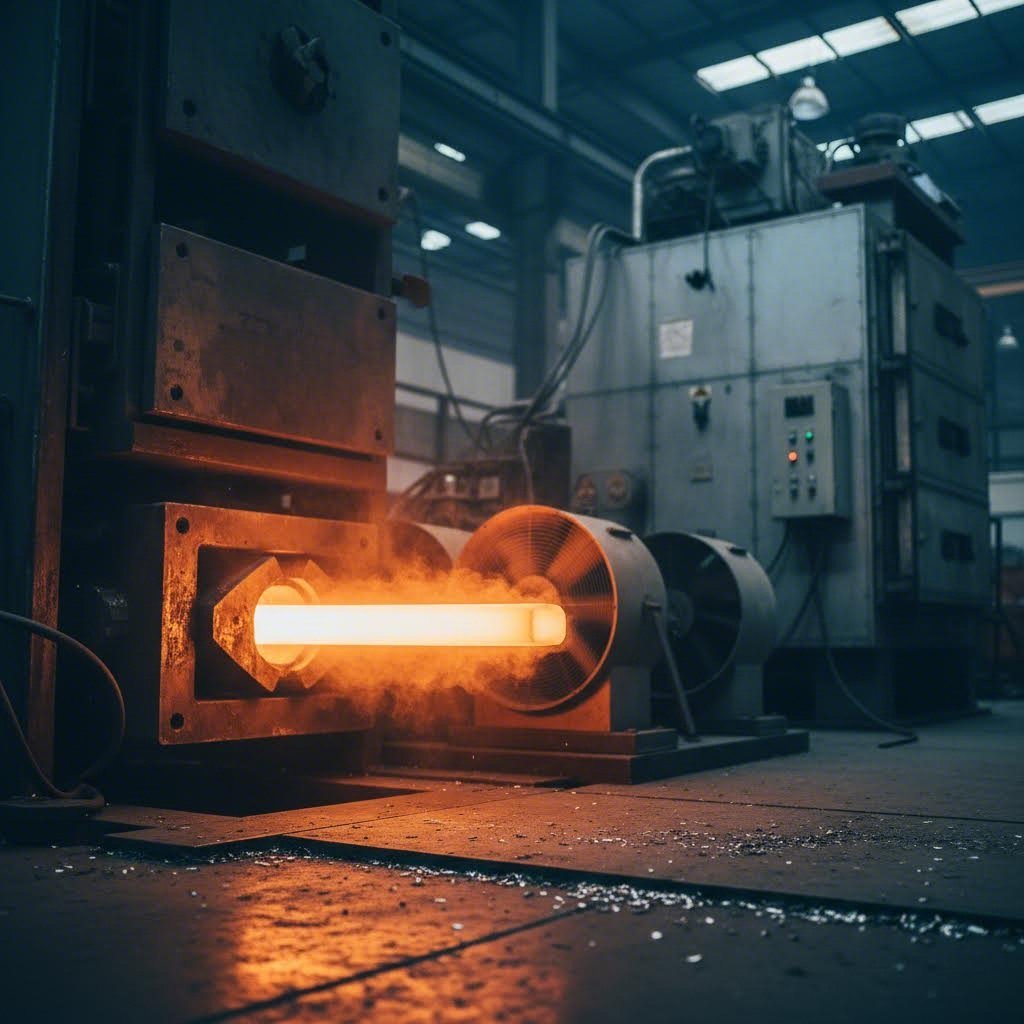
The fundamental difference between these tempers lies in how the aluminum is thermally processed after extrusion. While both involve artificial aging, the steps leading up to that aging stage differ significantly.
T5 Temper Process:
When producing 6063-T5 aluminum, the material follows a streamlined thermal path:
This process takes advantage of heat already present during manufacturing, eliminating the need for additional heating steps. The result? Lower energy consumption and reduced processing time.
T6 Temper Process:
The 6063 extrusion designated as T6 requires additional thermal treatment:
The extra solution heat treatment and water quench create a more uniform internal structure with finer, evenly distributed precipitates. According to industry sources, this difference in particle distribution is what gives T6 its superior strength and hardness characteristics.
Making the right temper selection requires balancing performance requirements against practical constraints. Here's a comprehensive comparison to guide your decision:
| Factor | 6063-T5 | 6063-T6 |
|---|---|---|
| Ultimate Tensile Strength | 186 MPa (27 ksi) | 241 MPa (35 ksi) |
| Yield Strength | 145 MPa (21 ksi) | 214 MPa (31 ksi) |
| Brinell Hardness | 60 HB | 73 HB |
| Elongation | 12% | 12% |
| Formability | Good - easier to bend | Limited - may crack when bent |
| Processing Cost | Lower | Higher (additional heat treatment) |
| Lead Time | Shorter | Longer |
| Corrosion Resistance | Excellent | Excellent |
| Typical Applications | Architectural, decorative, light structural | Structural, high-load, demanding environments |
Choose 6063 T5 aluminium when:
Choose 6063-T6 when:
Here's a practical way to think about it: if you're installing window frames in a commercial building, 6063-T5 aluminum provides more than adequate strength while keeping costs manageable. If you're designing structural supports for heavy equipment or components that face significant cyclic loading, the additional investment in T6 temper makes sense.
The strength difference between T5 and T6 is approximately 30%, but the cost difference typically ranges from 10-20%. Evaluate whether your application truly needs that extra strength before automatically specifying the higher temper.
Both tempers share the same excellent corrosion resistance characteristics, so environmental exposure shouldn't influence your temper selection. The deciding factors remain mechanical requirements, formability needs, and budget constraints.
With temper selection clarified, how does 6063 stack up against other popular aluminum alloys like 6061 when you need even higher performance?
You've now seen how 6063-T5 stacks up against its T6 counterpart, but what happens when your project demands even greater strength or different performance characteristics? That's when you need to look beyond temper variations and compare across the broader 6000-series aluminum alloy family.
The 6000-series alloys share a common foundation: they're all aluminum-magnesium-silicon alloys that respond well to heat treatment. However, subtle differences in their chemical composition create meaningful variations in strength, extrudability, and surface finish quality. Understanding these differences helps you avoid costly material substitution mistakes and ensures you're specifying the optimal alloy for your specific application.
This comparison comes up constantly in material selection discussions. Both alloys are workhorses of the aluminum industry, yet they excel in distinctly different areas.
Why does 6061 offer higher strength?
The answer lies in the chemistry. According to industry specifications, 6061 contains approximately 30-50% more magnesium and silicon than 6063. It also includes copper (around 0.25-0.28%) as an additional alloying element, which 6063 essentially lacks. This enhanced composition creates more magnesium silicide precipitates during heat treatment, resulting in significantly higher tensile and yield strength values.
Why choose 6063 aluminum extrusion over the stronger option?
Strength isn't everything. The extruded aluminum 6063 alloy offers advantages that often outweigh raw mechanical performance:
The tradeoff becomes clear: 6061-T6 delivers approximately 310 MPa tensile strength versus 186 MPa for 6063-T5, but that extra strength comes with reduced formability, rougher surface finish, and higher costs. For visible architectural applications, decorative trim, or complex profile geometries, 6063 remains the smarter choice.
Expanding beyond the 6063 versus 6061 comparison, let's examine how the extruded aluminum alloy options stack up across the full range of selection criteria. The 6005 alloy deserves attention as a "middle ground" option that bridges the gap between these two popular choices.
| Property/Factor | 6063-T5 | 6061-T6 | 6005-T5 |
|---|---|---|---|
| Tensile Strength | 186 MPa (27 ksi) | 310 MPa (45 ksi) | 260 MPa (38 ksi) |
| Yield Strength | 145 MPa (21 ksi) | 276 MPa (40 ksi) | 240 MPa (35 ksi) |
| Brinell Hardness | 60 HB | 95 HB | 75 HB |
| Elongation | 12% | 12% | 10-12% |
| Extrudability | Excellent | Moderate | Good |
| Surface Finish Quality | Excellent | Fair | Good |
| Anodizing Response | Excellent (bright finish) | Good | Good |
| Weldability | Good | Better | Excellent |
| Machinability | Moderate | Excellent | Fair |
| Corrosion Resistance | Excellent | Good (copper reduces slightly) | Good |
| Relative Cost | Lower | Higher | Moderate |
Notice how 6005-T5 sits between the other two alloys in most categories? As noted by aluminum industry experts, 6005 provides similar characteristics to 6061 but with better extrudability and surface appearance, making it appropriate when you need structural performance without sacrificing too much manufacturing efficiency.
When 6063-T5 is your optimal choice:
When 6061-T6 makes more sense:
When 6005-T5 offers the best compromise:
Remember: increasing mechanical properties within the 6000 series typically degrades surface finish quality and extrudability. Choose the minimum strength level that meets your requirements to optimize both cost and manufacturability.
One final consideration: formability after extrusion. If your fabrication process includes bending, stamping, or shaping operations, 6063-T5's higher plasticity gives it a significant advantage. The harder 6061-T6 is more prone to cracking during forming operations, potentially limiting your design options or requiring additional processing steps.
With a clear understanding of alloy selection now established, where exactly do these 6063 aluminum extrusion profiles find their way into real-world applications?

With alloy selection and temper decisions behind you, the practical question becomes: where does 6063-T5 aluminum extrusion actually get used? The answer spans virtually every industry where lightweight, corrosion-resistant profiles with attractive finishes are valued. From the window frames in your office building to the aluminum t slot workstation on a factory floor, this versatile alloy shows up in more places than you might expect.
What makes this material so universally applicable? The properties we've discussed translate directly into real-world advantages. That 186 MPa tensile strength handles structural loads in architectural applications. The excellent extrudability creates complex profiles at competitive costs. The superior anodizing response delivers finishes that look professional for decades. Let's explore how different industries leverage these characteristics.
The architectural sector consumes more 6063-T5 than any other industry, earning this alloy its nickname: "architectural aluminum." When you walk through a modern commercial building, you're likely surrounded by this material.
Why does architecture favor this alloy?
Buildings require materials that perform structurally while maintaining visual appeal over decades of exposure. The combination of adequate strength, excellent corrosion resistance, and beautiful finish quality makes 6063-T5 the natural choice for visible building components.
According to industry sources, this alloy is frequently extruded in tubing and channel shapes specifically for architectural projects where appearance and acceptable strength must coexist.
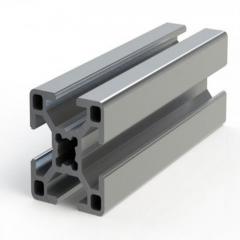
Walk into any modern manufacturing facility, and you'll encounter aluminum t slot framing everywhere. These modular building systems have revolutionized how engineers design workstations, machine guards, and material handling equipment.
Why 6063-T5 dominates the t-slot market:
Common industrial applications include:
The moderate strength of 6063-T5 proves adequate for most light-duty industrial framing. When heavier loads demand more, designers simply select larger profile cross-sections rather than switching to different alloys.
Beyond architecture and industrial applications, this versatile alloy finds its way into transportation components and everyday consumer goods.
Transportation sector applications:
Consumer product applications:
Notice a pattern? Nearly all these applications share common requirements: visible components where appearance matters, moderate structural demands, and environments where corrosion resistance extends product life. The 6063-T5 alloy checks every box while remaining cost-competitive with aluminum extrusions for sale from multiple suppliers.
The alloy's versatility stems from its balanced property set. You're not getting extreme performance in any single characteristic, but you are getting reliable, predictable results across the full range of requirements that most applications demand.
Understanding where this material gets used is just the first step. How do you finish and fabricate these profiles to maximize their performance in your specific application?
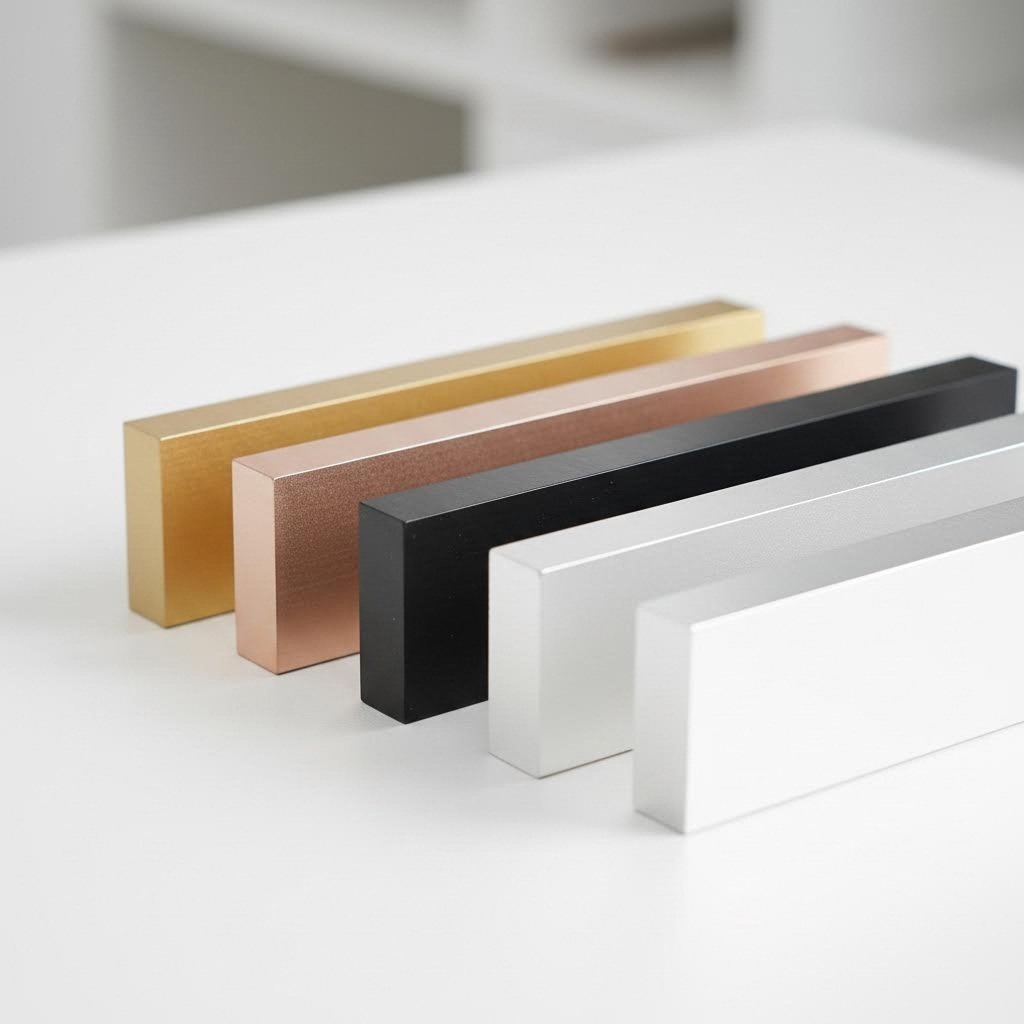
You've selected 6063-T5 for your project based on its mechanical properties and application suitability. Now comes the question that often determines the final success of your product: how do you finish and fabricate these profiles to maximize both appearance and performance?
Here's the good news: aluminum 6063 extrusion is considered the ideal substrate for surface treatments, particularly anodizing. Its low iron and copper content creates a uniform oxide layer that accepts color consistently, delivering that 6063 aluminum surface finish quality that competitors simply cannot match. But anodizing is just the beginning of your finishing options.
Selecting the right surface treatment depends on your application environment, aesthetic requirements, and budget. Each finishing method offers distinct advantages worth understanding before you specify.
Anodizing: The Gold Standard for 6063
When you need anodized 6063 aluminum, you're choosing the finish that best leverages this alloy's natural strengths. The anodizing process electrochemically grows a protective aluminum oxide layer directly from the base metal, creating an extremely hard, wear-resistant surface that becomes part of the profile rather than sitting on top of it.
Why does 6063 anodize better than other alloys? According to industry experts, the low iron and copper content produces a more uniform oxide layer, consistent coloring, and superior surface brightness, especially for light-colored decorative finishes.
Powder Coating: Versatility and Durability
When your project demands vibrant colors, textured finishes, or thick protective coatings, 6063 T5 powder coating delivers. This thermosetting process electrostatically applies dry powder particles to the profile, then cures them in a polymerization oven at 160-210°C to form a continuous, durable film.
PVDF Coating: Premium Weather Resistance
For demanding outdoor applications where decades of color stability matter, PVDF (polyvinylidene fluoride) coatings represent the premium choice. As noted by coating specialists, PVDF coatings consistently meet or surpass stringent requirements like AAMA 2605 with minimal fading over extended periods.
Additional Surface Treatment Options
Beyond the primary finishing methods, specialized treatments address specific performance requirements:
Comprehensive manufacturers offer the full range of finishing options under one roof, streamlining your supply chain and ensuring consistent quality across surface treatments.
Even the best surface finish won't compensate for fabrication problems. Understanding how to work with 6063-T5 during machining, welding, and forming operations ensures your finished components meet specifications.
Machining Considerations
With lower hardness (60 HB) and higher ductility than alloys like 6061, 6063-T5 presents unique machining challenges. The material's tendency toward built-up edge and tool adhesion requires specific approaches:
Welding Guidelines
According to welding experts, 6063 offers better weldability than 6061, with less distortion in the heat-affected zone. However, strength loss in the weld and HAZ can reach 20-50% (typically around 30%), depending on several factors:
Managing Residual Stress
Residual stress in extruded profiles originates primarily from cooling after extrusion. Complex or thin-wall sections are prone to deformation when stress releases during machining. Best practices include:
Bending and Forming
The 12% elongation of 6063-T5 provides good formability for post-extrusion bending operations. Compared to the harder T6 temper, T5 accepts tighter bend radii without cracking. For best results:
Whether you need standard anodized finishes or complex multi-step treatments combining machining, welding, and specialty coatings, working with experienced manufacturers ensures your 6063-T5 extrusions achieve their full potential. Companies like Shengxin Aluminium provide end-to-end support from surface preparation through final finishing, including custom color anodizing, powder coating, PVDF, and advanced treatments like micro-arc oxidation.
With finishing and fabrication fundamentals covered, how do you actually source quality 6063-T5 extrusions and evaluate potential suppliers?
You understand the properties, you've selected the right temper, and you know exactly how the finished profiles will be treated. Now comes the challenge that can make or break your project: finding a 6063 T5 aluminum supplier who consistently delivers quality at competitive prices. Whether you're buying 6063 T5 extrusion for a one-time prototype or establishing a long-term supply relationship for mass production, the sourcing decisions you make now directly impact your product quality, lead times, and bottom line.
The aluminum extrusion industry includes thousands of manufacturers worldwide, from small specialty shops to vertically integrated giants. Not all of them can handle your specific requirements. Let's explore the critical factors that separate reliable partners from risky vendors.
Before you request quotes, clearly define your project requirements. According to industry sourcing experts, this foundational step ensures you choose a supplier with both the capacity and expertise to deliver exactly what you need.
Minimum Order Quantities and Volume Considerations
One of the first questions you'll encounter when sourcing custom aluminum extrusion is the supplier's MOQ. This varies significantly based on profile complexity and supplier focus:
Not every supplier works with all volume ranges. Some specialize in high-volume runs and won't entertain small orders, while others focus on custom work but lack capacity for major production contracts. Match your volume requirements to supplier capabilities early in the evaluation process.
Lead Times and Production Scheduling
Understanding realistic timelines prevents costly project delays. As noted by wholesale sourcing specialists, standard die creation typically takes 10-15 days, by sample extrusion for approval. Once samples pass inspection, mass production lead times generally range from 15-25 days depending on volume and complexity.
Build these timeframes into your planning:
Reputable suppliers provide clear timelines upfront and communicate proactively about any schedule changes. If a supplier can't give you firm dates, that's a warning sign.
Tolerance Requirements and Quality Specifications
Not all extrusion tolerances are equal. General tolerances (ISO 2768-c or -m) work fine for non-critical dimensions, but mating surfaces and hole patterns often require tighter control. Discuss tolerance requirements explicitly with potential suppliers:
Distinguish between critical and non-critical tolerances when specifying requirements. Over-tolerancing every dimension drives up costs unnecessarily because it forces slower production cycles.
Cost Structure Understanding
When comparing quotes for 6063 aluminum profiles, look beyond the unit price. Request itemized quotes that break down:
| Cost Component | Considerations |
|---|---|
| Die/Tooling Costs | One-time charge for custom profiles; amortize over expected lifetime volume |
| Material Costs | Based on profile weight; T5 temper typically costs less than T6 |
| Extrusion Costs | Press time, complexity factors, minimum run charges |
| Surface Treatment | Anodizing, powder coating, or specialty finishes add per-piece costs |
| Secondary Operations | Cutting, drilling, machining, assembly labor |
| Packaging and Shipping | Critical for preventing damage; varies by destination |
The cost difference between T5 and T6 tempers typically ranges from 10-20%, driven by the additional heat treatment processing T6 requires. Standard profiles cost less than custom extrusions because die costs are already amortized across many customers. Evaluate whether your application truly needs custom geometry or if standard profiles can work.
Price comparisons only tell part of the story. A supplier who delivers late, ships inconsistent quality, or lacks technical support creates hidden costs that quickly exceed any quoted savings. Use this checklist to evaluate potential partners thoroughly:
Experience and Track Record
Production Capacity and Equipment
Established manufacturers with extensive press capacity can accommodate projects ranging from small prototype runs to high-volume production. For example, Shengxin Aluminium operates 35 extrusion presses ranging from 600T to 5500T, enabling them to produce everything from intricate small-diameter tubes to large structural profiles. This breadth of capability means a single supplier can grow with your needs rather than forcing you to re-qualify new vendors as volumes increase.
Quality Systems and Certifications
Technical Support and Engineering
The best suppliers function as technical partners, not just order takers. They help optimize wall thickness, suggest tolerance adjustments, and identify potential manufacturing issues before tooling is cut. With over 30 years of industry experience, manufacturers like Shengxin Aluminium provide end-to-end support from die development through mass production, helping customers avoid costly design iterations.
Surface Treatment and Finishing Capabilities
In-house finishing capabilities reduce lead times and improve quality control compared to outsourcing. Comprehensive suppliers handle everything from standard clear anodizing to custom color matching and advanced treatments.
Communication and Responsiveness
Red Flags to Watch For
According to procurement specialists, be cautious of suppliers exhibiting these warning signs:
The gap between a flawless prototype and inconsistent mass production is where many supplier relationships fail. As noted by sourcing experts, initial batches may meet specifications while later shipments exhibit "quality fade" with dimensions drifting toward tolerance limits. Choosing suppliers with robust quality systems and proven consistency protects your reputation with downstream customers.
The most valuable suppliers function as an extension of your team, contributing to product improvement and operational efficiency rather than simply fulfilling purchase orders.
Whether you're sourcing your first batch of 6063-T5 extrusions or optimizing an established supply chain, applying these evaluation criteria systematically leads to better outcomes. The time invested in supplier qualification pays dividends through consistent quality, reliable delivery, and technical support that helps your products succeed in the market.
6063-T5 aluminum is primarily used for architectural and structural applications where appearance matters. Common uses include window frames, door frames, curtain walls, handrails, balustrading, sign frames, shop fittings, furniture frames, display systems, and aluminum t-slot framing for industrial workstations. Its excellent surface finish and superior anodizing response make it ideal for visible components requiring both aesthetics and corrosion resistance.
Yes, 6063-T5 aluminum offers good formability with 12% elongation at break. It bends more easily than the harder T6 temper without cracking. For optimal results, use minimum bend radii of 2-3 times the material thickness for simple bends, and consider mandrel bending for hollow sections to prevent collapse. However, severe forming may require annealing before bending, by re-aging to restore mechanical properties.
The key difference lies in heat treatment processing. T5 is air-cooled from extrusion temperature and artificially aged, while T6 undergoes additional solution heat treatment and water quenching before aging. This results in T6 having approximately 30% higher strength (241 MPa vs 186 MPa tensile) and greater hardness (73 HB vs 60 HB). T5 costs 10-20% less, offers better formability, and is ideal for architectural applications where maximum strength isn't required.
6063-T5 aluminum has an ultimate tensile strength of 186 MPa (27 ksi), yield strength of 145 MPa (21 ksi), Brinell hardness of 60 HB, and 12% elongation at break. The modulus of elasticity is 68.9 GPa, shear strength is 117 MPa, and density is 2.70 g/cc. These properties make it suitable for moderate-strength architectural and light structural applications with excellent surface finish quality.
Choose 6063 when you need superior surface finish, excellent anodizing response, complex profile geometries with thin walls, and cost-effective manufacturing. Select 6061 when your application demands maximum strength (310 MPa vs 186 MPa tensile), extensive CNC machining, or structural components under significant loads. 6063 offers better extrudability and appearance, while 6061 provides higher mechanical performance at increased cost.



 บริการออนไลน์
 0086 136 3563 2360
 sales@sxalu.com
 +86 136 3563 2360
 ไทย
ไทย English
 français
 Deutsch
 русский
 español
 português
 العربية
 Việt
Việt Українська